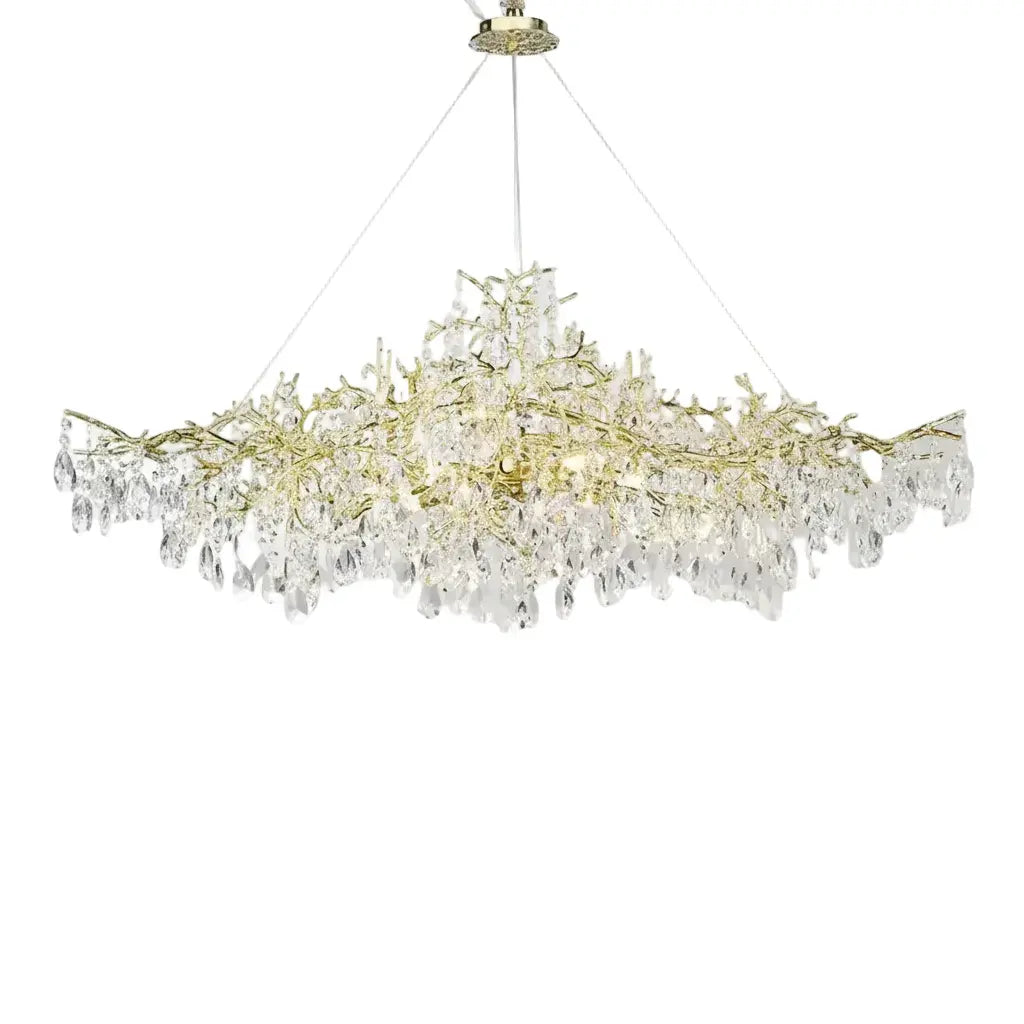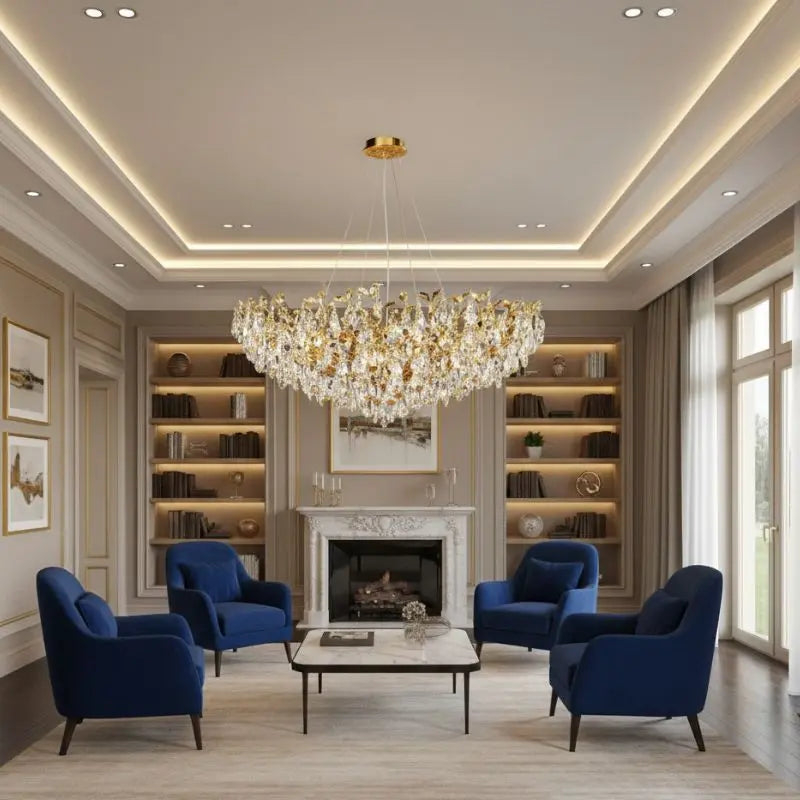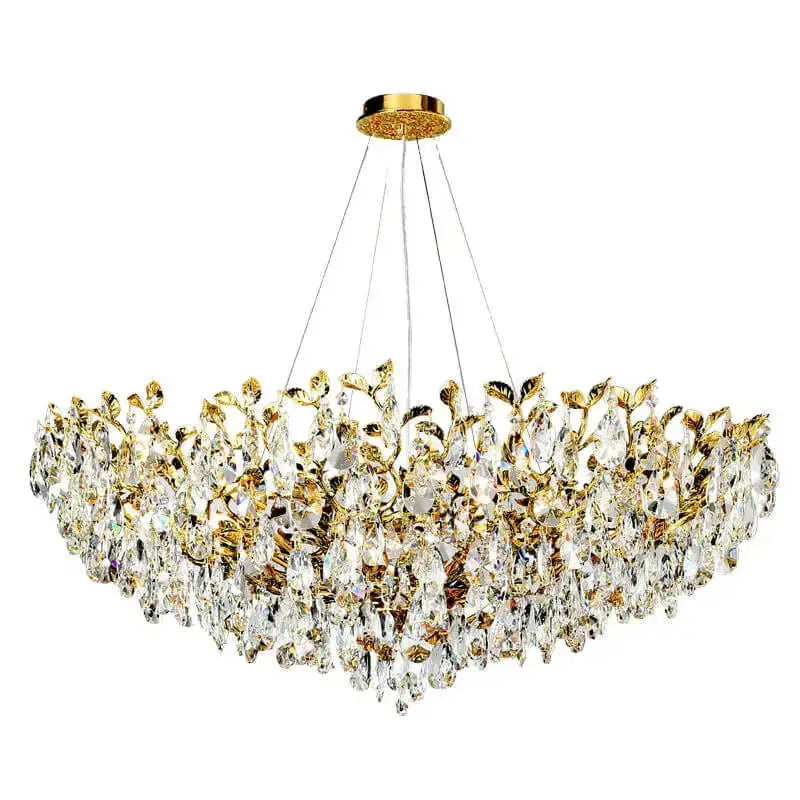
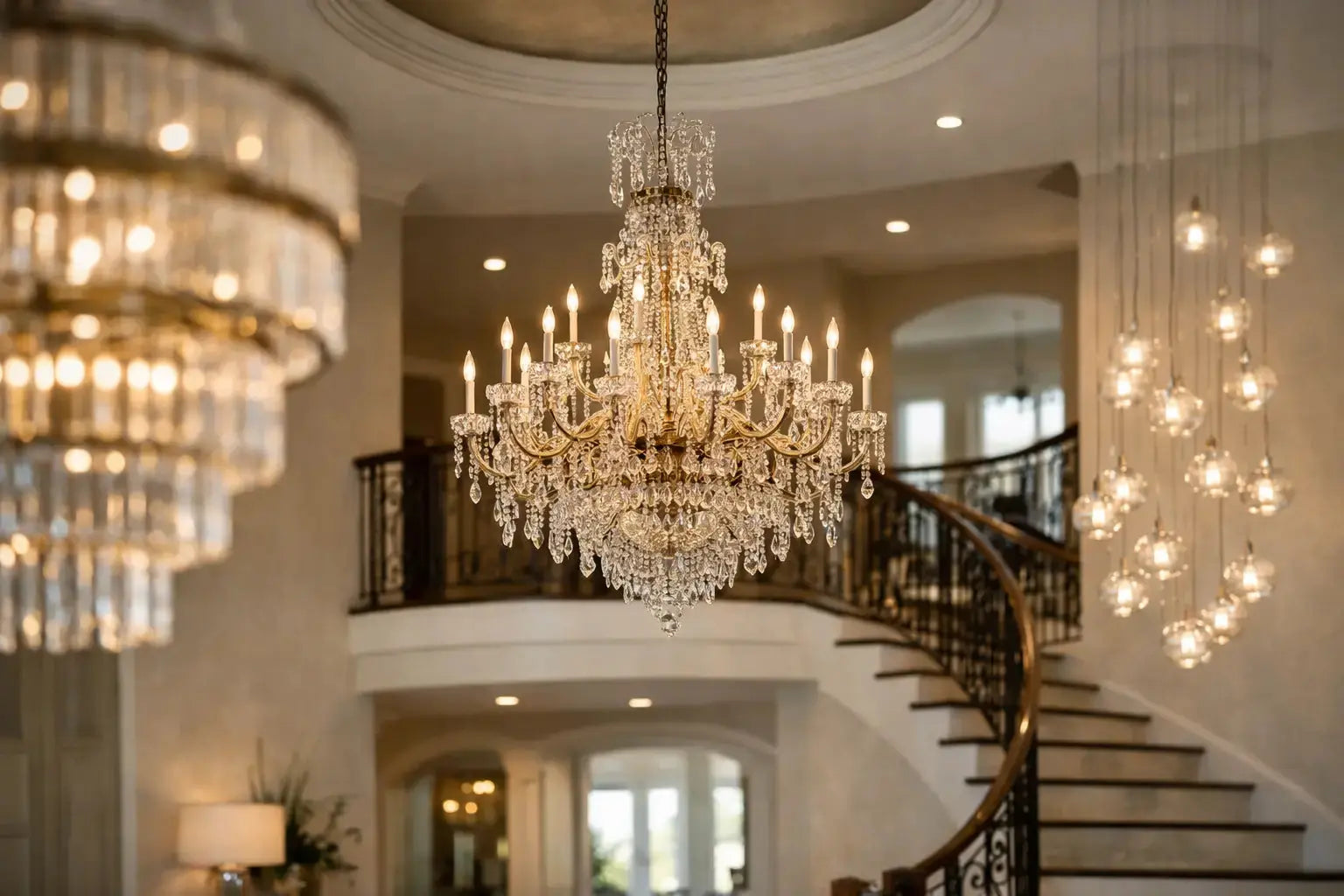
The foyer has only a few seconds to make an impression. Before a guest notices the flooring, artwork or staircase, they notice the light overhead. The best chandelier for foyer spaces is therefore not simply the largest or most ornate fixture you can fit. It is the piece that brings proportion, presence and a flattering glow to the entrance, while feeling beautifully connected to the rest of your home.
A well-chosen foyer chandelier can make an ordinary hallway feel considered and welcoming. Crystal introduces sparkle, sculptural metalwork gives a contemporary home an architectural focal point, and alabaster lends a softer, quietly luxurious mood. The right choice depends on your ceiling height, floor plan and personal style, but a few design principles make the decision far easier.
Start with the scale of your foyer
Size is where most foyer lighting decisions are won or lost. A chandelier that is too small can disappear into a lofty entrance; one that is too wide can feel crowded and obstruct sightlines through the home. Instead of choosing from a product image alone, take a moment to measure the room and view the fixture as part of the entire composition.
A useful starting point is to add the length and width of the foyer in feet, then use that number in inches as an approximate chandelier diameter. For example, a foyer measuring 10 by 12 feet suits a fixture around 22 inches wide, or roughly 56 cm. This is a guide rather than a rule. An open-plan entry with a sweeping staircase can carry a more dramatic design, while a narrow vestibule benefits from a slimmer profile.
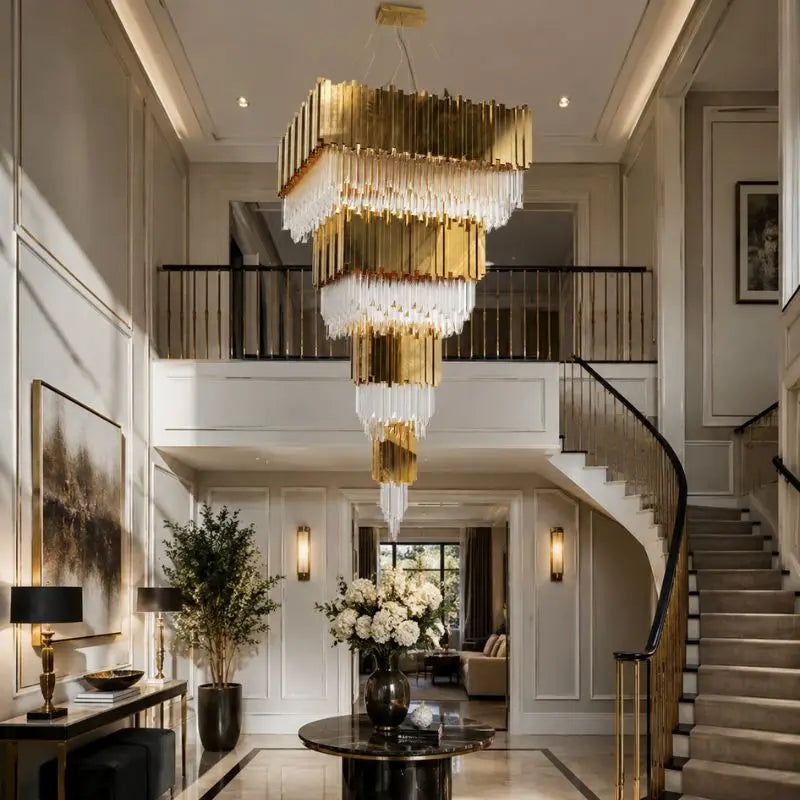
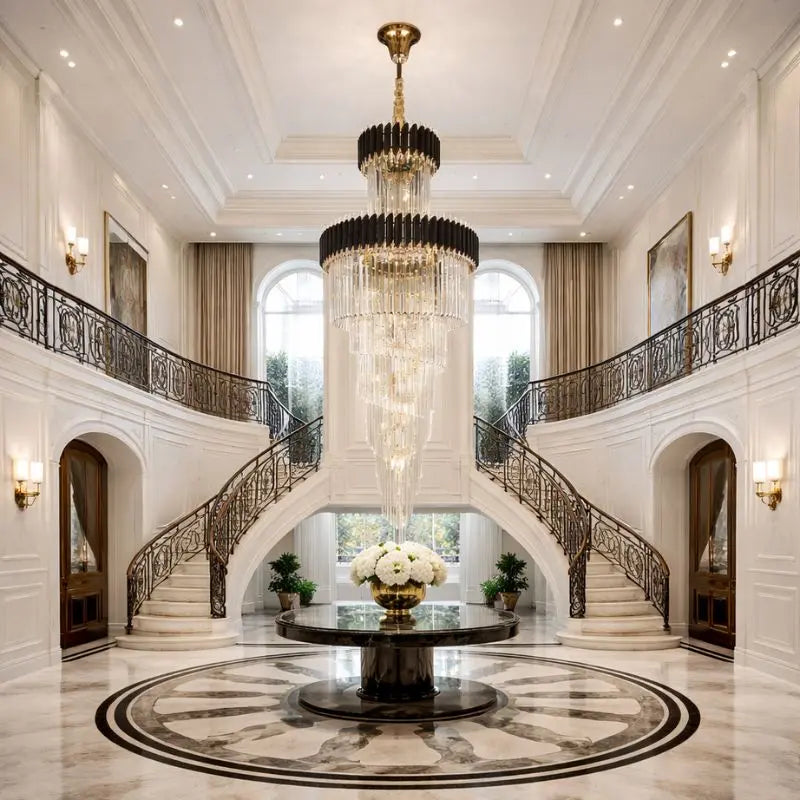
Ceiling height matters just as much. In a standard-height foyer, choose a compact chandelier or a semi-flush statement fixture that maintains comfortable head clearance. A two-storey entrance has the freedom to showcase a longer cascade, tiered crystal design or lantern-style chandelier. In these generous spaces, visual height is an asset: the fixture can draw the eye upward and give the architecture the attention it deserves.
Leave at least 7 feet, or about 213 cm, between the bottom of the chandelier and the floor in a circulation area. If the chandelier hangs above a central table, the bottom can sit lower, typically around 30 to 36 inches above the tabletop. Always confirm the final drop once the fixture is in position, particularly where a nearby staircase or front door creates changing views.
Match the chandelier to the architecture
The finest foyer lighting feels intentional, not isolated. Look at the lines, finishes and mood already present in the entrance and adjoining rooms. Your chandelier does not need to match every fitting exactly, but it should share a visual language with the home.
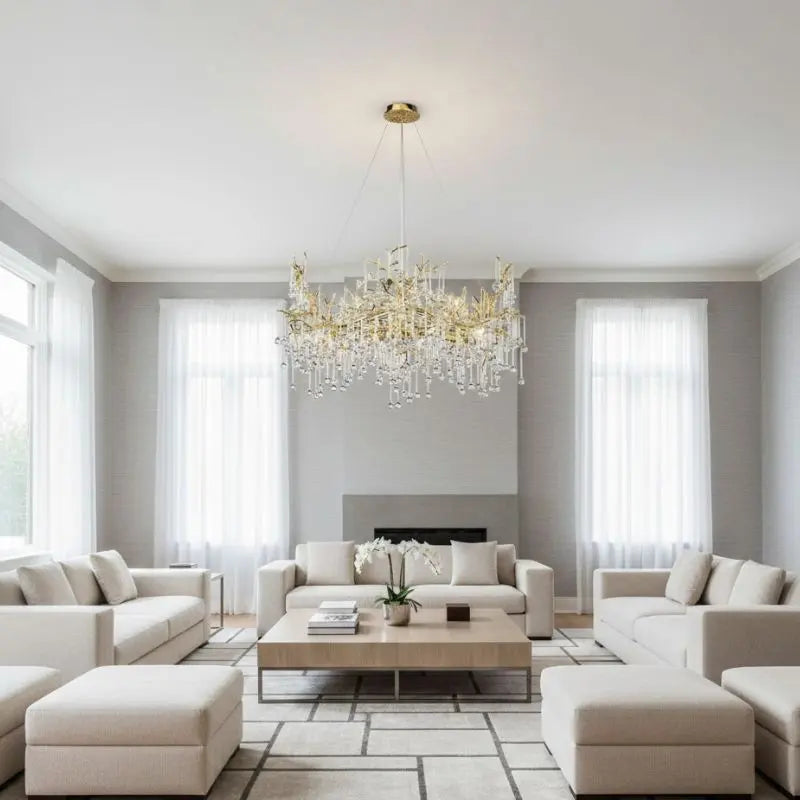
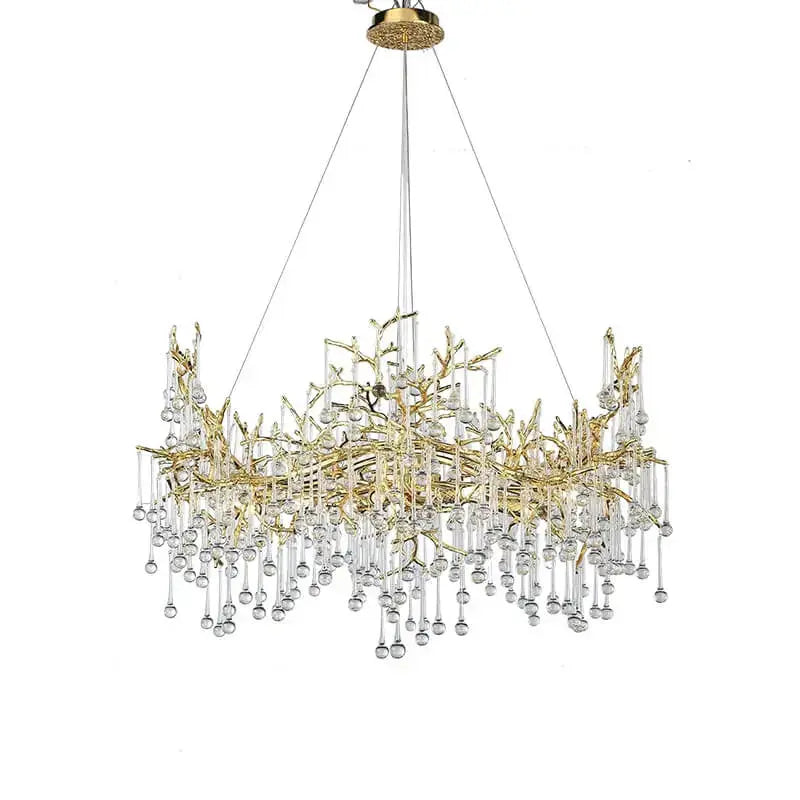
For classic interiors, a traditional crystal chandelier offers timeless elegance. Curved arms, clear crystal drops and warm metallic detailing create beautiful reflections against painted panelling, timber doors and polished stone floors. A lantern chandelier is another elegant choice for Georgian-inspired homes, farmhouse entrances and transitional schemes. Its framed silhouette feels structured and substantial without becoming overly decorative.
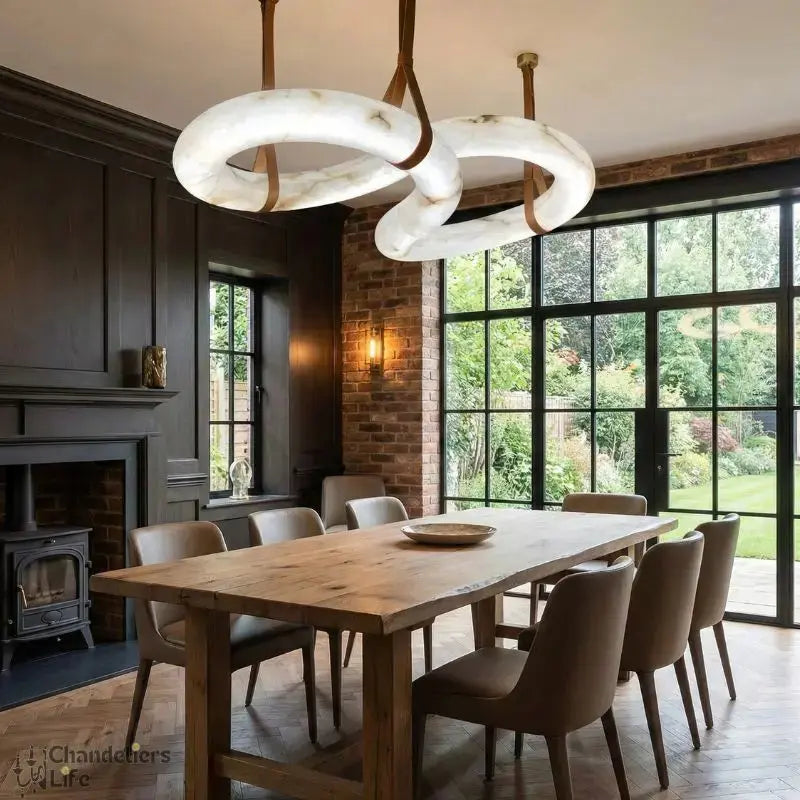
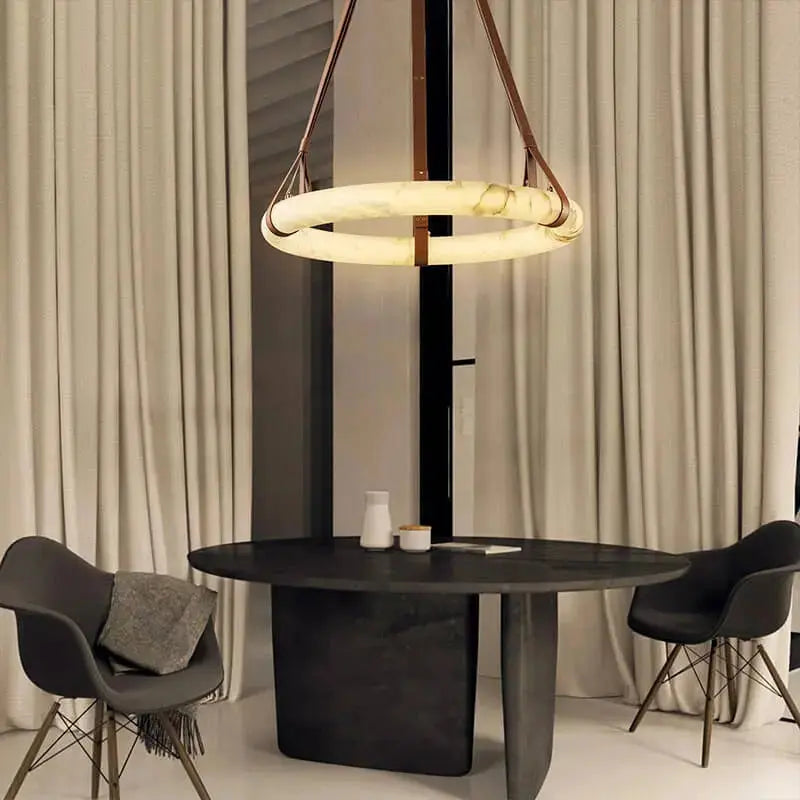
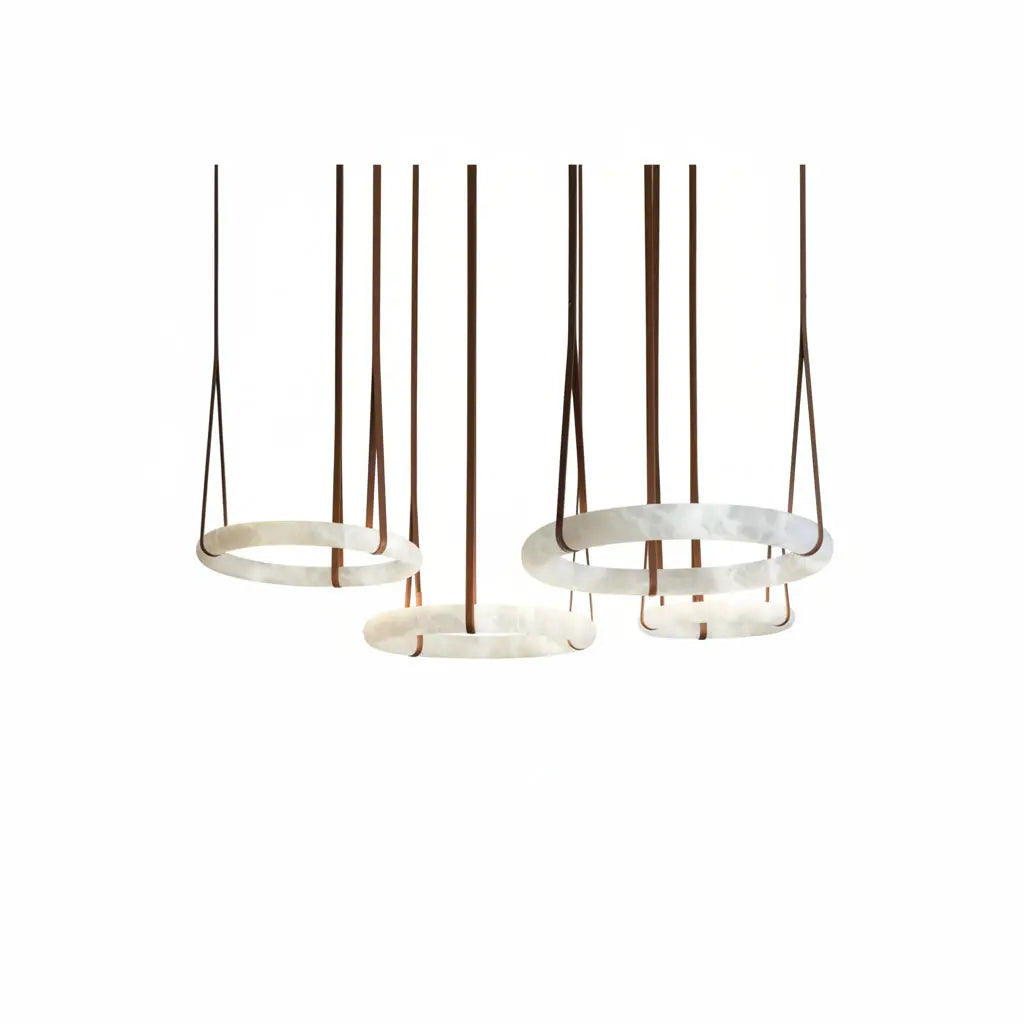
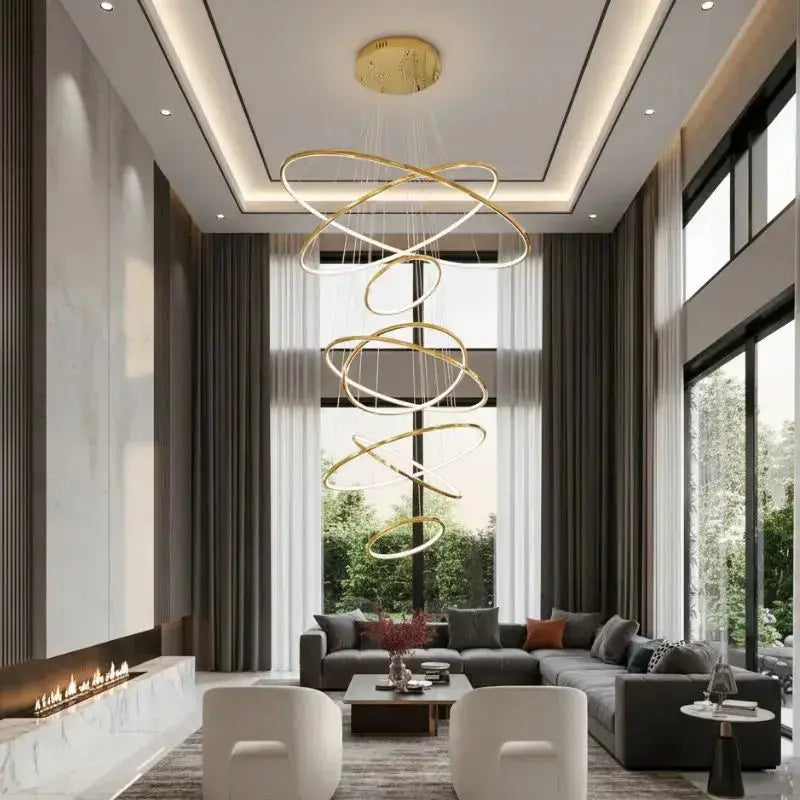
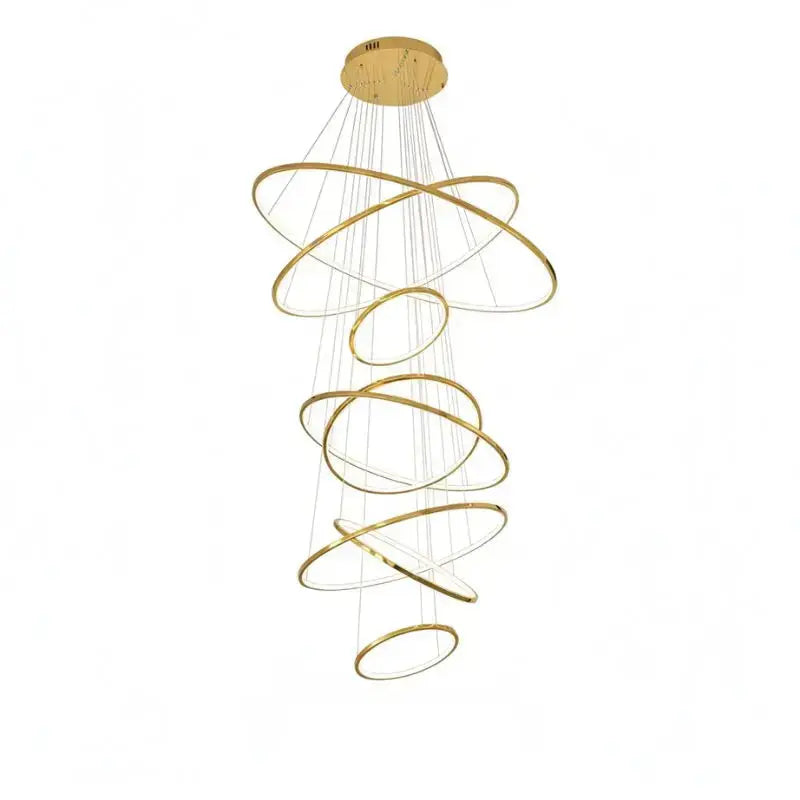
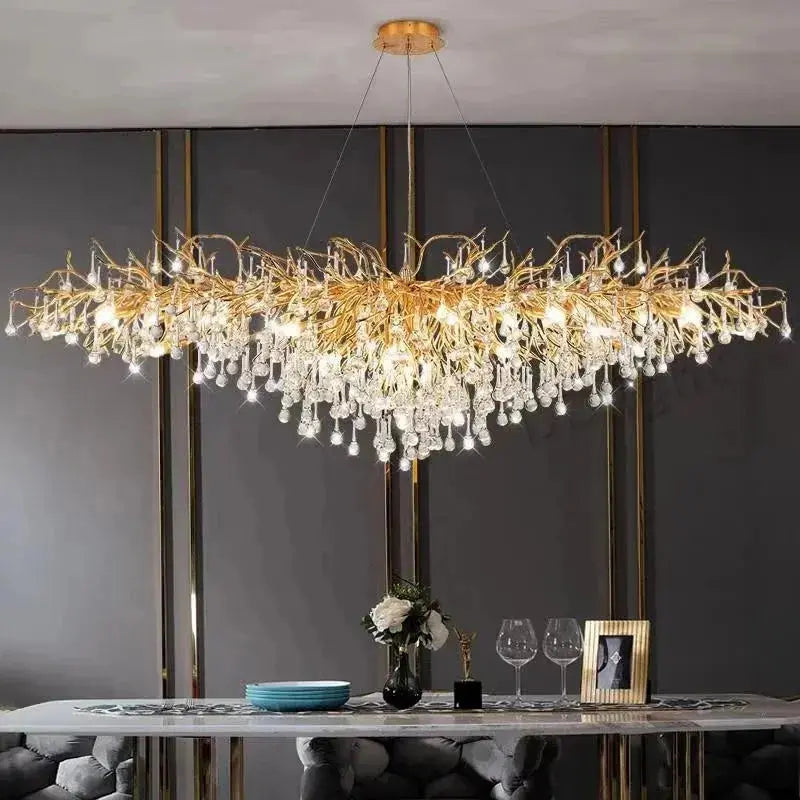
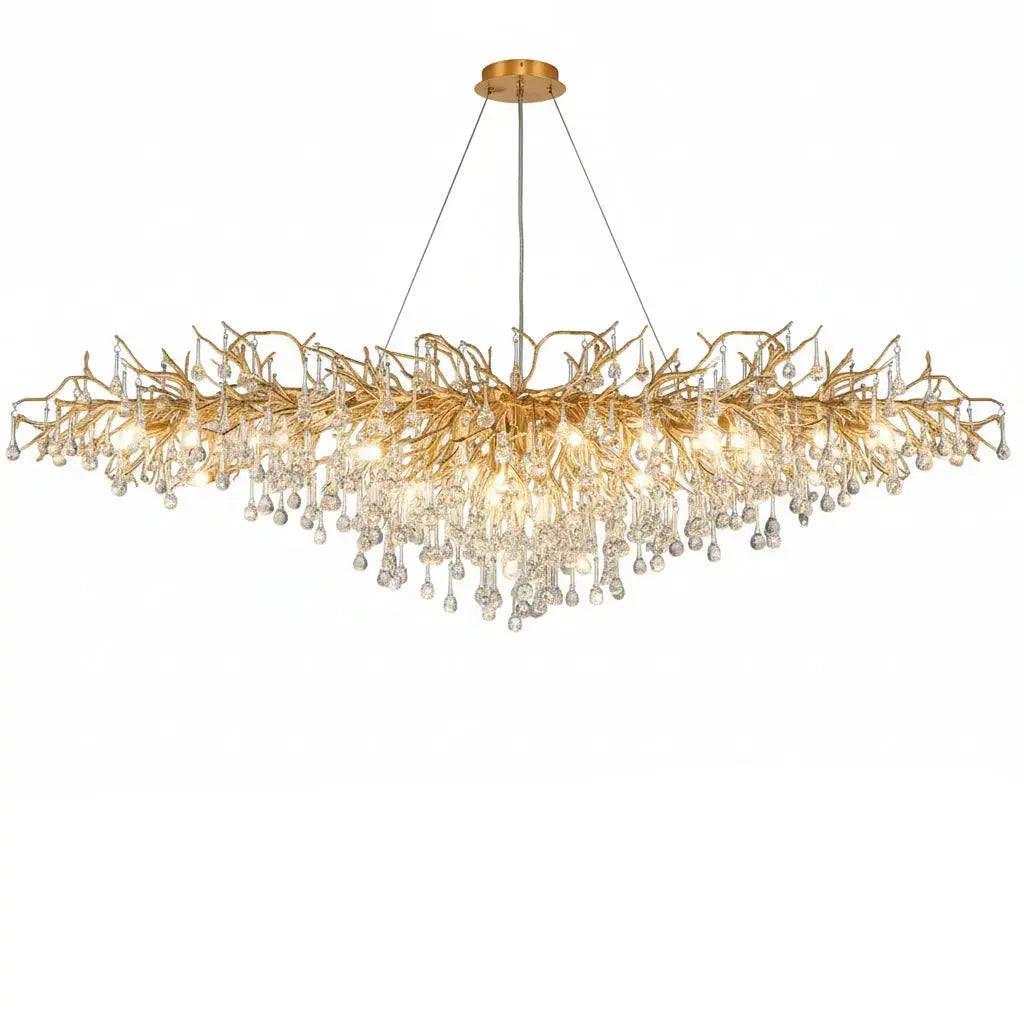
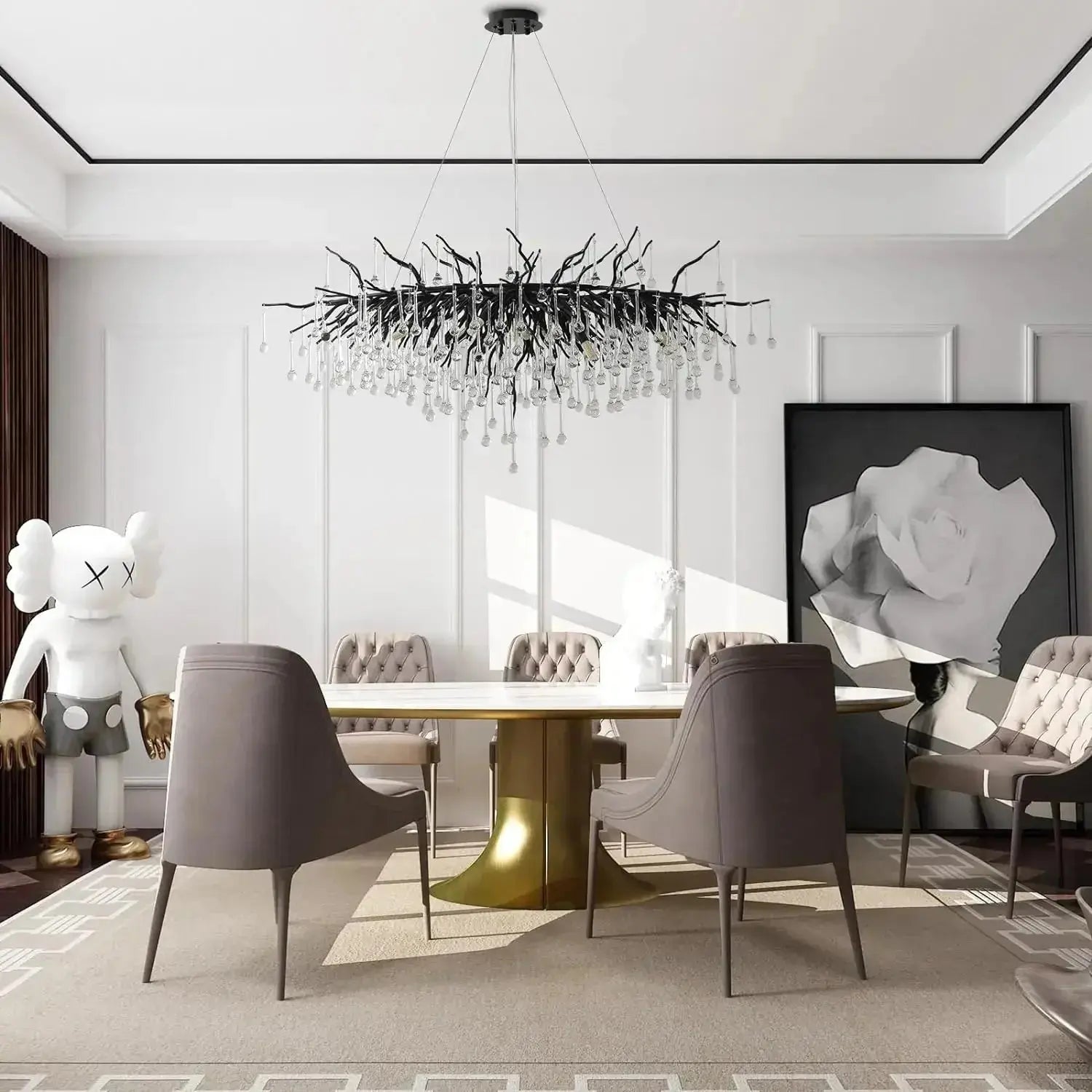
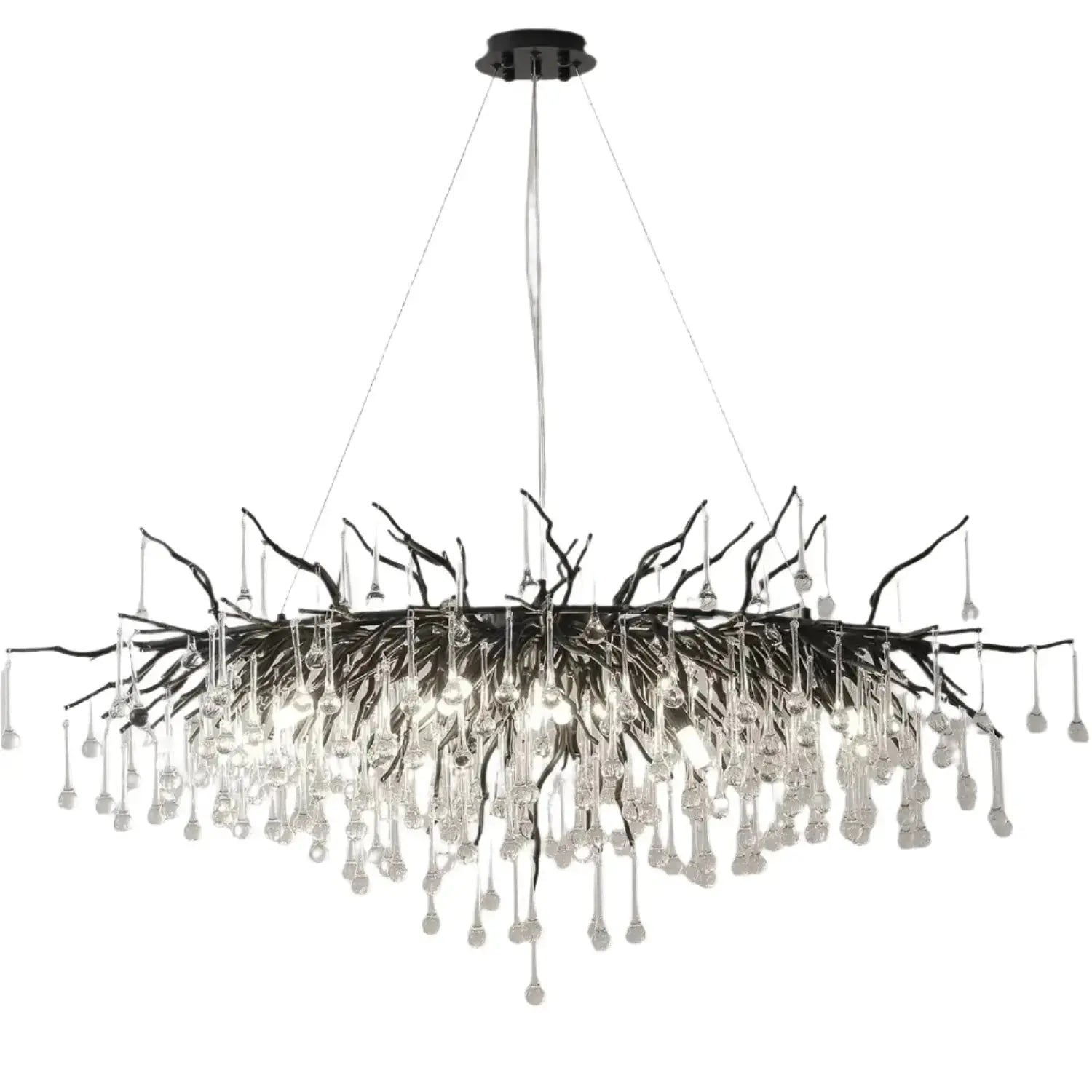
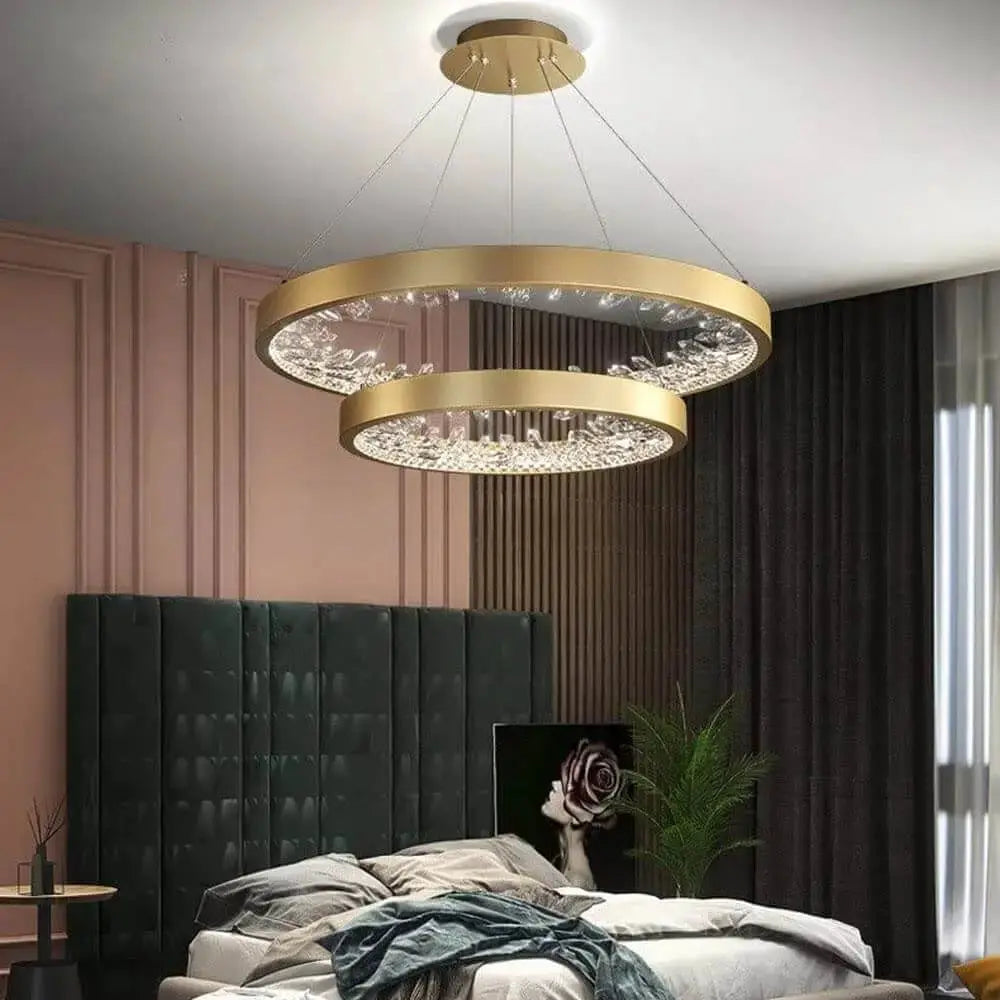
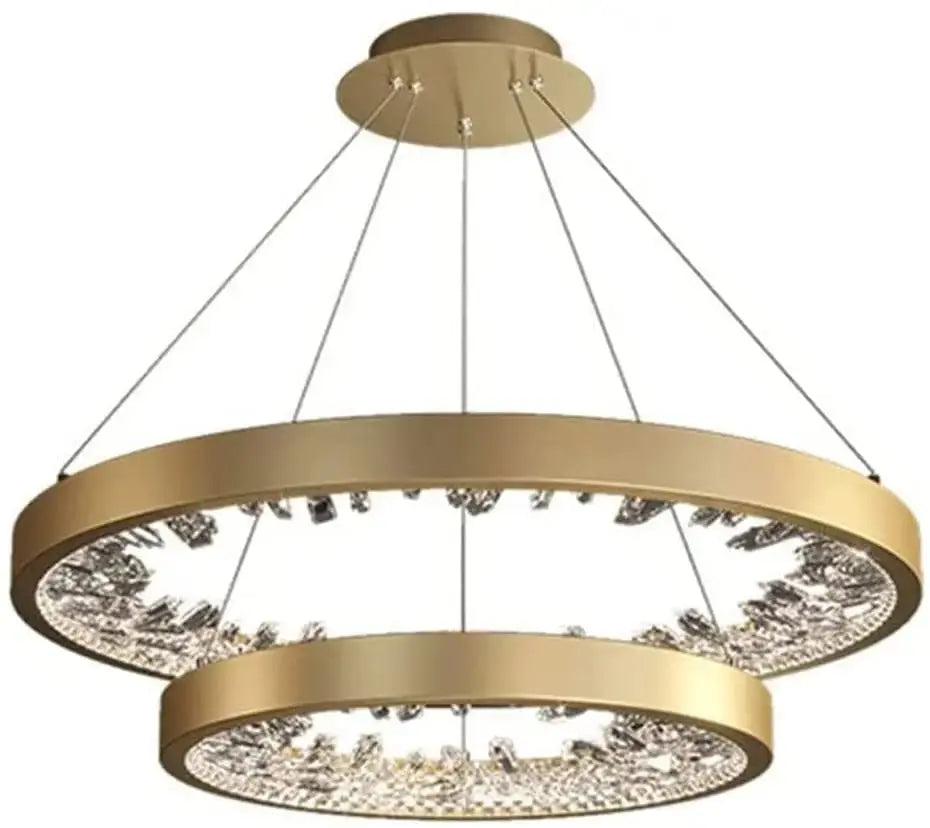
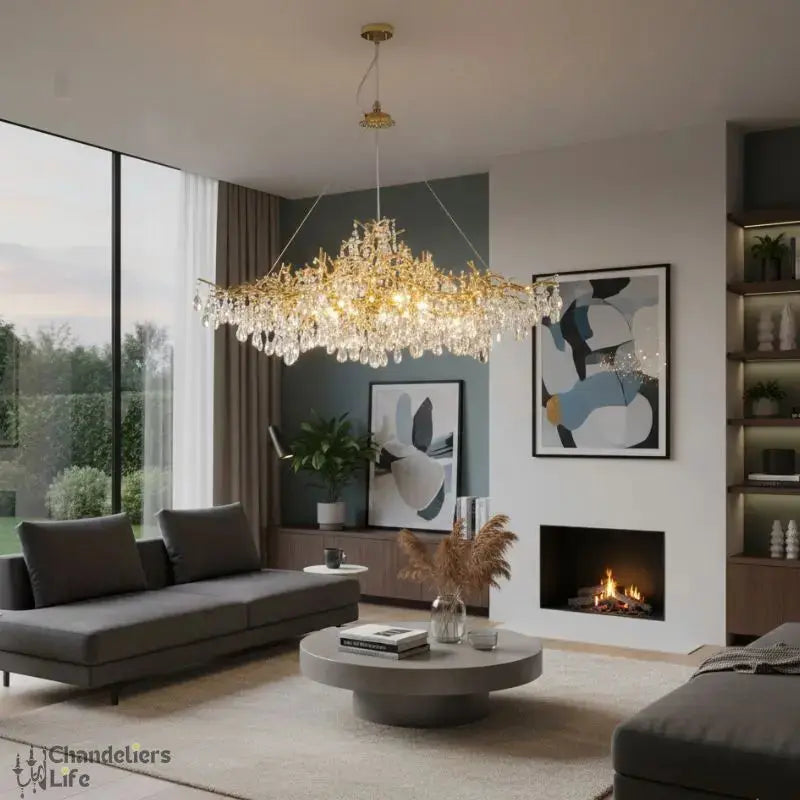
Contemporary foyers often suit clean geometry. Consider a linear arrangement of glass globes, a ring chandelier, a branching sculptural design or a minimalist cluster suspended at varied heights. These designs bring drama through shape and scale rather than ornament. Black, bronze, brushed brass and satin nickel finishes each create a distinct effect: black feels crisp and graphic, brass adds warmth, while nickel keeps the look refined and understated.
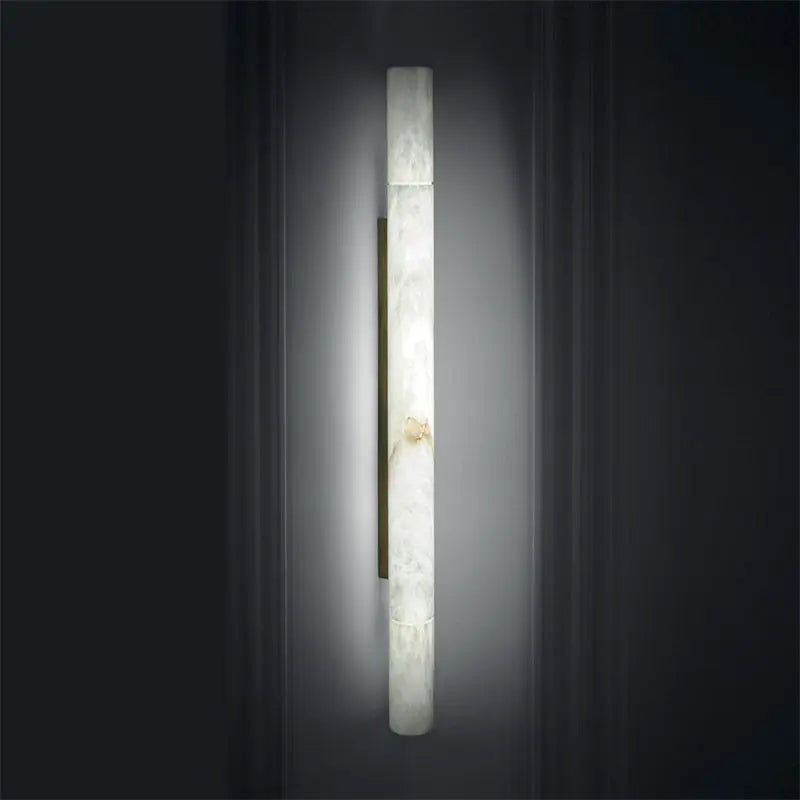
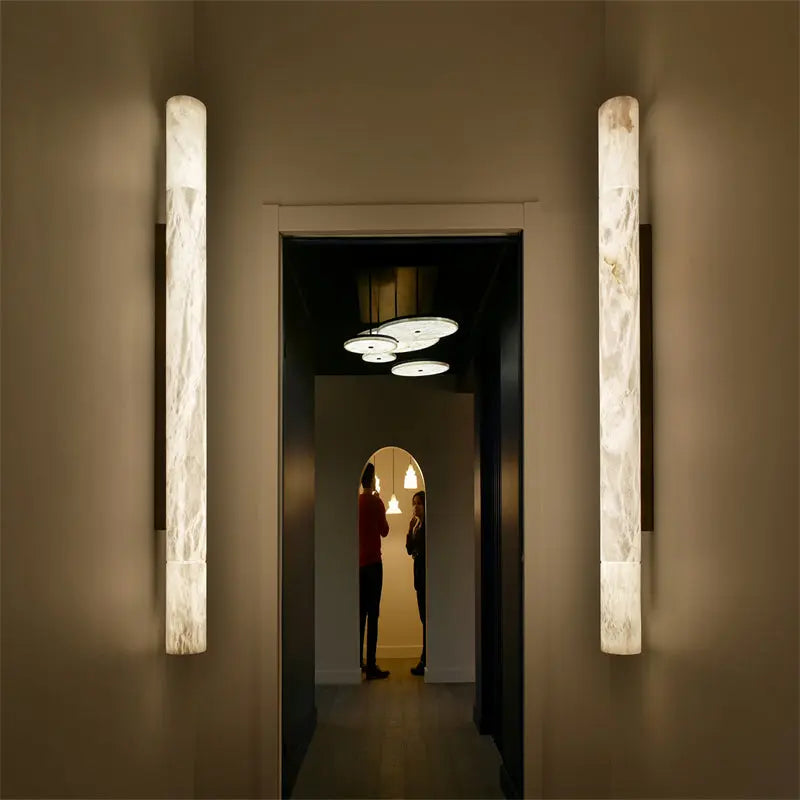
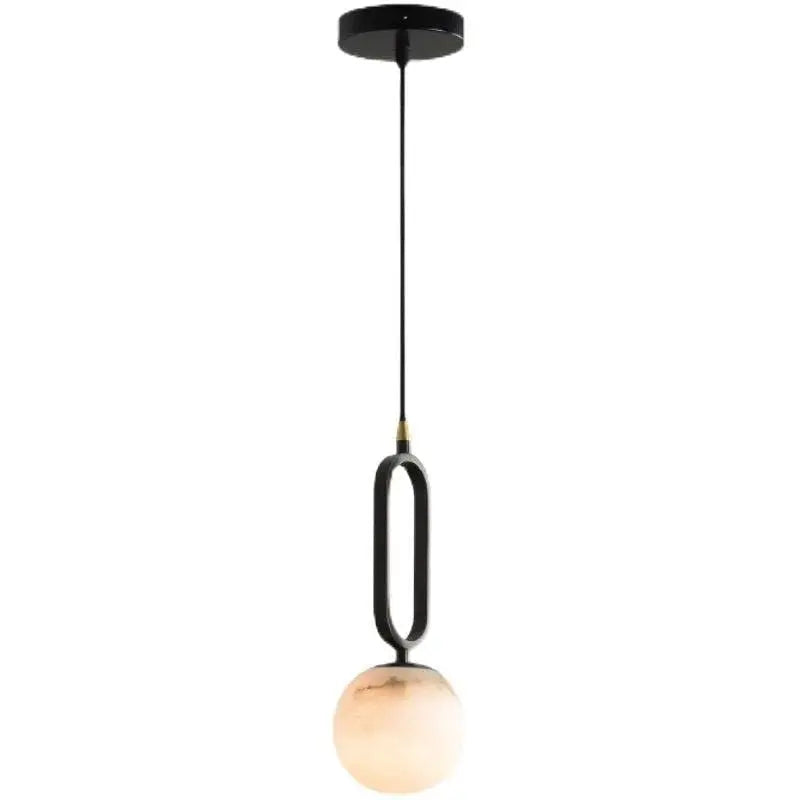
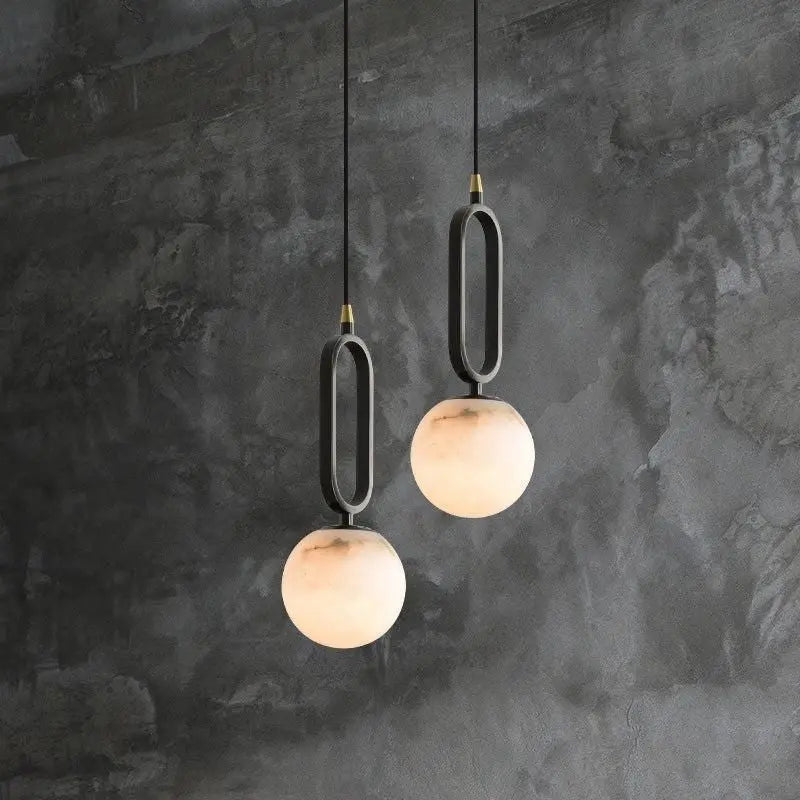
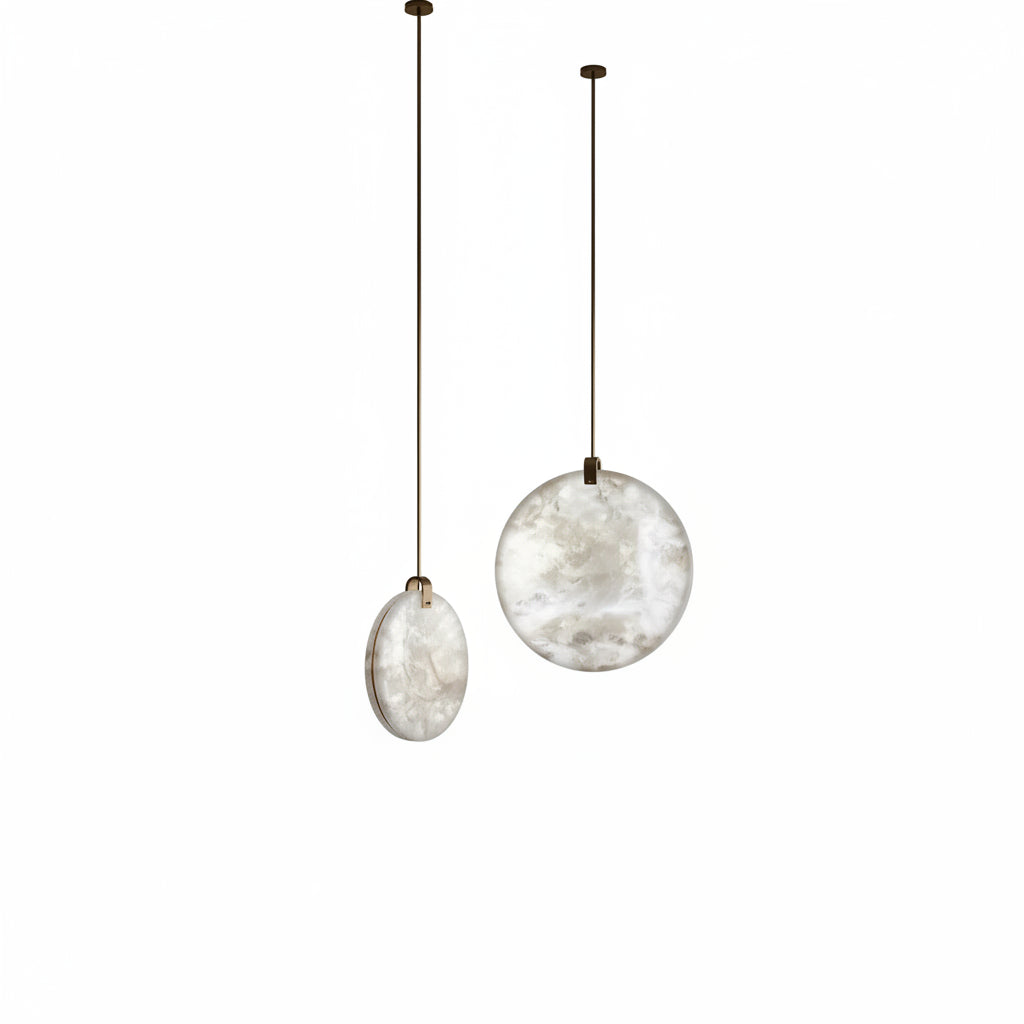
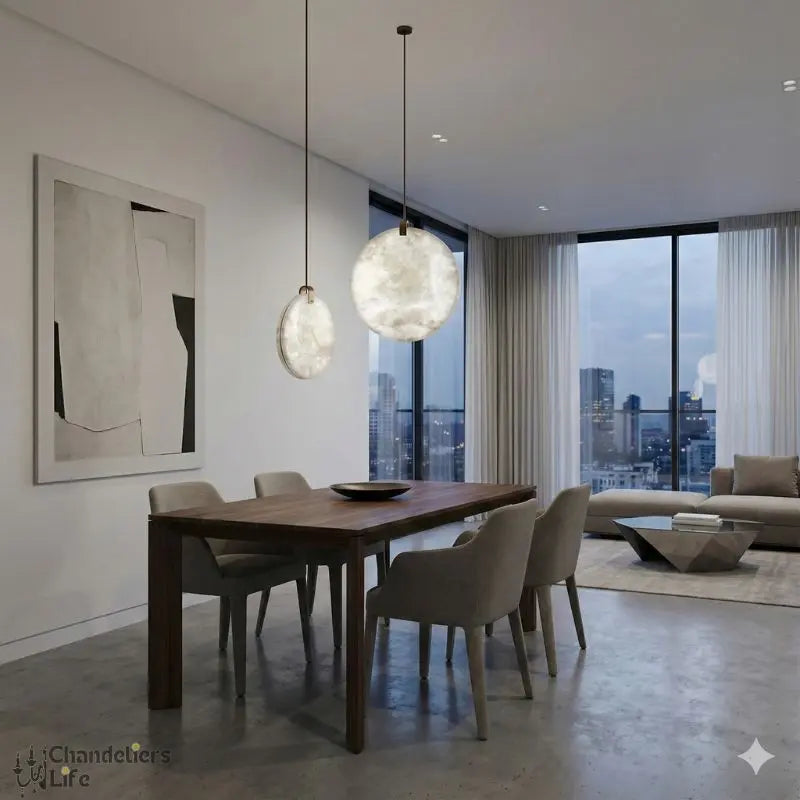
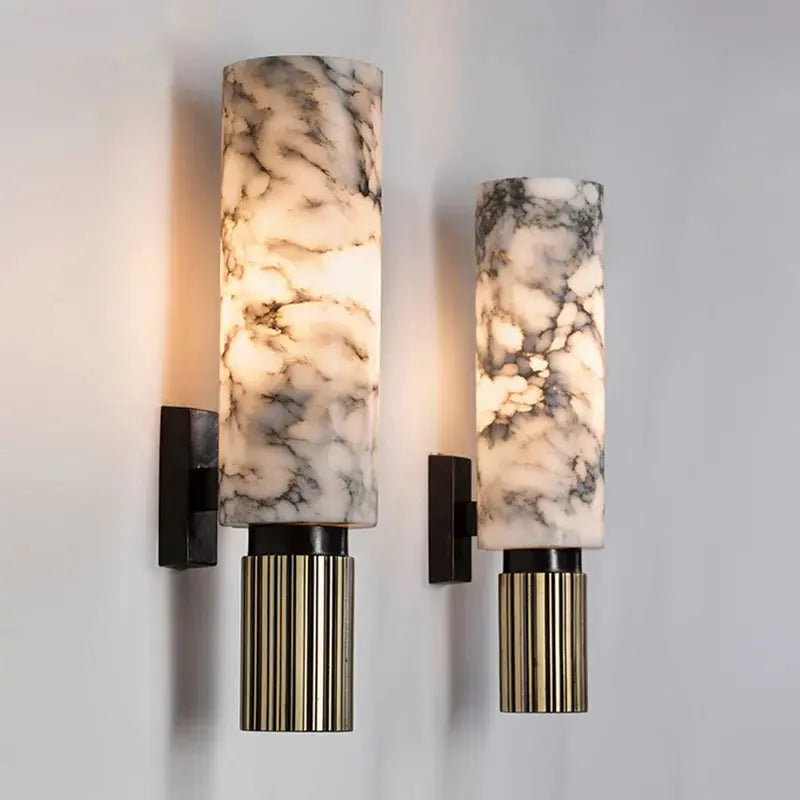
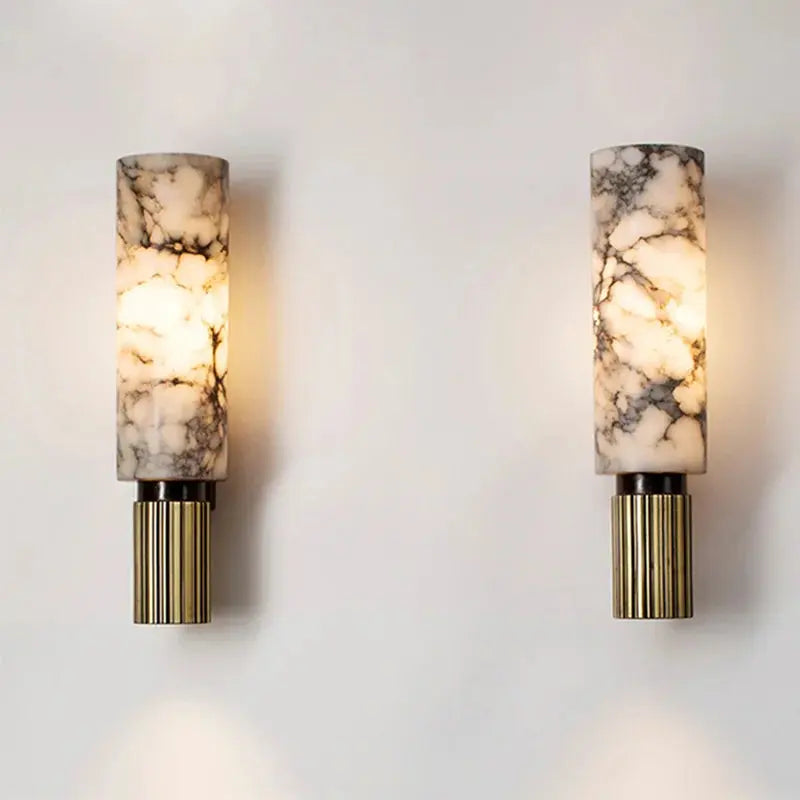
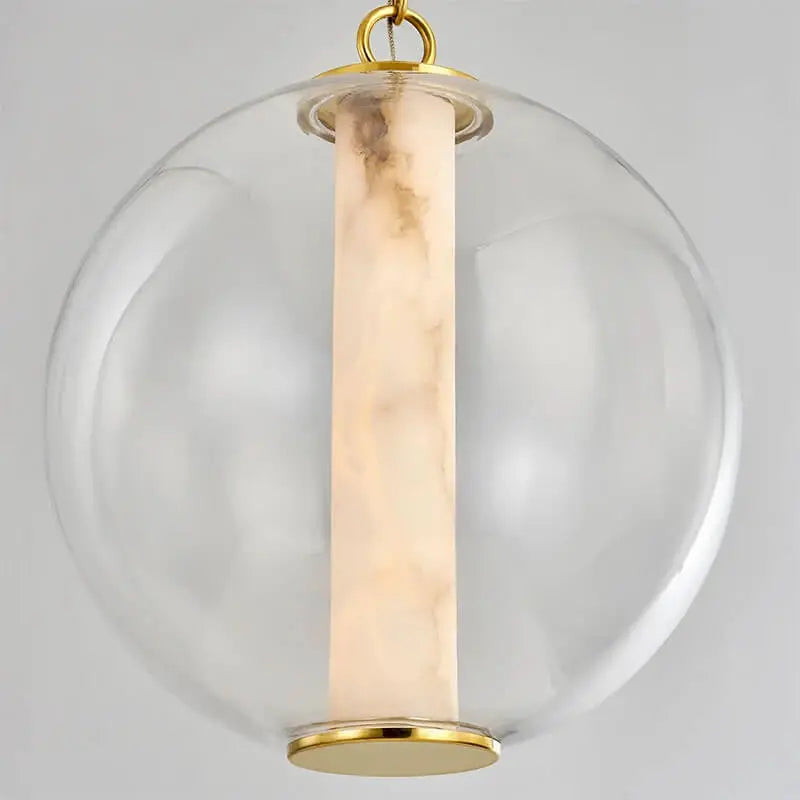
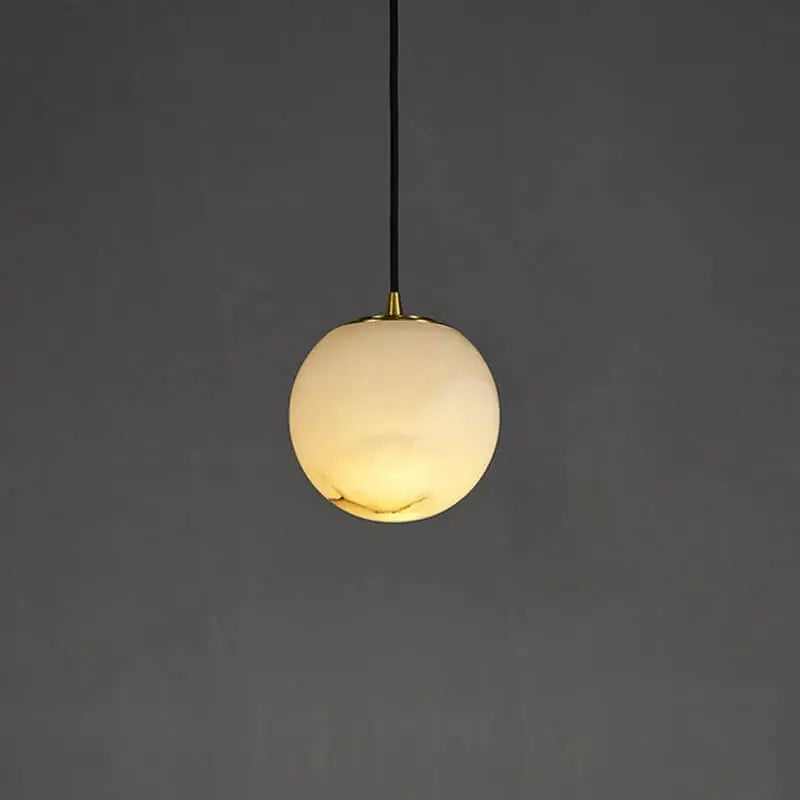
For homes designed around natural materials, alabaster is especially compelling. Its softly translucent surface diffuses illumination rather than scattering it sharply, creating a calm and elevated arrival. A marble-inspired fixture can achieve a similar sense of permanence, especially when paired with brass accents and textured walls.
Choose the best chandelier for foyer lighting, not just looks
A chandelier is the focal point, but it must also make the foyer practical after dark. The entry should feel inviting when you arrive home, allow visitors to find keys or shoes easily, and provide enough visibility for stairs and changes in level. Decorative light and useful illumination should work together.
Choose bulbs with a warm white colour temperature, usually around 2700K to 3000K. This produces a welcoming glow that complements crystal, metal and natural stone far better than a stark cool-white light. Dimmable bulbs and a compatible dimmer switch are worth prioritising. Bright light is useful when cleaning or welcoming guests, but a softer setting creates a more luxurious evening atmosphere.
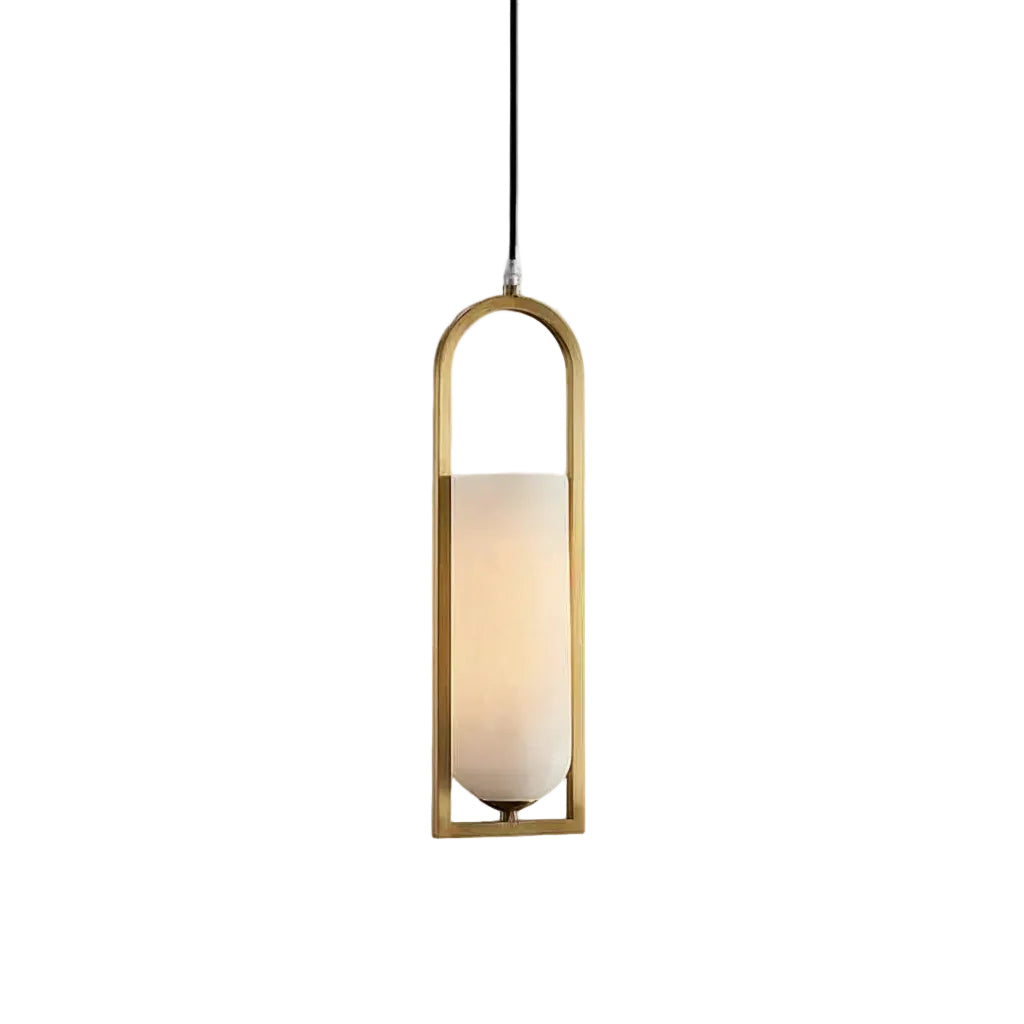
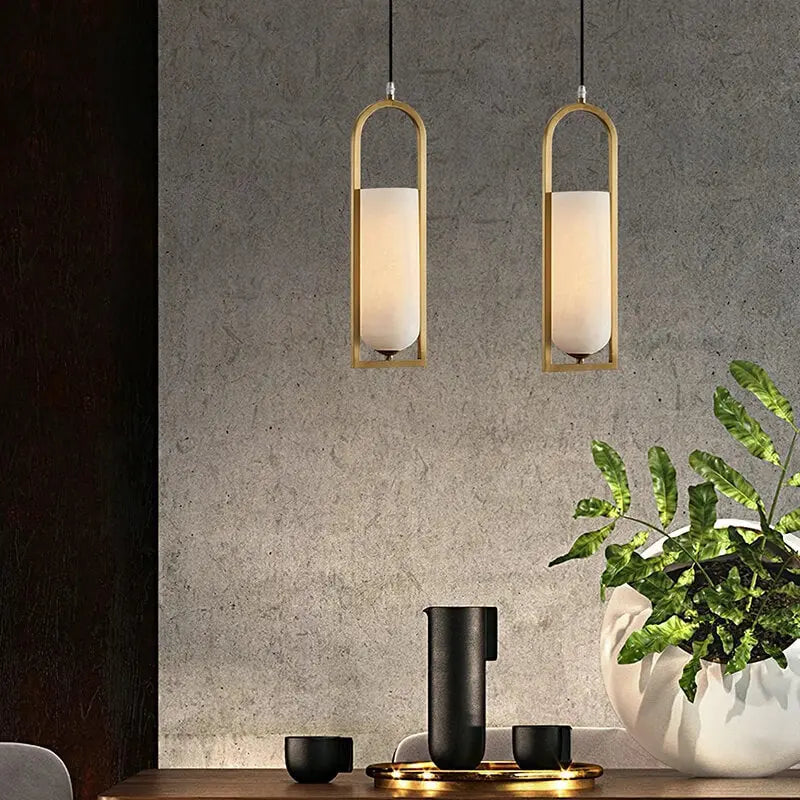
A chandelier with exposed bulbs or clear crystal offers generous sparkle and visual brilliance, though it may produce more distinct shadows. Frosted glass, fabric shades and alabaster soften the light, which can be preferable in a smaller foyer or a home with a tranquil, modern aesthetic. If the chandelier is primarily decorative, supplement it with wall sconces, recessed lighting or stair lighting rather than expecting one fixture to do every job.
Pay attention to maintenance before choosing a highly detailed piece. Crystal is exquisite, especially in a tall foyer where it catches daylight, but it needs occasional dusting and careful cleaning to retain its clarity. A simple metal-and-glass design is easier to maintain. Neither is inherently better - the right answer depends on how much brilliance you want and how accessible the fixture will be.
Make high ceilings work in your favour
Double-height foyers invite statement lighting, yet they also expose poor proportions. A small chandelier hung too high can look like an afterthought, while an oversized fixture placed too low may dominate the entrance. Think about the view from both levels of the home as well as from the front door.
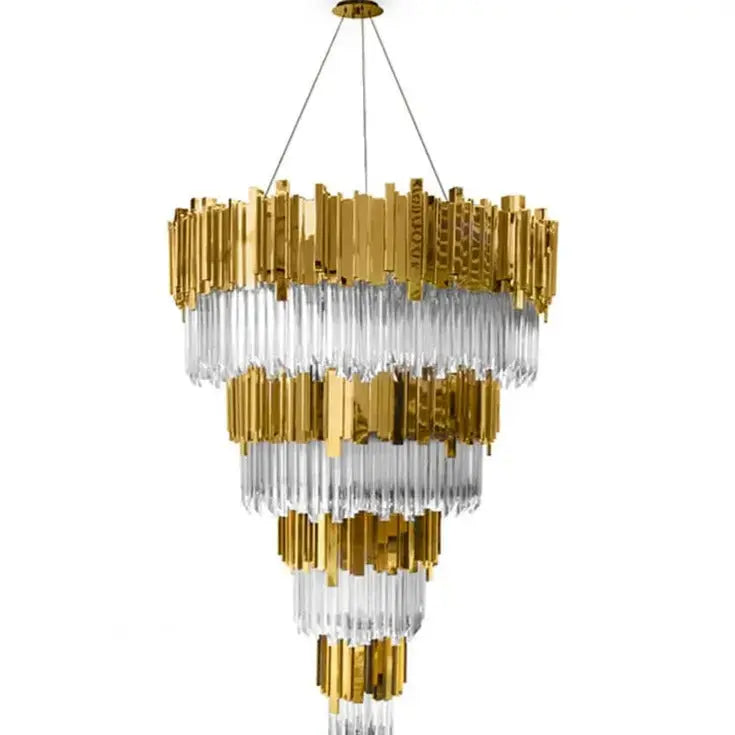
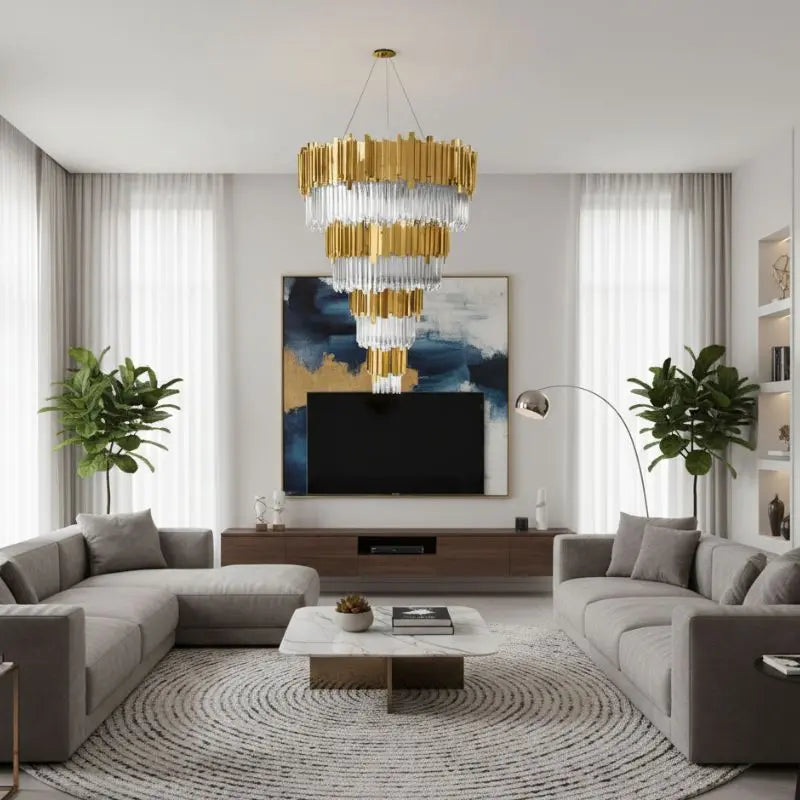
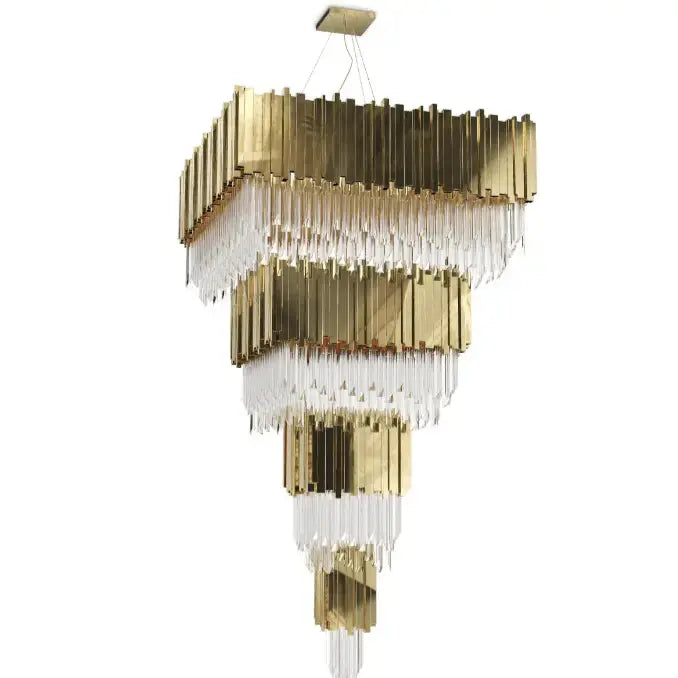
Tiered chandeliers are a natural fit for tall entrances because their form fills vertical space without relying solely on width. Multi-pendant designs create a lighter, more contemporary version of the same effect. A grand lantern can also be striking, particularly over a staircase landing, where its tall silhouette echoes the rise of the stairs.
For a particularly high ceiling, consider a fixture with an adjustable chain, cable or downrod. This allows the drop to be tailored to the room rather than settling for a one-size-fits-all height. A professional electrician can advise on safe installation, ceiling support and the best placement for a balanced result.
Avoid the common foyer chandelier mistakes
The most frequent mistake is selecting a design before measuring. A beautiful fixture can still disappoint if it lacks the scale to hold the room. Another is treating the foyer as separate from the rest of the home. Because an entrance often opens towards a living room, dining room or staircase, the finishes and shapes should feel coordinated as the eye moves through the space.
It is also easy to overlook the front door. A chandelier should look compelling from outdoors when the door opens, but it should not interfere with the door swing or feel uncomfortably close when someone enters. In compact foyers, a semi-flush crystal fixture, small lantern or sculptural ceiling light may create more impact than a low-hanging chandelier.
Finally, do not sacrifice quality of light for visual drama. A dark, shadowy hallway is not luxurious. Layered lighting, warm dimmable bulbs and a chandelier sized for the architecture will give the entrance the polished, welcoming character it deserves.
The right foyer chandelier does more than light the way inside. It sets a standard for every room beyond it, turning the simple act of coming home into a moment of beauty.