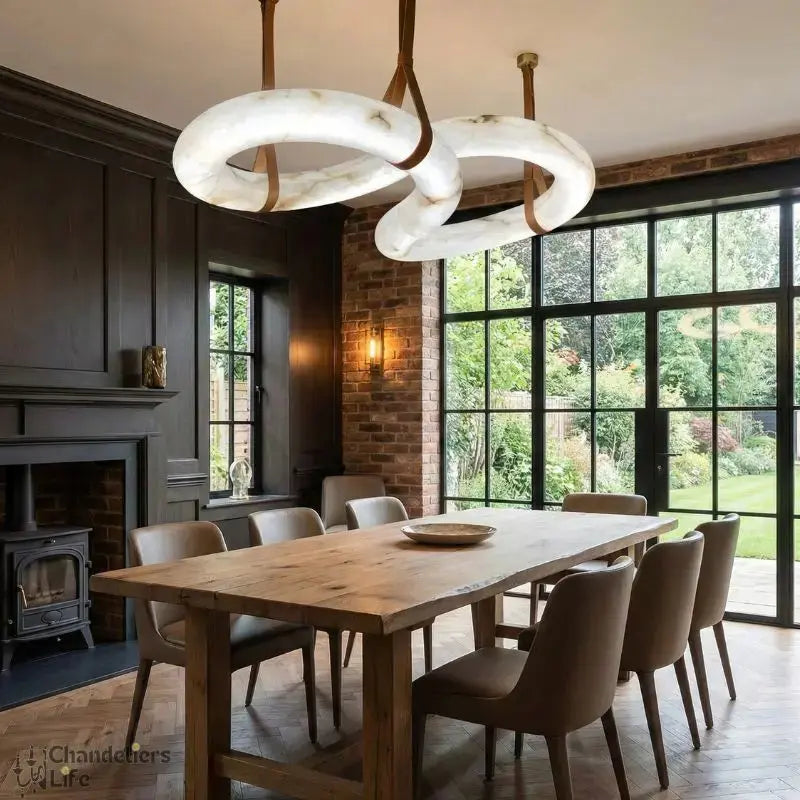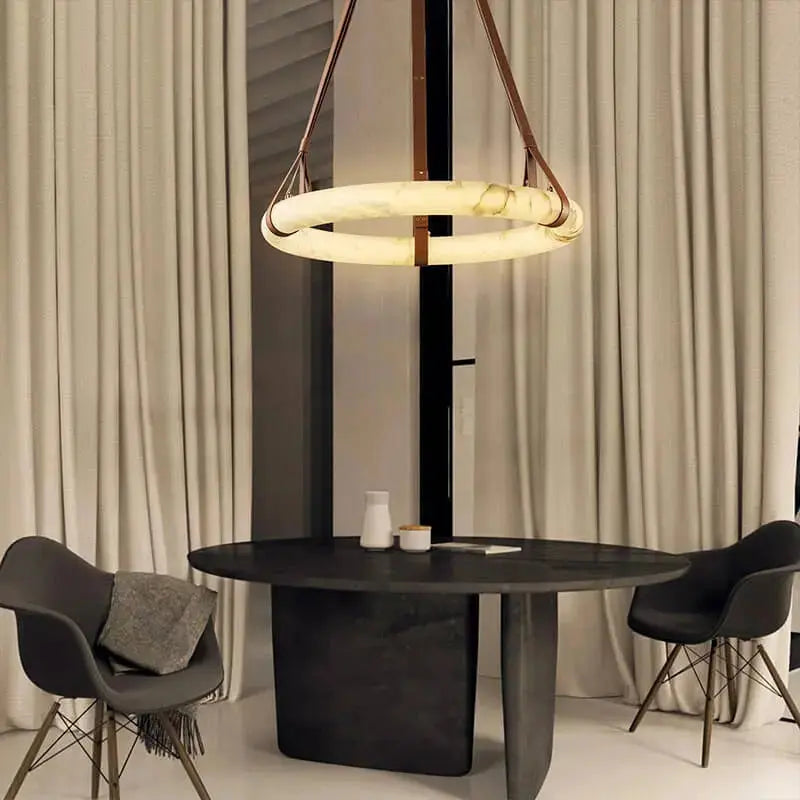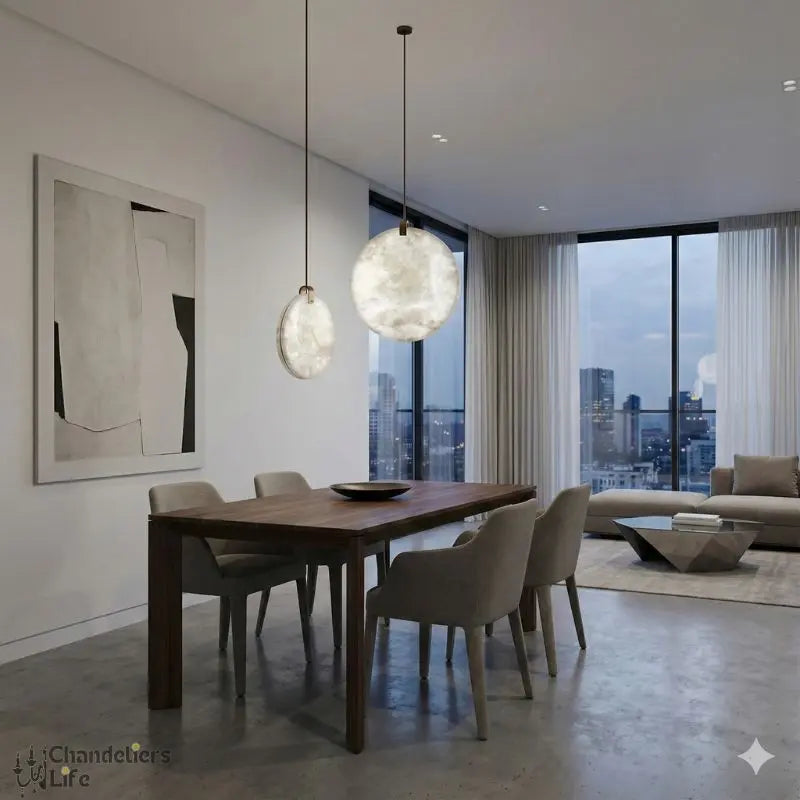

Thinking about your next hotel project? The world of hospitality design is always changing, and staying on top of new ideas is key to making a space that guests will love. For 2026, we're seeing a lot of focus on creating environments that feel both luxurious and practical. It's all about blending comfort, style, and smart features to make a real impression. Let's look at some fresh modern hotel design ideas that are shaping the industry.
Key Takeaways
- Minimalist luxury is in, focusing on clean lines and high-quality materials for a sophisticated feel.
- Natural elements like wood and plants are being integrated to create calming, inviting spaces.
- Tactile experiences are important, with textured fabrics and brushed metals adding depth and warmth.
- Technology is subtly woven into the design, offering convenience without being obtrusive.
- Sustainability and durability are guiding material choices, ensuring designs are both eco-friendly and long-lasting.
1. Minimalist Luxury
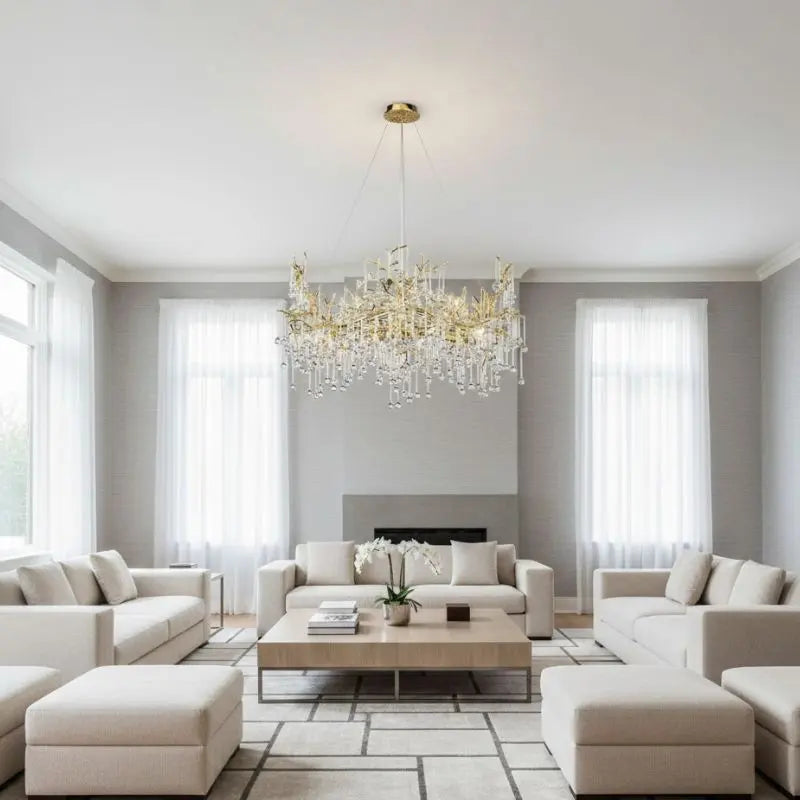
Forget stark, cold spaces. Minimalist luxury in 2026 is all about creating a serene environment that feels both high-end and incredibly welcoming. Think clean lines and uncluttered surfaces, but with a warm, inviting touch. Designers are leaning into soft, neutral color palettes – think creamy whites, warm grays, and gentle taupes. These colors make rooms feel bigger and more peaceful.
The real magic happens with the materials. Instead of flashy finishes, we're seeing a focus on natural textures that add depth and a sense of calm. Imagine smooth, light-toned woods like oak or ash paired with fabrics that have a subtle weave, like linen or a soft boucle. It’s about creating a tactile experience that guests can feel, even before they sit down.
This approach isn't about emptiness; it's about intentionality. Every element is chosen for its form, function, and how it contributes to the overall feeling of relaxed sophistication. It’s a style that feels personal and grounded, moving away from anything that feels mass-produced or overly trendy.
Here’s what defines this look:
- Calm Color Schemes: Soft neutrals form the base, creating a tranquil atmosphere.
- Natural Materials: Light woods and textured fabrics add warmth and depth.
- Clean Lines: Uncluttered spaces promote a sense of order and peace.
- Quality Over Quantity: A focus on well-crafted pieces that stand the test of time.
This trend is about creating spaces that feel like a breath of fresh air. It’s a sophisticated simplicity that prioritizes guest comfort and a sense of quiet indulgence, proving that less can truly be more when done right.
2. Natural Woods
Forget those dark, heavy woods of the past. For 2026, we're seeing a big shift towards lighter, more natural wood tones. Think about the soft, inviting look of ash, maple, or light oak. These woods bring a sense of calm and openness to a space, making rooms feel bigger and brighter. They're super versatile too, pairing well with almost any color scheme you can dream up. The subtle grain patterns add a touch of visual interest without being too loud, giving the design a grounded, organic feel.
The beauty of natural wood lies in its ability to connect us to the outdoors, even when we're inside. It adds warmth and a tactile quality that synthetic materials just can't replicate. Plus, when sourced responsibly, it aligns perfectly with the growing demand for sustainable design choices.
Here's why natural woods are a top pick:
- Versatility: They complement a wide range of decor styles, from minimalist to bohemian.
- Warmth: They create a cozy and welcoming atmosphere for guests.
- Sustainability: Opting for sustainably harvested or reclaimed wood is an eco-conscious choice.
- Durability: Many wood types are naturally strong and can withstand heavy use.
When selecting wood finishes, consider the overall mood you want to create. Lighter woods tend to feel more airy and modern, while slightly warmer tones can add a touch of rustic charm. It's all about finding that perfect balance for your hotel's unique identity.
3. Brushed Metals
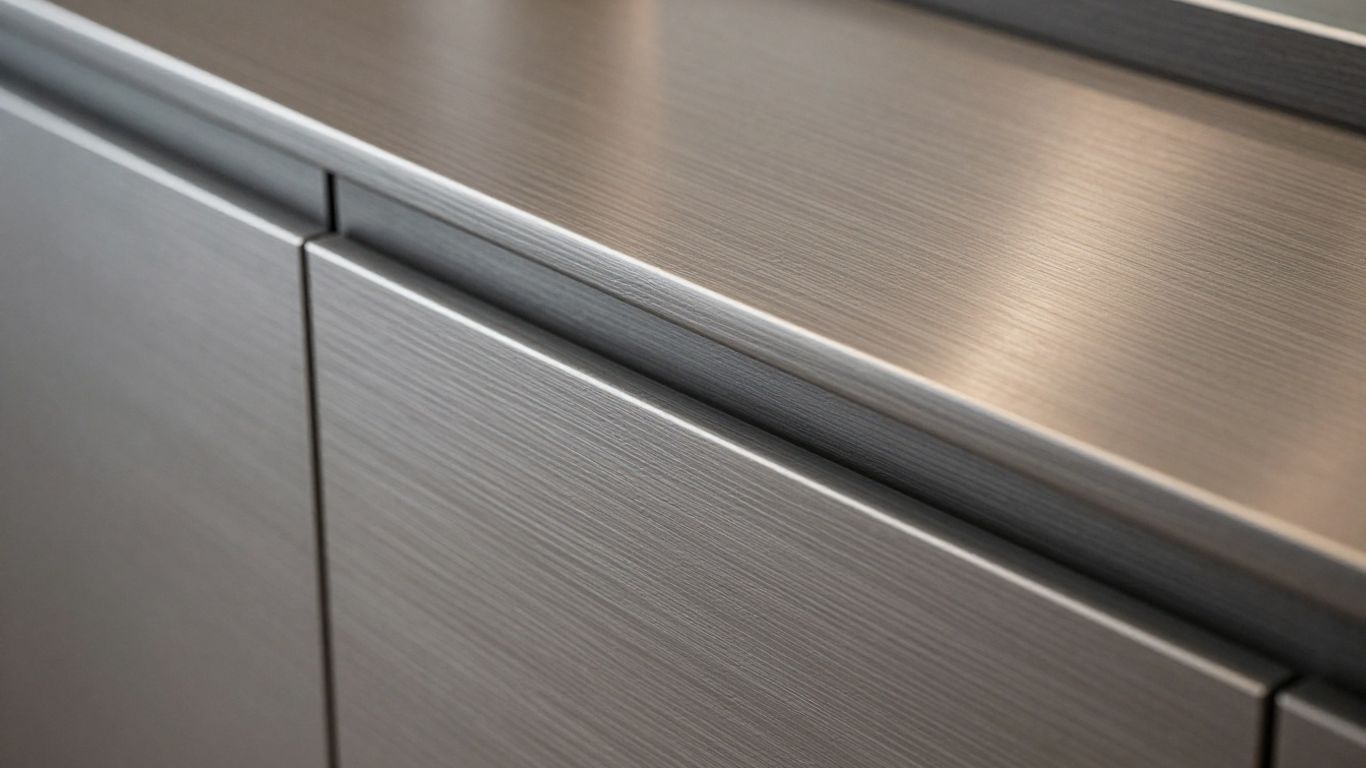
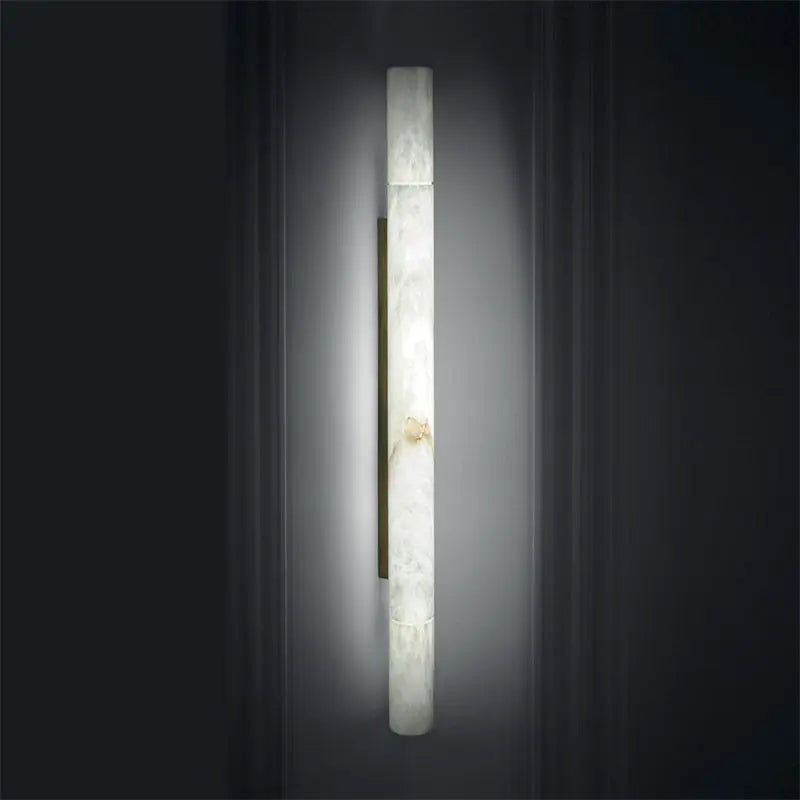
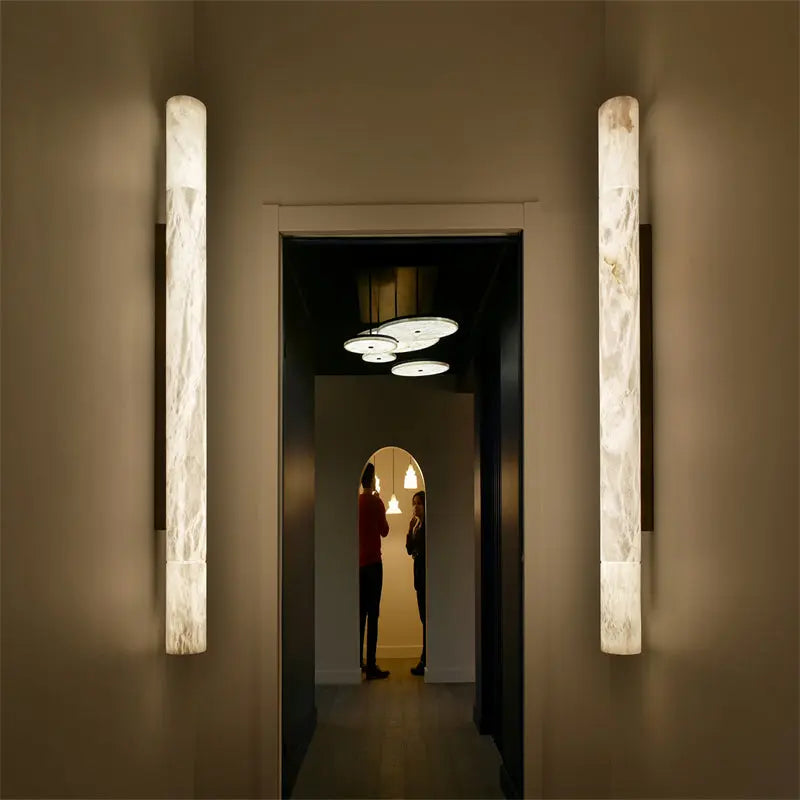
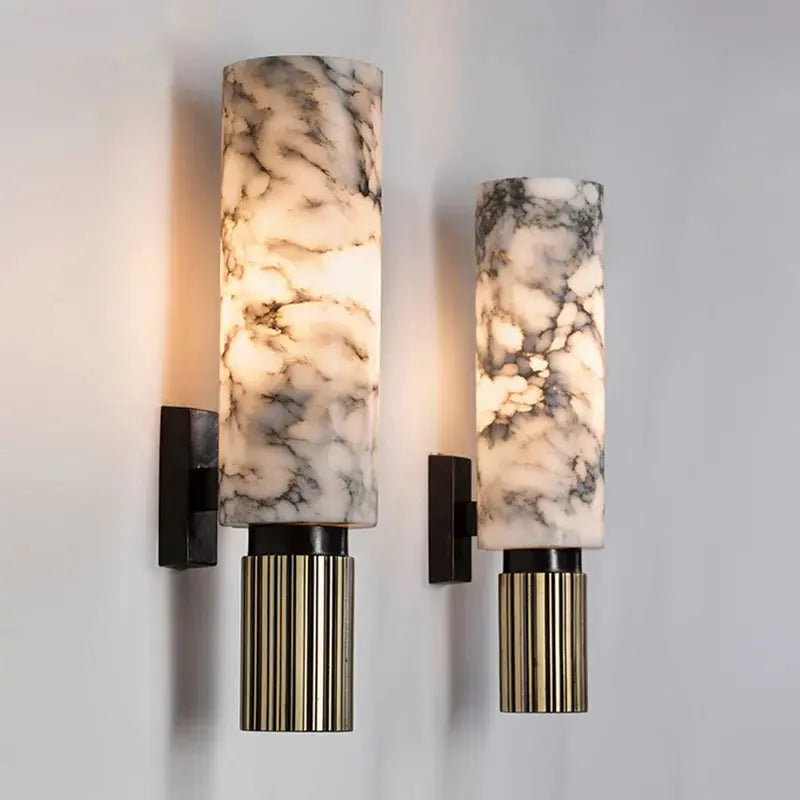
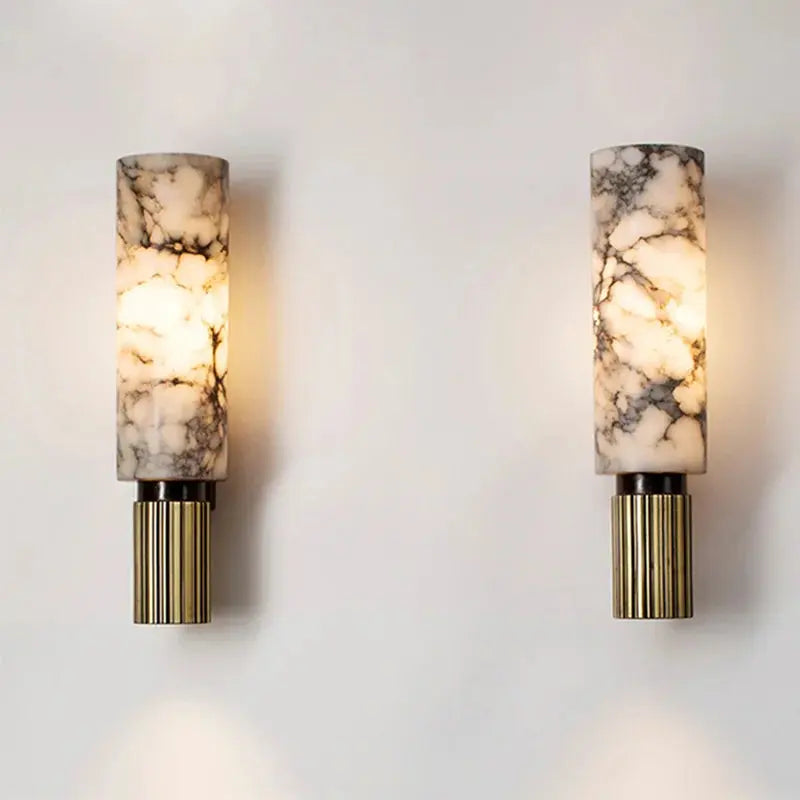
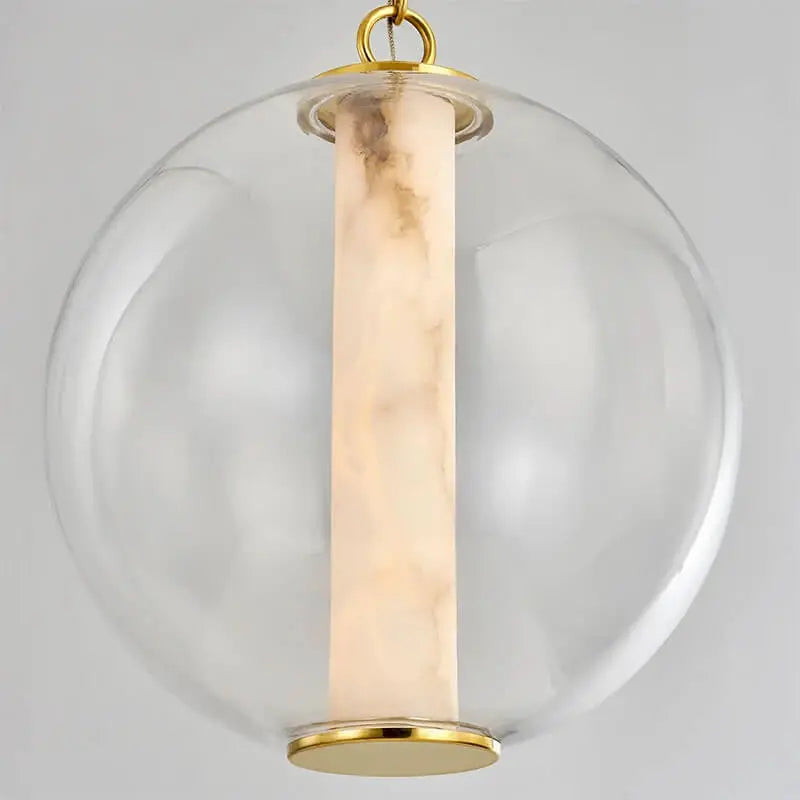
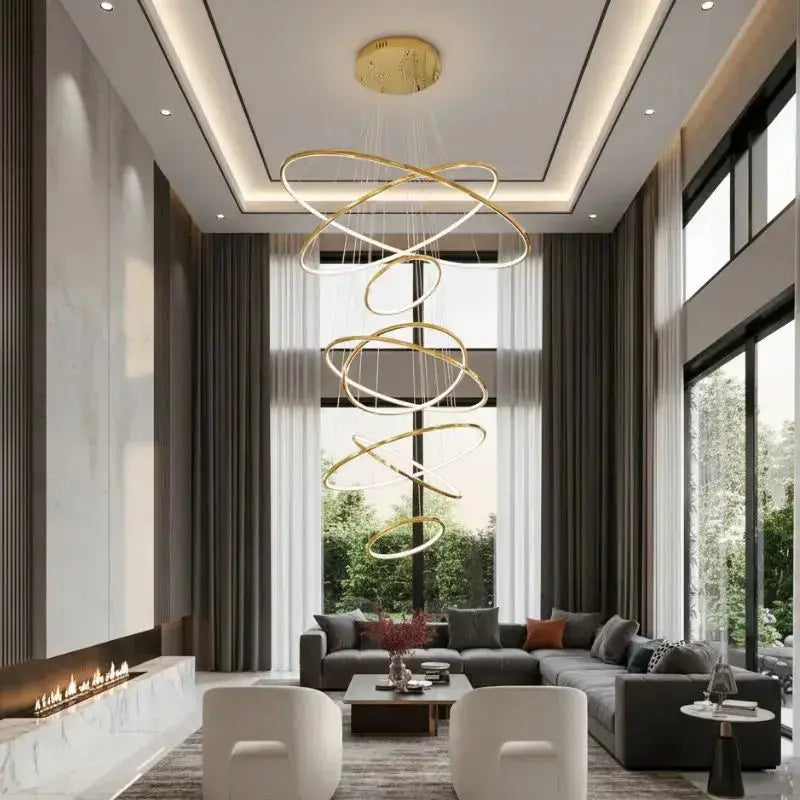
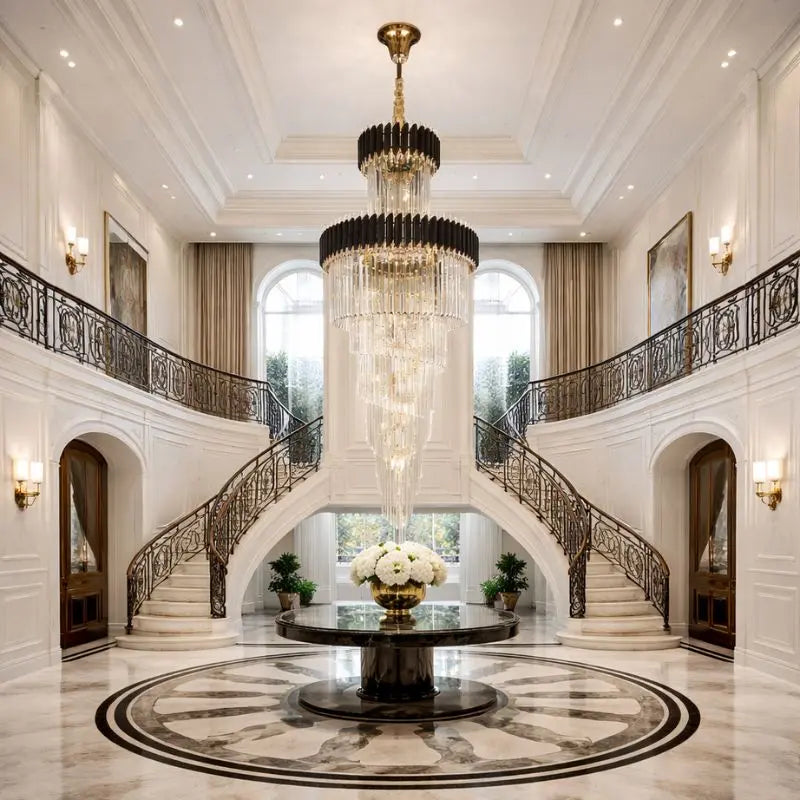
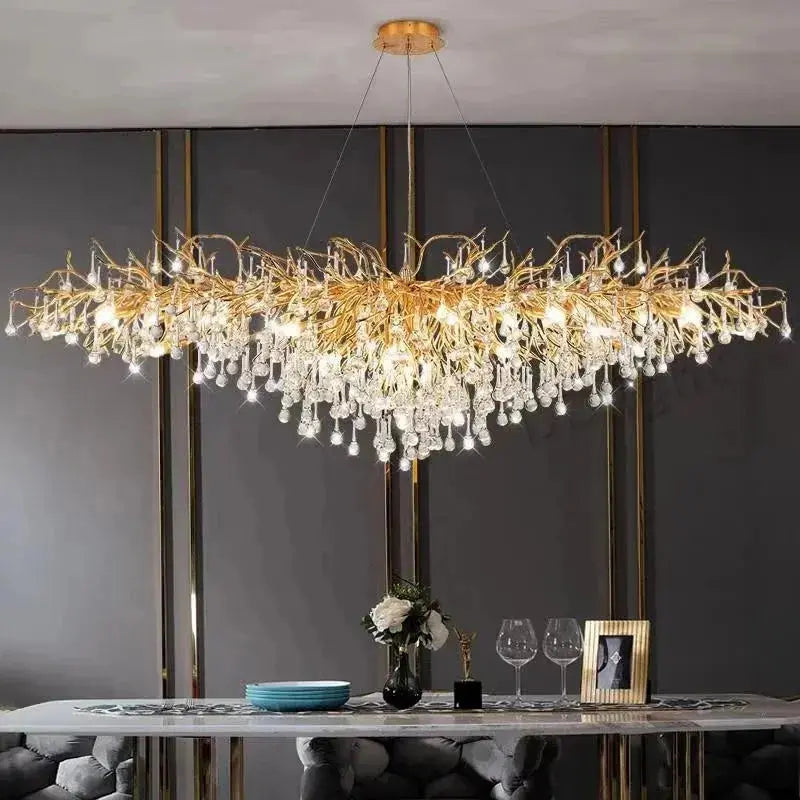
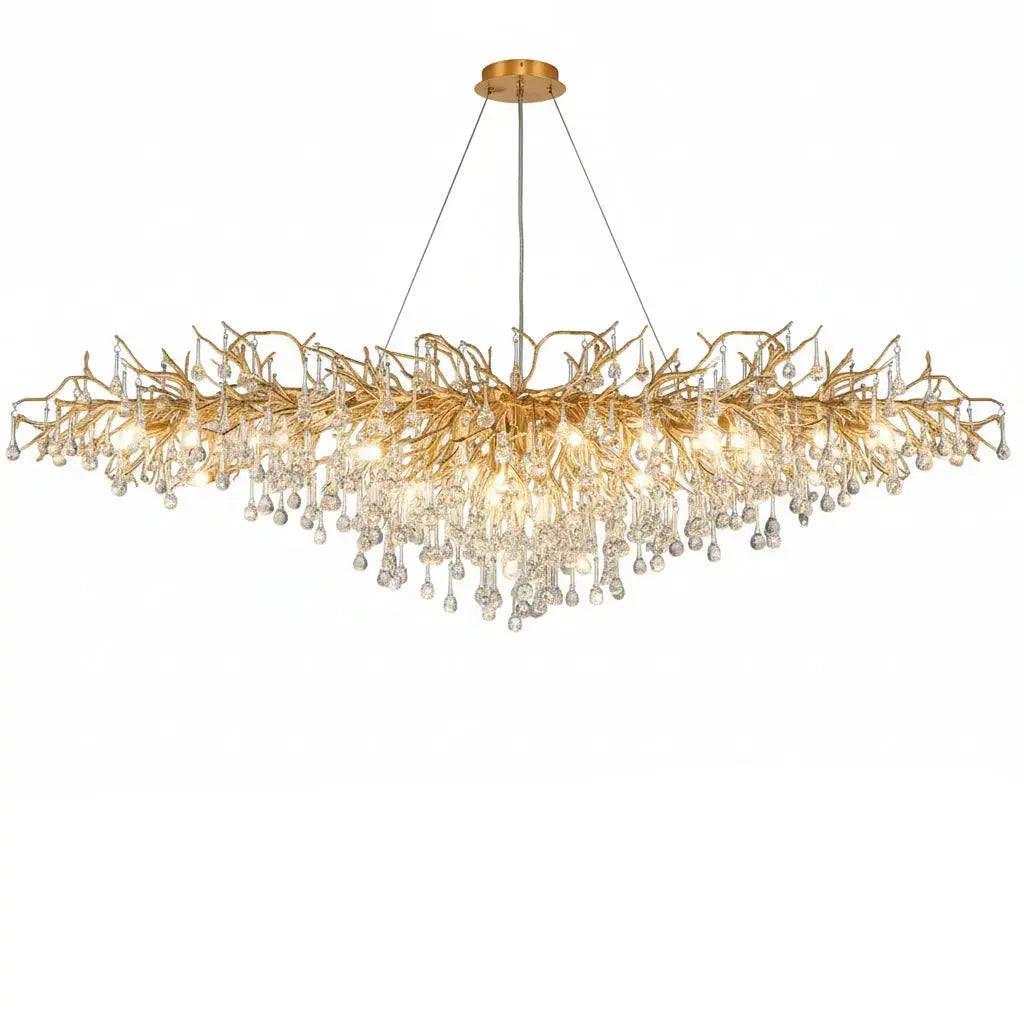
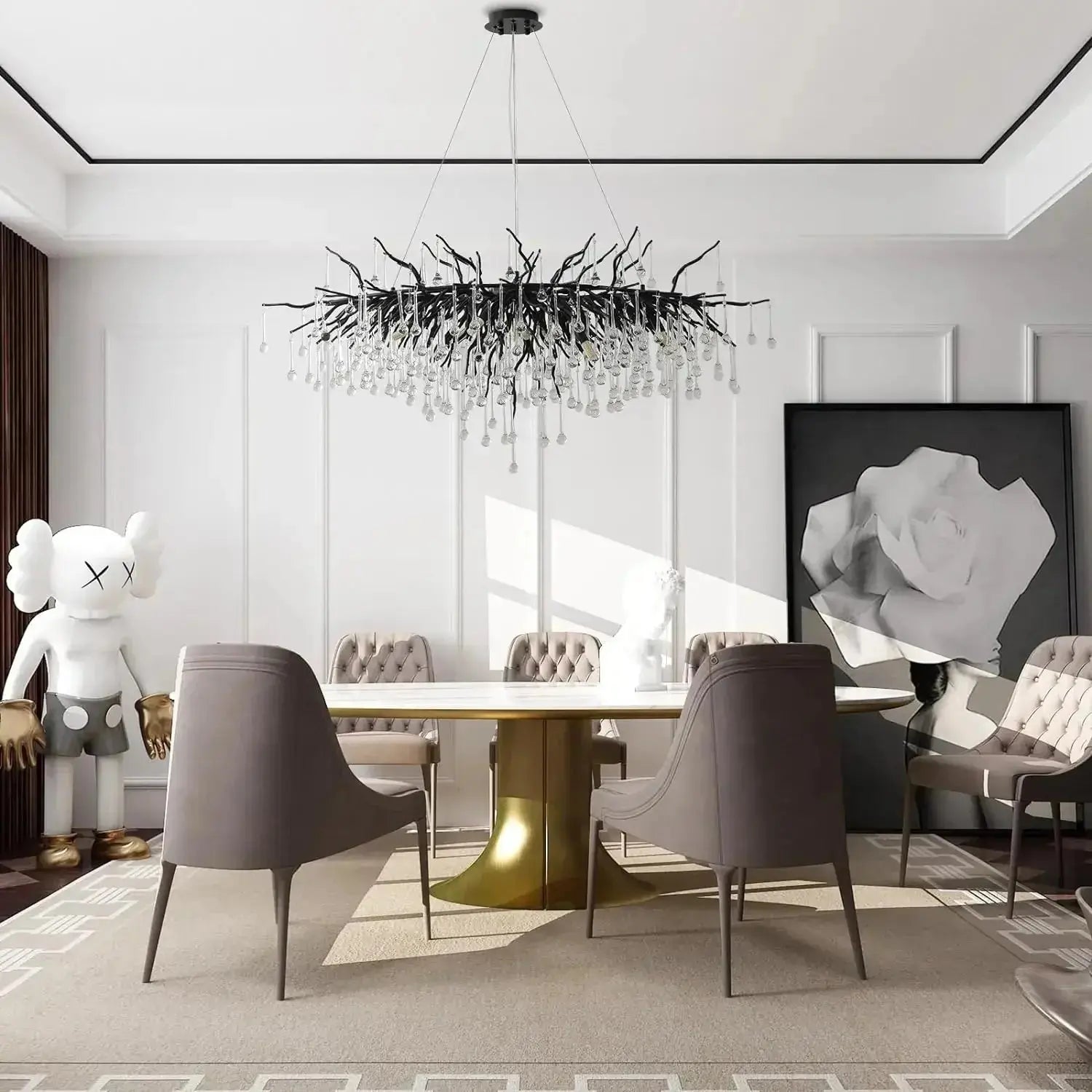
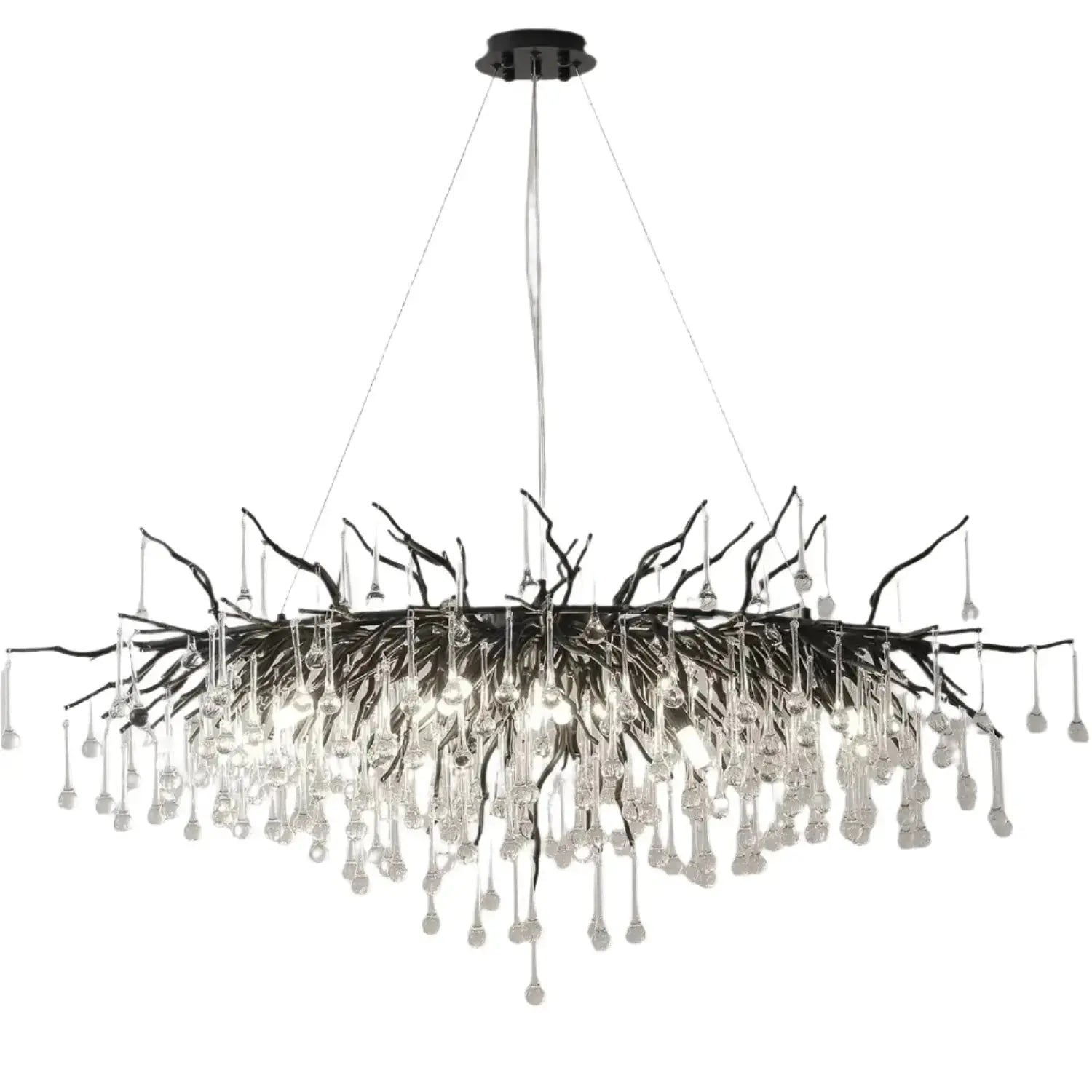
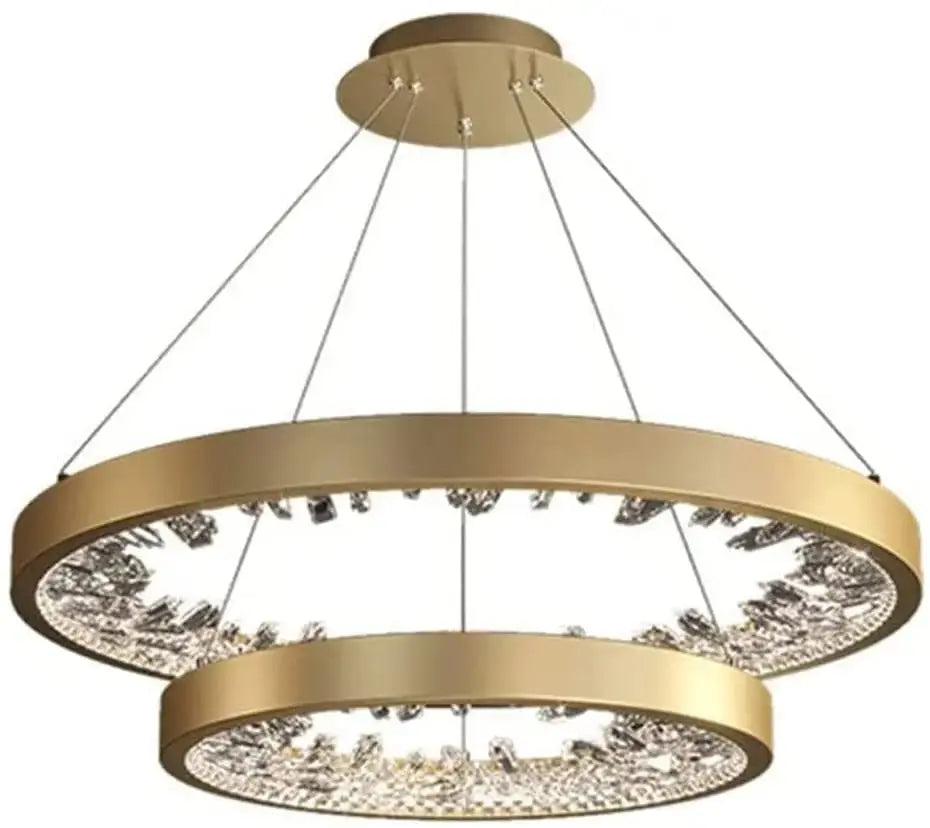
Forget about shiny, in-your-face chrome. For 2026, hotel design is leaning into metals with a softer, more subtle finish. Think brushed brass, blackened steel, or even a muted bronze. These materials add a touch of sophistication without being loud. They work really well to create a bit of contrast against softer elements, like textured fabrics or natural wood. It’s about adding structure and a bit of visual interest, but keeping the overall feel calm and collected.
Brushed metals are great because they don't show fingerprints as easily as polished surfaces, which is a big win for hotel maintenance. Plus, they have this way of looking both modern and a little bit classic at the same time. It’s a nice way to ground a space and give it a bit of an edge.
Here’s a quick look at how different brushed metals can change the vibe:
- Brushed Brass: Adds warmth and a touch of vintage luxury. Pairs well with deep blues and greens.
- Blackened Steel: Offers a modern, industrial feel. Looks sharp with lighter woods and neutral tones.
- Brushed Nickel/Stainless Steel: A versatile, clean option that fits almost anywhere. Great for a contemporary look.
- Muted Bronze: Brings an earthy, sophisticated feel. Works nicely with warmer color palettes.
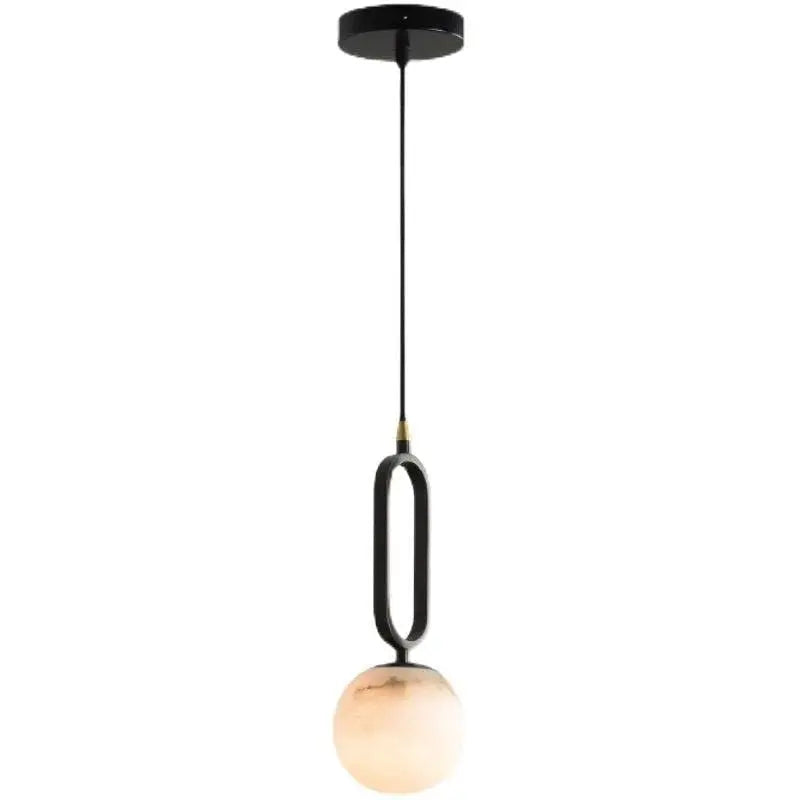
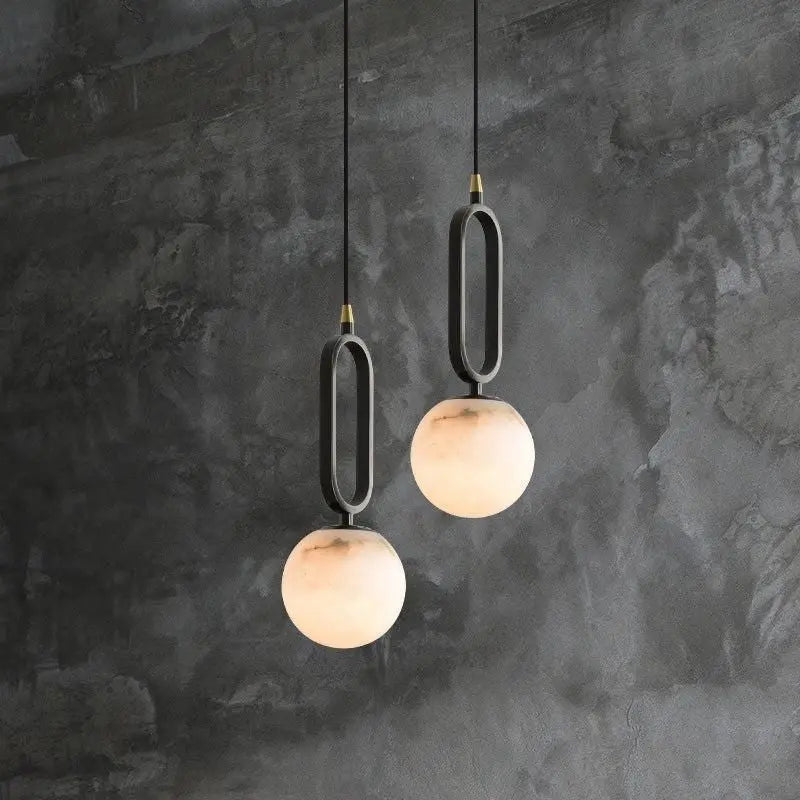
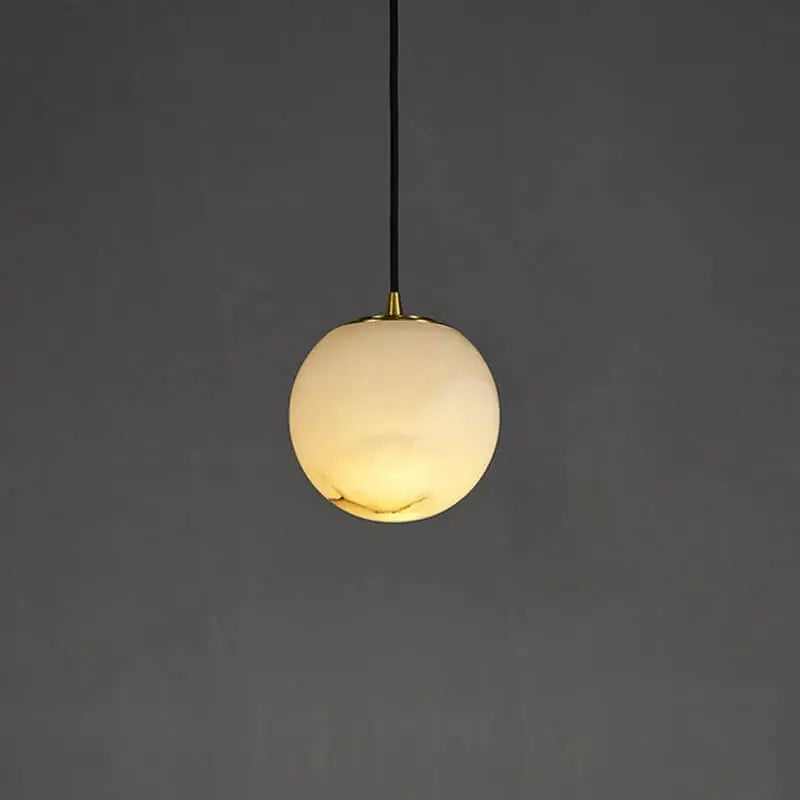
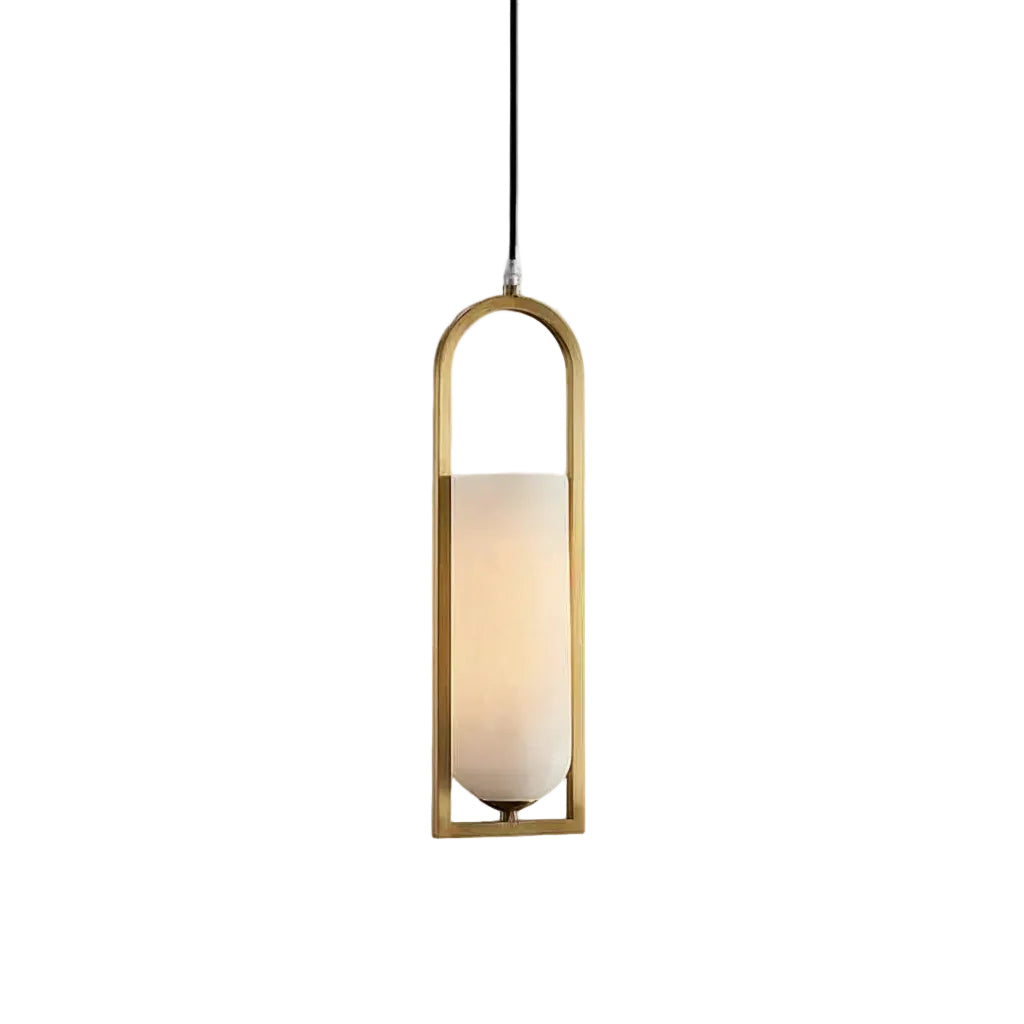
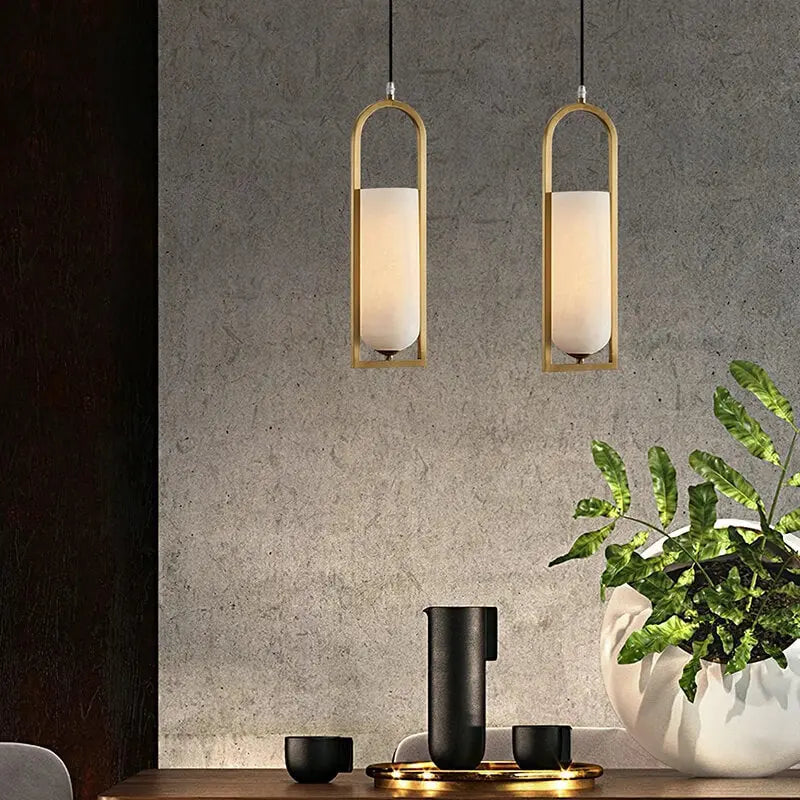
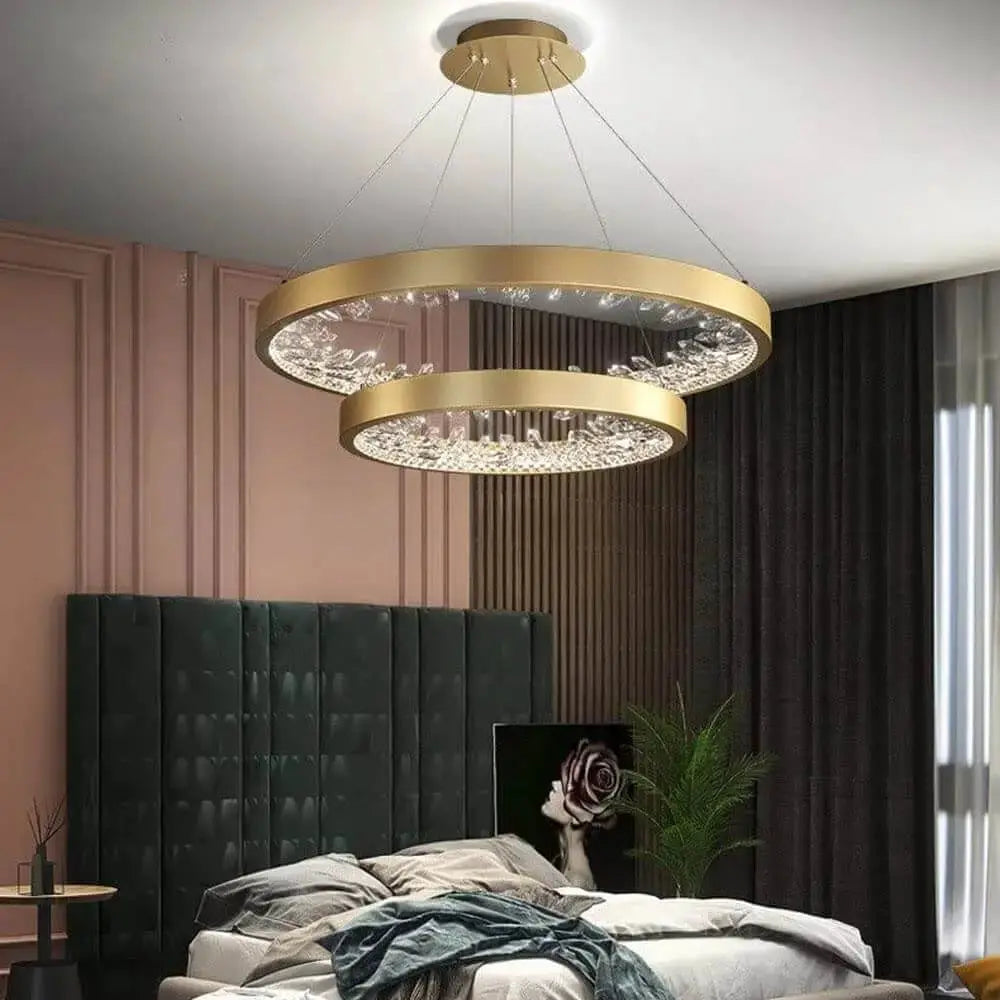
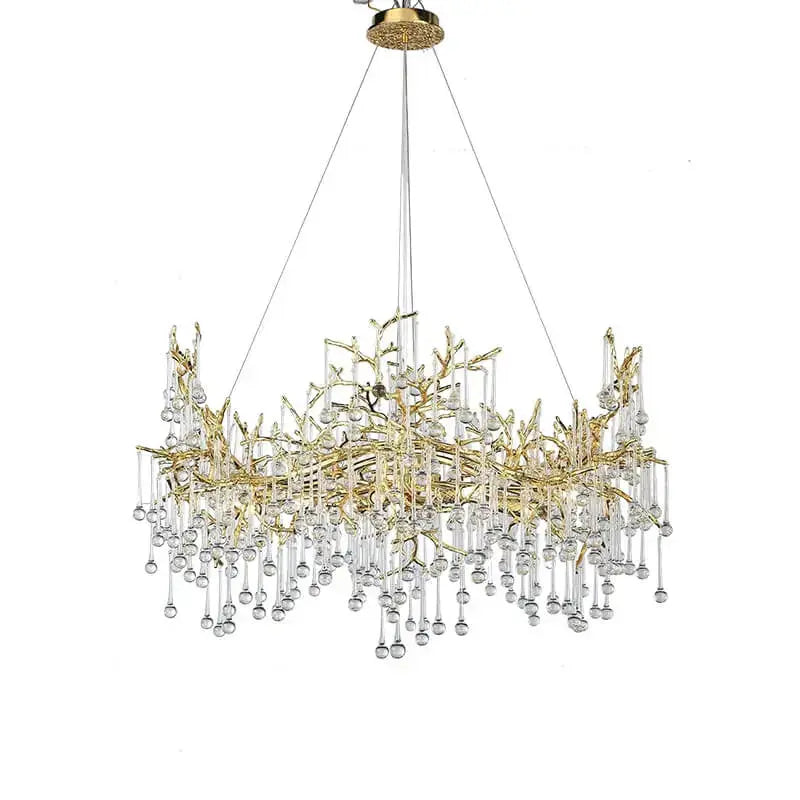
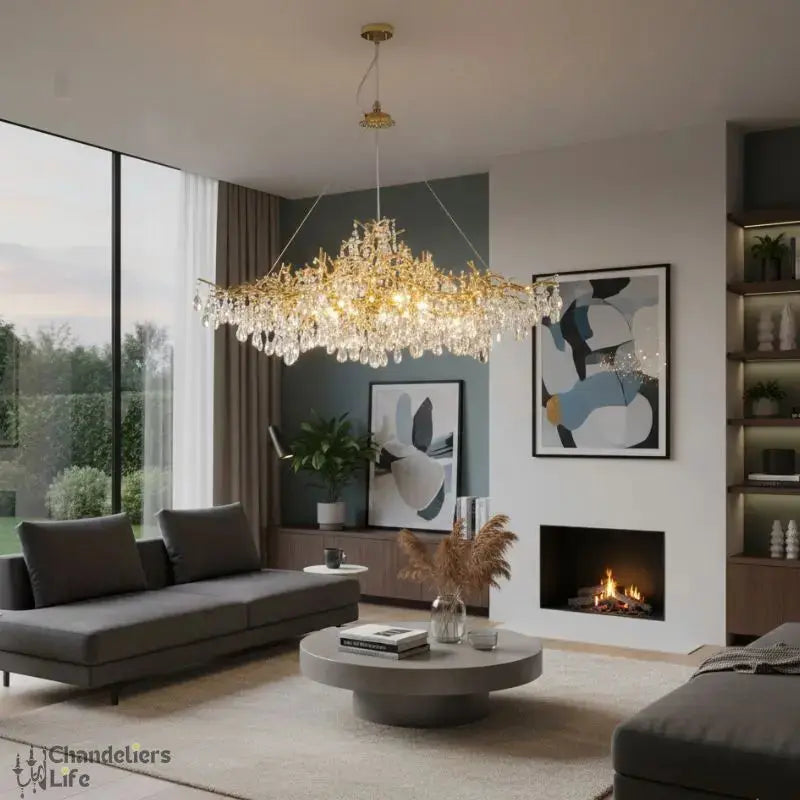
The key is to use these metals as accents. They can show up in light fixtures, hardware on furniture, decorative trim, or even as part of a statement piece. It’s about adding that little bit of polish that makes a room feel more complete and thoughtfully designed.
4. Textured Fabrics
Forget those stiff, uninviting hotel rooms of the past. In 2026, it's all about making guests feel cozy and at home, and textured fabrics are a huge part of that. Think about running your hand over a plush boucle armchair or sinking into a linen-upholstered headboard. These materials add a layer of comfort and a tactile experience that plain surfaces just can't match.
It's not just about softness, though. Designers are playing with different weaves and finishes to create visual interest. A subtle tweed on a sofa or a slubby linen on curtains can add depth and character without being loud. This approach makes the space feel more curated and less like a generic hotel.
Here's a look at some fabrics making a comeback:
- Boucle: This looped yarn fabric offers a unique, nubby texture that's both visually appealing and surprisingly durable. It brings a touch of retro-chic to modern spaces.
- Linen: With its natural slubs and breathability, linen provides an airy, relaxed feel. It's perfect for creating a calm, sophisticated atmosphere.
- Tweed: Known for its durability and subtle pattern, tweed adds a classic, grounded feel. It works well for upholstery and accent pieces.
- Velvet: For a touch of luxury, velvet is making a statement. Modern velvets are often more matte and less prone to crushing, offering a rich, soft touch.
The key is to mix and match these textures thoughtfully. Pairing a smooth, cool metal with a warm, textured fabric, for instance, creates a dynamic contrast that makes the room feel more layered and inviting. It’s about creating a sensory experience that guests will remember long after they’ve checked out.
5. Smart Beds
Forget just a place to sleep; beds in 2026 are becoming hubs of comfort and convenience. We're seeing a move towards beds that do more than just provide a good night's rest. Think integrated features that make life easier for guests and add a touch of modern luxury. These aren't just pieces of furniture; they're designed to be functional parts of the room's ecosystem.
What does 'smart' really mean for a hotel bed? It's about thoughtful design that anticipates guest needs. This can include:
- Adjustable bases: Allowing guests to find their perfect angle for reading or watching TV without needing a pile of extra pillows.
- Built-in charging stations: Seamlessly integrated USB ports and power outlets right where you need them, so your phone is always ready to go.
- Subtle, integrated lighting: Soft under-bed or headboard lighting that's easy to control, perfect for late-night reading or navigating the room without disturbing a partner.
- Hidden storage solutions: Clever compartments built into the bed frame can help keep the room tidy, especially in smaller spaces.
The focus is on making technology feel invisible. It should just work, making the guest's stay more comfortable and less complicated. When the tech is part of the design, it adds to the overall sense of calm and ease in the room, rather than feeling like an afterthought.
We're also seeing a trend towards beds that are easier to manage. This means looking at the mechanics behind adjustable frames and even things like headboards. Smooth, quiet operation is key. It’s the little details, like how easily a section moves or how stable it feels, that really make a difference in how guests perceive the quality and comfort of their stay. It’s about creating an experience that feels effortless from the moment they settle in.
6. Biophilic Design
Bringing the outdoors in is a big deal for hotels these days. It’s all about making guests feel more connected to nature, even when they’re inside. Think lots of natural light, plants everywhere, and materials like wood and stone.
This isn't just about making things look pretty, though. Studies show that being around nature, or even just seeing it, can really help people relax and feel less stressed. For hotels, this means creating spaces that feel more calming and restorative for guests. It’s a way to offer a bit of a sanctuary from the hustle and bustle.
Here are some ways hotels are doing this:
- Adding live plants and green walls: This is probably the most obvious one. Actual plants bring life and color into a space.
- Using natural materials: Think wooden furniture, stone accents, and even natural fiber textiles.
- Maximizing natural light: Big windows that let in sunlight make a space feel more open and airy.
- Incorporating water features: A small indoor fountain or a view of a water element can be very soothing.
- Using nature-inspired patterns and colors: Even abstract designs that mimic natural shapes or use earthy tones can contribute.
The goal is to create an environment that feels healthy and peaceful, tapping into our innate need for connection with the natural world. It's about designing spaces that support well-being and offer a sense of calm.
It’s a trend that really fits well with the growing focus on wellness and sustainability in travel. People are looking for experiences that make them feel good, and biophilic design definitely delivers on that.
7. Green Walls
Bringing the outdoors in is a big deal for hotels right now, and green walls are a super cool way to do it. Think of a whole wall covered in living plants – it’s not just pretty, it actually makes the air feel fresher and can even help people relax. Hotels are using these living walls in lobbies, restaurants, and even hallways.
These vertical gardens add a vibrant splash of nature that guests really notice. They create a calming atmosphere, making the whole hotel feel more like a peaceful escape. Plus, they’re a clear sign that the hotel cares about sustainability and guest well-being.
Here’s why they’re becoming so popular:
- Improved Air Quality: Plants naturally filter the air, removing pollutants and releasing oxygen. This is a big win for indoor environments.
- Aesthetic Appeal: A lush green wall is a stunning visual feature that can become a hotel’s signature look.
- Stress Reduction: Studies show that being around plants can lower stress levels and improve mood, which is exactly what many travelers are looking for.
- Biophilic Connection: They help connect people with nature, even when they’re inside a building, which is a key part of biophilic design.
While a full-on living wall might seem like a lot, even incorporating smaller plant features or using plant-inspired patterns can bring some of these benefits. It’s all about creating a more natural and refreshing environment for guests.
Maintenance is something to consider, of course. Hotels usually have systems in place to keep these walls healthy, like automated irrigation and lighting. It’s a bit of an investment, but the impact on the guest experience and the hotel’s image is pretty significant.
8. Modular Furniture
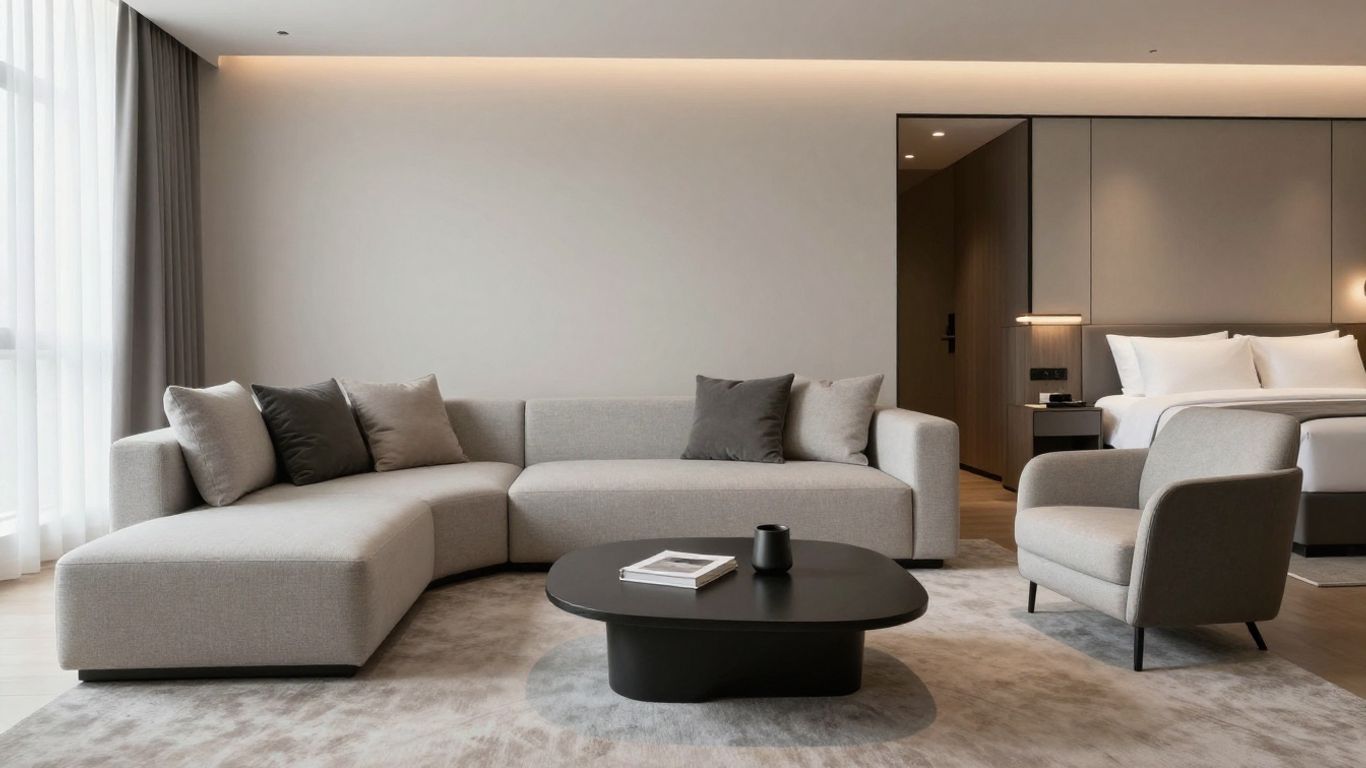
Hotels are really starting to think about how spaces can be used in more than one way. This is where modular furniture comes in. It’s all about pieces that can be moved around, reconfigured, or even transformed to fit different needs throughout the day or for different events. Think about a lobby that's a co-working space in the morning and a lounge in the evening. Modular furniture makes that kind of flexibility possible without a complete overhaul.
This approach is super practical for hotels because it means they can adapt spaces quickly. Meeting rooms can be resized with movable walls and furniture that's easy to rearrange. Even guest rooms are getting in on the action, with designs that can be slightly adjusted by guests or quickly changed by staff. It’s a smart way to get more out of the available square footage.
The real win with modular furniture is its adaptability and potential for space optimization.
Here are some ways modular furniture is showing up:
- Flexible Lobbies: Furniture arrangements that can shift from a work-friendly setup to a social gathering spot.
- Adaptable Meeting Spaces: Using movable partitions and furniture that can be reset fast for various event types.
- Customizable Guest Rooms: Pieces that can be adjusted or combined to suit individual guest preferences or needs.
- Pop-Up Zones: Creating areas that can easily host temporary retail, art, or food concepts.
This trend is a big part of making hotel environments feel more guest-focused and dynamic. It’s about creating spaces that aren't just static but can actively respond to changing demands and user needs, making the hotel feel more current and useful.
9. Antimicrobial Surfaces
In today's world, keeping things clean is more important than ever, and that definitely includes hotels. We're seeing a big push towards using materials that naturally fight off germs and bacteria. Think about it – surfaces in hotel rooms and common areas get touched by so many people. Using antimicrobial materials isn't just about appearances; it's about creating a healthier environment for everyone.
These surfaces are designed to inhibit the growth of microbes. They're not magic, but they do add an extra layer of protection. You'll find them in places like:
- Bathroom countertops and fixtures
- Door handles and light switches
- High-touch areas in lobbies and restaurants
- Even some fabrics and furniture finishes
The goal is to make guests feel more comfortable and secure during their stay. It's a smart move that blends practicality with peace of mind. Plus, many of these materials are also durable and easy to clean, which is a win-win for hotel management too.
While the focus is on health, these materials don't have to look sterile. Many antimicrobial options come in a variety of finishes and colors that can easily fit into modern, stylish hotel designs, from sleek quartz to warm wood-look laminates.
10. Smart Glass Windows
Forget clunky blinds and heavy curtains. Smart glass is stepping into the spotlight for hotel design in 2026, offering a sleek, modern way to control light and privacy. This isn't just about aesthetics; it's about creating a more comfortable and responsive environment for guests. Think of glass that can instantly switch from clear to opaque with the touch of a button or even adjust its tint automatically based on the sun's intensity.
This technology brings a whole new level of control to guest rooms and public spaces. It helps manage glare, which can be a real nuisance, especially in rooms with great views. Plus, by reducing direct sunlight, it can actually help lower cooling costs for the hotel, which is a nice bonus for sustainability. It's a win-win: happier guests and a more efficient building.
Here's a quick look at how smart glass is changing the game:
- Instant Privacy: Guests can get the privacy they want without fumbling with controls. A simple switch or app command does the trick.
- Glare Reduction: Say goodbye to squinting at screens or being blinded by the morning sun. The glass can tint to a comfortable level.
- Energy Savings: By controlling solar heat gain, smart glass contributes to a more energy-efficient building, reducing the need for excessive air conditioning.
- Modern Aesthetic: It offers a clean, minimalist look, free from the visual clutter of traditional window treatments.
The beauty of smart glass lies in its adaptability. It can be integrated into everything from full-height windows in guest rooms to partitions in meeting spaces or even shower enclosures. This flexibility allows designers to create dynamic environments that can shift throughout the day to suit different needs and moods. It’s a subtle yet powerful upgrade that speaks to a hotel’s commitment to innovation and guest comfort.
Wrapping It Up
So, as we look ahead to 2026, it's clear that hotel design is really about creating spaces that feel good and work well. We're seeing a move towards more natural elements, flexible areas that can be used in different ways, and smart tech that just makes things easier without being in your face. It’s not just about making a place look pretty anymore; it’s about how it feels to be there, how it lasts, and how it connects with the world around it. Whether you're building new or updating, keeping these ideas in mind will help make your next project a real hit with guests.
Frequently Asked Questions
What is the main idea behind modern hotel design for 2026?
Hotels in 2026 are all about making guests feel super comfy and relaxed. Designers are using cool materials, natural touches, and smart tech to create spaces that feel both fancy and welcoming. It's like making a hotel room feel like a calm, stylish escape.
Why are natural woods and plants becoming popular in hotels?
Bringing nature inside, like using wood and plants, helps people feel more relaxed and less stressed. It makes the hotel feel more like a peaceful getaway, even if it's in a busy city. Think of it as a mini-vacation for your senses!
What does 'minimalist luxury' mean for hotel rooms?
Minimalist luxury means having just the essentials, but making them really high-quality and beautiful. It's about clean lines, simple decorations, and feeling fancy without being cluttered. Imagine a room that's super neat but still feels really special and high-end.
How is technology being used in hotel rooms now?
Technology is being used to make things easier and more comfortable. This can include things like smart beds that adjust to you, lights you can control easily, or even windows that can tint themselves. The goal is to make your stay smooth and effortless.
What are 'antimicrobial surfaces' and why are they important?
Antimicrobial surfaces are materials that help stop germs from growing on them. After the pandemic, hotels are using these more to help keep guests healthy and make them feel safer. It's like a built-in cleaning system for surfaces.
What is 'biophilic design'?
Biophilic design is all about connecting the hotel space with nature. This means using lots of natural light, plants, wood, and stone. It's like bringing the outdoors inside to make the whole place feel more calming and good for your well-being.