
The way we design homes is changing, and a big part of that is working from our own spaces. It's not just a trend anymore; it's becoming a standard way of doing business for interior designers. This shift means we can connect with clients and projects from pretty much anywhere, which is pretty wild when you think about it. This guide is all about helping you figure out how to make interior design online work for you, from setting up your space to finding clients and actually doing the work. Let's get you set up for success in the world of remote design.
Key Takeaways
- Working remotely in interior design opens up more chances to work from anywhere, offering a more flexible career path.
- Having the right digital tools, like project management and communication software, is super important for smooth interior design online work.
- Setting up a dedicated, organized, and comfortable home office space really helps with focus and productivity.
- Clear communication and good collaboration skills are vital when working with clients and teams online.
- Building your online presence through a portfolio and social media is key to finding and attracting new clients for your interior design online work.
Embracing the Remote Interior Design Landscape
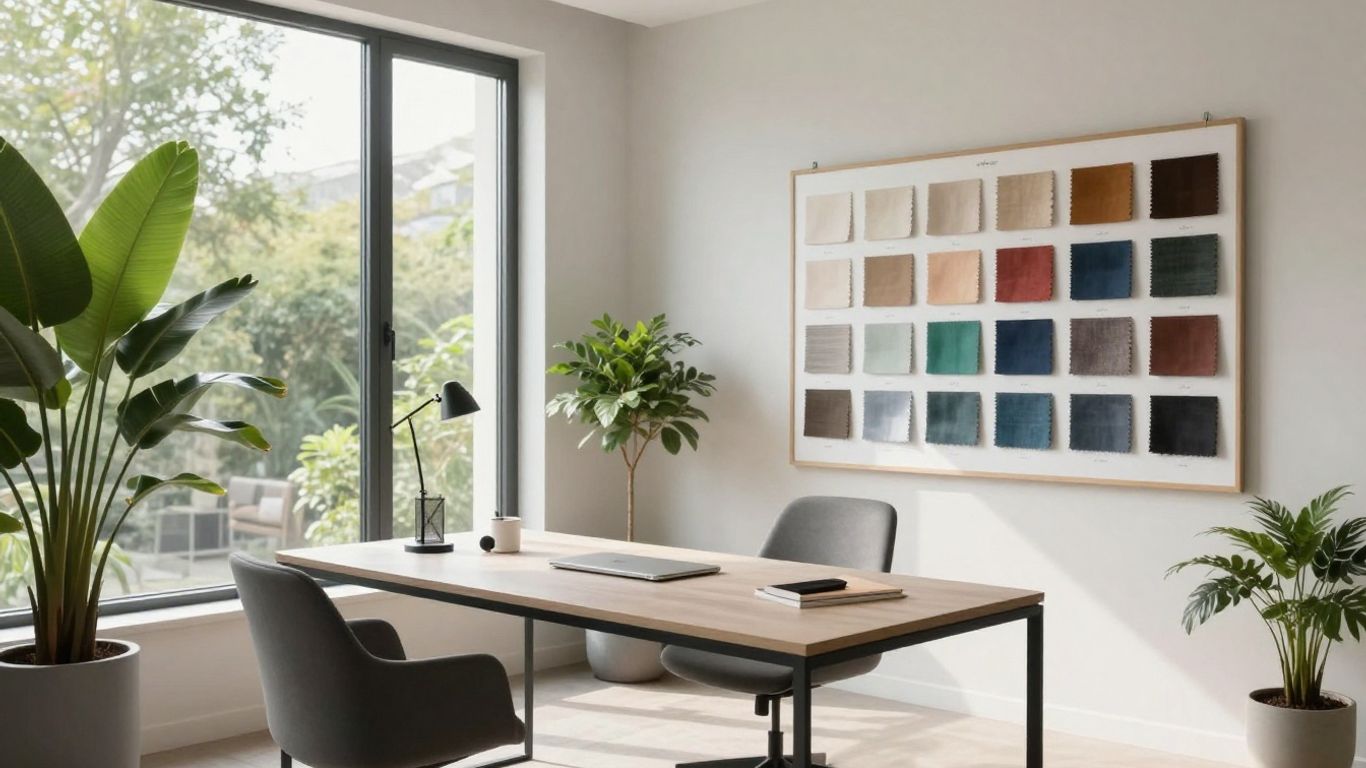
The way we design homes is changing, and a big part of that is working from our own spaces. It's not just a trend anymore; it's becoming a standard way of doing business for interior designers. This shift means we can connect with clients and projects from pretty much anywhere, which is pretty wild when you think about it.
Understanding the Rise of Remote Work
Remember when working from home felt like a special perk? Well, that's mostly gone now. The pandemic really kicked things into high gear, and companies realized that a lot of jobs, especially design work, don't actually need you to be in a specific office building. For interior designers, this means you can take on clients across the country, or even across the globe, without ever leaving your home office. It's opened up a whole new world of possibilities, letting us work with people we might never have met otherwise. Plus, no more stressful commutes or fighting for parking spots – that's a win in my book.
Benefits of a Flexible Design Career
One of the biggest draws of remote interior design is the flexibility it offers. You get to set your own hours, which is fantastic for balancing work with, you know, life. Maybe you're a morning person who likes to get a head start, or perhaps you prefer to work later in the day. Remote work lets you design your schedule around your personal needs and peak productivity times. This freedom can lead to a better work-life balance, reducing stress and burnout. It also means you can create a workspace that truly inspires you, whether that's a minimalist setup or a cozy nook filled with plants and art. You're not tied to a corporate office's aesthetic anymore; your workspace is your own.
Navigating the Digital Design Environment
Working in interior design from your own place is totally doable these days. With the internet, you can connect with clients and create amazing spaces without ever leaving your home office. This guide is all about helping you figure out how to make online interior design work for you, from setting up your space to finding clients and actually doing the work. Let's get you set up for success in the world of remote design.
The shift to remote work means more chances for interior designers to work from anywhere, offering a more flexible career path.
Here's what you need to keep in mind:
- Digital Tools are Key: Having the right software for project management and communication is super important for smooth online work.
- Home Office Setup Matters: Setting up a dedicated, organized, and comfortable home office space really helps with focus and productivity.
- Communication is Paramount: Clear communication and good collaboration skills are vital when working with clients and teams online.
- Online Presence is Your Shopfront: Building your online presence through a portfolio and social media is key to finding and attracting new clients for your online interior design work.
Essential Tools for Online Interior Design Work
Working from home as an interior designer means you need the right gear to keep things running smoothly. It’s not just about having a nice computer; it’s about having software that helps you manage projects, talk to clients, and actually create designs. Having the right digital tools is super important for smooth online interior design work.
Project Management Software for Seamless Workflow
Keeping track of all your projects, deadlines, and client feedback can get messy fast. That's where project management software comes in. Think of it as your digital command center. You can list out all your tasks, assign them if you have a team, and set due dates so nothing slips through the cracks. It helps you see the big picture and makes sure you're on track. Using a system like this means fewer missed details and less stress about forgetting something important. It’s like having a super-organized assistant.
- Task Tracking: Break down big projects into smaller, manageable steps.
- Deadline Management: Set clear due dates and get reminders.
- Client Communication Log: Keep notes on client discussions and approvals all in one place.
- Team Collaboration: If you work with others, assign tasks and see who's doing what.
Communication Platforms for Remote Teams
Talking to clients when you're not in the same room requires good tools. You need ways to chat quickly, share files, and have proper meetings. Platforms that let you create different chat groups for each project are really helpful. You can share mood boards, fabric samples, or floor plans easily. These platforms bridge the physical distance and keep your projects moving forward.
- Instant Messaging: For quick questions and updates.
- File Sharing: Easily send and receive design documents, images, and inspiration.
- Group Channels: Keep conversations organized by project or client.
Proficiency in Design Software
This is where the magic happens. You need software that lets you create detailed designs, 3D models, and realistic renderings. Many programs now allow for real-time collaboration, meaning you and your client or team can look at the same design at the same time and make notes or changes. Being proficient with these digital tools isn't just about convenience; it's about professionalism. It shows clients you're equipped to handle projects efficiently in a modern setting. It means being able to share ideas, get feedback, and make revisions without missing a beat, all through your screen. Check out some of the exciting online interior design job opportunities for 2026.
- 2D/3D Modeling: Create accurate floor plans and visualize spaces.
- Rendering Software: Generate realistic images of your design concepts.
- Collaboration Features: Work with others on the same design file simultaneously.
Having the right software stack makes a huge difference in how efficiently and professionally you can operate as a remote interior designer. It helps bridge the physical distance and keeps your projects moving forward.
Mastering Communication and Collaboration Online
Working remotely as an interior designer means you're not just designing spaces, you're also designing how you connect with people. It’s about making sure everyone’s on the same page, even when you’re miles apart. Think of it like this: you wouldn't build a house without a solid blueprint and clear instructions, right? The same goes for remote design work. You need the right ways to talk and work together.
Effective Client Communication Strategies
Keeping clients in the loop is super important. It builds trust and makes sure the final design is what they actually want. You’ve got to be clear and consistent.
- Set Expectations Early: From the first chat, lay out how you’ll communicate, what updates they can expect, and when. This avoids surprises later.
- Regular Updates: Don't leave them hanging. Send weekly summaries, progress photos, or short video walkthroughs of your design concepts.
- Be Responsive: Aim to answer emails or messages within a business day. If you need more time, let them know.
- Use Visuals: Share mood boards, 3D renderings, and material samples digitally. Tools that let clients easily give feedback are a lifesaver.
Clear communication isn't just about sending messages; it's about making sure those messages are understood and acted upon. It's the glue that holds remote projects together.
Collaborating with Remote Teams
If you're working with other designers, contractors, or suppliers remotely, you need systems that keep everyone aligned. Project management tools are your best friend here. They help track tasks, deadlines, and responsibilities.
- Centralized Project Hub: Use a platform like Asana or Trello to manage all project tasks, assign them to team members, and set clear deadlines.
- Shared Document Storage: Keep all project files, notes, and revisions in one accessible place. Cloud storage services work well for this.
- Regular Check-ins: Schedule brief, regular meetings (daily or weekly, depending on the project pace) to discuss progress, roadblocks, and next steps.
Using a system like this means fewer missed details and less stress about forgetting something important. It’s like having a super-organized assistant.
Utilizing Video Conferencing Tools
Video calls are the next best thing to being in person. They help build rapport and allow for more nuanced discussions than text alone.
- Prepare an Agenda: For client or team meetings, have a clear agenda so you can cover everything efficiently.
- Use Screen Sharing: This is fantastic for walking clients or colleagues through designs, software, or specific details. It makes abstract ideas much more concrete.
- Test Your Tech: Always do a quick audio and video check before a call, especially important ones. Nothing kills momentum like technical glitches.
Remember, mastering online communication and collaboration is an ongoing process. By using the right tools and adopting clear strategies, you can build strong relationships and deliver fantastic designs, no matter the distance.
Building Your Online Interior Design Presence
So, you're working remotely as an interior designer. That's pretty cool, right? But how do you actually get noticed when you're not physically meeting clients or showing up at design shows? It's all about building your online footprint. Think of it like creating a digital storefront for your design skills. Your online presence is your handshake, your portfolio, and your networking hub all rolled into one.
Showcasing Your Work in a Digital Portfolio
This is probably the most important part. You need a place to show off what you can do. A good portfolio isn't just a collection of pretty pictures; it tells a story about your design process and your style. When you're working remotely, this digital space becomes your primary way of impressing potential clients.
- High-Quality Images: Use professional photos or realistic renderings of your projects. Good lighting and clear shots are a must.
- Project Descriptions: Don't just show the final look. Explain the client's brief, your design challenges, and how you solved them. Talk about the materials you chose and why.
- Variety: Show a range of projects if you have them – different styles, budgets, and room types. This proves you're adaptable.
- Testimonials: Include quotes from happy clients. Social proof goes a long way.
Consider building your portfolio on a platform like Behance or even your own website. A dedicated website feels more professional and gives you more control. You can even include virtual tours or 3D models if you're tech-savvy.
Networking Within Online Design Communities
Being a remote designer doesn't mean you have to work in a bubble. There are tons of online communities where designers hang out, share ideas, and even find work. It's like the digital version of attending industry events.
- Forums and Groups: Join platforms like Houzz Pro, design-specific subreddits, or Facebook groups for interior designers. Participate actively, answer questions, and share your insights.
- Collaborate: Look for opportunities to collaborate with other remote professionals, like graphic designers or web developers, on projects. This can expand your reach.
- Virtual Events: Attend online webinars, workshops, and conferences. These are great for learning and connecting with peers.
Building connections online takes time and genuine interaction. Don't just pop in to promote yourself; be a helpful member of the community. People are more likely to remember and recommend someone who adds value.
Leveraging Social Media for Client Acquisition
Social media is a powerful tool for interior designers, especially when you're working remotely. It's where potential clients are scrolling for inspiration and looking for professionals.
- Choose Your Platforms: Focus on visually driven platforms like Instagram and Pinterest. LinkedIn can be good for professional connections and B2B clients.
- Consistent Posting: Share snippets of your work, behind-the-scenes glimpses of your process, design tips, and inspiration. Use relevant hashtags to increase visibility.
- Engage: Respond to comments and messages promptly. Engage with other accounts, especially those of potential clients or complementary businesses.
Once you have a good grasp of your ideal client, consider running targeted ads on platforms like Instagram to reach a wider audience interested in your specific style. Think of your social media as a dynamic, ongoing portfolio and a direct line to potential clients. It's about showing your personality and your design eye in a way that feels authentic and approachable.
Building your online presence takes consistent effort. It's about more than just posting pretty pictures; it's about showing your process, your problem-solving skills, and your unique perspective. Be genuine, be helpful, and let your passion for design shine through.
Navigating Remote Interior Design Opportunities
Finding your niche in the remote interior design world can feel like a treasure hunt, but there are definitely some solid places to start looking. It's not just about having a great eye for design anymore; you also need to be comfortable with technology and know how to present yourself online. The good news is, the internet has opened up so many more doors for designers to connect with clients and projects, all from the comfort of your own home office.
Finding Remote Design Job Boards
Job boards that focus specifically on remote positions are a fantastic starting point. These sites often do the heavy lifting of filtering out jobs that aren't truly remote, saving you a ton of time. Look for boards that cater to creative fields or have general remote listings. Some popular ones to check out include:
- Remote.co
- We Work Remotely
- FlexJobs (this one usually has a subscription fee)
- LinkedIn (use their "remote" filter option)
When you stumble upon a listing that looks promising, really dig into the description. Does it mention specific software they expect you to know? What are their preferred ways of communicating? These details can give you a good sense of the company's vibe and if it might be a good fit for you.
Understanding Freelance Platforms
Freelance platforms are another major avenue for snagging remote interior design gigs. These sites act as a bridge, connecting designers directly with clients who have specific projects in mind. You'll typically create a profile, upload examples of your work, and then either bid on projects or wait for clients to reach out to you. Some platforms are quite general, while others are more tailored to creative professionals.
- Upwork: This is a massive platform with a huge variety of projects, ranging from small, quick tasks to longer, ongoing contracts. You'll need to get good at writing proposals that really stand out.
- Fiverr: Known for its "gig"-based approach, you can offer specific design packages at set prices. It's great for clearly defining your services.
- 99designs: While often focused on graphic design, they do have interior design contests and projects that can be a good way to get your name out there.
When using freelance platforms, remember that your profile and portfolio are your first impression. Make them shine with high-quality images and clear, concise descriptions of your skills and experience. It's also wise to start with smaller projects to build up reviews and a solid reputation.
Preparing for Virtual Design Interviews
Interviews for remote positions are, naturally, conducted virtually. This means you need to be prepared for a different kind of interview experience. Make sure your internet connection is stable and that your background is tidy and professional. Test your webcam and microphone beforehand. Be ready to talk about your experience with remote collaboration tools and how you manage your time effectively when working from home. Highlighting your ability to communicate clearly and proactively is key for remote roles. Think about specific examples of how you've successfully completed projects without being physically present with the client or team.
Time Management and Motivation for Remote Designers
Working from home as an interior designer gives you a lot of freedom, but it also means you're in charge of your own schedule and your own drive. It's easy for days to blend together or for household chores to pull you away. Sticking to a plan and keeping your spirits up are key to making this setup work.
Developing a Consistent Work Schedule
Creating a routine is more important than you might think when you're working remotely. It helps set boundaries between your work life and your personal life, which can get pretty fuzzy when your office is also your living room. Try to set specific start and end times for your workday, just like you would in a traditional office. This helps train your brain to switch into work mode and then switch off again.
- Set clear start and end times: Decide when your workday begins and finishes. Stick to it as much as possible.
- Schedule breaks: Plan short breaks throughout the day to step away from your screen. A quick walk or stretching can do wonders.
- Block out time for specific tasks: Dedicate chunks of time for client calls, design work, administrative tasks, and even creative thinking.
Setting Small, Achievable Goals
Big projects can feel overwhelming when you're working solo. Breaking them down into smaller, manageable steps makes them feel much more doable. This approach not only keeps you moving forward but also gives you a sense of accomplishment along the way.
- Daily To-Do Lists: Start each day by listing 3-5 key tasks you want to complete. Focus on finishing these before moving to less critical items.
- Weekly Milestones: At the start of the week, identify one or two major milestones you aim to hit. This could be completing a client presentation or finalizing a design concept.
- Task Chunking: For larger design tasks, break them into even smaller parts. For example, instead of 'Design Living Room,' try 'Create Mood Board,' 'Select Furniture,' 'Choose Color Palette.'
Breaking down work into smaller pieces helps prevent procrastination and makes complex projects feel less daunting. Each small win builds momentum.
Rewarding Your Progress
It's easy to get caught up in the work and forget to acknowledge your achievements. Setting up a system of rewards can be a great motivator. When you hit a goal, big or small, give yourself a little treat. This positive reinforcement helps build good habits and makes the work feel more enjoyable.
- Small Rewards: After completing a challenging task or a set of smaller goals, allow yourself a short break to enjoy a coffee, listen to a favorite song, or step outside for fresh air.
- Medium Rewards: For hitting weekly milestones or completing a significant project phase, consider something a bit more substantial, like ordering your favorite takeout or spending an hour on a hobby.
- Major Rewards: Upon finishing a major project or reaching a significant career goal, plan a larger reward, such as a weekend getaway, a new piece of tech, or a special outing.
Remember, consistency and self-care are just as important as design skills when working remotely.
Wrapping It Up
So, we've covered a lot of ground on making remote interior design work for you. It's really about more than just having a good eye for style these days. You've got to get comfortable with the right digital tools, learn how to chat clearly with clients online, and keep yourself motivated. Setting up a decent workspace at home makes a big difference, and staying connected with other designers helps too. The whole design world is changing, and working from your own place is totally possible. Just keep learning, keep trying new things, and you'll be well on your way to a successful career working from home.
Frequently Asked Questions
What is remote interior design?
Remote interior design is when you work as an interior designer without having to go to a physical office. You can talk to clients, create designs, and manage projects all from your own home or any place with internet. It's like being a designer, but with way more freedom on where you work.
What tools do I need for remote interior design?
You'll need a good computer and internet, of course. But most importantly, you'll need software for managing your projects (like Trello or Asana), talking to people (like Slack or Zoom), and for designing itself (like AutoCAD, SketchUp, or even Canva for simpler things). Having these tools helps you stay organized and professional.
How do I find clients when I work remotely?
You can find clients by building a strong online presence. This means creating a digital portfolio to show off your best work, being active in online design groups and communities, and using social media platforms like Instagram and Pinterest to share your style and connect with people who might need your help.
How can I communicate effectively with clients online?
To communicate well, be super clear from the start about how you'll talk and what updates they can expect. Send regular updates with pictures or videos of your progress. Always try to answer messages quickly, and use visuals like mood boards and 3D models to help clients understand your ideas. Video calls are also great for feeling more connected.
How do I stay motivated and manage my time when working from home?
It's important to set a regular work schedule, just like you would in an office, to keep work and personal life separate. Break down big tasks into smaller, easier steps and celebrate when you finish them. Also, remember to take breaks and maybe even change your work spot sometimes to keep things fresh and avoid feeling stuck.
Where can I find remote interior design jobs?
You can look on job boards that are specifically for remote work, like Remote.co or We Work Remotely. Freelance platforms like Upwork or Fiverr are also good places to find projects. Don't forget to check LinkedIn, as many companies post remote positions there too. Always read the job details carefully!