A wall light can make a corridor feel considered rather than merely functional, turn a bedside into a more elegant retreat, or give a living room the layered glow normally associated with a professionally designed home. The most successful indoor wall light styles do more than fill a dark corner. They add depth to the room, draw attention to beautiful materials and create a softer, more welcoming atmosphere after daylight fades.
Unlike a central ceiling fitting, wall lighting sits at eye level. That makes its silhouette, finish and quality of light especially visible. Choosing well means balancing decorative impact with practical needs: a dramatic crystal sconce may be perfect beside a formal dining area, while a discreet adjustable fitting is often the better choice for reading in bed.
Indoor wall light styles and the mood they create
The style of a wall light should feel connected to the architecture and furnishings around it, but it does not have to match every detail exactly. A room with classic panelling can look striking with a clean-lined contemporary sconce, for example. The shared element might be the warm brass finish or the softness of the shade, rather than an identical period reference.
Modern and minimalist wall lights
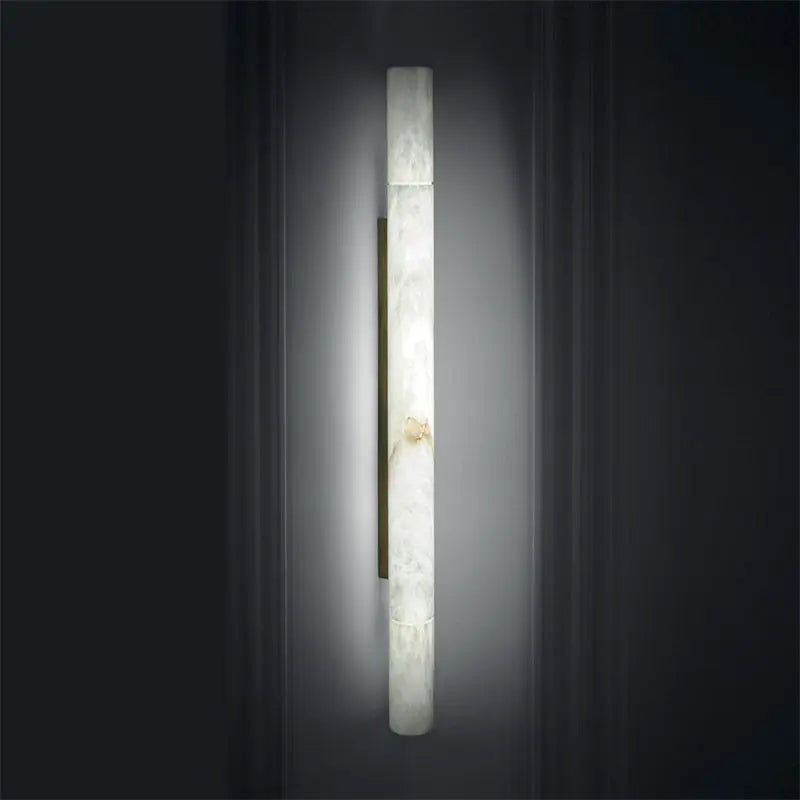
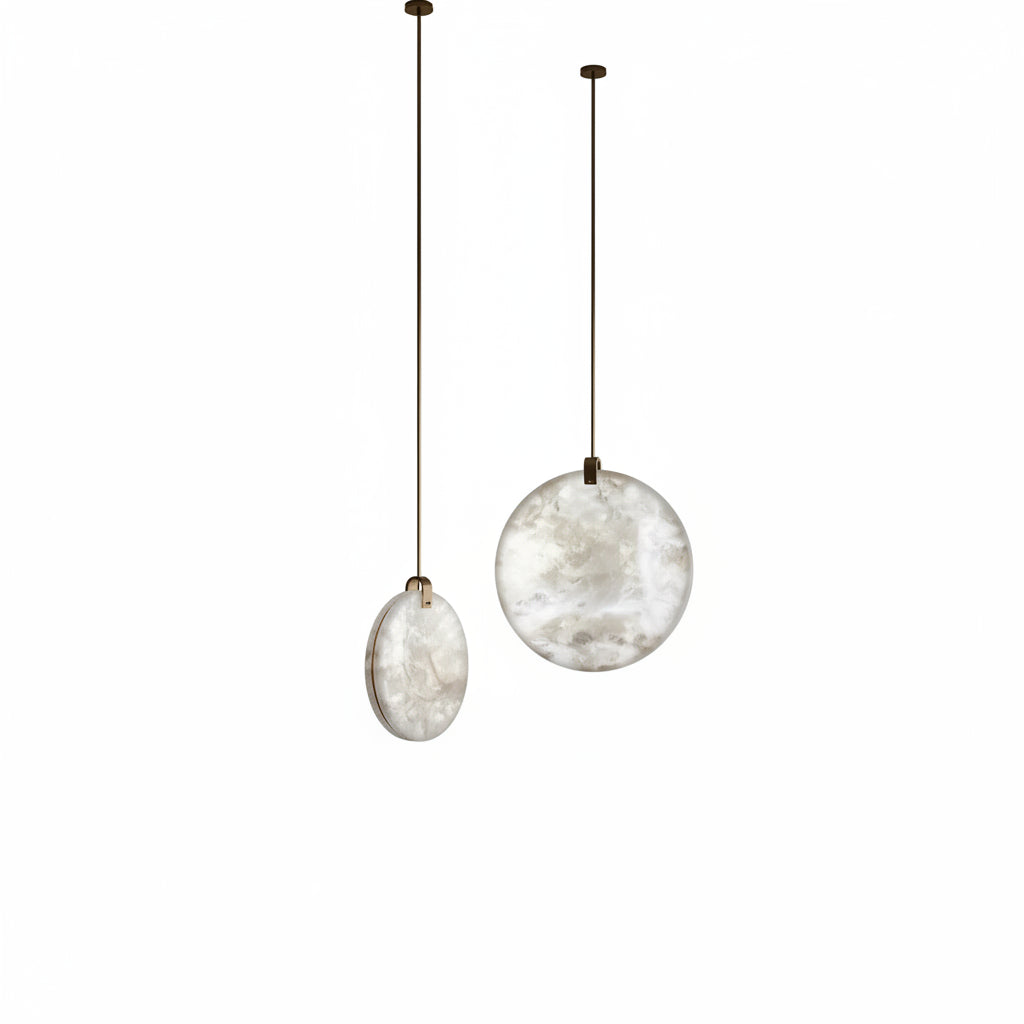
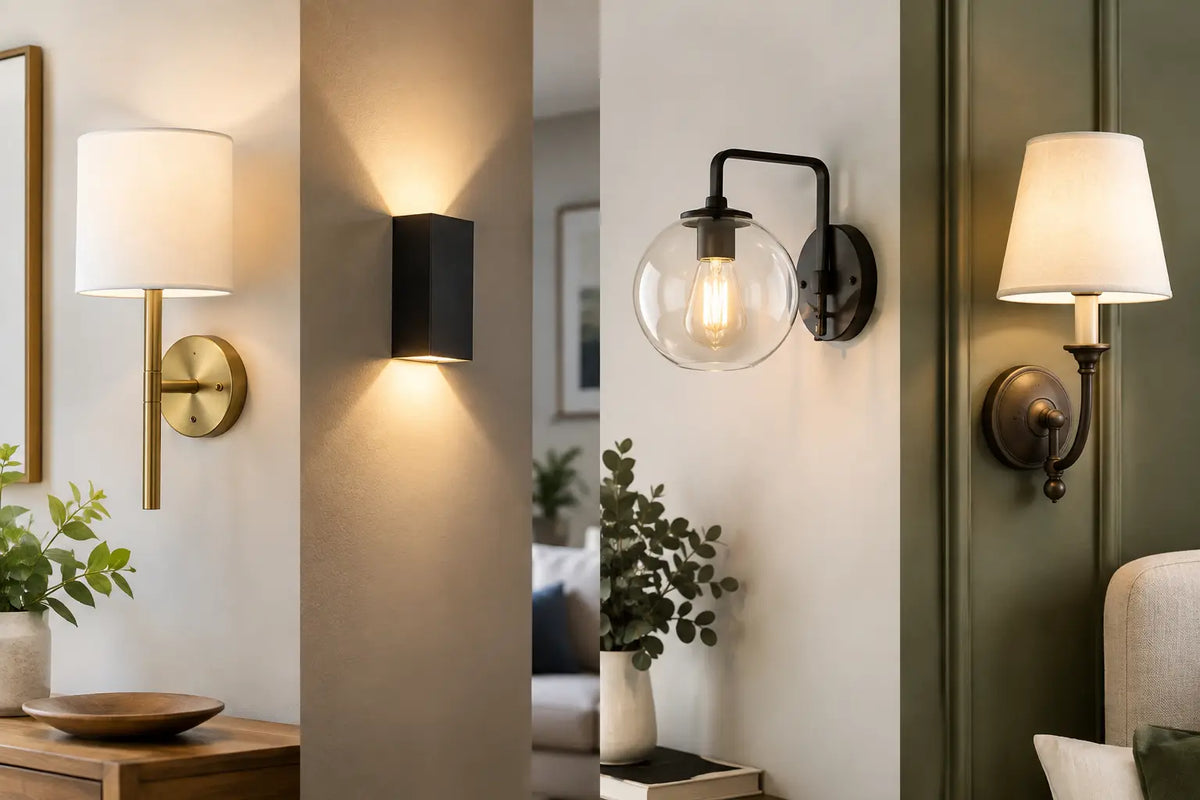
Modern wall lights favour deliberate geometry, refined metalwork and uncluttered forms. Think slim vertical bars, opal glass globes, sculptural discs and asymmetric shades. They work beautifully in contemporary lounges, kitchens and hallways where you want the lighting to feel polished without introducing visual noise.
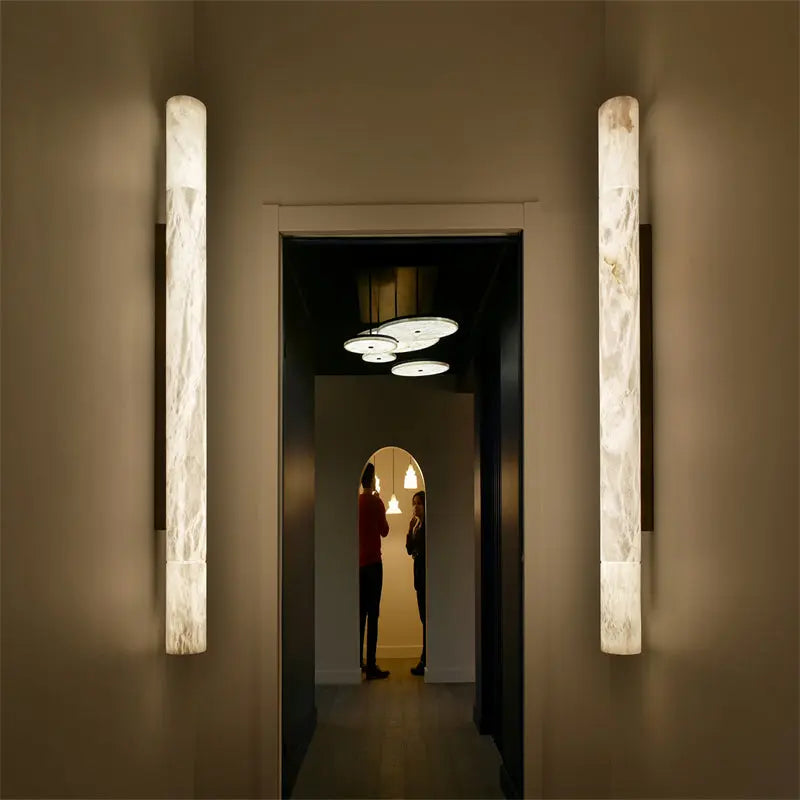
This style is particularly effective when used in pairs. Two vertical fittings on either side of a large mirror, artwork or fireplace create a pleasing sense of order. Choose frosted or opal glass when the goal is a gentle ambient glow, rather than a visible point of brightness. Black, brushed nickel and warm gold finishes can all work, although the latter brings more warmth to pale stone, cream plaster and timber interiors.
Minimalism does have a trade-off. A very small, flat fitting can disappear on a large wall and may not give enough illumination on its own. Let the design remain simple, but make sure the scale has enough presence for the space.
Timeless traditional sconces
Traditional wall sconces bring a sense of permanence to rooms with classic furniture, mouldings, rich timber or heritage-inspired décor. Candle-style arms, fabric shades, ornate backplates and aged brass finishes are familiar signatures. Their appeal lies in the way they make a room feel established, even where the property itself is newly renovated.
In a dining room, a pair of shaded sconces can soften the sparkle of a chandelier and create a more intimate setting for evening meals. In a stairwell or entrance hall, traditional designs add visual rhythm along a long wall. Look for thoughtful details such as pleated shades, antique bronze tones or delicate crystal drops if you want a more decorative interpretation.
A traditional design need not look overly formal. A simplified brass candle sconce with a linen-look shade can sit comfortably in a relaxed country home, while polished crystal elements lend a more glamorous finish to a formal interior.
Art Deco and glamorous crystal designs
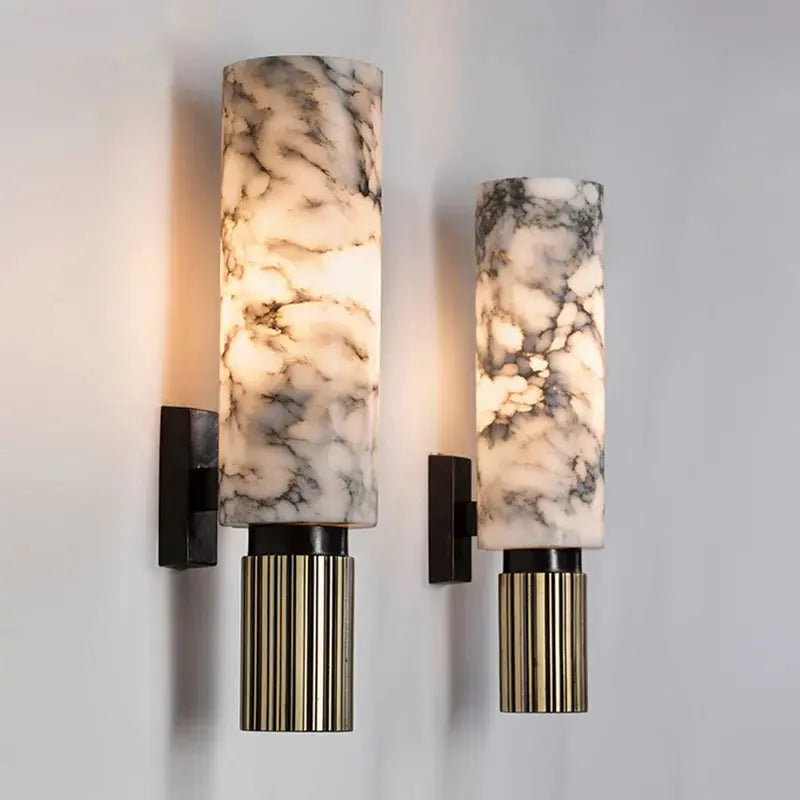
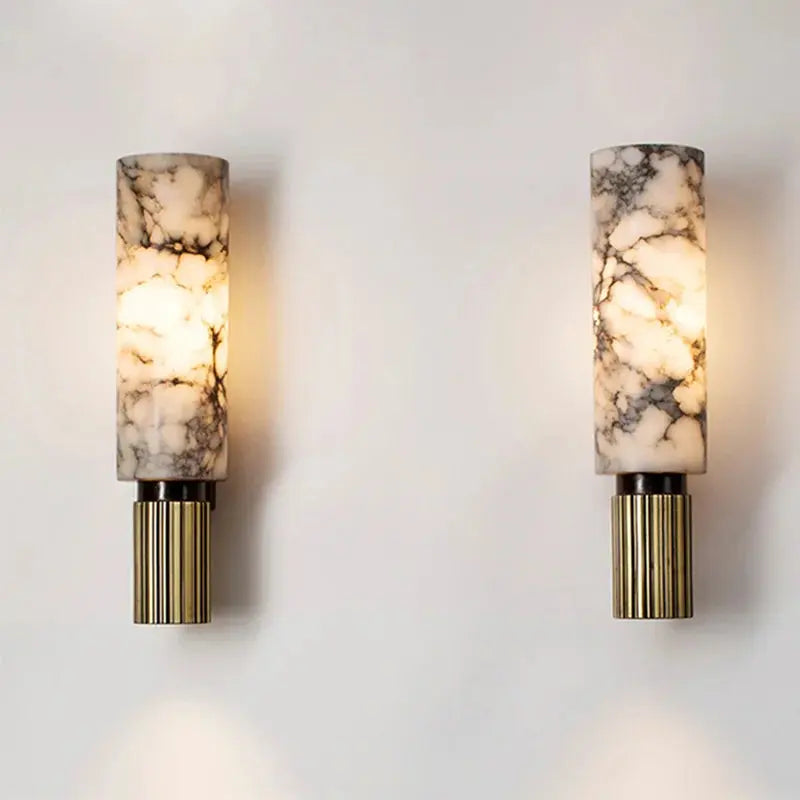
For homeowners drawn to a more expressive interior, Art Deco-inspired wall lights offer symmetry, shine and unmistakable character. Fluted glass, stepped forms, ribbed metal, fan-like silhouettes and jewel-toned accents all suit this direction. These fittings are natural companions for marble, mirrored furniture, velvet and metallic detailing.
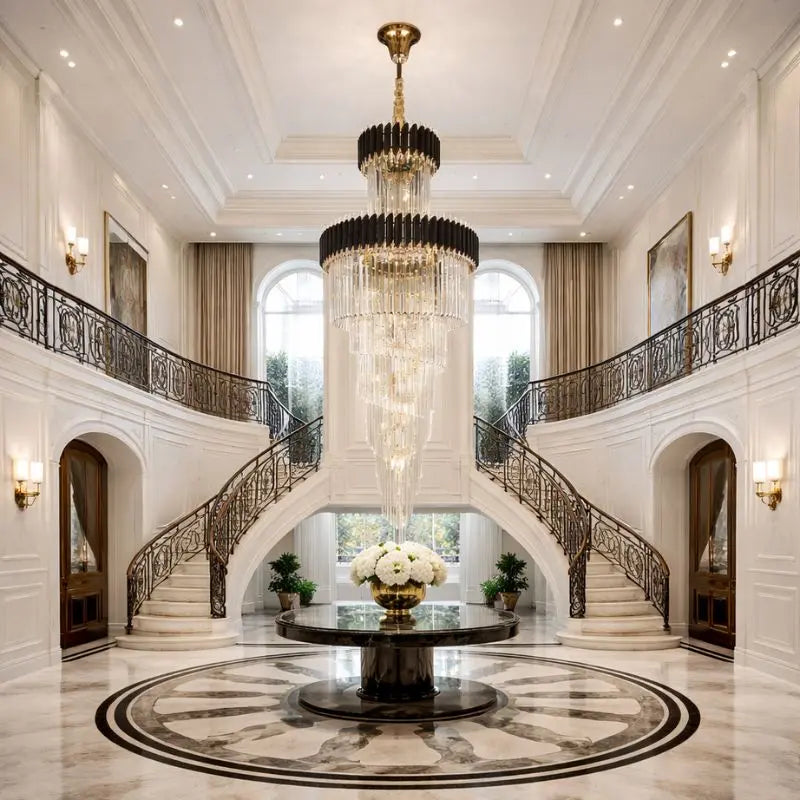
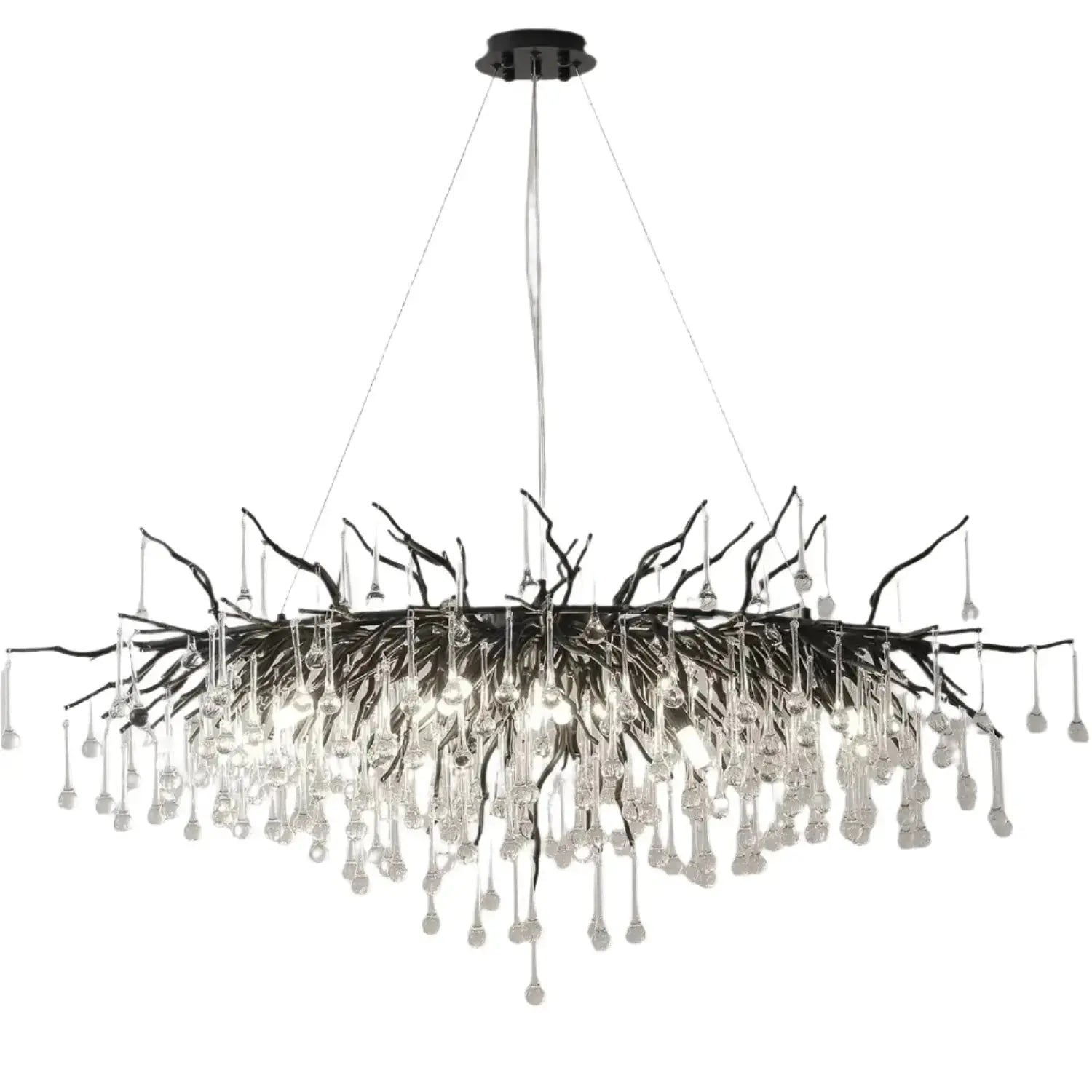
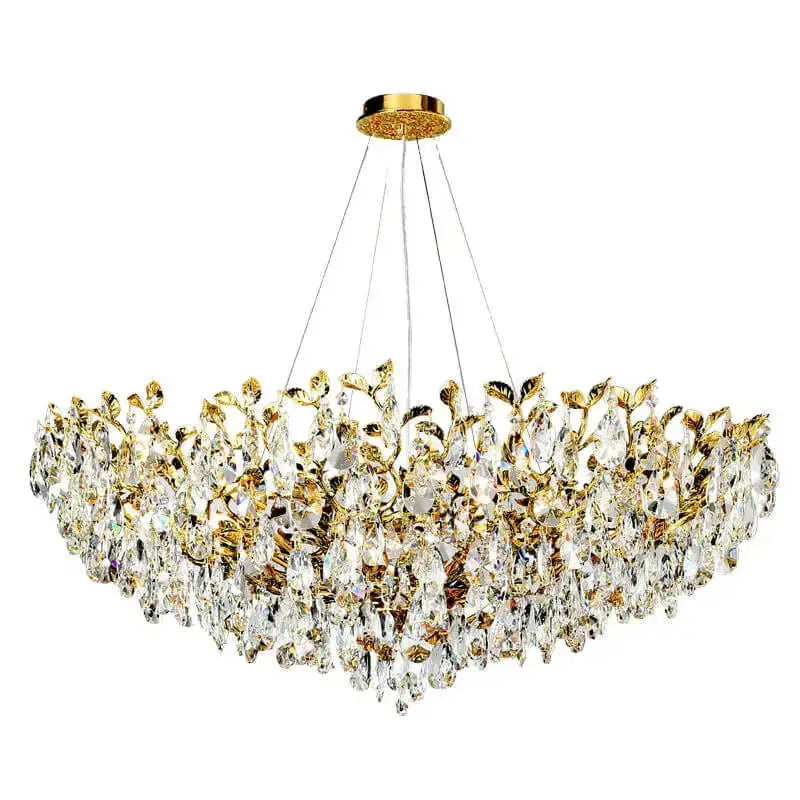
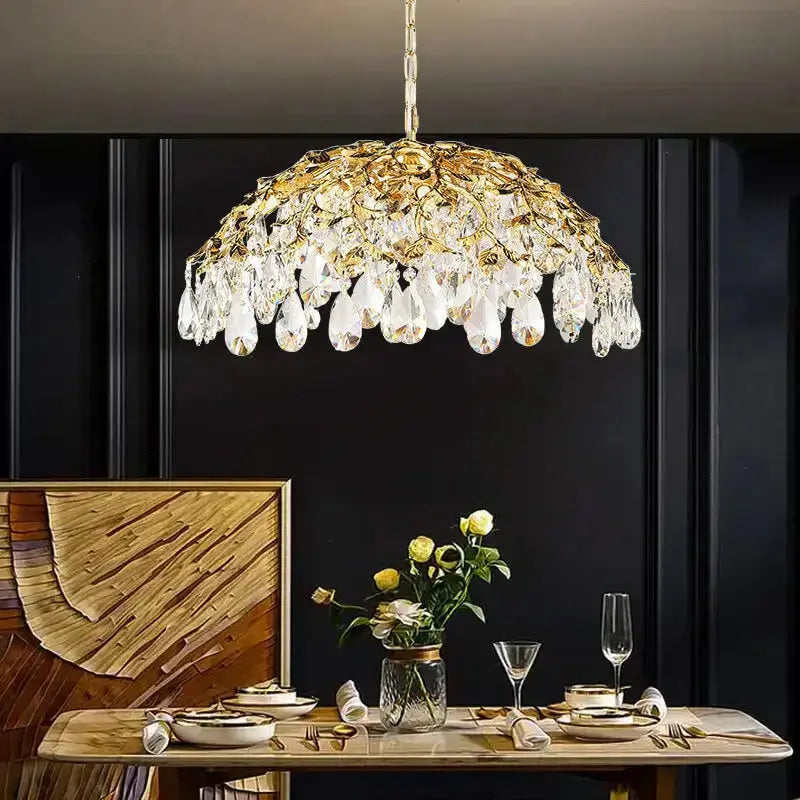
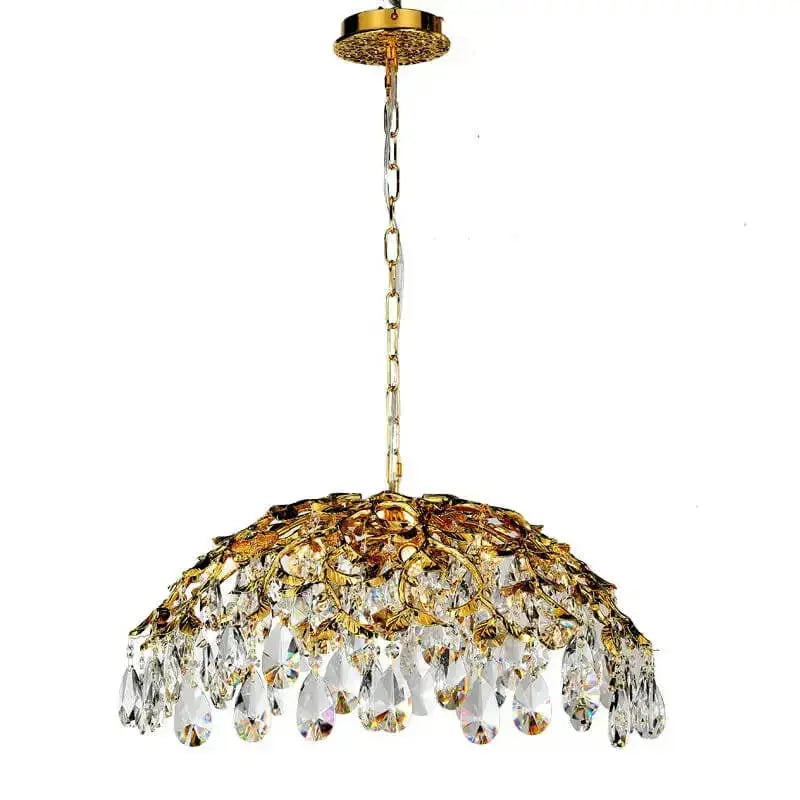
Crystal wall lights take the drama further. Their faceted elements catch and scatter light, giving a wall movement and luminosity that plain shades cannot replicate. They are especially effective in foyers, formal living rooms and beside a statement mirror. Pair them with a crystal chandelier for a layered luxury scheme, but avoid crowding a compact room with too many competing reflective surfaces.
The key is proportion. A grand crystal sconce may be exquisite beside a sweeping staircase, yet feel overpowering in a narrow cloakroom. Smaller crystal-accented designs can deliver the same refined sparkle without dominating the wall.
Industrial and urban styles
Industrial wall lights bring texture and contrast through exposed bulbs, metal cages, articulated arms and darker finishes. They suit converted spaces, kitchens with natural wood cabinetry, and interiors that mix vintage pieces with contemporary lines. A bronze or matte-black fitting can also ground an otherwise light, airy scheme.
For a more elevated result, choose industrial-inspired lights with considered finishes rather than overly utilitarian hardware. Smoked glass, brushed brass details or a softly curved metal shade keep the look intentional. In bedrooms, an adjustable arm light in this style can be a practical alternative to bedside table lamps, freeing up valuable surface space.
Bear in mind that exposed bulbs can produce glare. Use a decorative filament bulb with a warm colour temperature for atmosphere, and consider whether the fitting will be viewed directly from a sofa or bed.
Organic, alabaster and nature-led forms
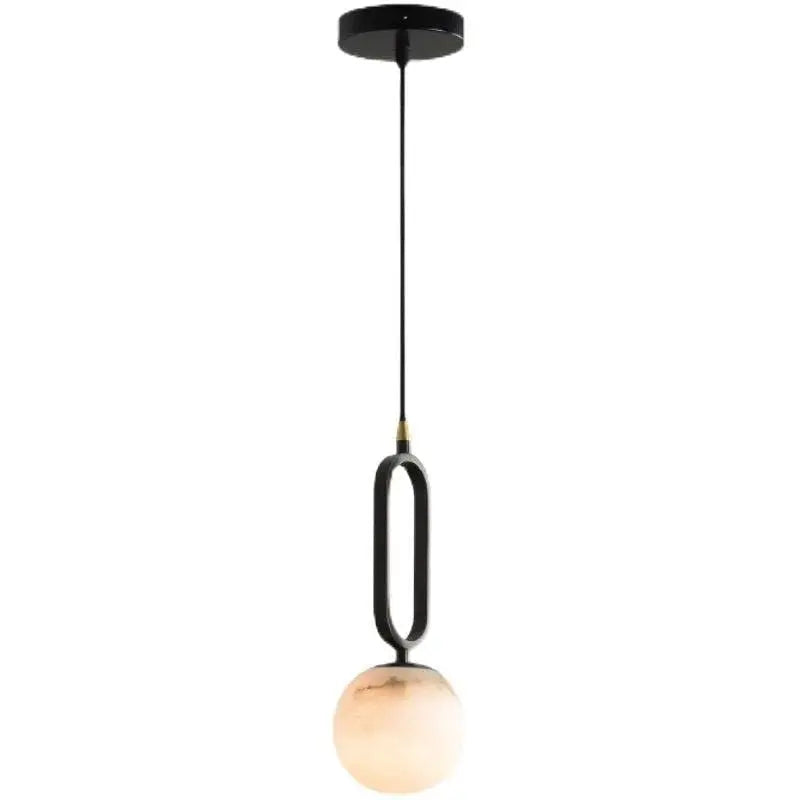
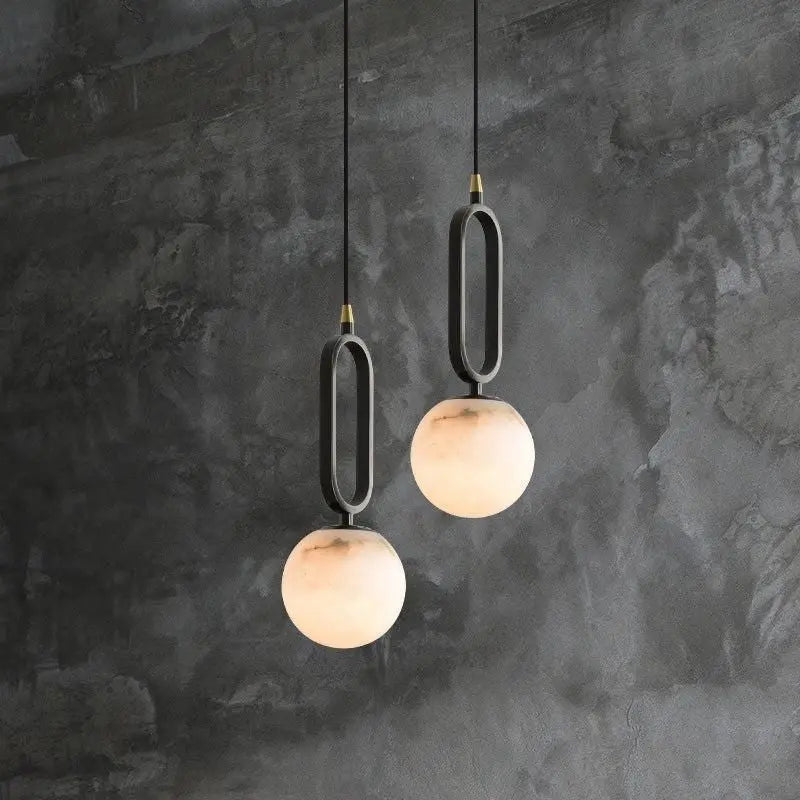
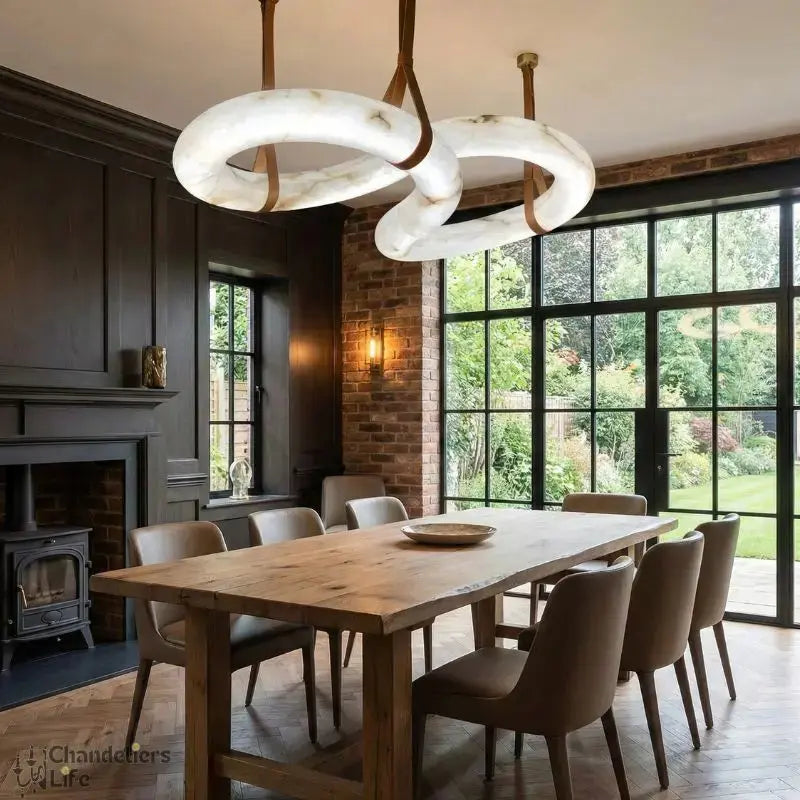
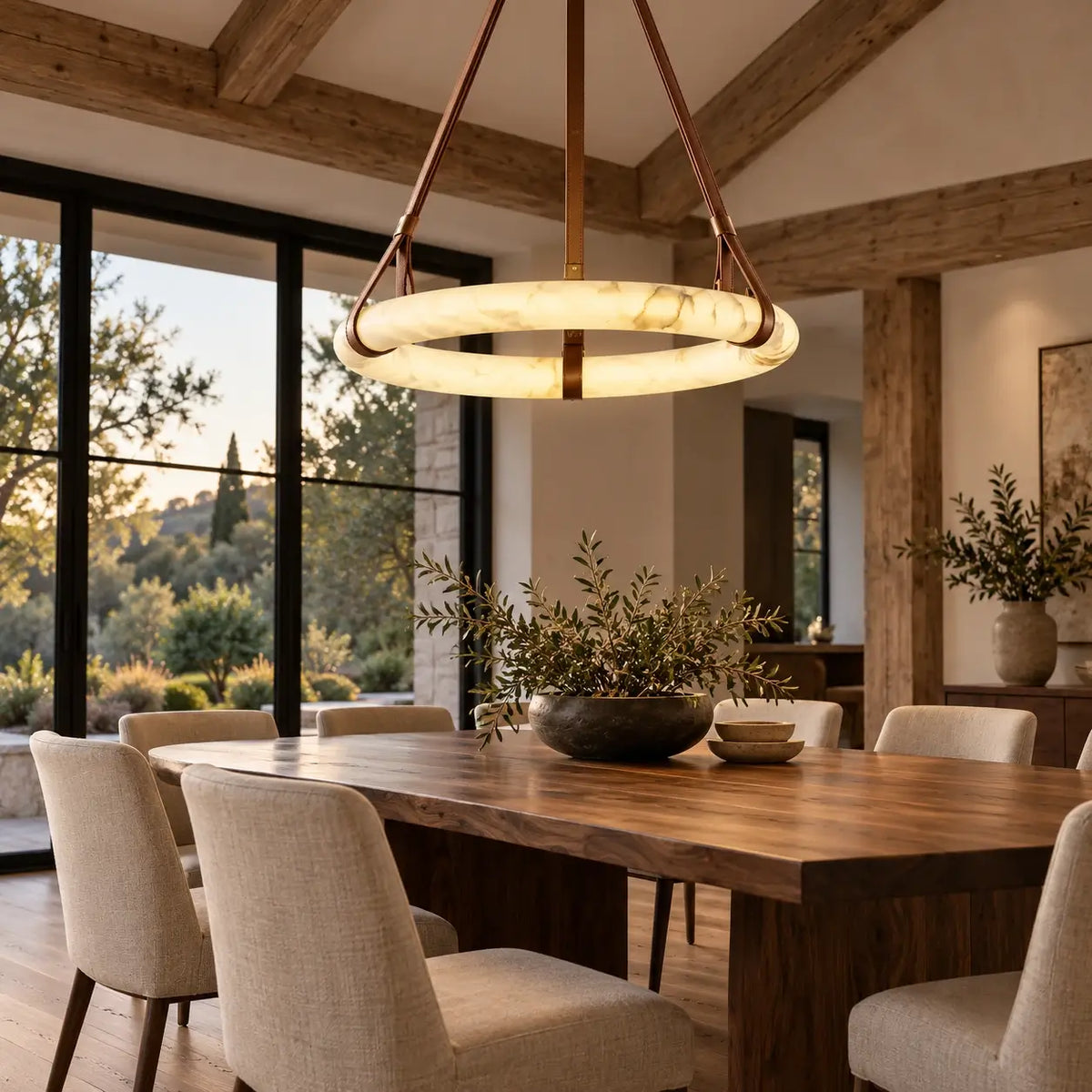
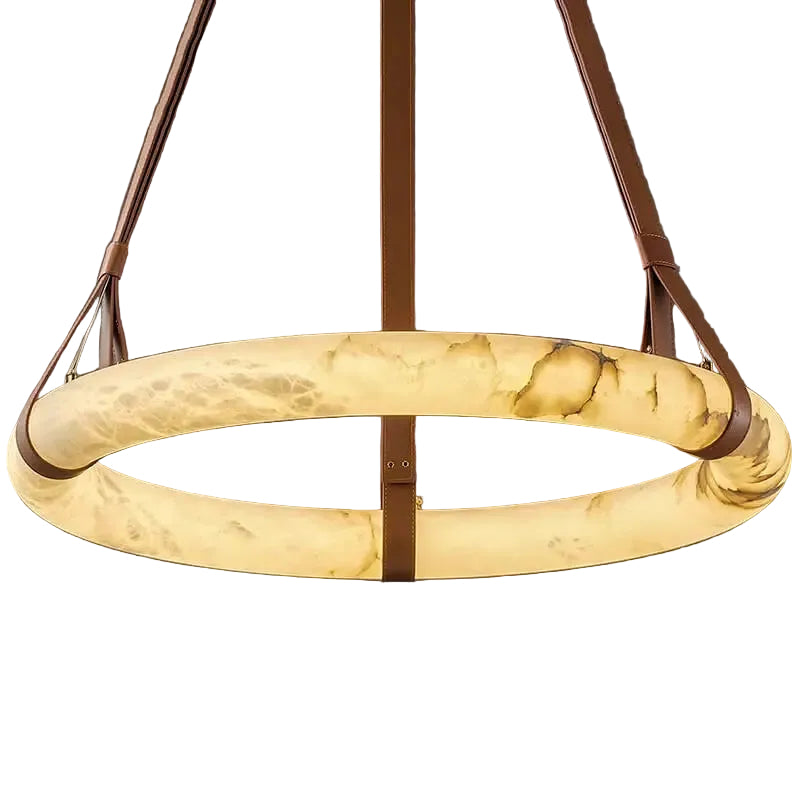
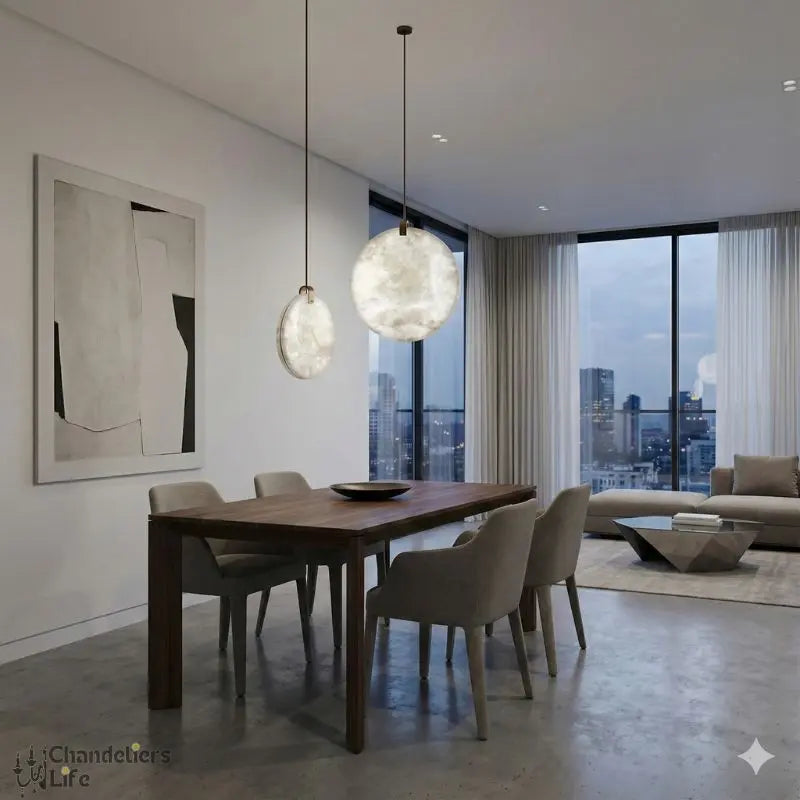
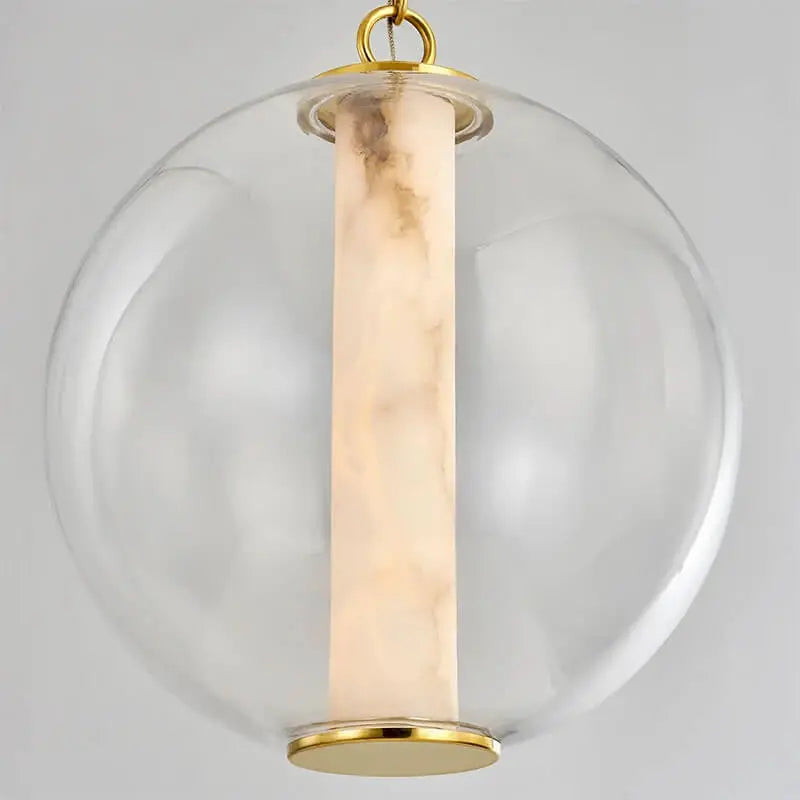
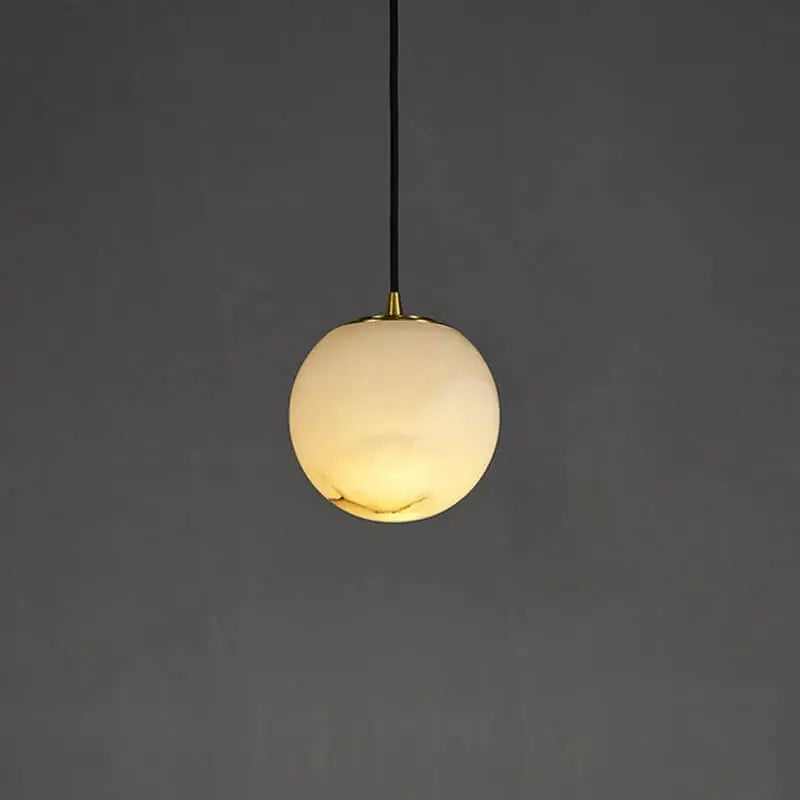
Organic wall lighting is defined by gentle curves, natural materials and an almost sculptural calm. Alabaster-look shades, marble-inspired backplates, textured glass and petal-like forms introduce softness into rooms full of hard architectural lines. When illuminated, alabaster creates a diffused, luminous effect that feels quietly luxurious rather than showy.
These indoor wall light styles are well suited to serene bedrooms, sophisticated bathrooms outside splash zones, and living spaces built around stone, timber and neutral textiles. Because the material itself is part of the visual story, keep surrounding finishes considered. Warm metals, creamy walls and understated joinery allow the fixture to stand out.
Natural stone variations are part of the appeal. If you are choosing more than one piece, expect subtle differences in veining and tone rather than perfect uniformity. That individuality gives the scheme greater depth.
Choose the right wall light for each room
A beautiful fitting still has to earn its place. Before settling on a style, consider what the light needs to do in that particular room and at that point on the wall.
Hallways and staircases
Hallways benefit from even, welcoming illumination. Wall lights can guide movement through a long passage and make an entrance feel more generous. Use repeated fittings at a consistent height for a composed look, allowing enough clearance so they do not obstruct a busy route.
In a staircase, wall sconces are an opportunity to create a memorable ascent. A series of delicate glass or contemporary metal designs can echo the vertical movement of the stairwell. If there is a dramatic pendant above, choose wall lights that support its finish or shape without trying to outshine it.
Living rooms and dining rooms
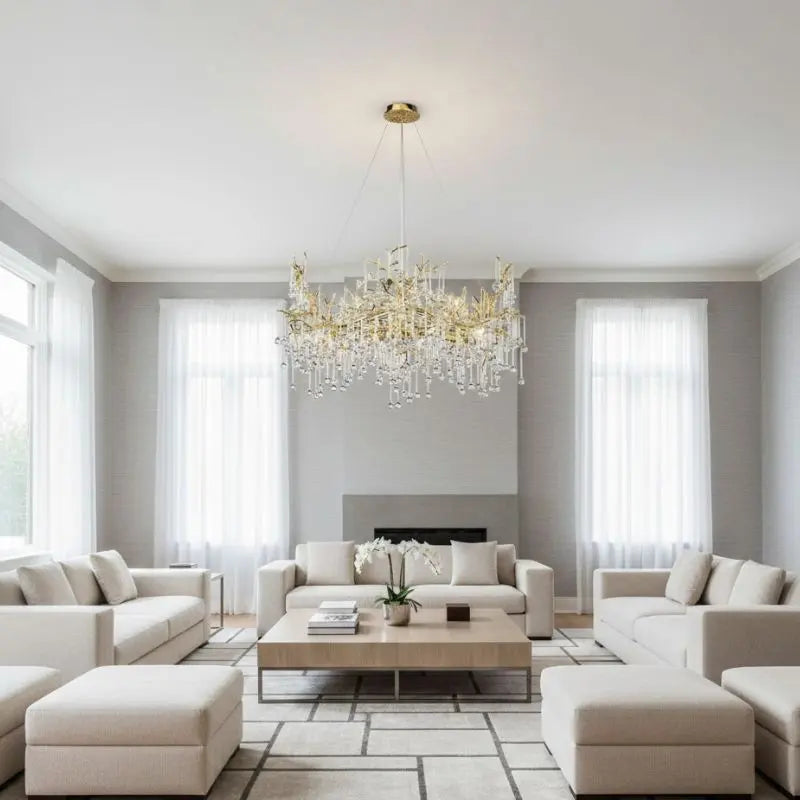
In entertaining spaces, wall lights should contribute to layers. Combine them with a central chandelier or ceiling fixture, table lamps and perhaps floor lighting so the room can shift from bright activity to a more relaxed evening setting. Dimmable wall lights are particularly valuable here, offering control over atmosphere and visual comfort.
Place sconces where they frame a focal point, such as artwork, a fireplace or a sideboard. They should not be treated as an afterthought. Their warm pools of light can make a larger room feel more intimate while giving glossy finishes, art and decorative objects a richer presence.
Bedrooms and bathrooms
Bedroom wall lights need a gentler approach. Fabric shades, frosted glass and indirect designs reduce harshness, while directional reading lights provide useful task illumination. If replacing bedside lamps, check that the switches are easy to reach from the bed and that the fittings leave adequate room for pillows and headboards.
For bathrooms, select fittings suitable for the precise location and required safety rating. A pair placed either side of a mirror generally flatters the face more than a single light above it, because it reduces strong shadows. Glass and polished metal can feel luxurious, but they should be chosen with moisture, cleaning and safety requirements firmly in mind.
Scale, placement and bulb choice matter as much as style
There is no universal installation height, because furniture, ceiling height and the fitting itself all affect the result. As a starting point, wall lights are often placed around eye level, then adjusted to suit the room. Above a sofa or console, position them in relation to the furniture beneath rather than simply measuring from the floor.
A pair of sconces should be visually balanced, not necessarily widely spaced. Too close together and they can feel cramped; too far apart and the relationship is lost. Tape the approximate dimensions onto the wall before installation to test the composition from several viewpoints.
Finally, choose bulbs that honour the fixture. Warm white light tends to enhance brass, crystal, timber and soft textiles, creating the inviting glow most residential rooms need. Cooler light can appear clinical in lounges and bedrooms, though it may suit a task-led setting. A dimmer adds flexibility, particularly when decorative wall lights are intended to create ambience rather than provide the room's only source of light.
The right wall lights make a home feel finished in the quietest, most persuasive way. Choose a style that delights you when switched off, then let its light give every evening a more graceful setting.