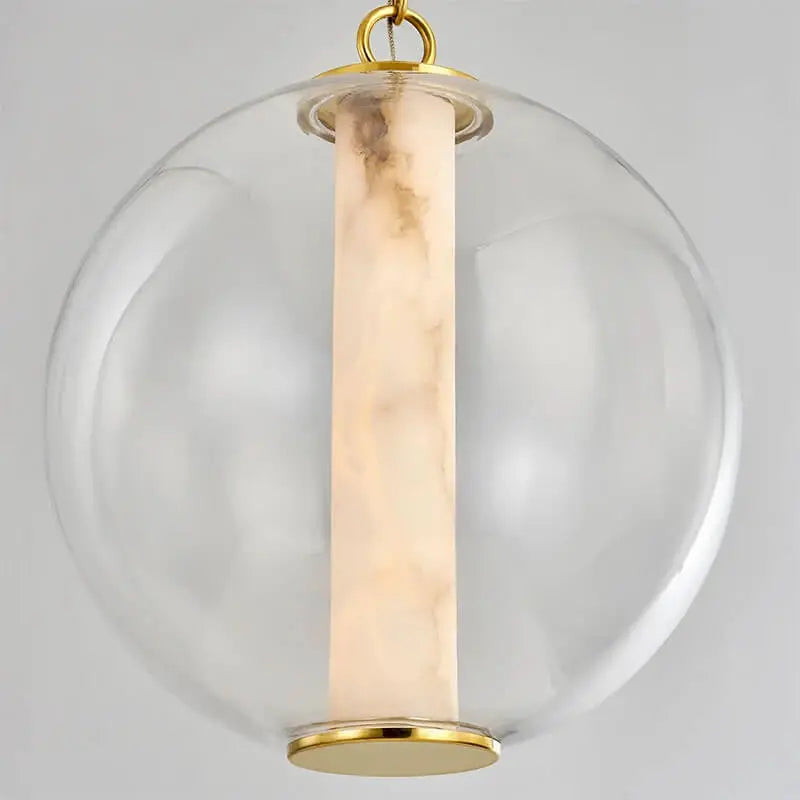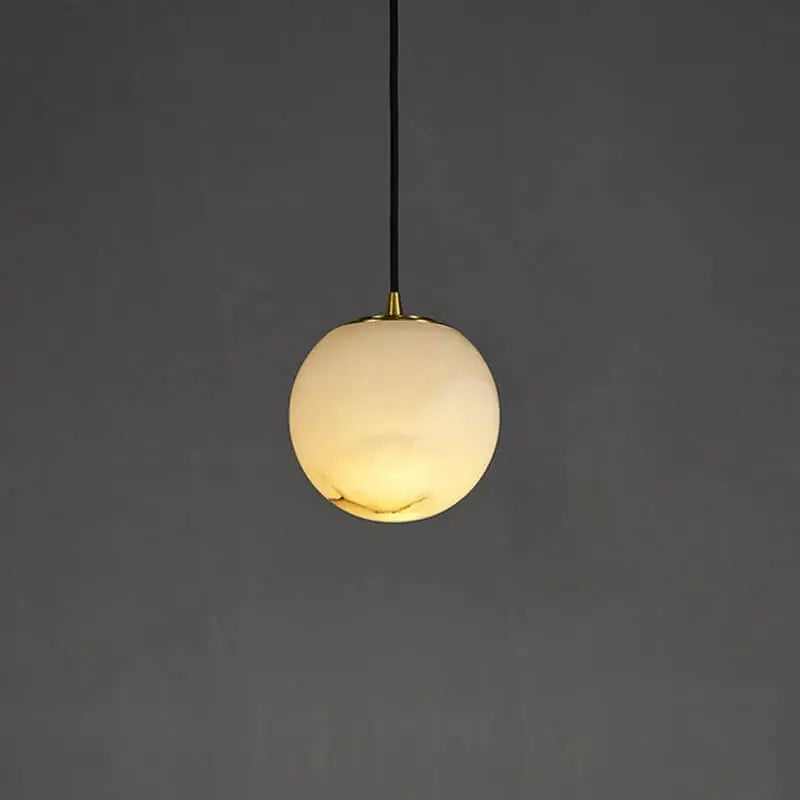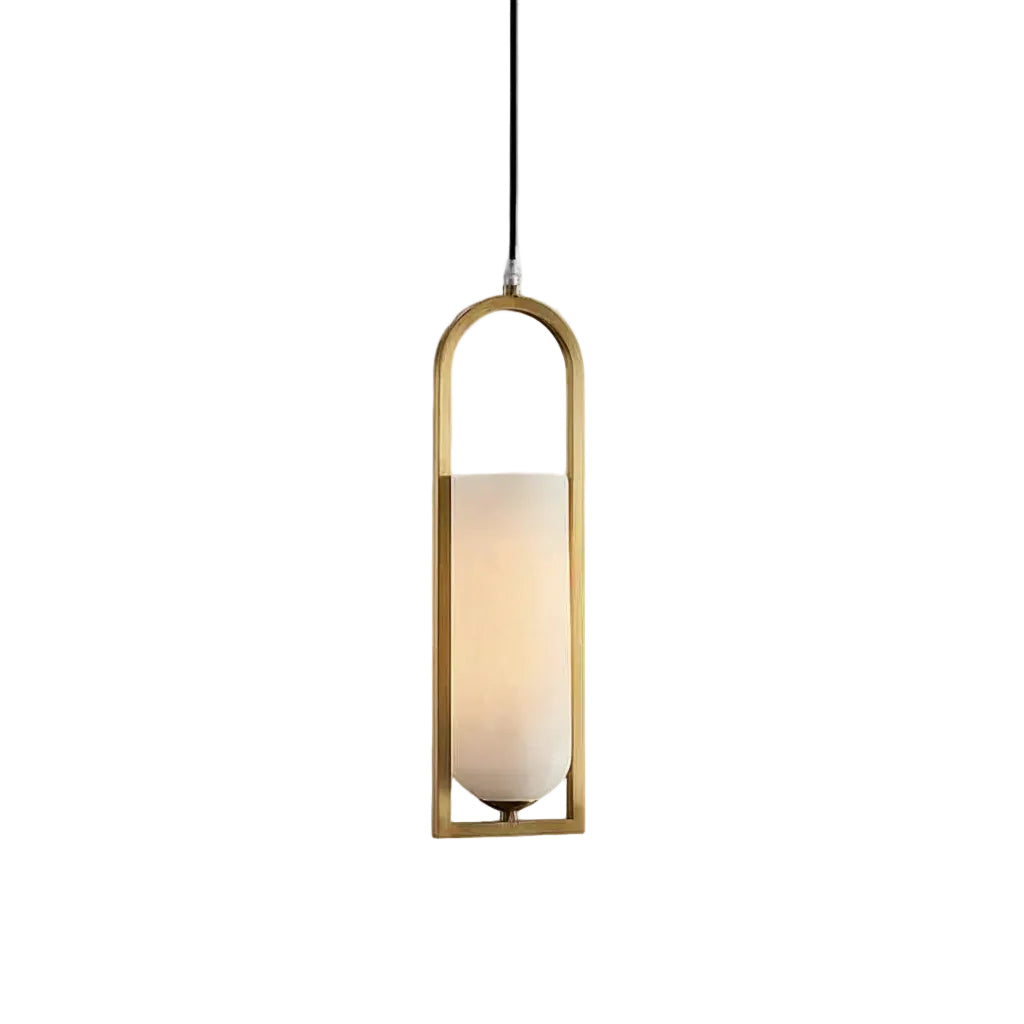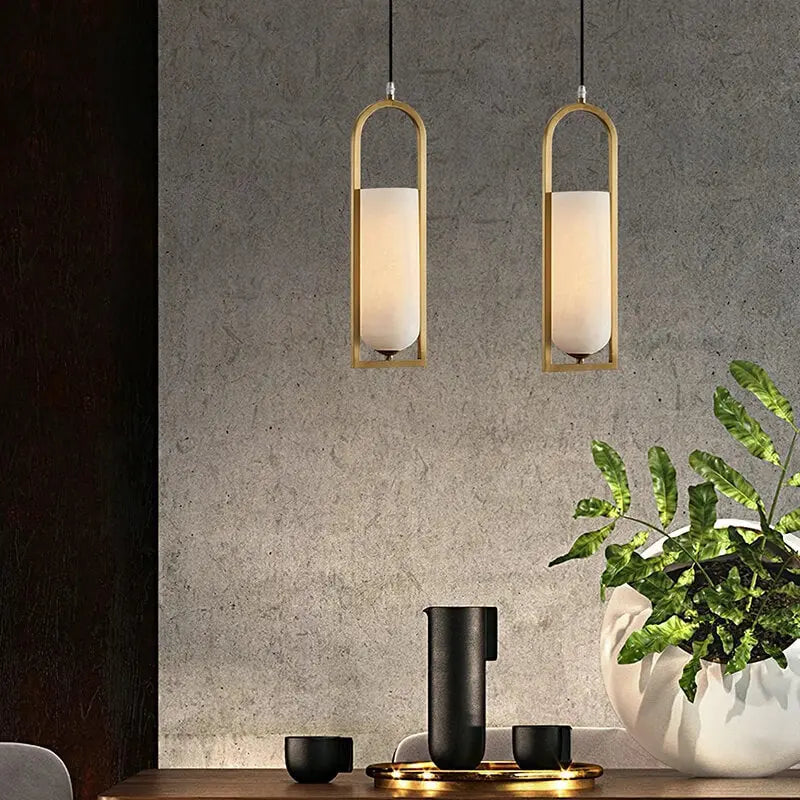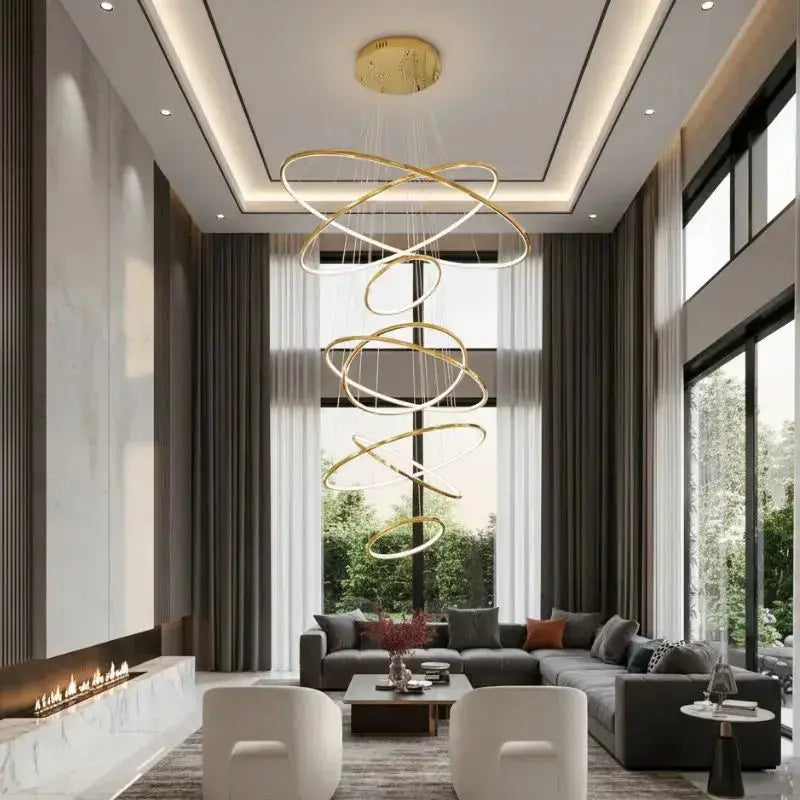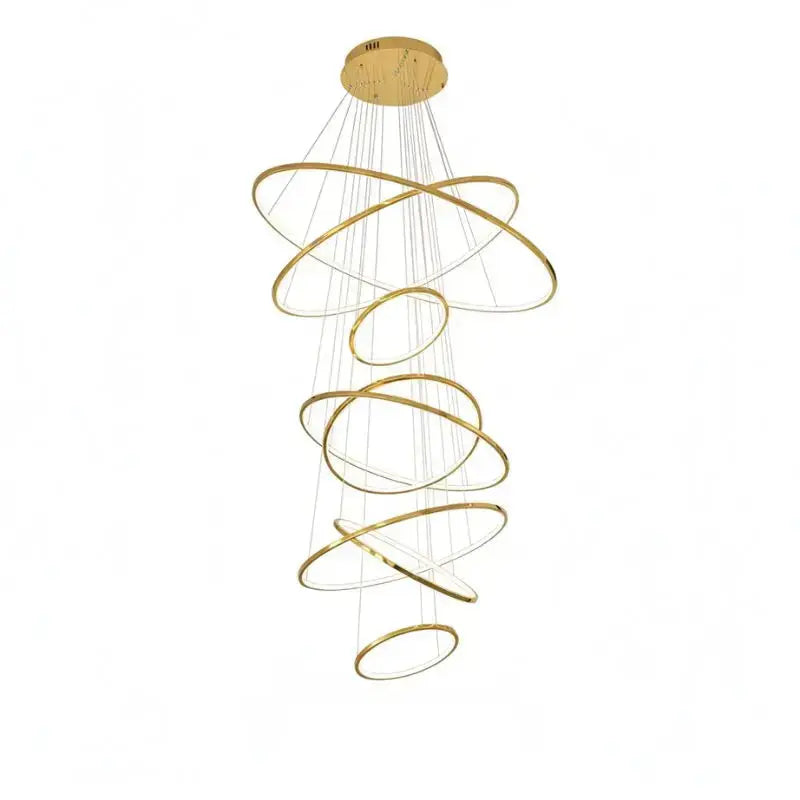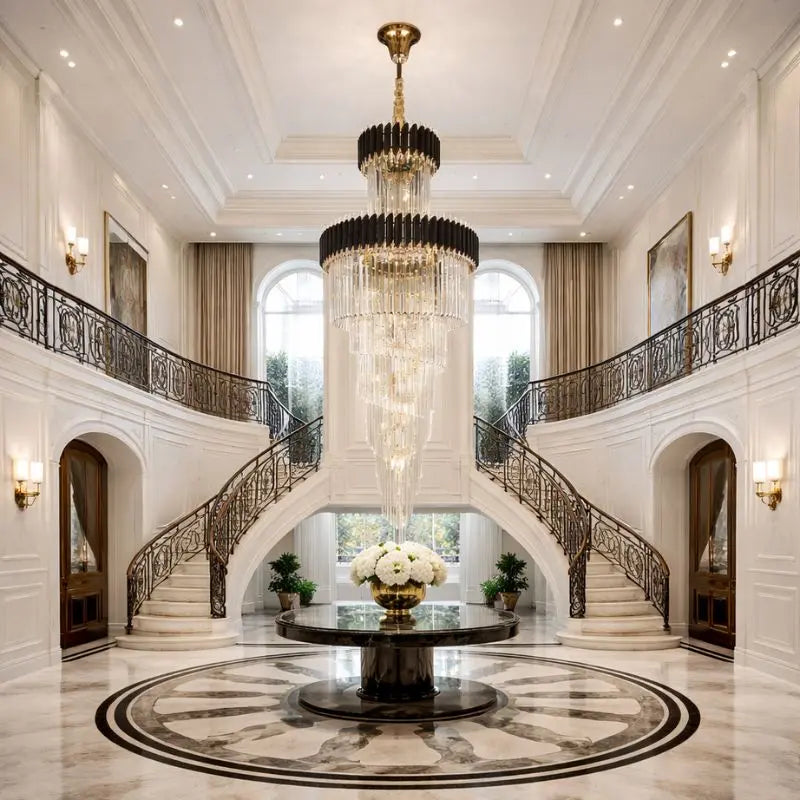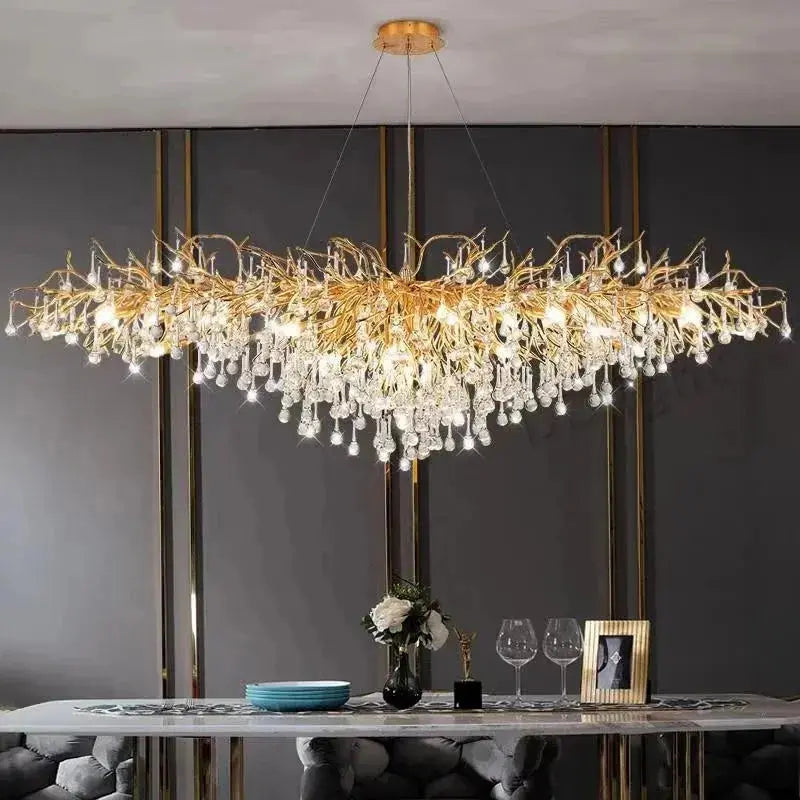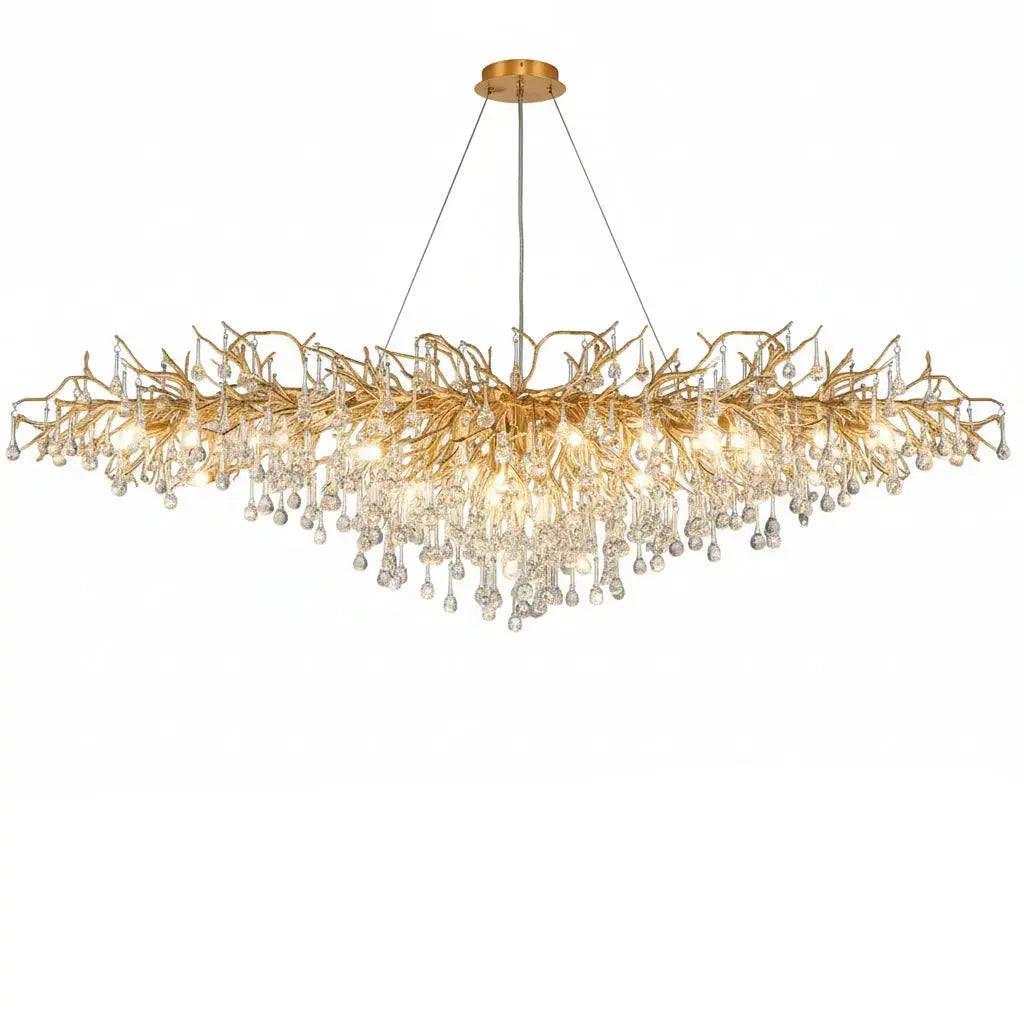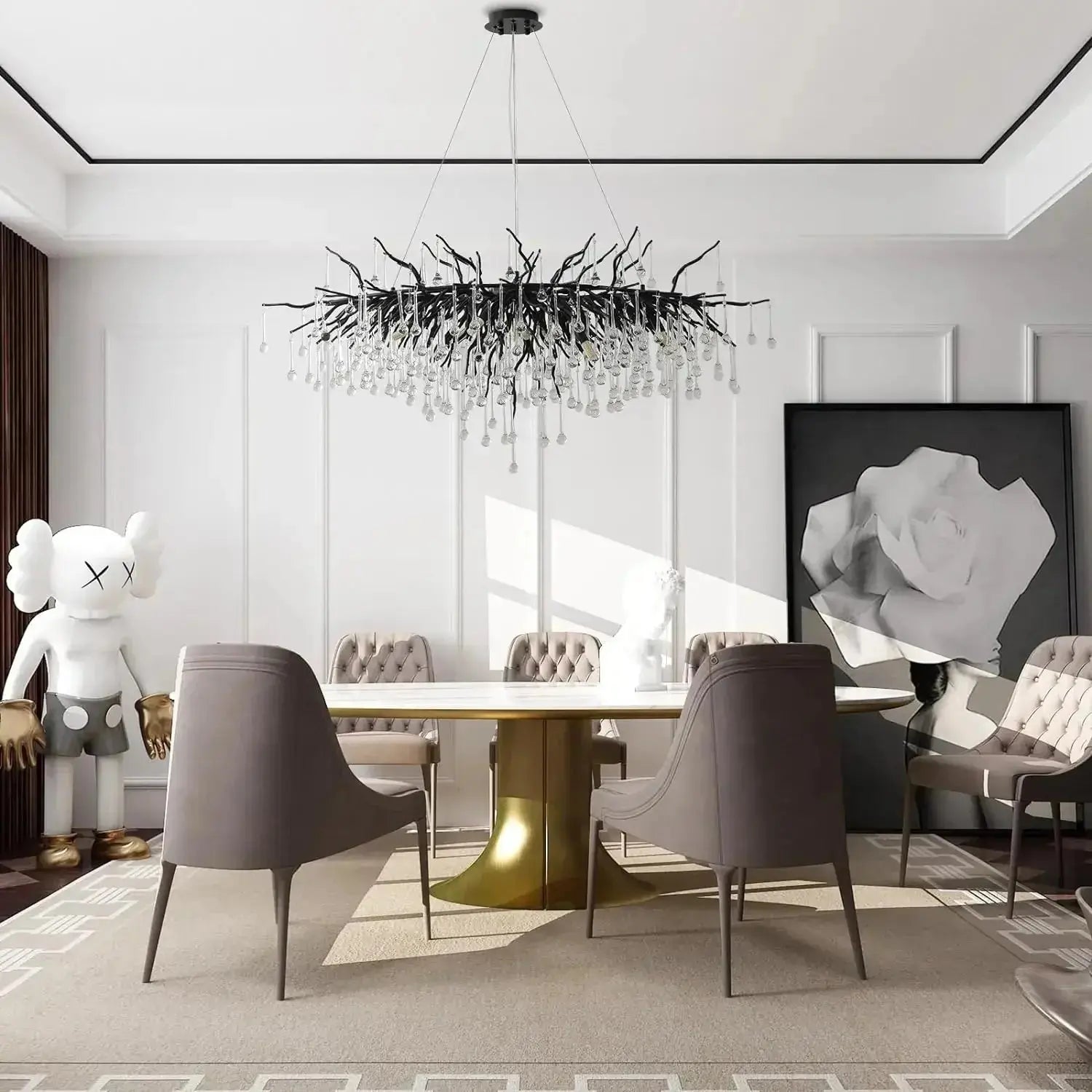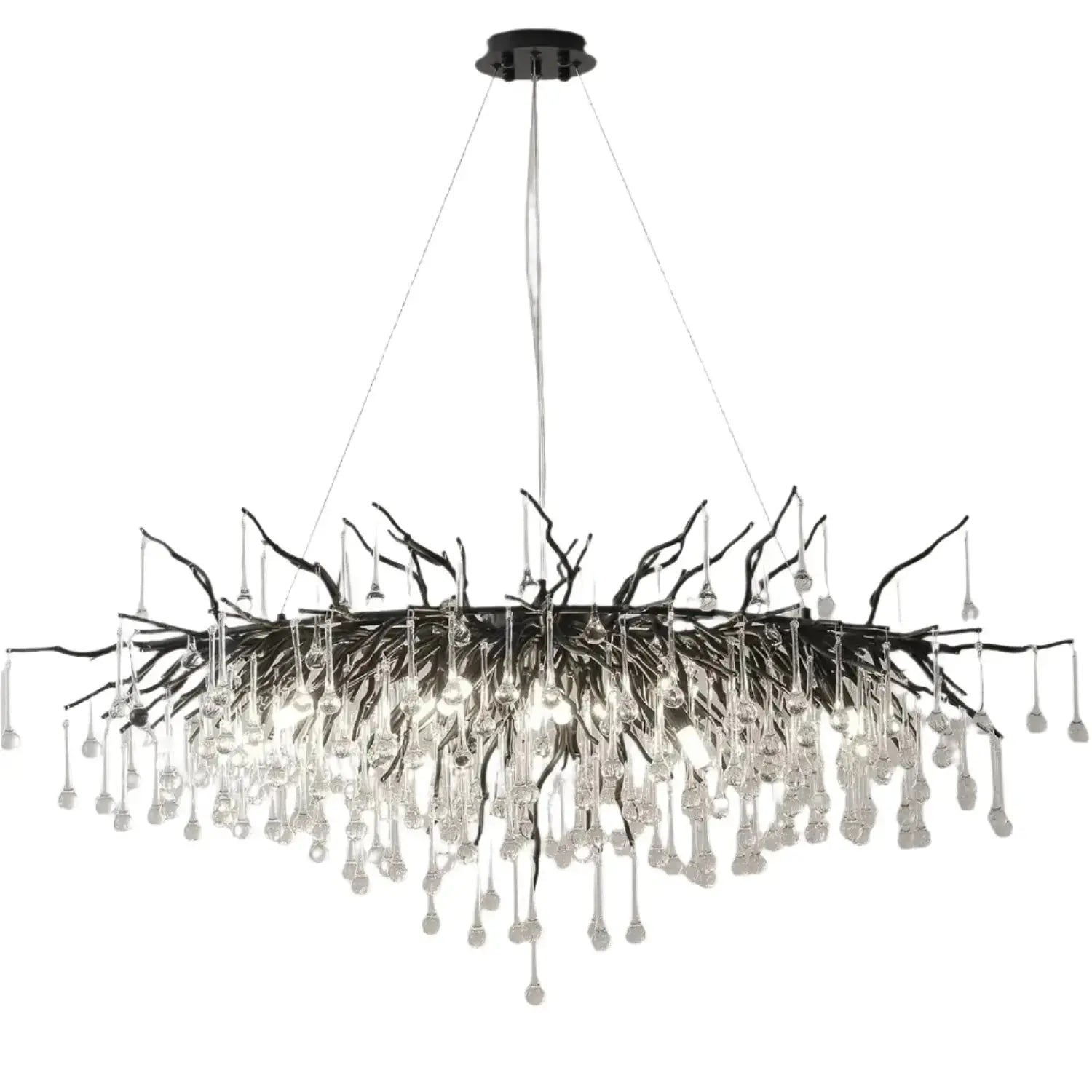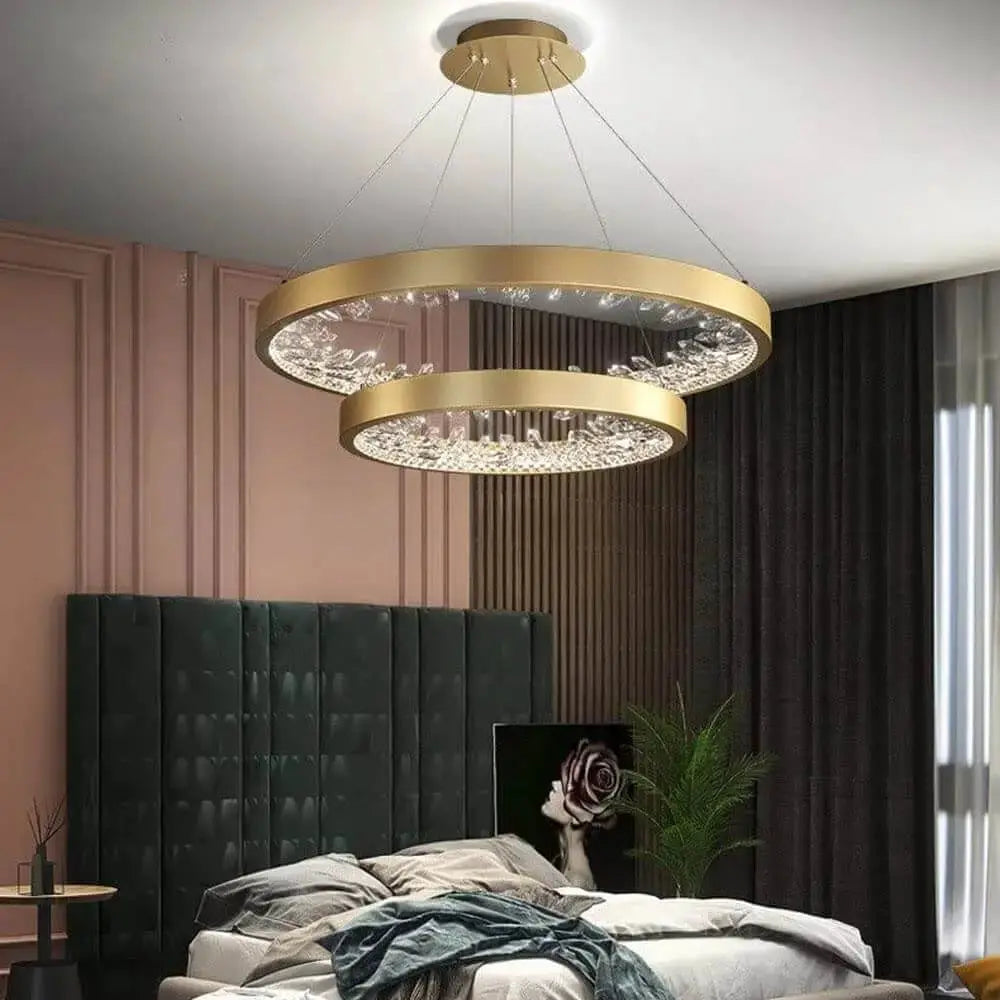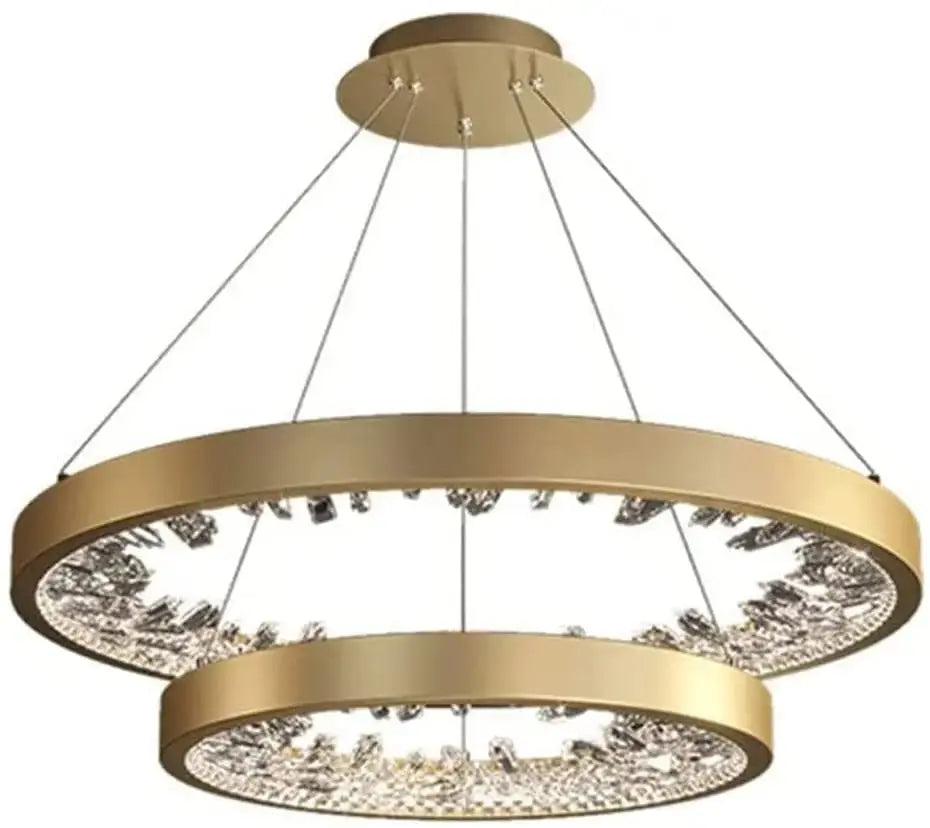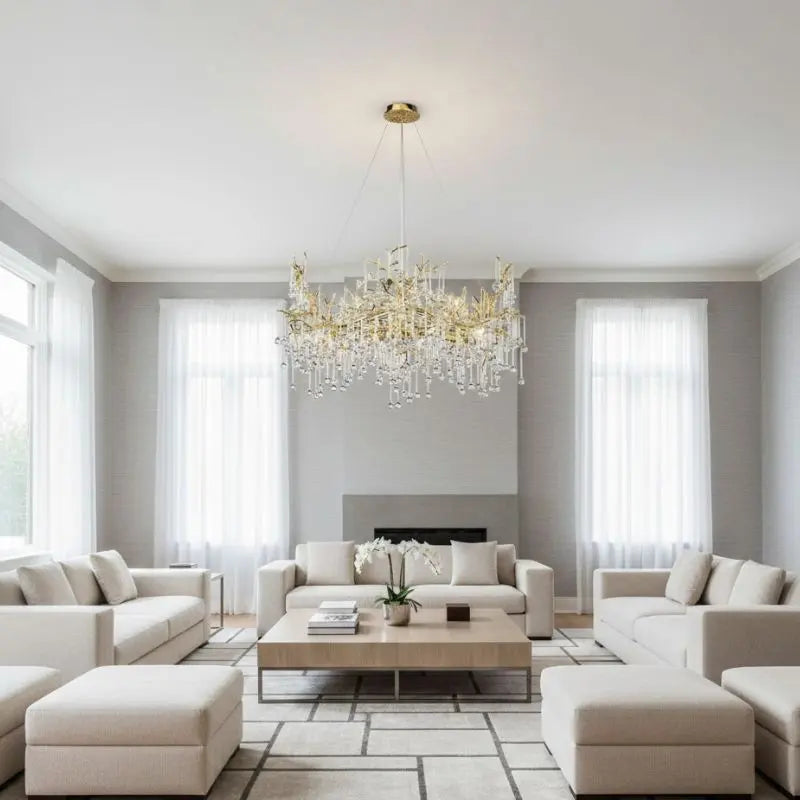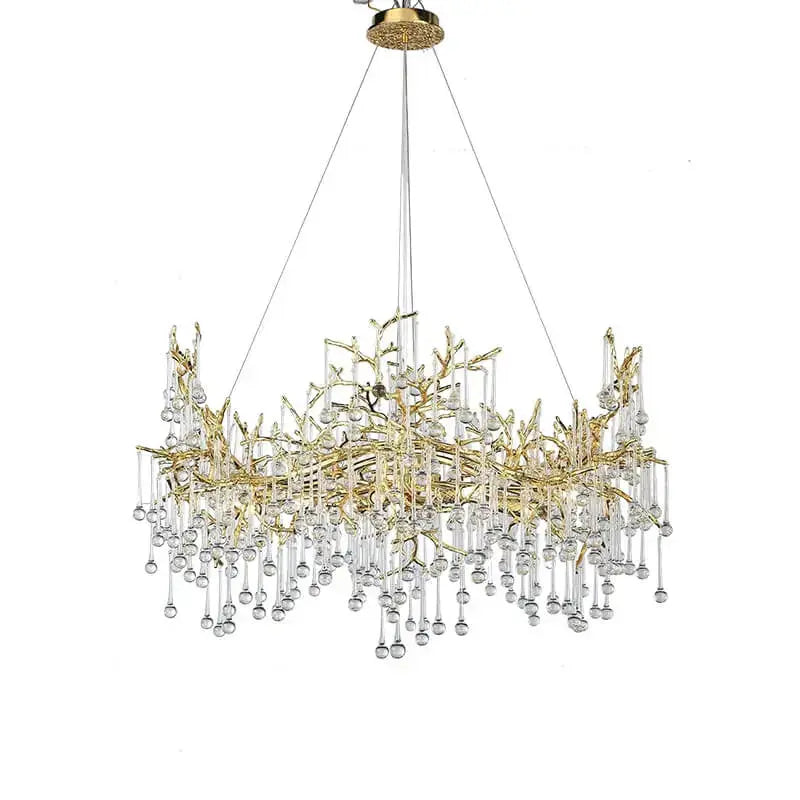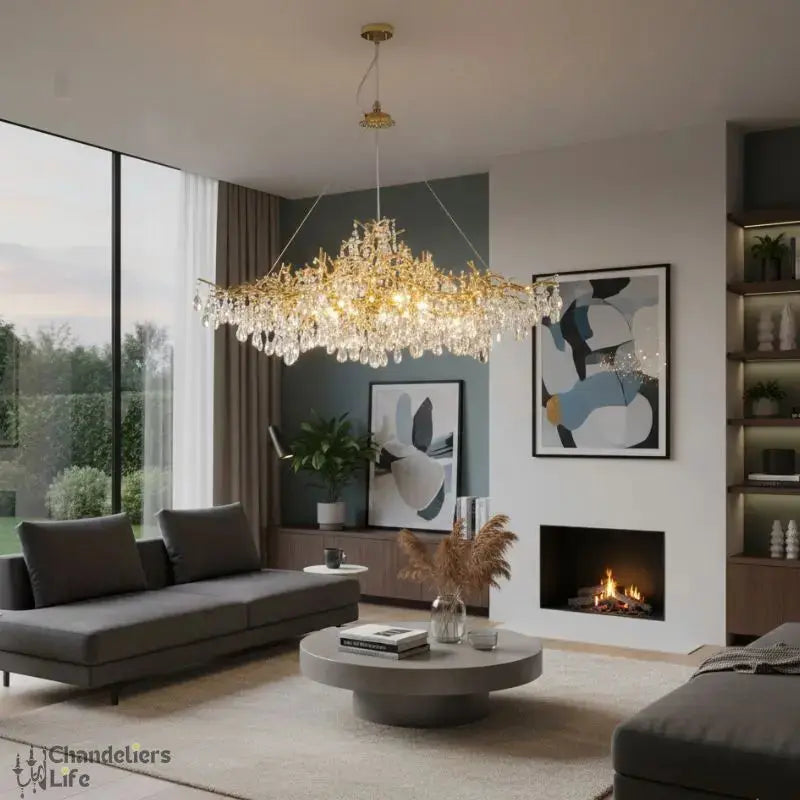
A hallway is the first interior moment your guests experience, yet it is often treated as a route between more carefully considered rooms. Learning how to light a hallway properly changes that instantly. The right scheme makes a narrow passage feel more generous, gives artwork and architectural details presence, and creates a welcoming glow from the moment the front door opens.
The most successful hallway lighting is not simply bright. It is layered, proportional and considerate of how the space is used. A dramatic chandelier can set an exquisite tone in a tall entrance, while a discreet flush fitting and beautifully placed wall lights may be the more elegant answer in a lower corridor.
How to Light a Hallway in Layers
Begin by thinking of hallway lighting as three complementary roles: ambient light for safe, comfortable movement; task light where you need to find keys, read post or use a mirror; and accent light to bring depth to art, panelling, console tables or a staircase.
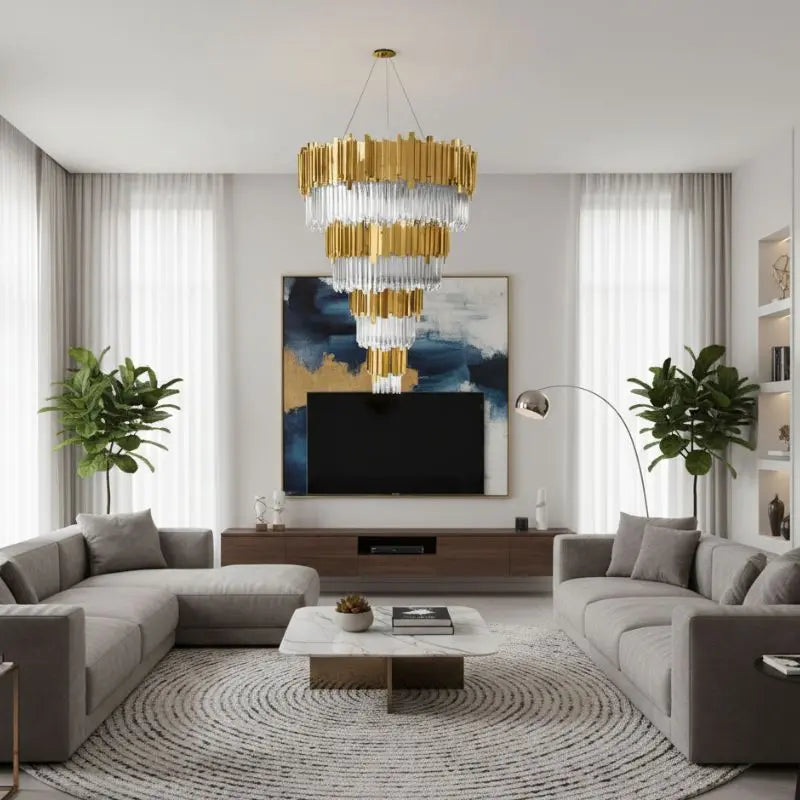
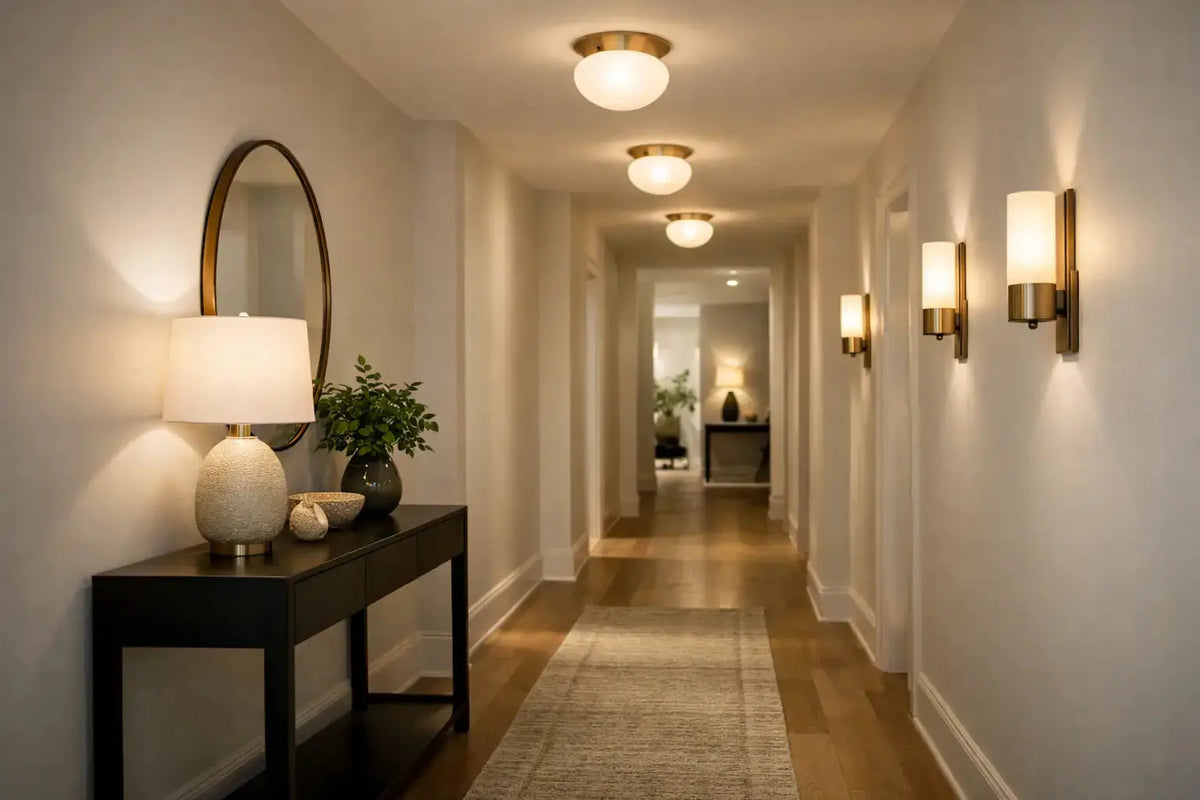
Ambient lighting should establish the overall level of brightness. For many hallways, a central ceiling fixture provides this foundation. A semi-flush ceiling light works especially well where ceiling height is limited, while a pendant or chandelier gives a foyer, long entrance hall or stairwell a stronger decorative focal point. The fixture should illuminate the full route rather than leaving pools of light and shadow between the door and adjoining rooms.
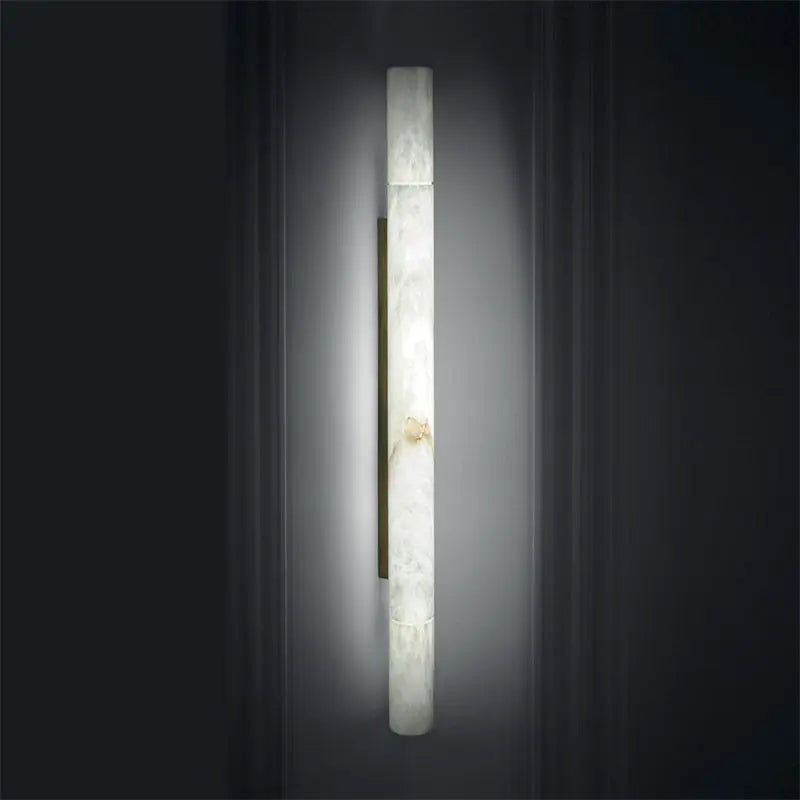
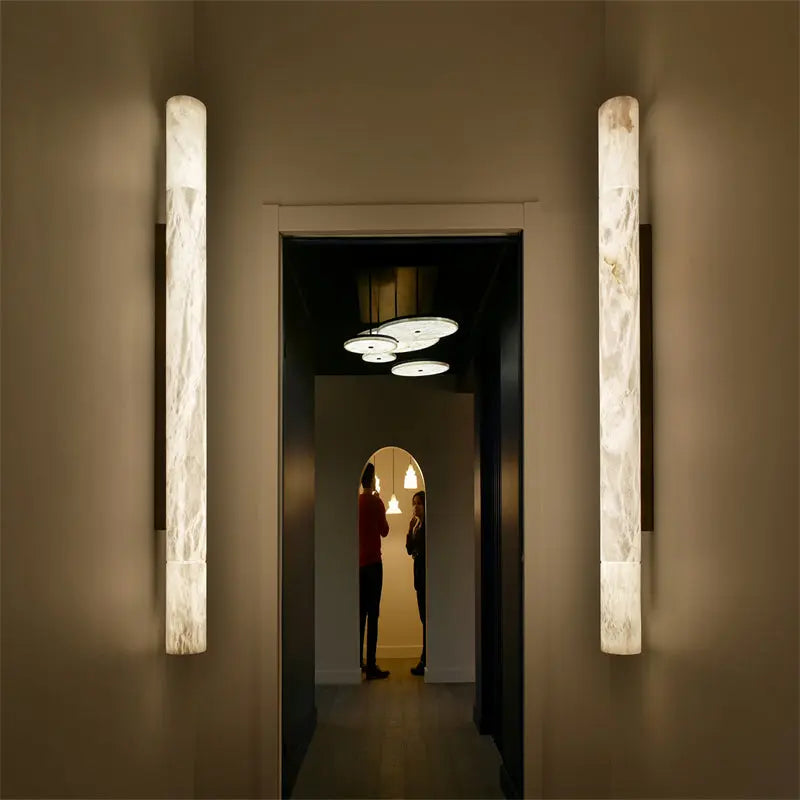
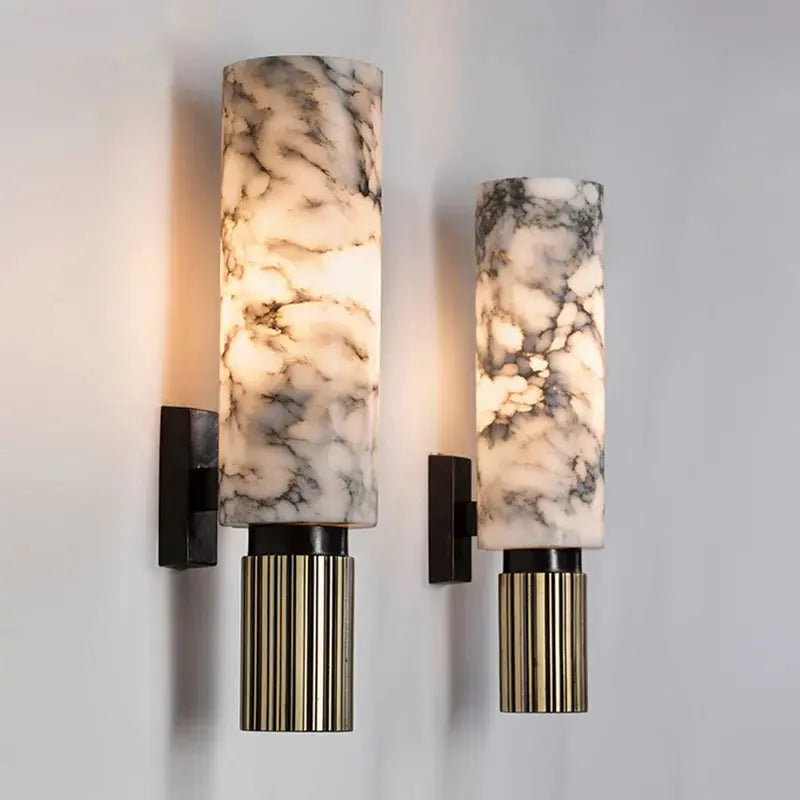
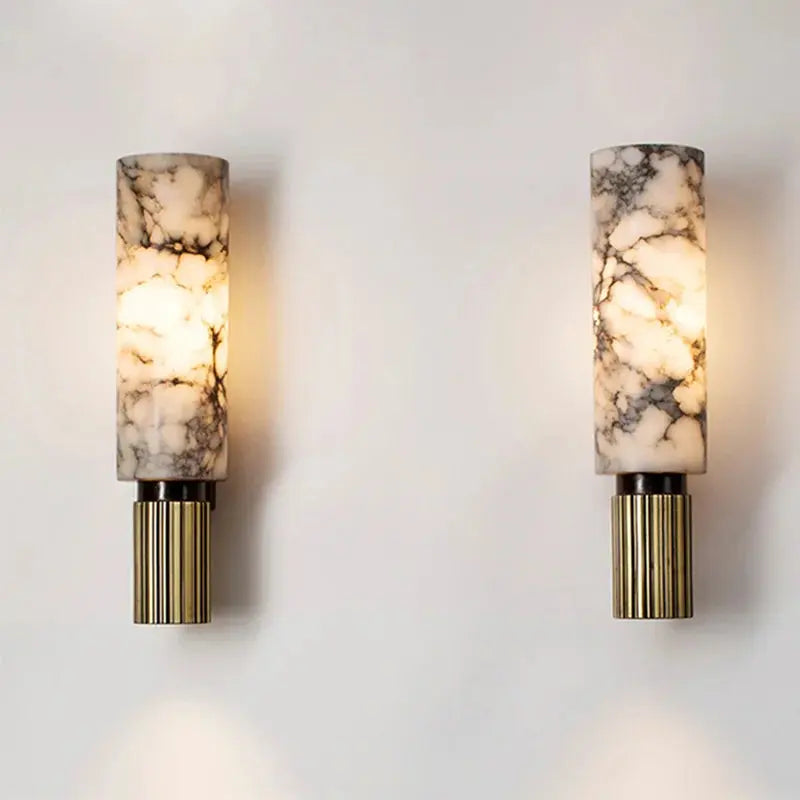
Then add wall lighting where it improves the atmosphere or function. A pair of wall lights either side of a mirror creates a polished, hotel-inspired arrangement and provides kinder illumination for checking your appearance than an overhead fitting alone. Along a longer corridor, repeated wall sconces can create rhythm and guide the eye through the home. Their glow also softens hard surfaces, which is particularly valuable in hallways with timber floors, plaster walls and little soft furnishing.
Accent lighting is the element that makes the scheme feel intentional. A small picture light, a focused downlight over a console, or subtle lighting near a favourite piece of sculpture can turn a practical passage into a curated space. It is not essential in every compact hallway, but it makes a noticeable difference where there is art, texture or an architectural feature worth celebrating.
Start With Ceiling Height and Hallway Proportions
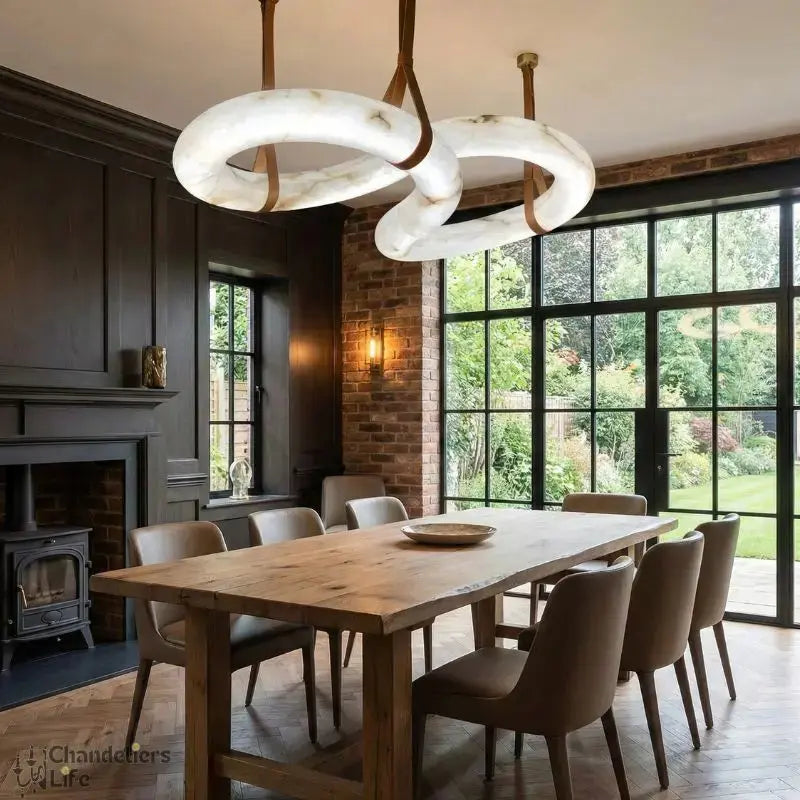
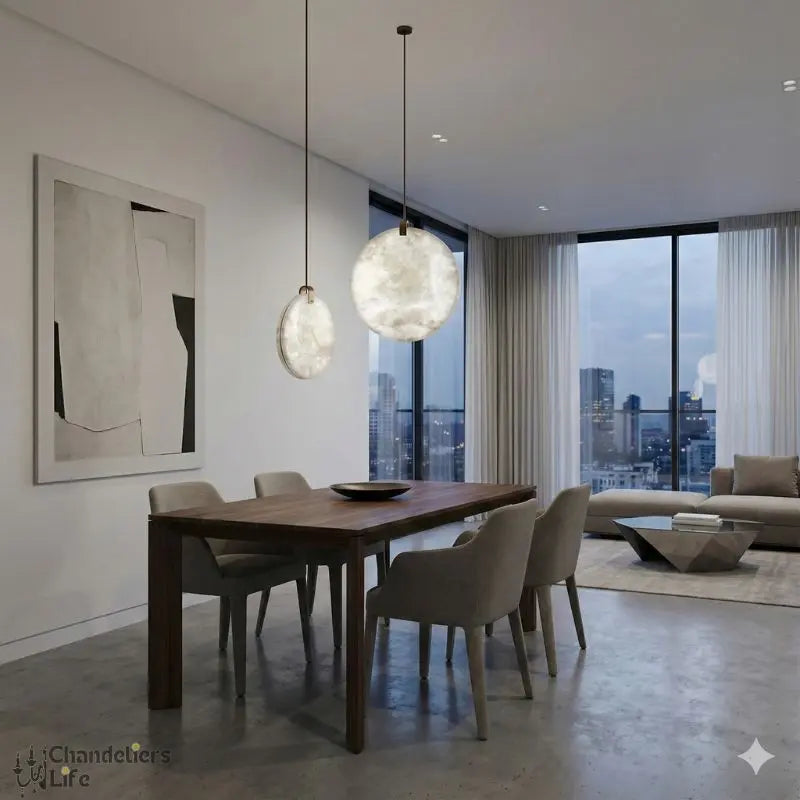
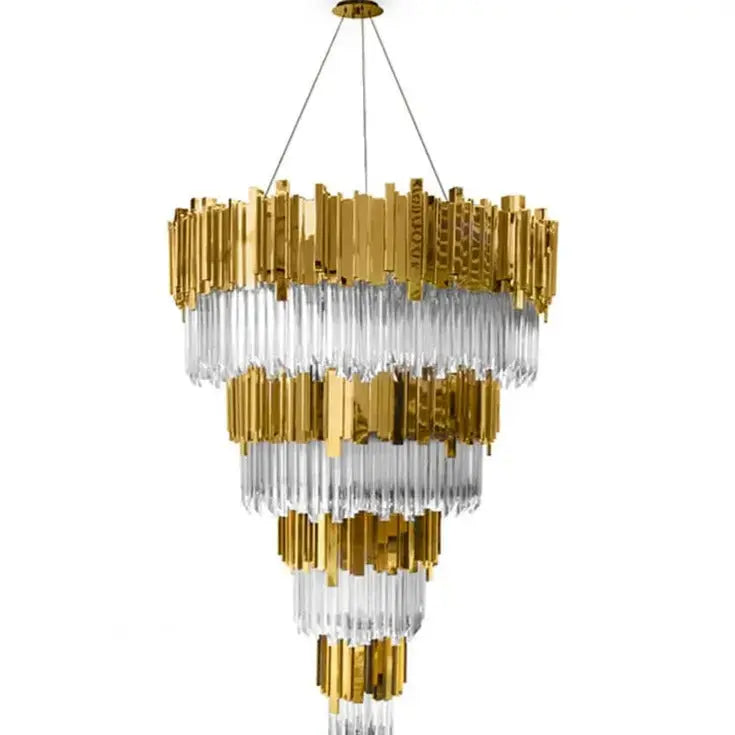
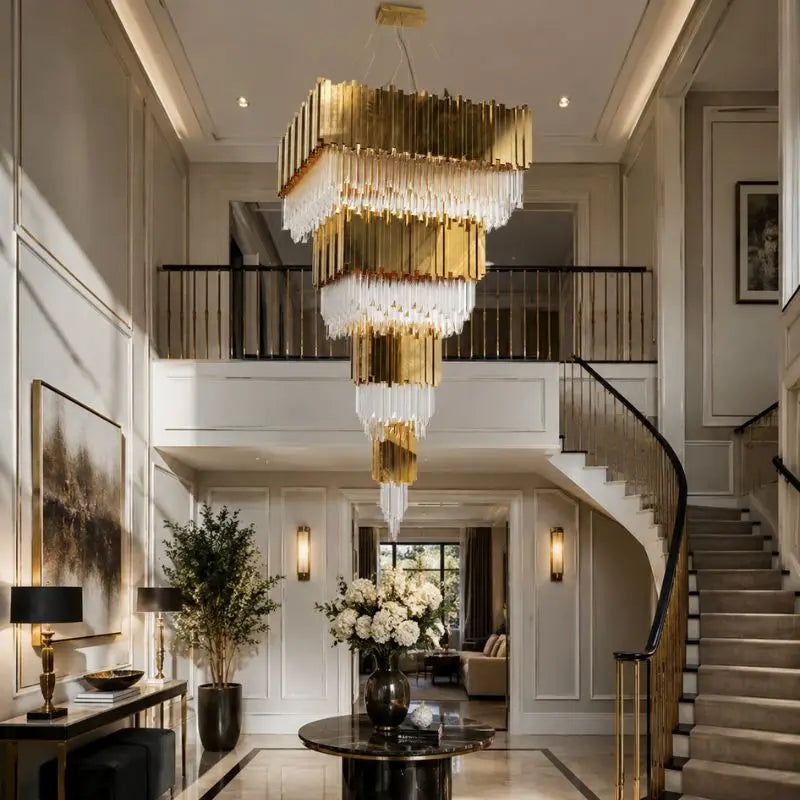
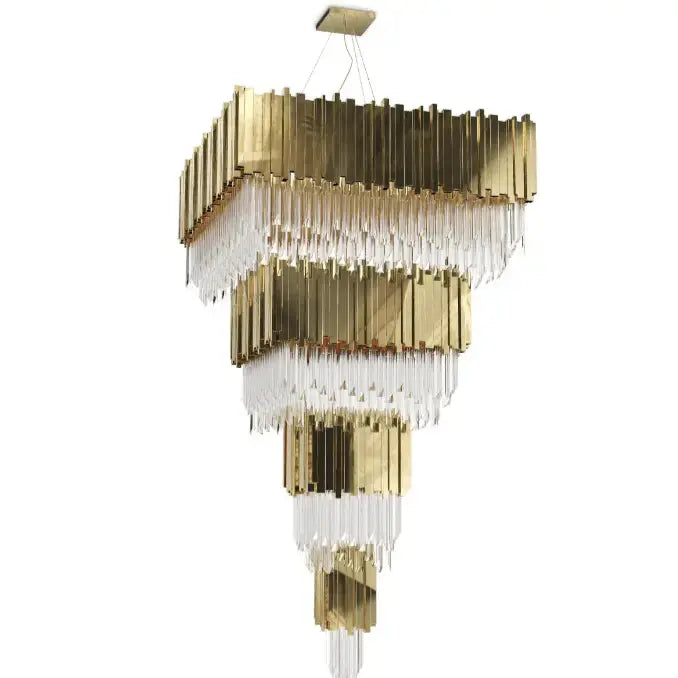
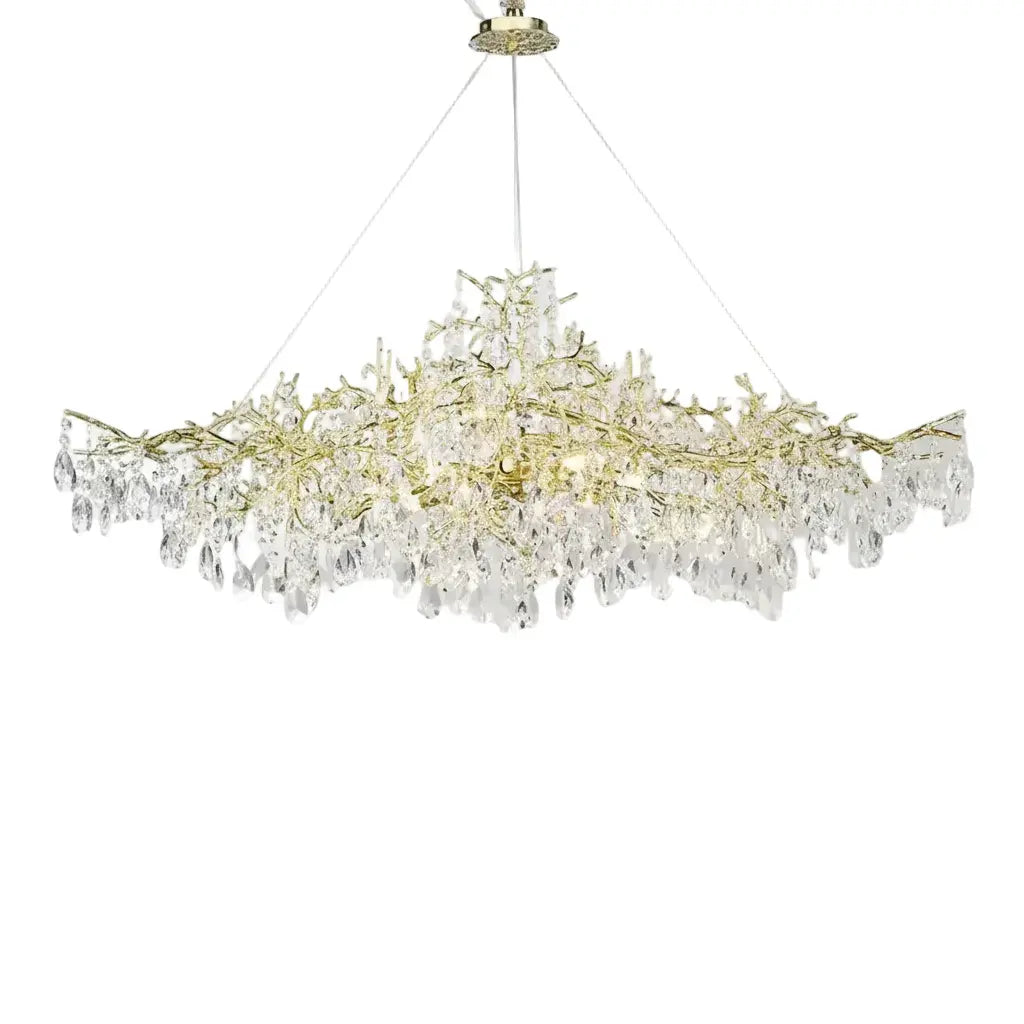
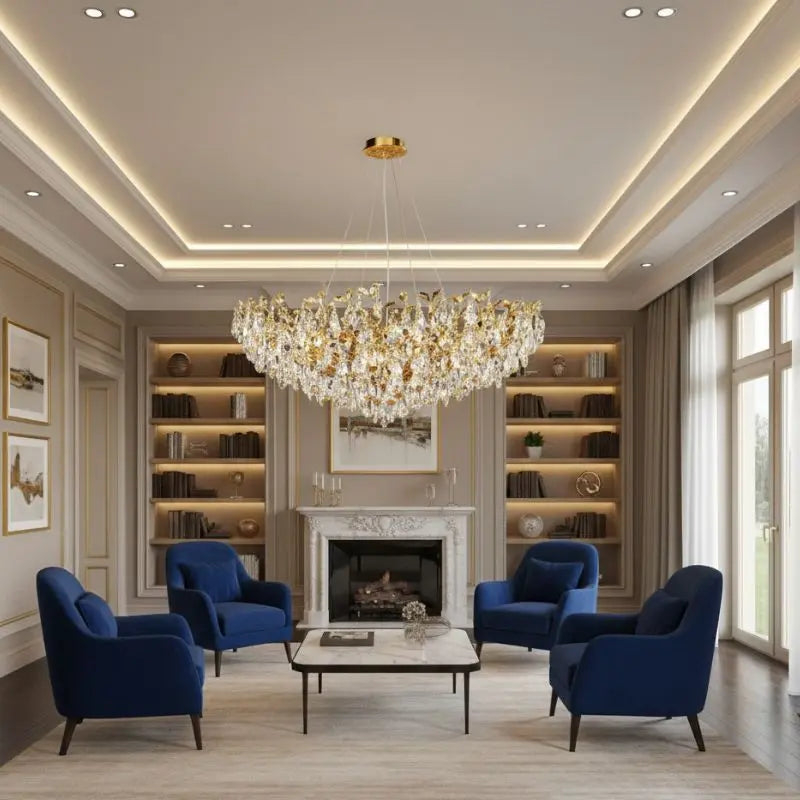
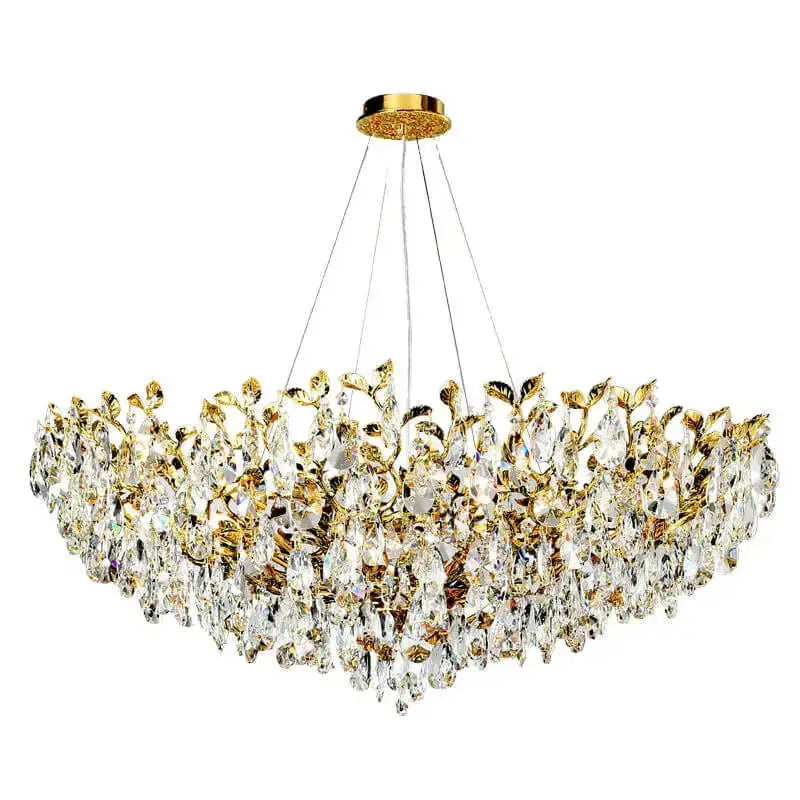
The size of your fitting should respond to the room, not compete with it. In a grand entrance with a high ceiling, a chandelier with crystal, sculptural metalwork or alabaster detailing can introduce timeless elegance while filling the vertical space. It should sit high enough that nobody can walk beneath it uncomfortably. As a useful rule, allow at least 2.1 metres of clearance from the floor to the bottom of a hanging fitting in a walkway.
For a narrow hall, avoid choosing a broad, low-hung pendant simply because it is visually striking in a photograph. It may interrupt sightlines and make the passage feel tighter. A slim linear fixture, compact lantern pendant, semi-flush design or carefully selected ceiling light usually gives a more refined result.
Long hallways benefit from repetition. Rather than relying on one oversized fitting in the middle, consider two or three smaller ceiling fixtures spaced evenly along the length. This gives consistent illumination and introduces a deliberate visual cadence. If the ceiling is low, wall lights and flush fittings can deliver the same sense of rhythm without crowding the room.
A staircase deserves its own consideration. In a double-height stairwell, a cascading chandelier can become the defining feature of the entrance. Choose a design that reads beautifully from both the lower hall and upper landing, and check its scale from every viewpoint before installation. For more modest stairways, wall lights placed along the ascent offer a graceful alternative and improve visibility on each step.
Choose the Right Decorative Direction
Your hallway fixture is an introduction to the home's wider design story. A faceted crystal chandelier brings luminosity and formal glamour to traditional interiors, especially when paired with a dark timber console, antique mirror or detailed wall moulding. A contemporary sculptural pendant in brass, black or smoked glass suits cleaner spaces with restrained finishes.
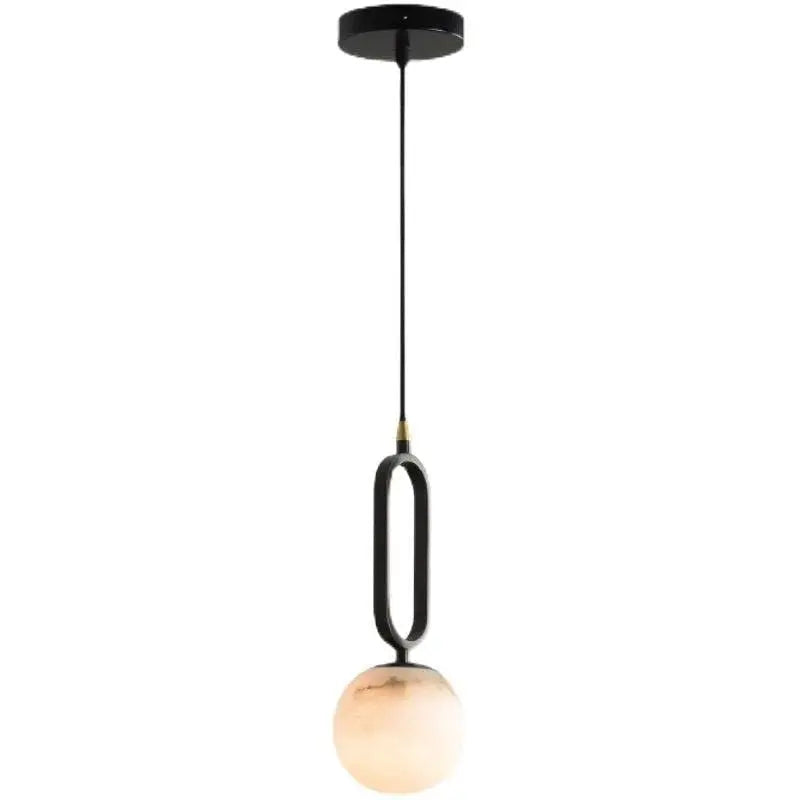
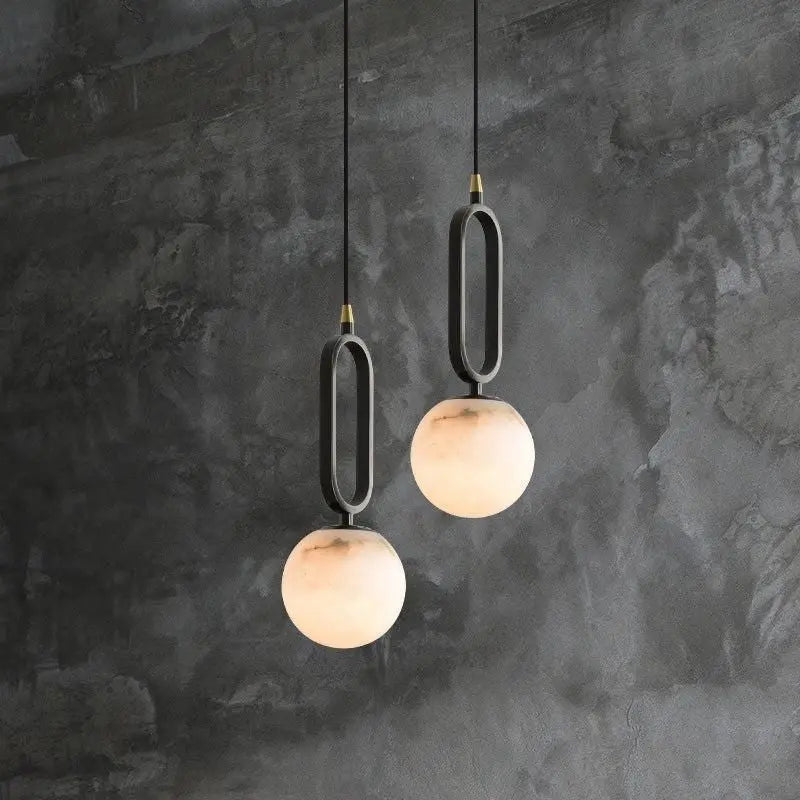
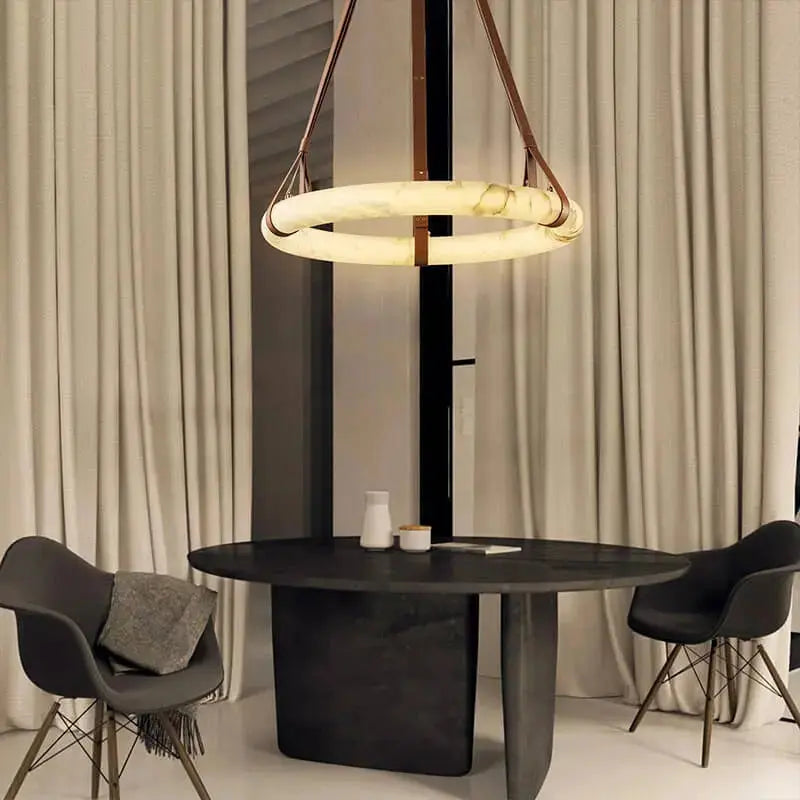
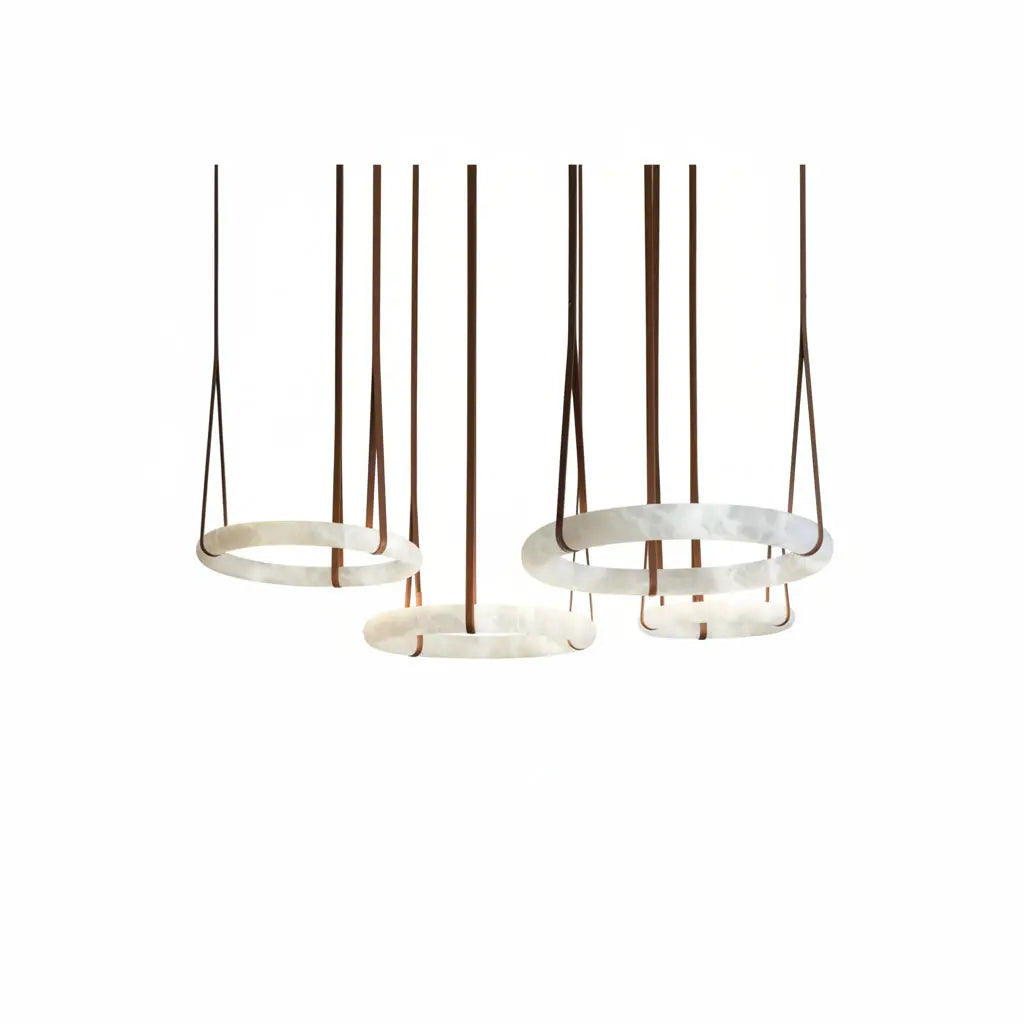
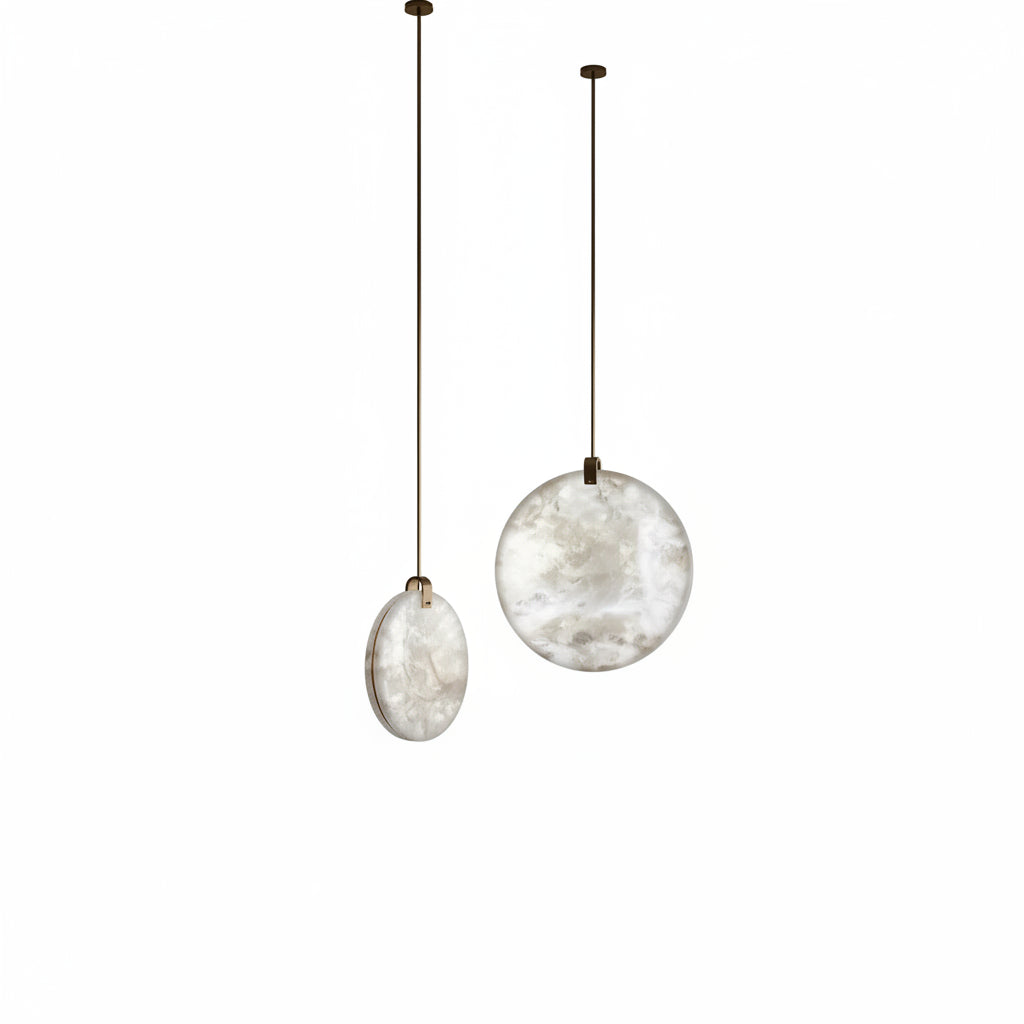
For a softer luxury look, alabaster-style shades diffuse light with a warm, atmospheric quality. Marble-inspired details can add substance to modern entryways, particularly beside natural oak, limestone or muted paint colours. The point is not to match every finish exactly. It is to choose a fitting with enough presence to feel purposeful, while allowing the hallway's architecture to remain visible.
Use Wall Lights to Make the Space Feel Wider
Wall lights are among the most effective answers to a hallway that feels dark or confined. Light cast across a wall expands the perceived width of the space, whereas a single downlight can emphasise the corridor-like shape. Select shades that conceal the lamp from direct view or use frosted glass to prevent glare at eye level.
Place wall lights at roughly eye level, often around 1.5 to 1.7 metres from the floor to the centre of the fitting, then adjust for the design and ceiling height. When flanking a mirror, aim for symmetrical positioning with the bulbs close to face height. This reduces unflattering shadows beneath the eyes and chin.
A matching pair makes a compact entrance look composed, but matching is not the only option. In an eclectic interior, a statement ceiling fixture can sit beautifully alongside understated wall lights in a related finish. What matters is that their scale and colour temperature feel connected. Too many competing decorative pieces can make a small hallway feel busy rather than luxurious.
Select Bulbs for Warmth, Clarity and Control
A decorative fixture is only as successful as the light it produces. For most residential hallways, warm white bulbs around 2700K create an inviting, elegant atmosphere. If your hall has very little daylight or doubles as a practical family entrance, 3000K offers a slightly crisper look without appearing cold.
Choose bulbs with good colour rendering, ideally a CRI of 90 or above, if you want artwork, paint colours and material finishes to look their best. This is particularly worthwhile in a hallway, where the lighting often sets the first impression of the entire home.
Dimmable fittings are a thoughtful upgrade. Brighter light is useful during busy mornings, when guests arrive or when children are moving between rooms. A lower level is more flattering and restful in the evening. Make sure the bulbs, dimmer switch and fitting are compatible, as not every LED bulb performs well on every dimming system.
If your chosen chandelier uses exposed bulbs, select a warm filament-style LED to preserve its decorative character. For enclosed glass or fabric shades, use bulbs whose output is strong enough for the shade material. An opaque shade may need more lumens than clear glass to achieve the same usable brightness.
Plan the Switches Before the Installation
A beautiful hallway scheme should also be effortless to live with. In a long corridor, consider two-way switching so the lights can be controlled from both ends. At a staircase, switches at the bottom and top are a practical safety measure. Motion sensors can be useful in utility entrances or family homes, although they may feel less polished in a formal front hall unless discreetly integrated.
Separate the ceiling fixture from wall and accent lighting where possible. This gives you the flexibility to use a chandelier as a statement piece in the evening without fully lighting the space, or to leave subtle wall lights on as a welcoming glow. It is a small planning decision with a substantial effect on how luxurious the home feels after dark.
Always have fixed lighting installed and checked by a qualified electrician in line with relevant local requirements. This is especially important when adding new circuits, dimmers or fittings near a stairwell.
Avoid the Common Hallway Lighting Mistakes
The most frequent mistake is relying on one ceiling light and expecting it to do everything. Even a beautiful central fitting can leave walls dull, create shadows near doors and make the hall look flat. Layering does not necessarily mean adding many fixtures. A compact ceiling light and two wall lights may be all a smaller entry needs.
Another issue is over-scaling. A statement chandelier should command attention, but it must not block a door swing, overwhelm a low ceiling or make guests instinctively duck. Measure the fixture's diameter, drop and clearance before ordering, including the final chain or rod length.
Finally, do not ignore glare. Bare high-output bulbs, overly cool light and poorly positioned downlights can make an entrance feel clinical. Diffused shades, warm LEDs and dimming capability create a far more flattering result.
At ChandeliersLife, the most memorable hallway schemes balance practical illumination with a fixture that feels worthy of the home beyond it. Let the proportions of your space lead the decision, then choose lighting that makes every arrival feel considered, warm and beautifully personal.