A beautifully chosen outdoor sconce does more than brighten the walk from gate to front door. It gives your home a welcoming presence after dark, draws attention to fine brickwork or stone, and makes everyday arrivals feel considered. Knowing how to choose outdoor sconces means balancing that visual impact with proportion, weather protection and the practical light your exterior actually needs.
For a grand entrance, a pair of lantern-style wall lights can frame the doorway with timeless elegance. For a streamlined new-build, sculptural black or brass fittings may create the sharper architectural statement that suits the façade. The right choice is never only about the fixture itself. It is about how it belongs to the home, by day as much as by night.
Start with the purpose of each outdoor wall light
Before choosing a finish or silhouette, consider what the sconce needs to do. A porch light has a different role from lighting beside a garage, along a garden path or beside French doors opening onto a terrace.
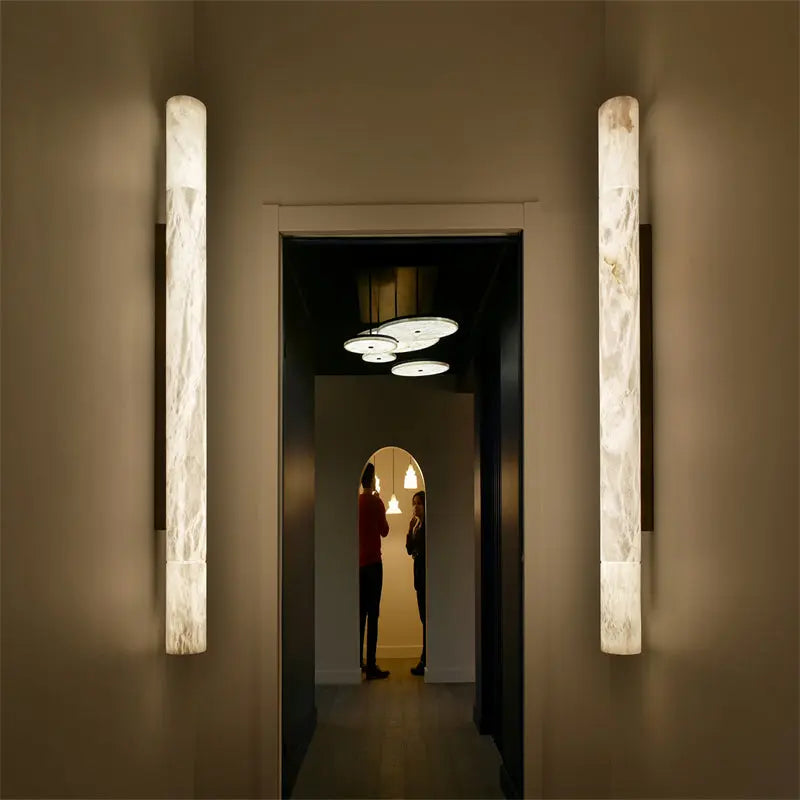
At the front door, the goal is typically a warm, inviting pool of light that helps visitors find the threshold and use the lock comfortably. Either side of the door is often the most refined arrangement, particularly on symmetrical façades. A single centred fixture above the door can work where space is limited, although it tends to offer less even illumination and can feel visually top-heavy on a tall entrance.
Near a rear door or terrace, you may need brighter, broader light for steps, seating and outdoor dining. Here, a downward-facing sconce, or a wall light with an opal or clear glass shade, can make the area more usable without turning the garden into a floodlit space. For side passages and service entrances, prioritise safe footing and low-glare visibility over decorative drama.
Security also matters, but it need not dictate a harsh look. Motion sensors and dusk-to-dawn controls can be paired with elegant wall lights, allowing your exterior to remain polished while reducing wasted energy. Choose sensor placement carefully: a fitting that faces a busy pavement or driveway may activate more often than intended.
How to choose outdoor sconces in the right size
Scale is where many otherwise lovely exterior schemes lose their confidence. Small sconces can disappear against a broad wall or oversized doorway, while imposing lanterns can crowd a compact porch. Treat the light as an architectural accessory, not an afterthought.
For lights installed on either side of a front door, a useful starting point is a fixture around one-quarter to one-third of the door height. A standard door often suits sconces roughly 40 to 60 cm tall, depending on the width of the wall space, the depth of the porch and the style of the property. Large columns, double doors and high ceilings can support taller, more substantial fittings.
Mounting height affects both appearance and comfort. The centre of the light source usually sits around 165 to 175 cm from the ground, but this is a guide rather than a fixed rule. Raise the fitting slightly where there are tall door surrounds, and check that an open door will not strike it. For an entrance with steps, measure from the finished landing rather than the lower path.
Projection deserves equal attention. A sconce should be deep enough to create presence and direct light effectively, yet not so deep that it obstructs a narrow path. Beside garage doors or on tight side elevations, a more compact profile may be the sensible luxury choice.
Choose a weather rating for the exposure
Outdoor lighting must be specified for the conditions it will face, not simply for the place where it looks best in a photograph. In the UK, look for an appropriate IP rating, which indicates protection against solids and water.
An IP44-rated fixture is commonly suitable for sheltered exterior walls where it will encounter rain but is not exposed to powerful water jets. For a fully exposed coastal setting, an open garden wall or an area likely to receive driving rain, a higher water-protection rating is often the wiser investment. Always follow the manufacturer’s installation guidance and ask a qualified electrician to confirm suitability for the exact position.
Material is equally significant. Powder-coated aluminium, stainless steel and solid brass are popular options, but no material is entirely maintenance-free outdoors. Brass develops a natural patina over time, shifting from bright gold to a deeper, characterful finish. This can be exquisite against traditional brick or rendered façades, but it is not the choice for someone seeking an unchanged polished appearance.
Coastal air is particularly demanding. Salt can accelerate corrosion and dull surfaces, even on fixtures marketed as durable. Select marine-grade materials where possible, avoid intricate areas that trap moisture, and rinse fittings periodically to remove salt residue. A sheltered position beneath a generous porch may allow more decorative freedom than a wall exposed to the prevailing weather.
Match the style to the architecture, not just the trend
Outdoor sconces are visible from the street, which gives them an outsized role in the home’s first impression. The most successful designs echo an architectural detail already present: the shape of a window frame, the metal finish of the front door hardware, or the clean lines of the roof and cladding.
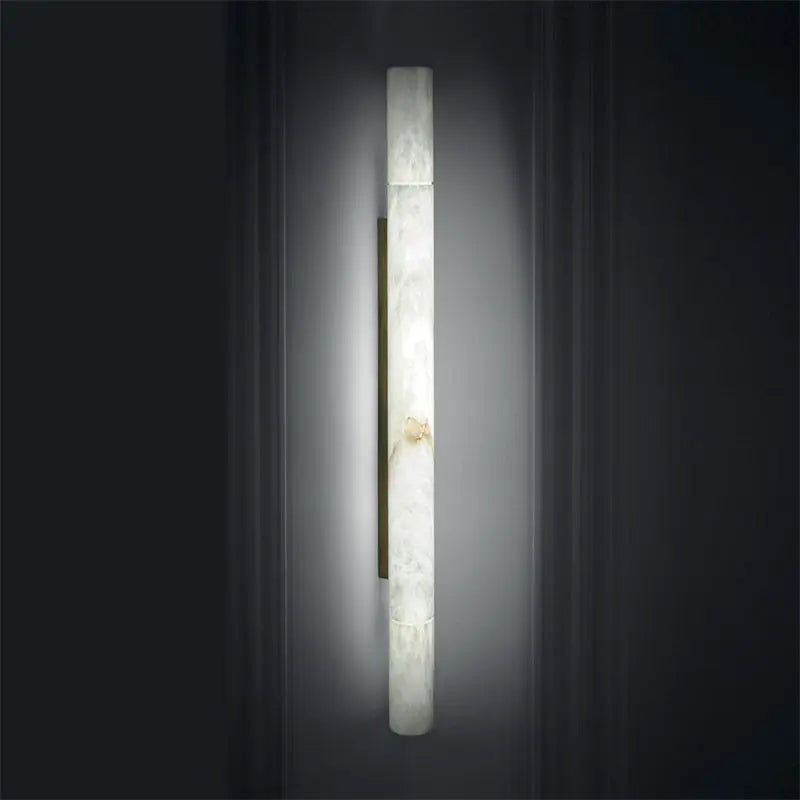
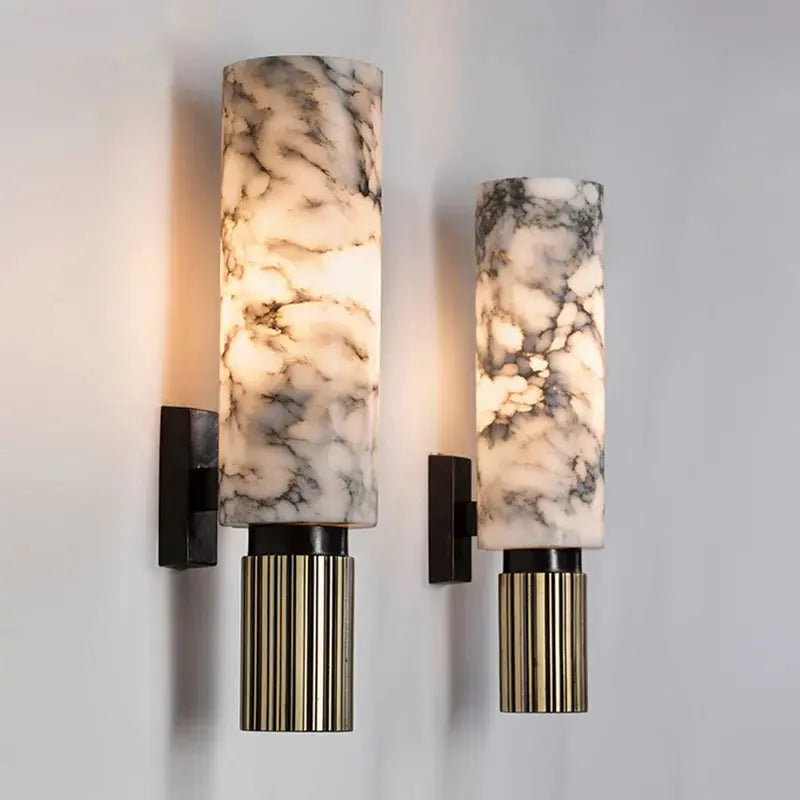
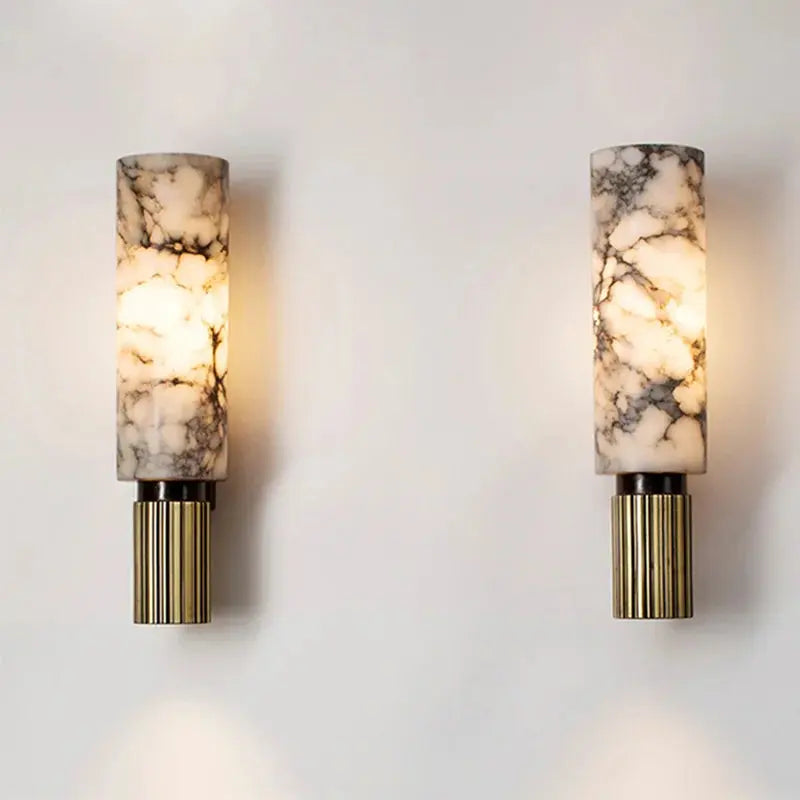
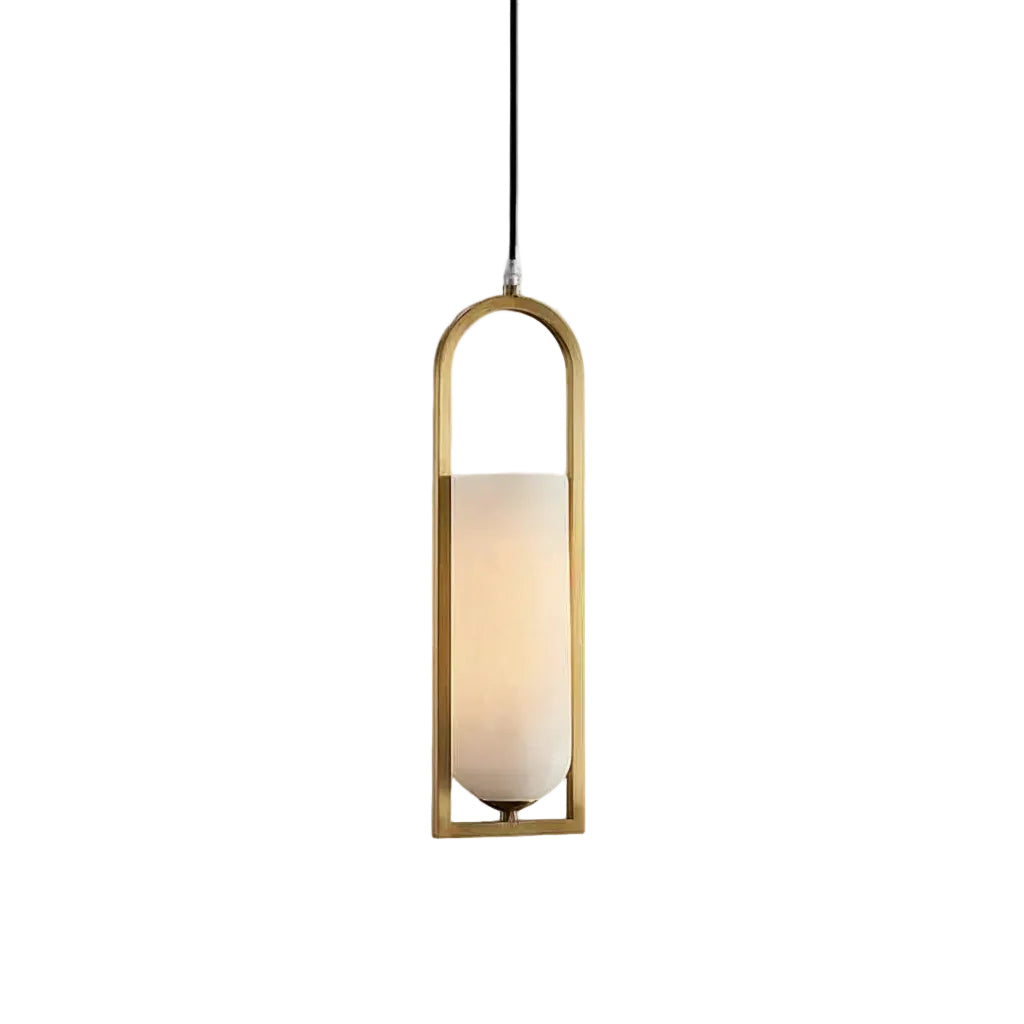
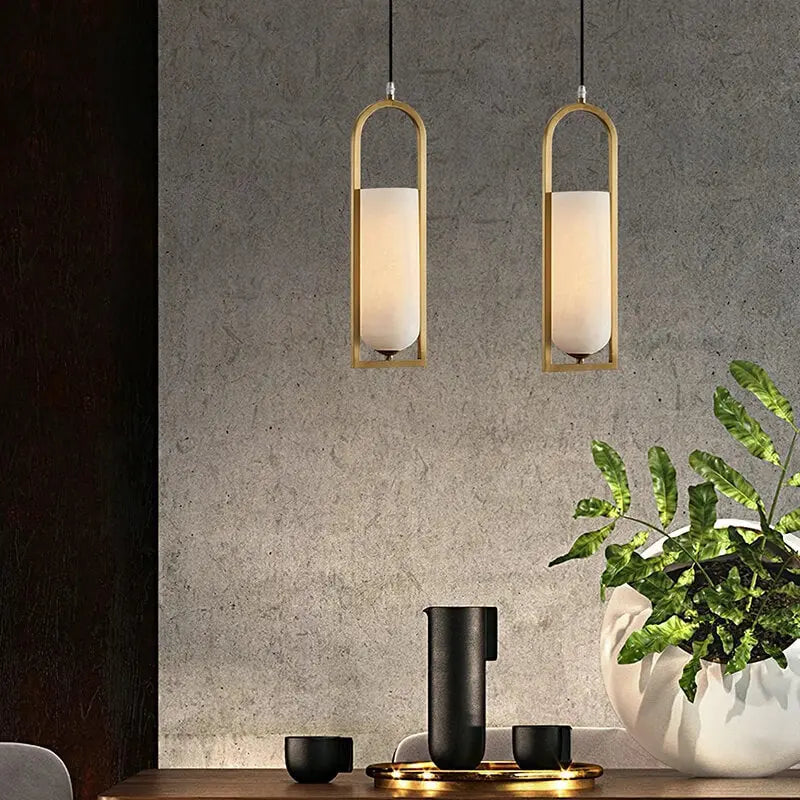
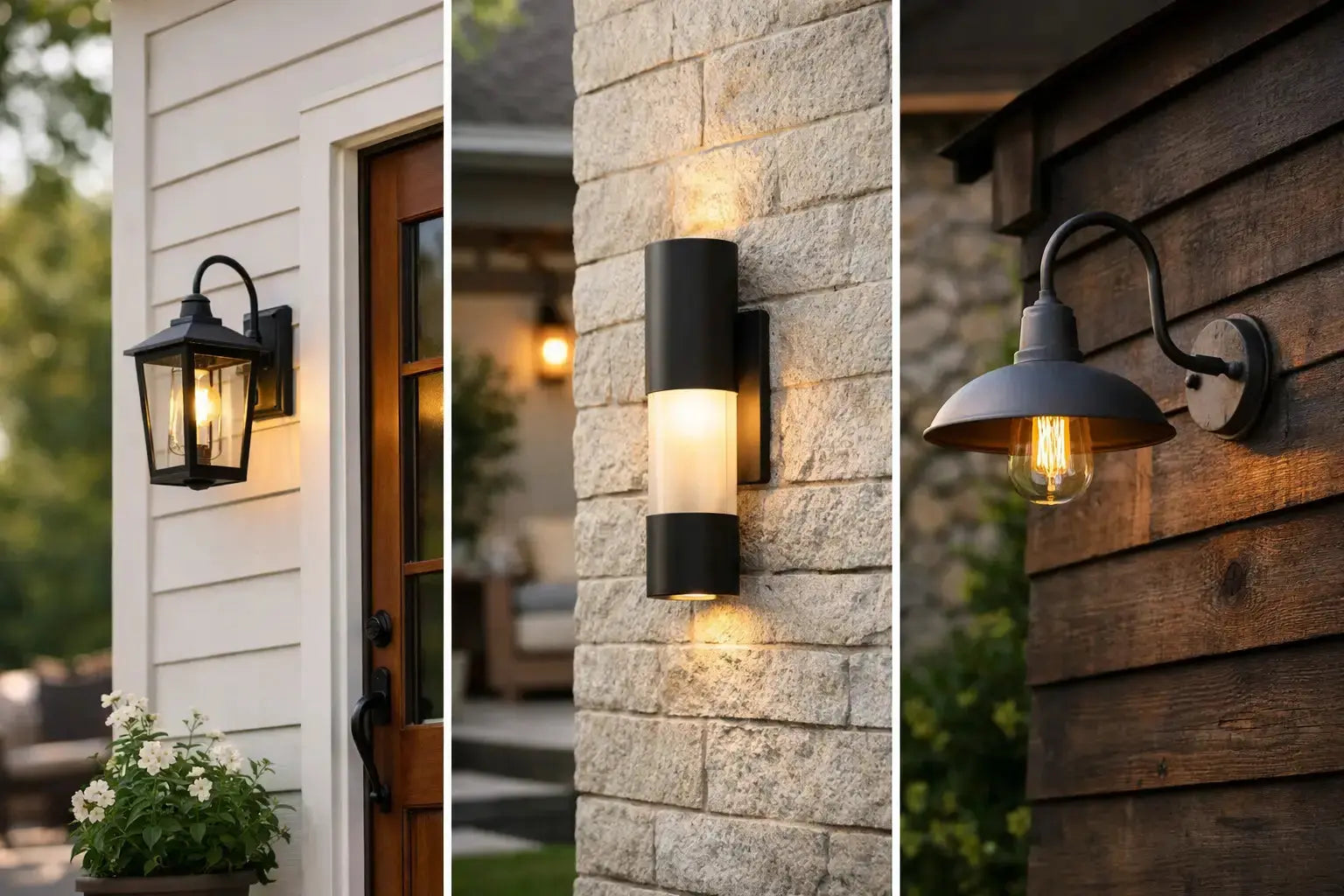
Classic lantern sconces, especially in aged brass, bronze or black, bring depth and ceremony to Georgian-inspired, Victorian and country homes. Clear seeded glass offers a gently traditional character, while ribbed or frosted glass feels more tailored and conceals the bulb more softly. For contemporary architecture, consider geometric forms, slim cylinders and restrained rectangular silhouettes in matte black, charcoal or warm metallic finishes.
Do not feel obliged to make every exterior metal match perfectly. A black wall light can sit beautifully beside a brushed brass door handle if the contrast is deliberate and repeated elsewhere, perhaps in a house number, planter or gate detail. What matters is a coherent finish family rather than exact uniformity.
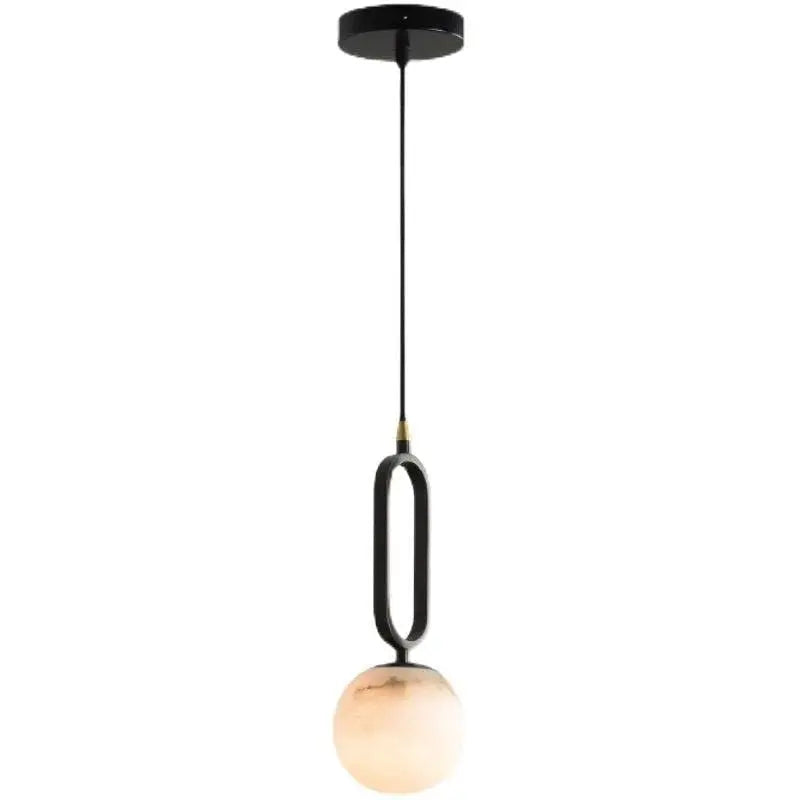
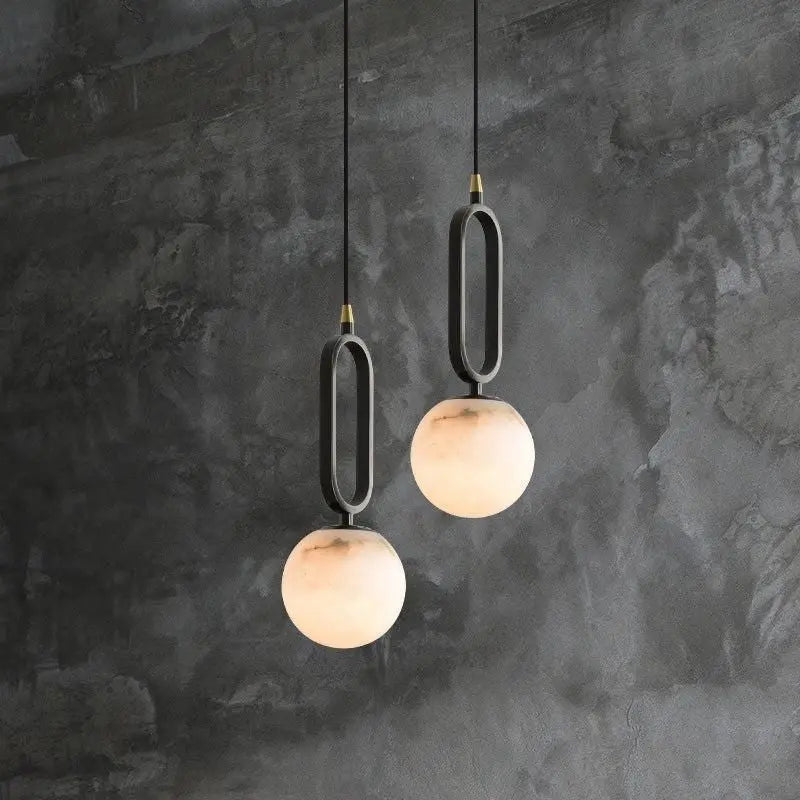
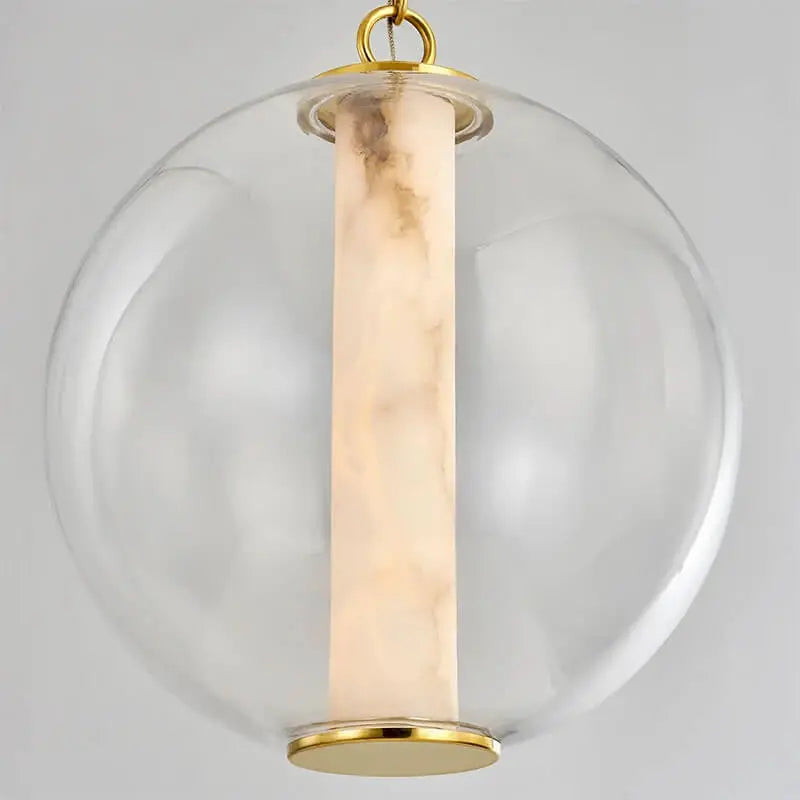
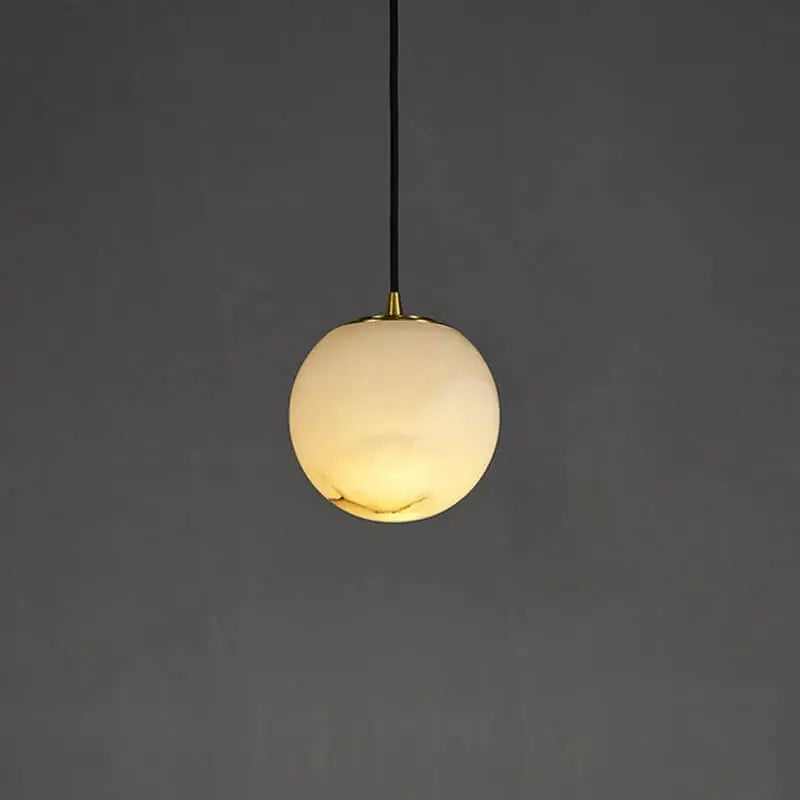
Glass selection changes the mood as well as the maintenance level. Clear glass creates crisp sparkle and reveals a decorative filament bulb, making it ideal for a statement entrance. It will also show insects, dust and water marks more readily. Opal glass diffuses the source for a gentler glow and suits modern façades or relaxed terraces where glare would be distracting.
Plan brightness, bulb warmth and glare
A sconce can be ornate and still fail if the light is too cold, dim or glaring. For a welcoming residential exterior, warm white light around 2700K is usually the most flattering choice. It enriches brick, timber and planting, and feels more hospitable than the blue-white cast of cooler lamps.
Brightness depends on the task and surrounding ambient light. Entrance sconces generally need enough output to identify faces and navigate keys, while a quiet garden wall may require only a modest wash of light. If your fitting uses replaceable bulbs, LED filament bulbs offer decorative charm with efficient running costs. Integrated LED designs often provide a particularly clean profile, but confirm the expected lifespan and whether the light source is replaceable before purchasing.
Look at the fixture from where people will stand and sit. An exposed bulb at eye level can be uncomfortable, particularly beside a terrace dining table or at the top of steps. Shades, frosted glass, downward orientation and thoughtful mounting height all help control glare. Light that falls gently onto a wall or path often feels more luxurious than a brighter fitting that shines directly into the eye.
Create a layered exterior scheme
One wall light rarely needs to carry the whole exterior. A more considered result comes from layering a statement sconce at the entrance with discreet path, step or garden lighting where it serves a purpose. This lets each source operate at a lower, more elegant level.
At a front elevation, matching sconces can frame the door while a separate pendant or flush ceiling light illuminates a covered porch. On a terrace, wall lights can establish atmosphere, with portable lamps or subtle planting lights adding intimacy later in the evening. Keep colour temperature consistent across the scheme so the exterior reads as one composed setting rather than a collection of unrelated bright spots.
For periods when the house is empty, timers or photocells are often more graceful than leaving every light on through the night. They support a lived-in appearance and improve arrival safety without unnecessarily lighting bedrooms, neighbouring properties or the night sky.
Check the practical details before ordering
Beautiful photographs cannot replace a final site check. Measure the wall area, note the location of the existing electrical point, and confirm the backplate will cover any old marks or mounting holes. Check the fitting’s height, width and projection against door swings, shutters, downpipes and nearby planting.
Also consider maintenance from the outset. Choose a design whose glass can be reached safely for cleaning and whose lamp can be changed without dismantling the fixture. Exterior electrical work should be carried out in line with current regulations by a competent electrician, particularly where new wiring, sensors or switching are involved.
A well-proportioned outdoor sconce makes the last view of your home at night every bit as memorable as the first. Choose one that respects the weather, complements the architecture and casts the kind of warm light that makes coming home feel special.