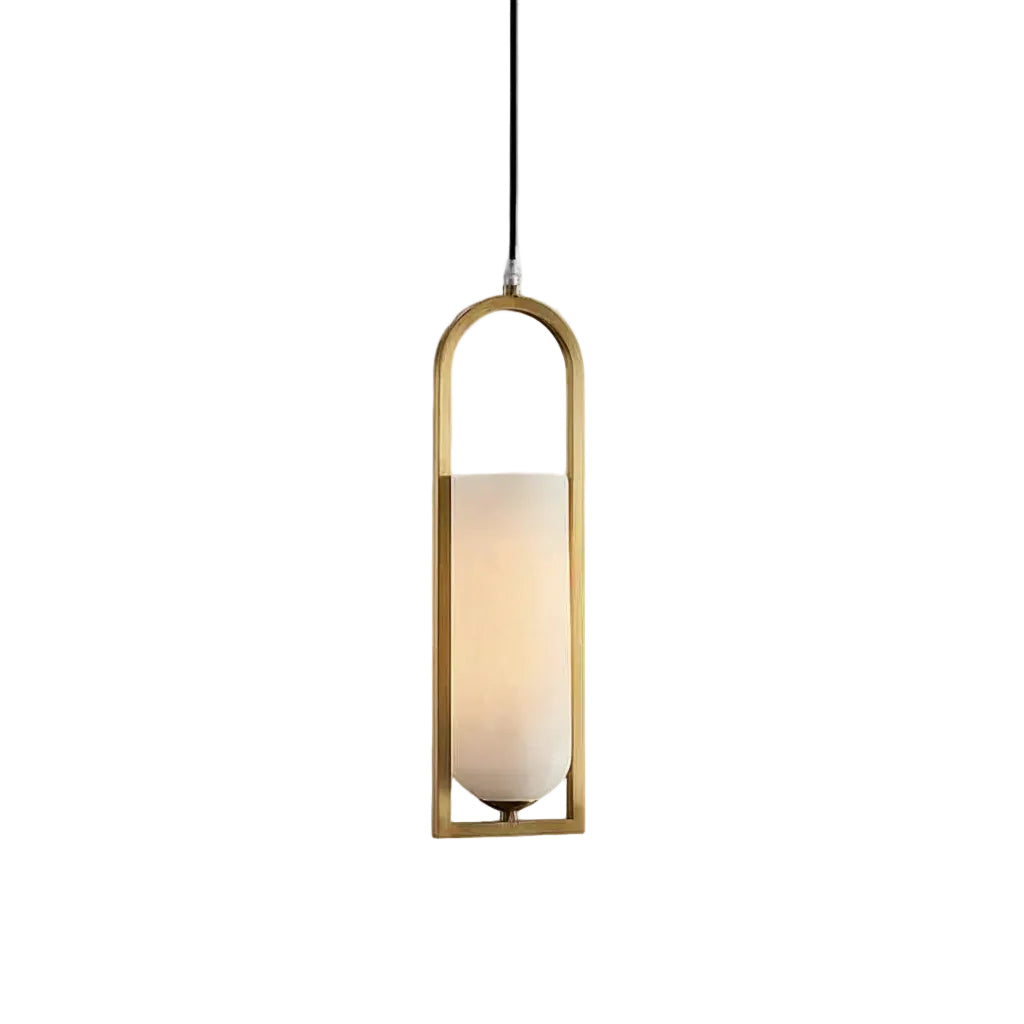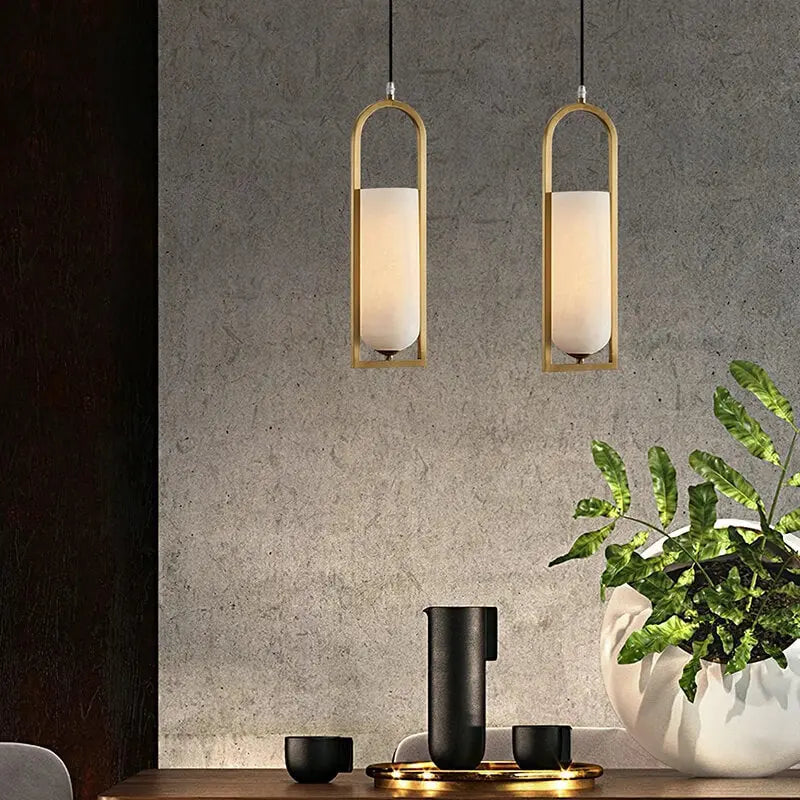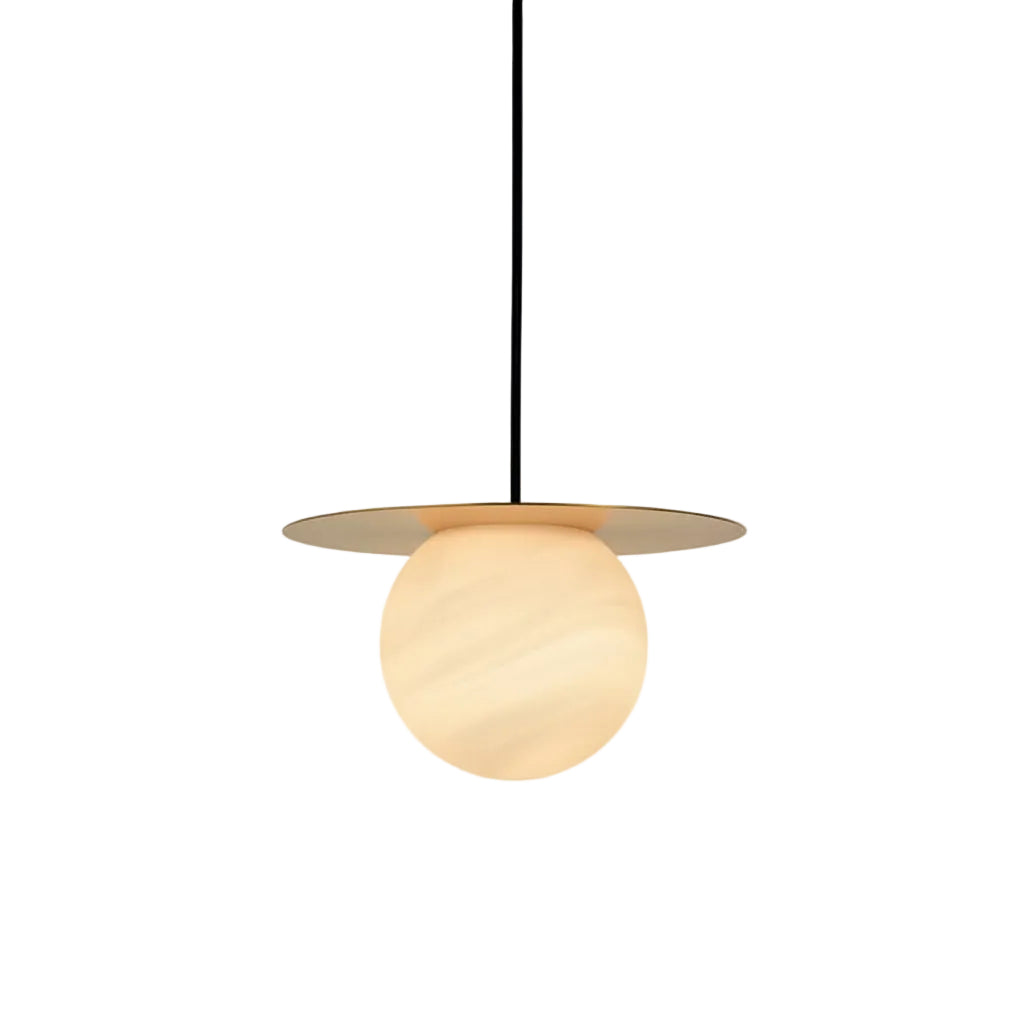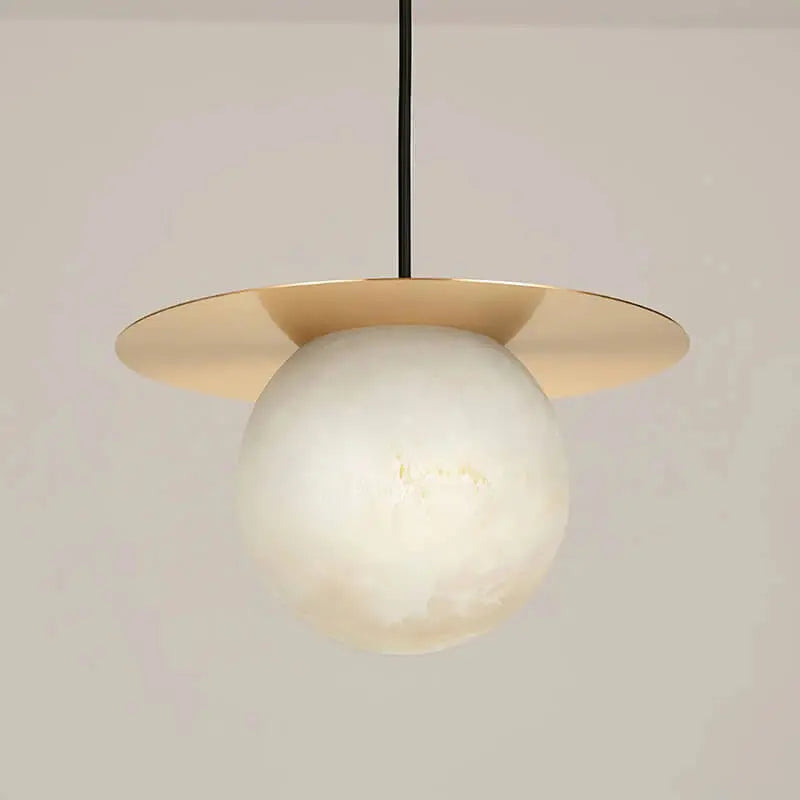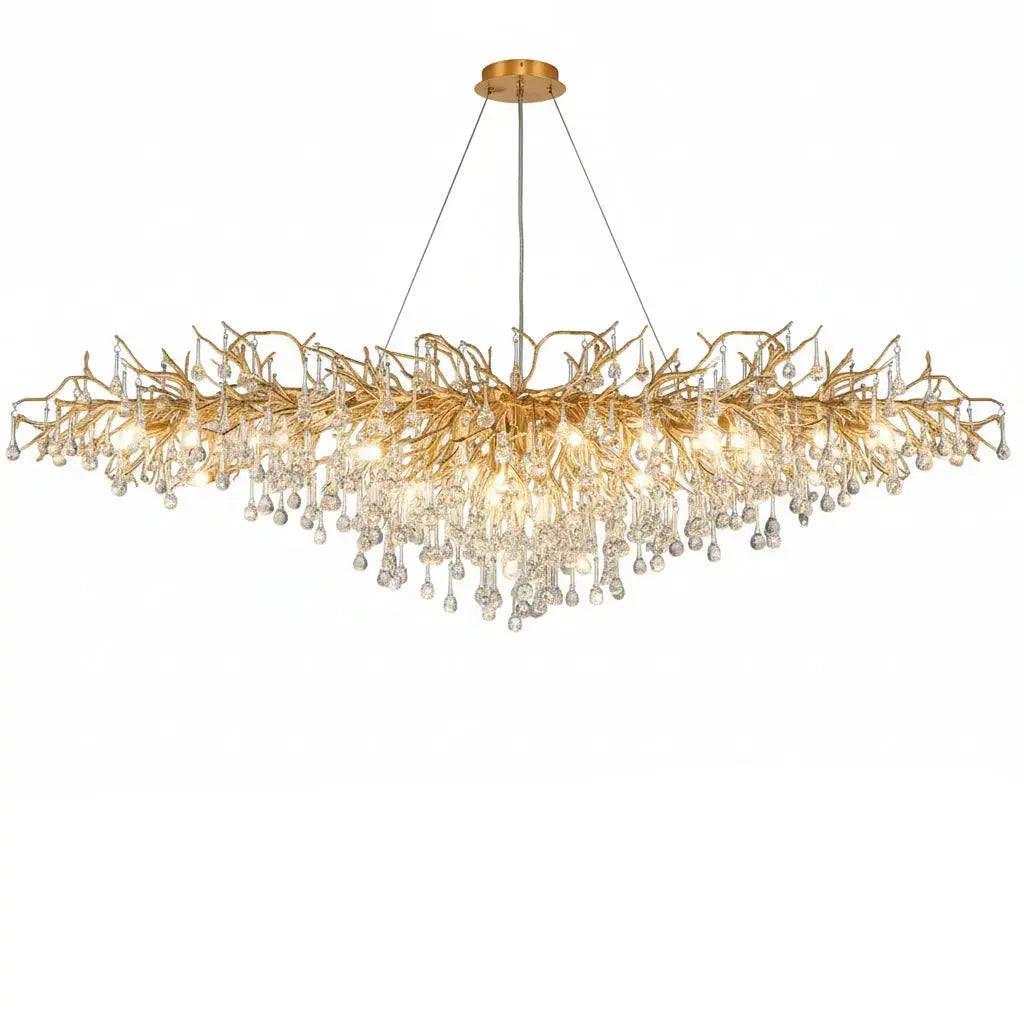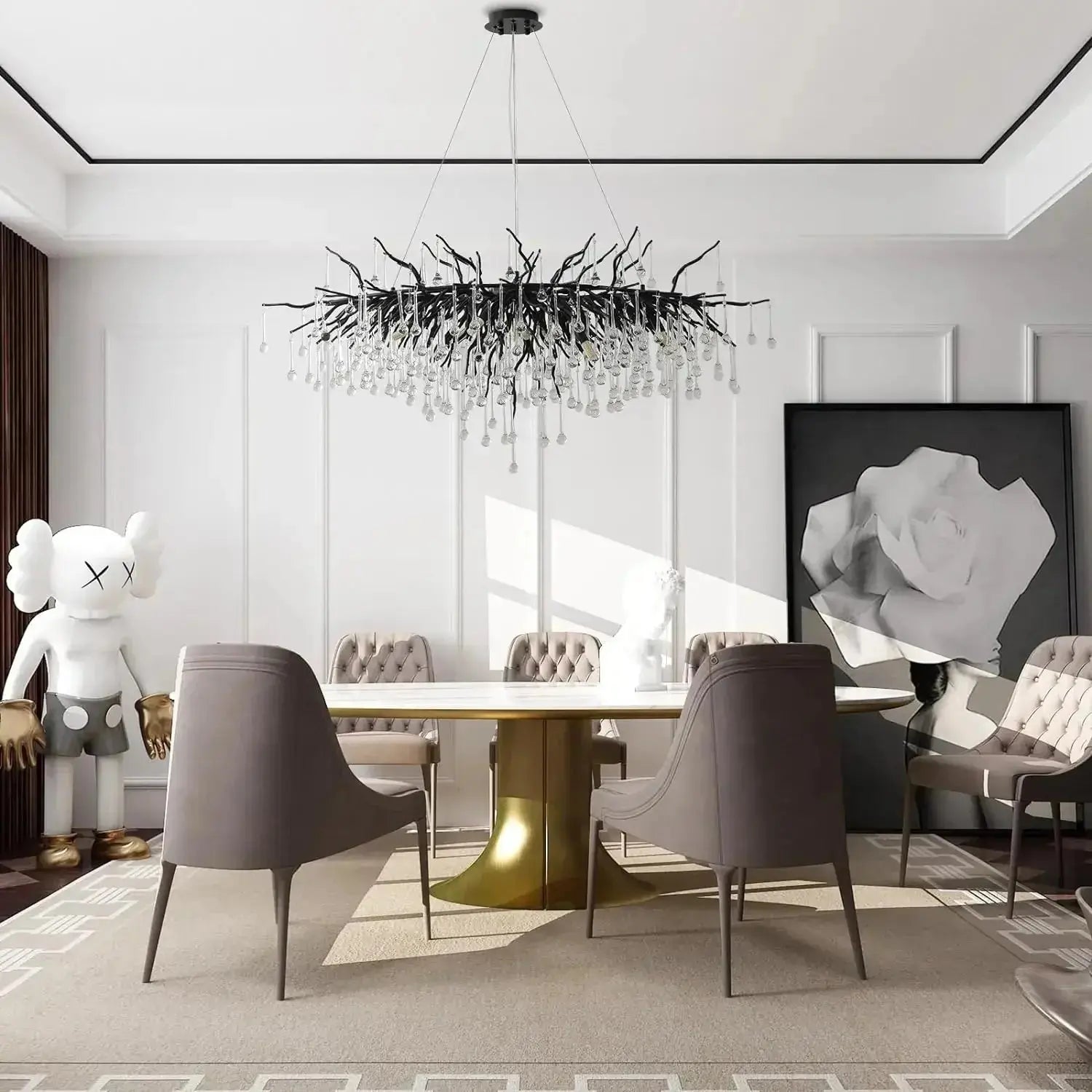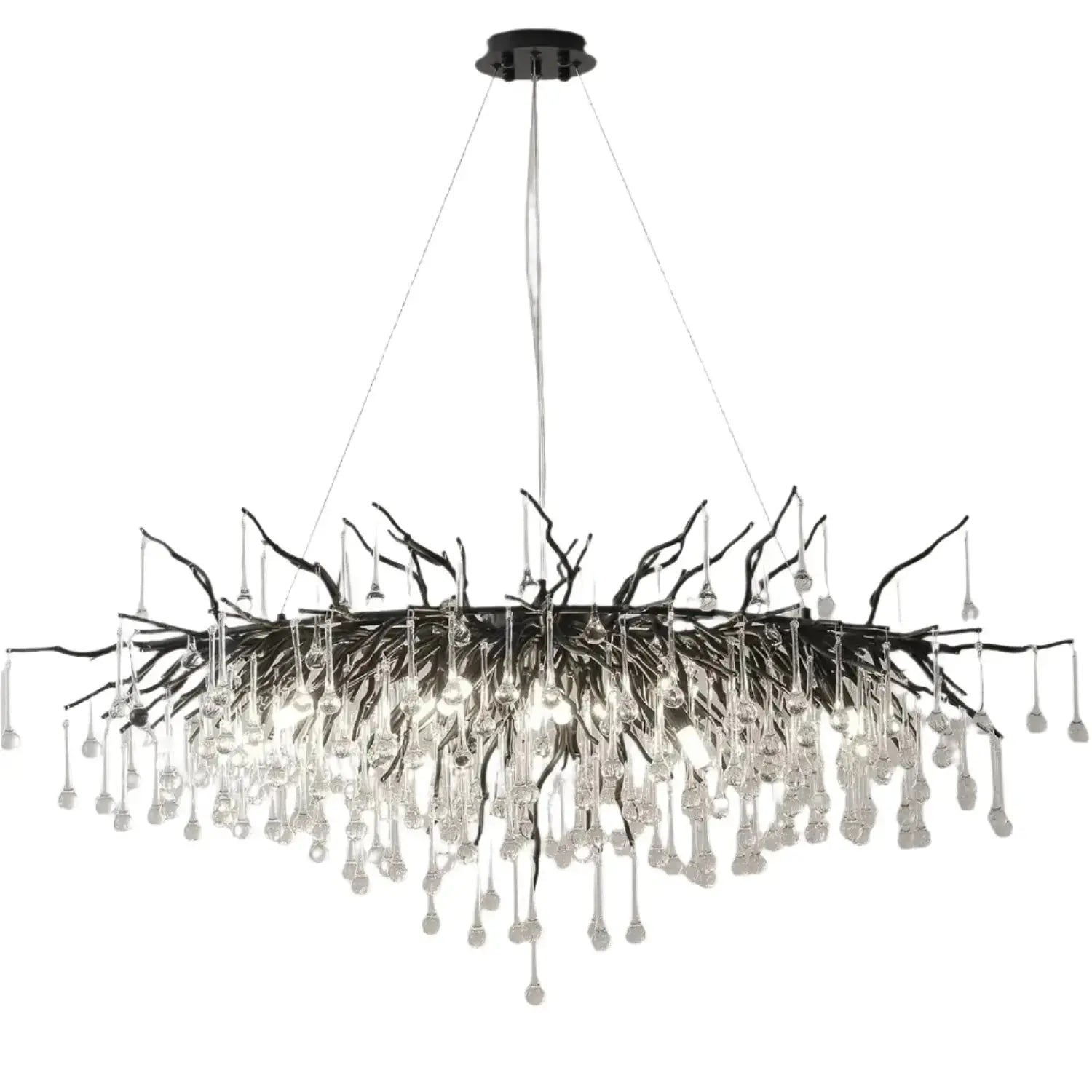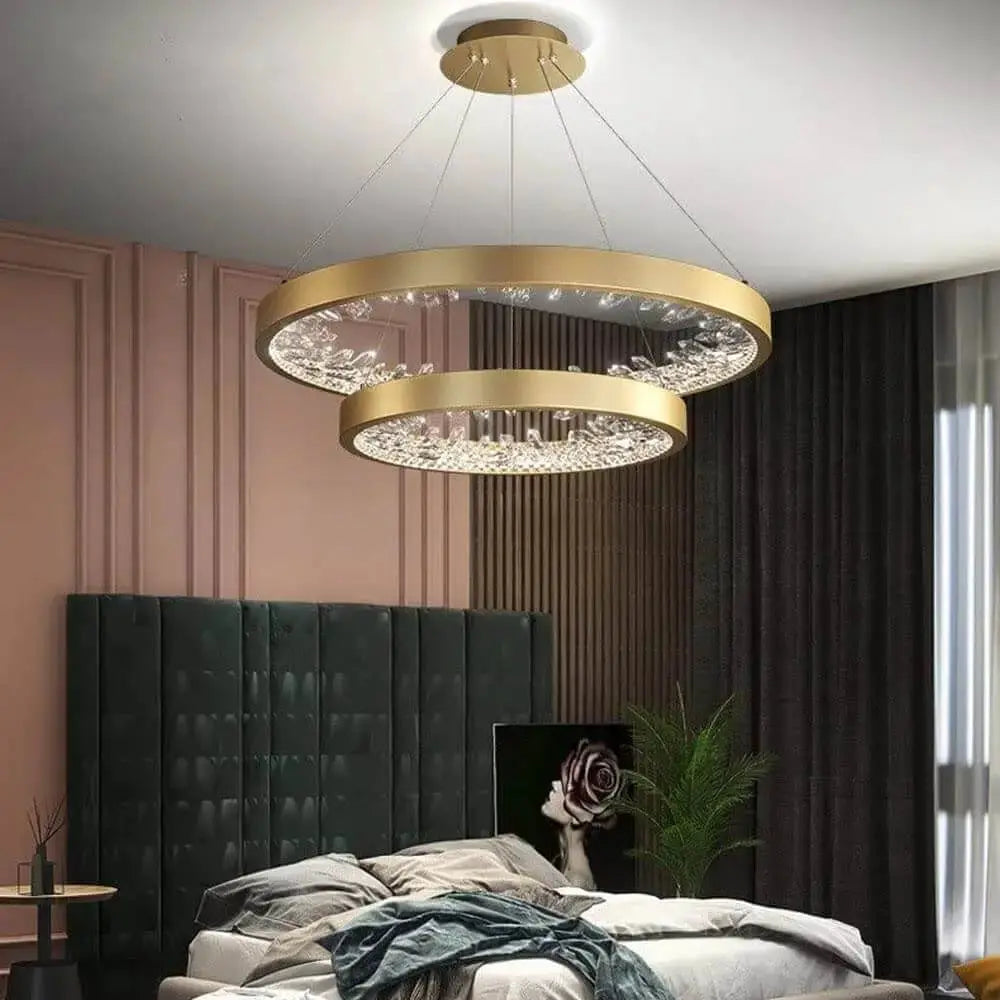

So, you're looking to spruce up your dining area? A dining table hanging lamp can really make a difference. It's not just about light, you know? It's about setting the mood, making the space feel right. Whether you're having a big family dinner or just a quiet meal for two, the right light can totally change the vibe. Let's figure out how to pick the perfect one for your place.
Key Takeaways
- Think about your room and how you use your dining table. Is it fancy or casual? This helps decide the lamp style.
- The size and shape of the dining table hanging lamp should fit your table and room. Too big or too small just looks off.
- Materials like glass, metal, or natural fibers change the look and feel. Glass can make a space feel more open.
- Consider the light color. Warm light is usually best for dining to make things cozy. Don't forget dimmers to control the brightness.
- There are lots of styles, from fancy chandeliers to simple single pendants or long linear fixtures. Pick one that matches your personal taste.
Understanding Your Dining Space And Style
Before you even start looking at fancy light fixtures, it's super important to think about your dining area itself and what kind of vibe you're going for. It's not just about picking something pretty; it's about making sure it actually works for your life and your home.
Assessing Your Room's Layout
First off, take a good look at your dining room. Is it a big, open space, or is it a cozy nook? Knowing the size and shape of your room is key. You don't want a giant chandelier crammed into a tiny room, or a little pendant lost in a huge space. Think about where the table actually sits. Is it centered? Off to one side? This will affect where you hang your light. Also, consider the ceiling height. A very low ceiling might mean you need something more streamlined, while a high ceiling can handle a more dramatic fixture. It’s all about balance and making sure the light fits the room, not the other way around.
Defining Your Lighting's Purpose
So, what do you actually do in your dining room? Is it just for formal dinners a few times a year, or is it where the family gathers for homework, crafts, and everyday meals? If it's a multi-use space, you'll want lighting that can adapt. Maybe you need bright light for tasks but also a softer glow for relaxing dinners. Think about the atmosphere you want. Do you want it to feel intimate and cozy, or bright and energetic? Gathering some inspiration photos can really help nail down the mood you're aiming for. The right light can totally change how a room feels.
Considering Table Usage and Formality
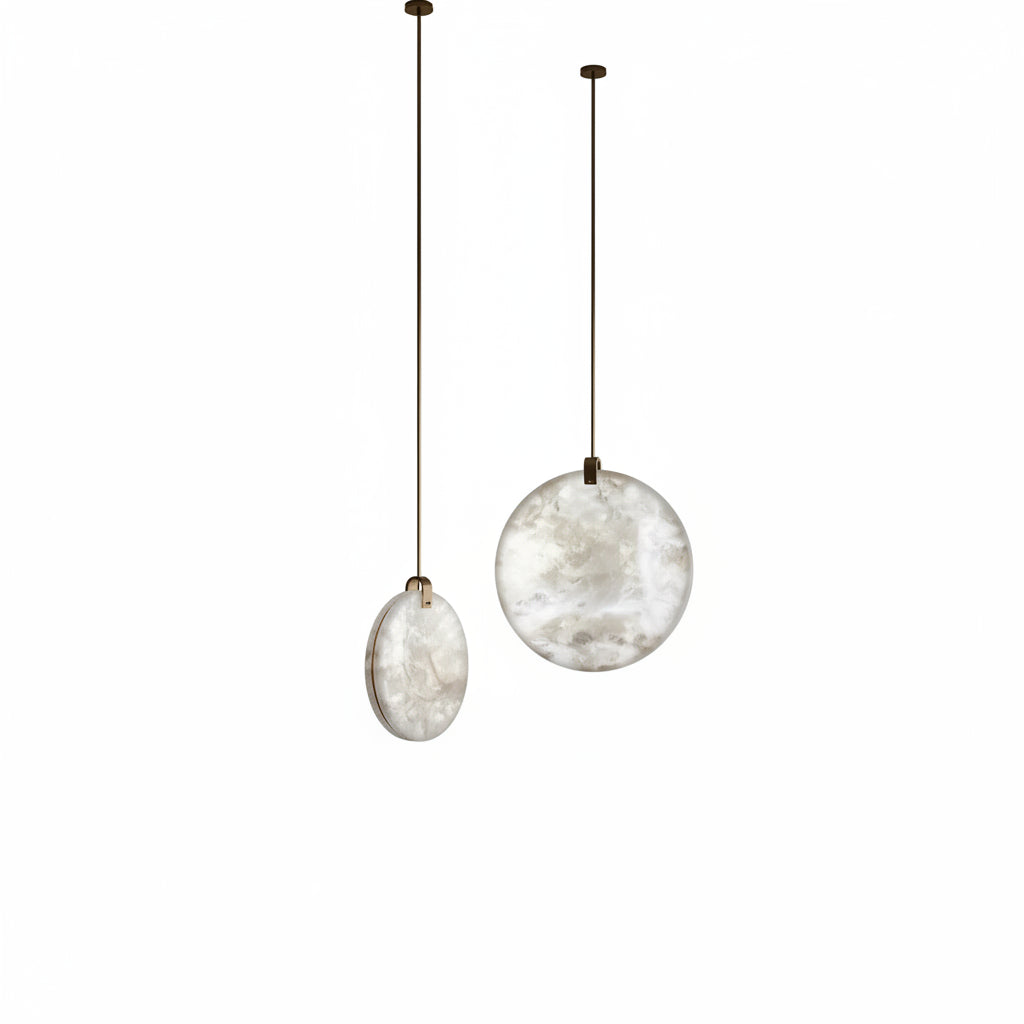
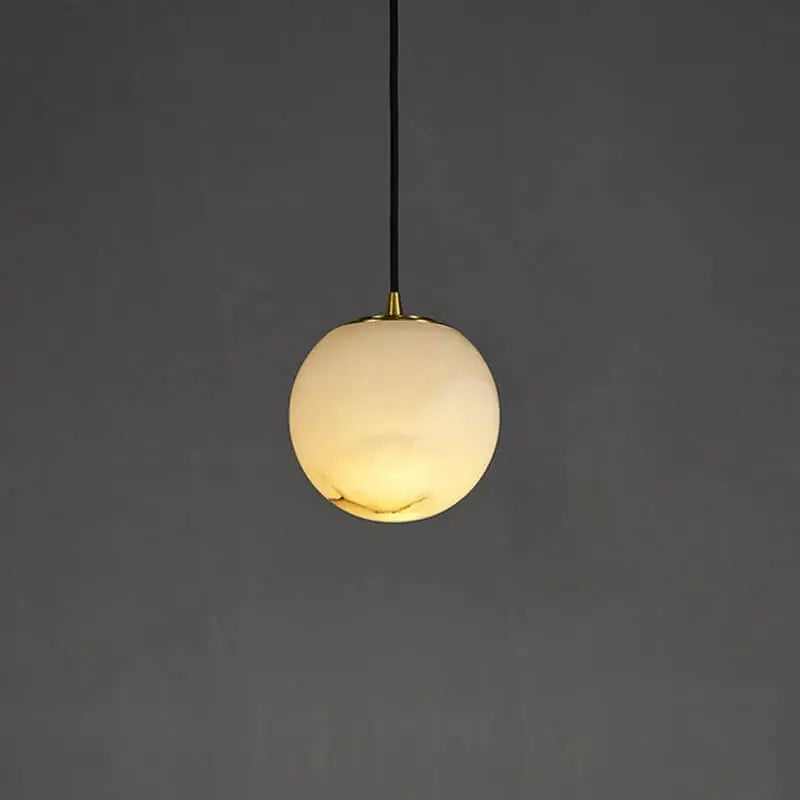
Your dining table is probably the main event in the room, so the light above it needs to play nicely with it. What kind of table do you have? A long, rectangular table might look great with a linear fixture or a series of pendants, while a round table often suits a single, central pendant or a round chandelier. Think about the formality too. A super fancy crystal chandelier might be perfect for a formal dining room, but it might feel out of place in a casual breakfast nook. Conversely, a simple, modern pendant could feel a bit too stark for a very traditional setting. It’s about making sure the light fixture complements your table and the overall style you’ve chosen for your dining space. For example, a Round Pendant Lamp can offer a soft, balanced glow that works with many table shapes and styles.
Choosing The Right Dining Table Hanging Lamp
Picking the right hanging lamp for your dining table isn't just about looks; it's about how the light feels and functions in your space. Think about the lamp's size, what it's made of, and the kind of light it gives off. These details really make a difference in how your dining area feels.
The Impact of Pendant Size and Shape
The size of your pendant light should feel balanced with your dining table and the room itself. A light that's too big can feel overwhelming, like it's taking over the whole room. On the other hand, a pendant that's too small might get lost, especially over a larger table. It's a bit like choosing clothes – you want something that fits well.
Here's a quick guide for sizing:
- Table Width: Aim for a pendant that's about half to two-thirds the width of your dining table. This gives a good visual balance.
- Room Size: Consider the overall dimensions of your dining area. A grander room can handle a more substantial fixture.
- Ceiling Height: For standard 8-foot ceilings, hang the bottom of the pendant about 30-34 inches above the tabletop. For higher ceilings, add about 3 inches for every extra foot.
Shape also plays a role. Round fixtures often look great over round tables, while rectangular or linear pendants complement longer tables. It’s about creating a sense of harmony.
Material Matters: Glass, Metal, and More
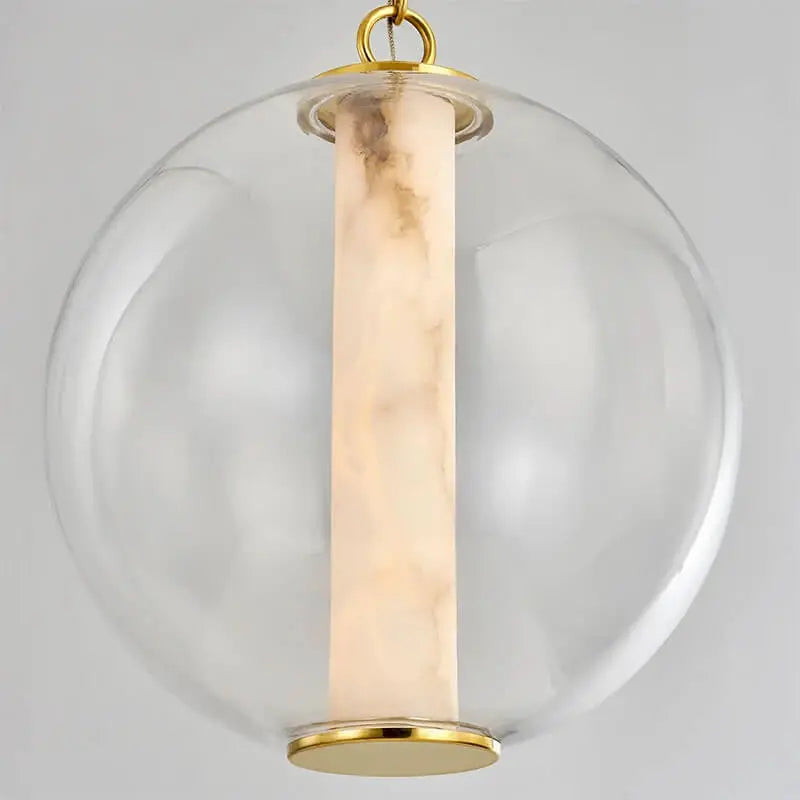
The material of your hanging lamp affects both its appearance and how it distributes light. Glass pendants, for instance, can feel light and airy, making a space seem more open. Clear glass is great for keeping sight lines open, while frosted or colored glass can offer a softer glow. If you're looking for something with a bit more presence, metal fixtures can add a touch of industrial chic or classic elegance, depending on the finish. Porcelain shades diffuse light nicely, creating a warm, inviting atmosphere, and they pair well with natural textures. When you're picking out a modern round pendant lamp, think about how the material will interact with the light and the overall vibe of your room.
Color Temperature for Ambiance
This is where you really control the mood. Light bulbs come in different color temperatures, usually measured in Kelvin (K). For a dining area, you generally want a warmer light.
- Warm White (2700K - 3000K): This is like the glow of a traditional incandescent bulb. It's cozy, inviting, and perfect for evening meals and creating a relaxed atmosphere. It makes food look appealing and people look good, too.
- Cool White (3500K - 4100K): This light is brighter and more neutral, often used in kitchens or workspaces. It's generally not the best choice for a dining table if you're aiming for a cozy feel, as it can feel a bit stark.
- Daylight (5000K+): This is very bright and blue-toned, mimicking natural daylight. It's usually too intense for a dining room setting.
Choosing the right color temperature is key to setting the mood. A warm, soft light encourages conversation and makes your dining space feel more intimate and welcoming, especially for evening gatherings.
Using dimmers is also a smart move here. They let you adjust the brightness and warmth, so you can go from bright task lighting for homework to a soft, romantic glow for dinner. It’s all about flexibility and making your light work for you throughout the day and night.
Exploring Popular Dining Table Hanging Lamp Styles
When it comes to picking out a hanging lamp for your dining area, there are tons of options out there. It's not just about light; it's about setting a mood and making a statement. Let's look at some of the most common styles you'll find.
The Elegance of Chandeliers
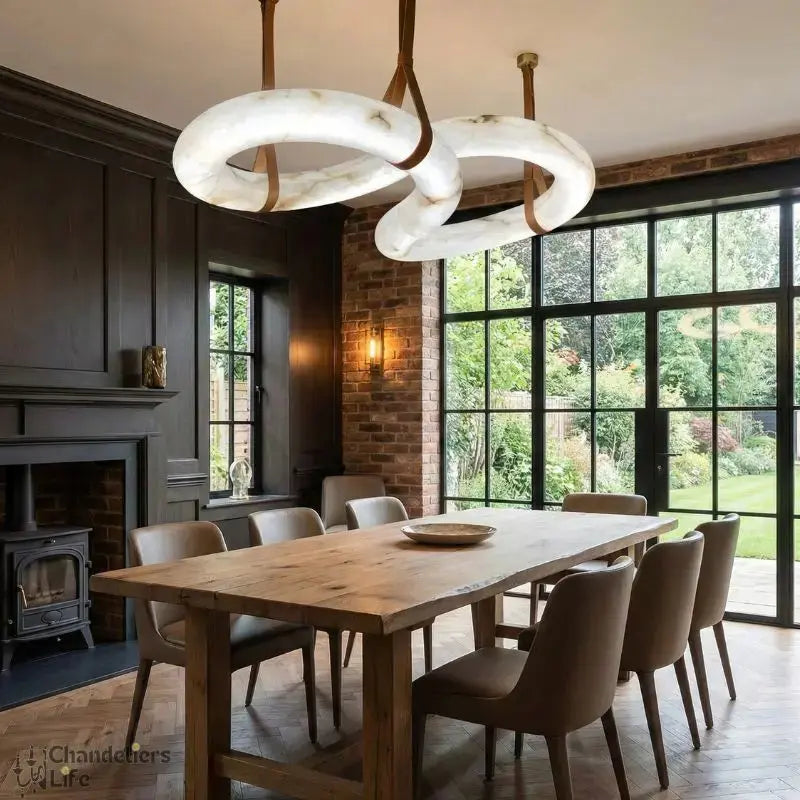
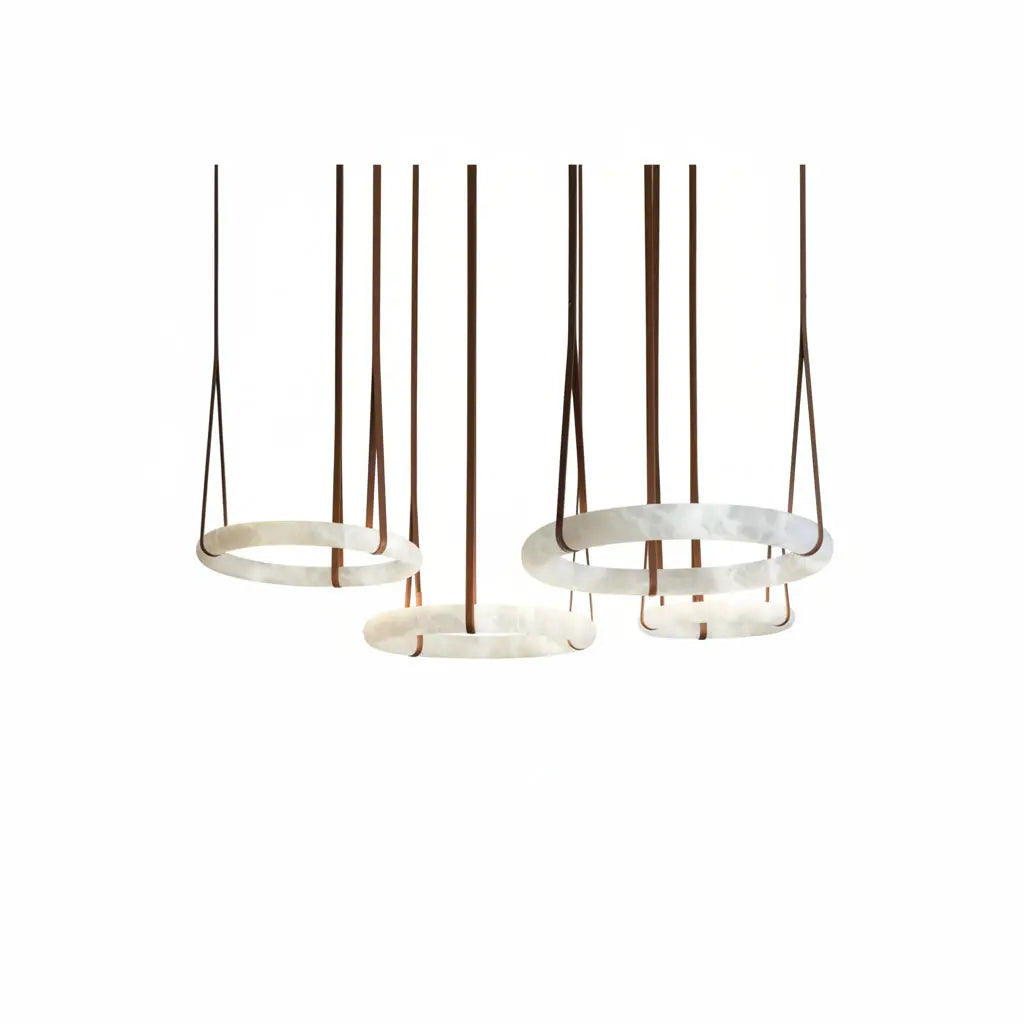
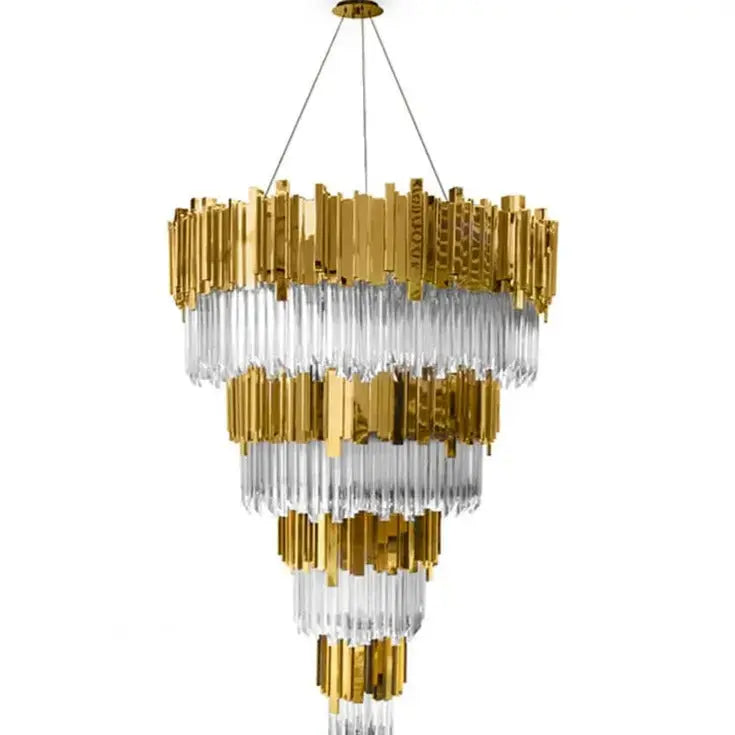
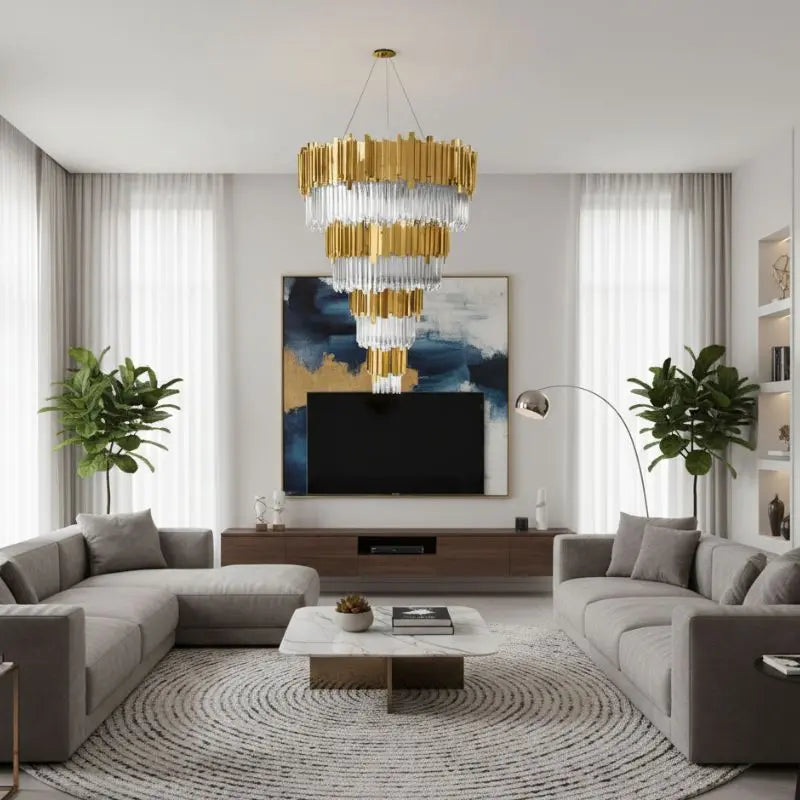
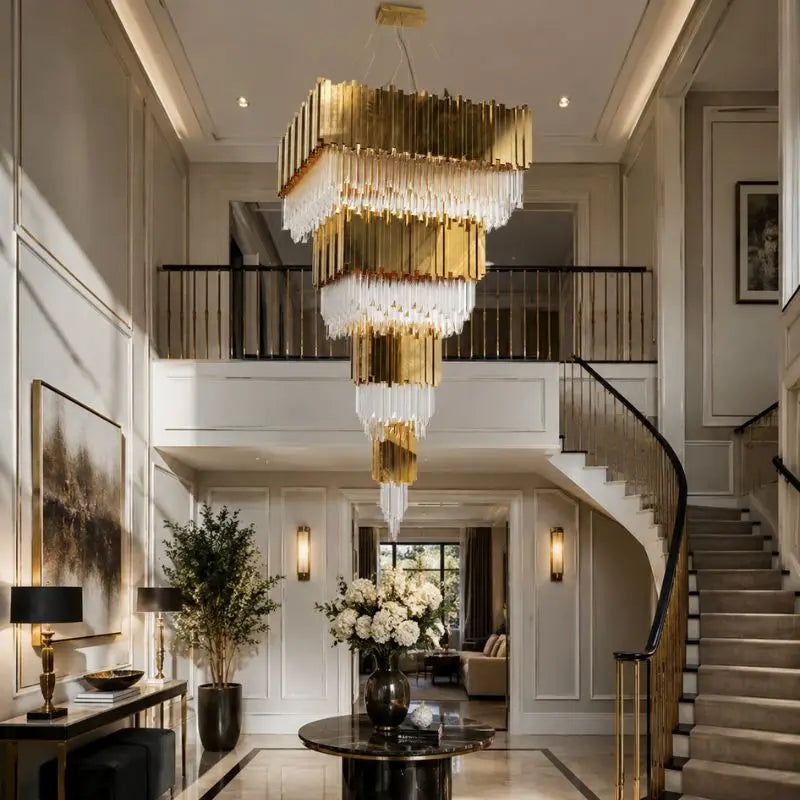
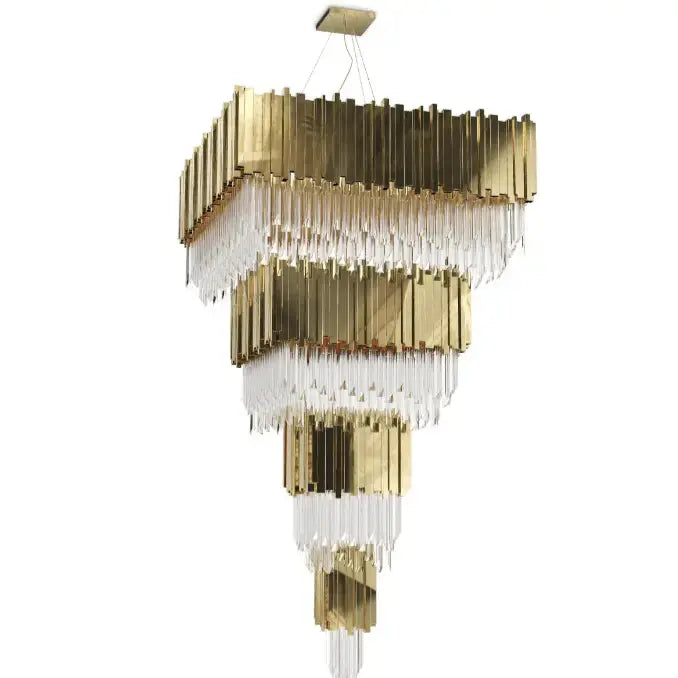
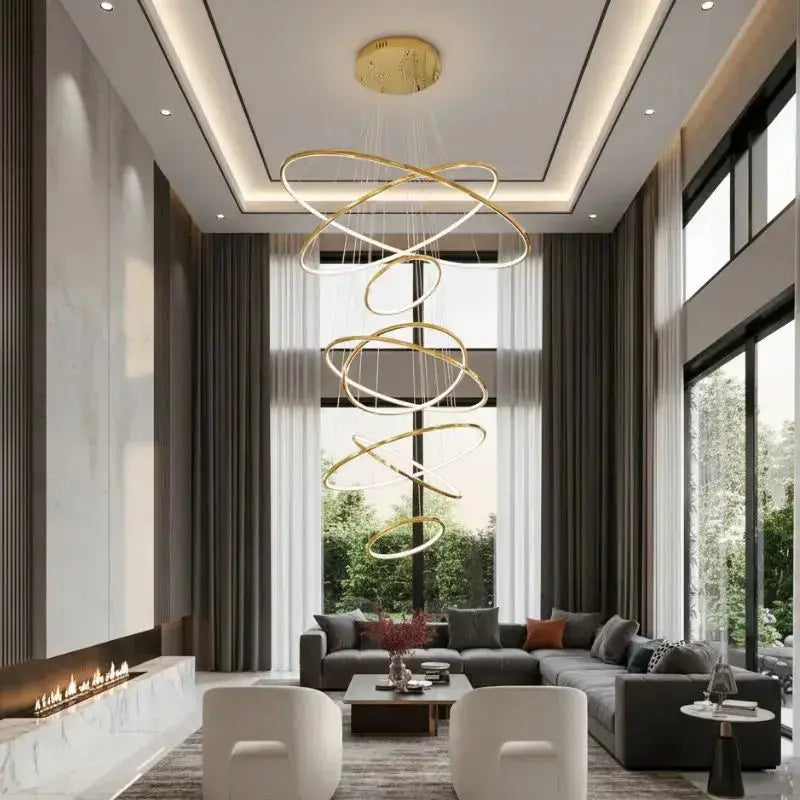
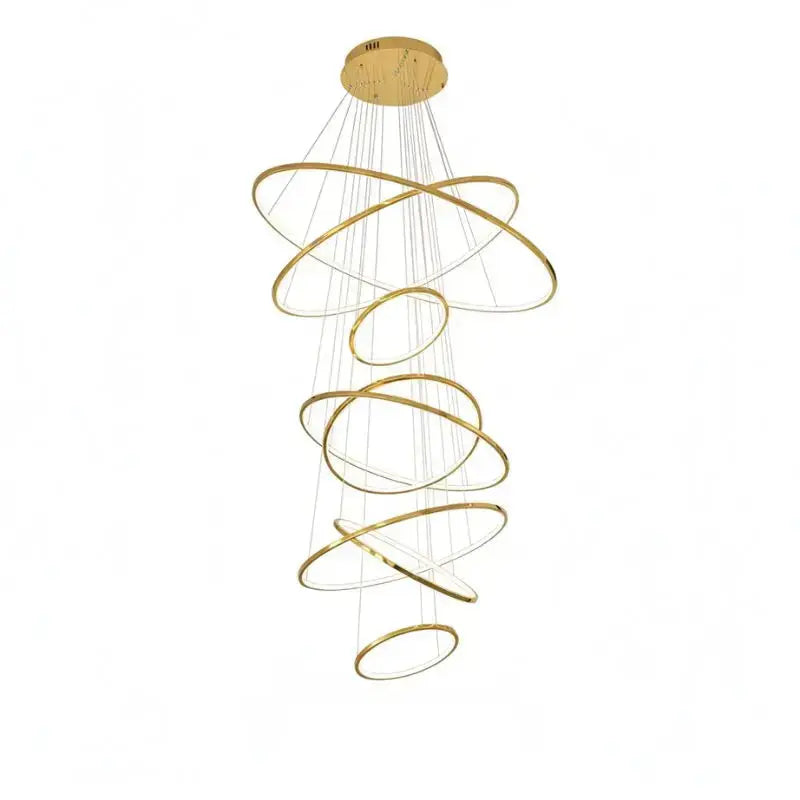
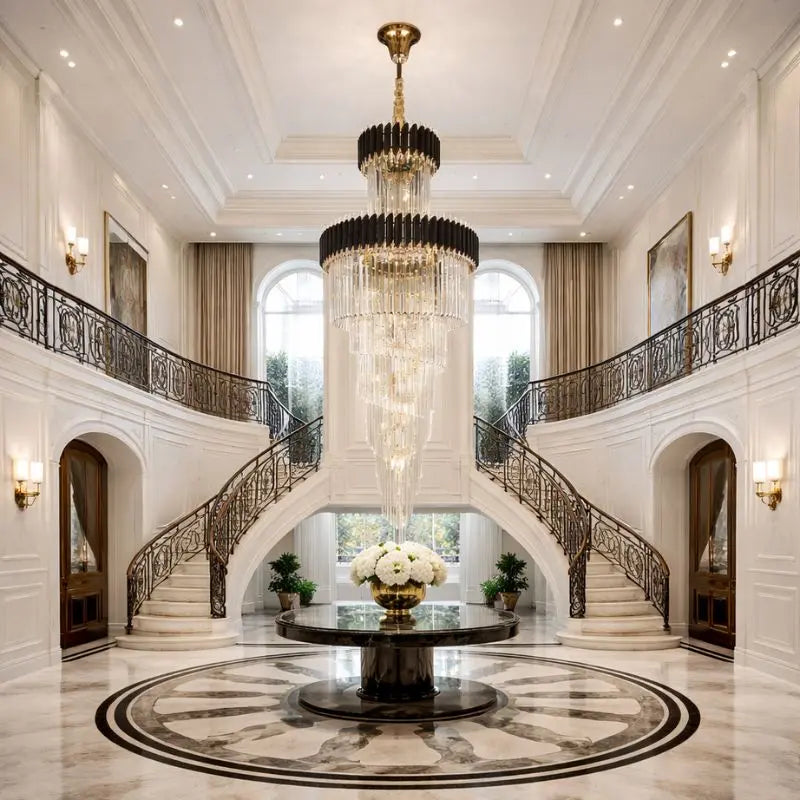
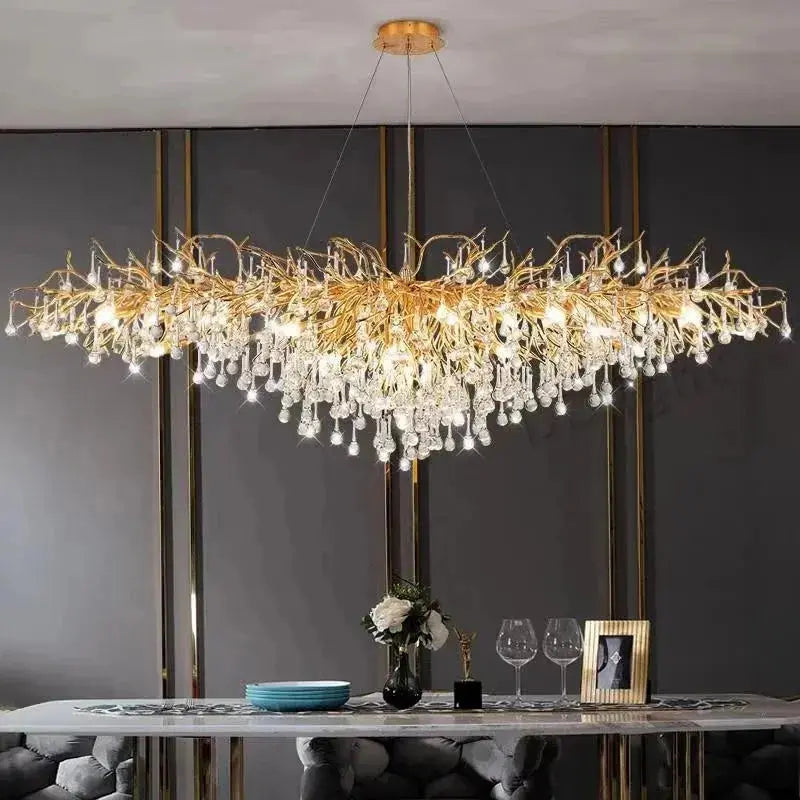
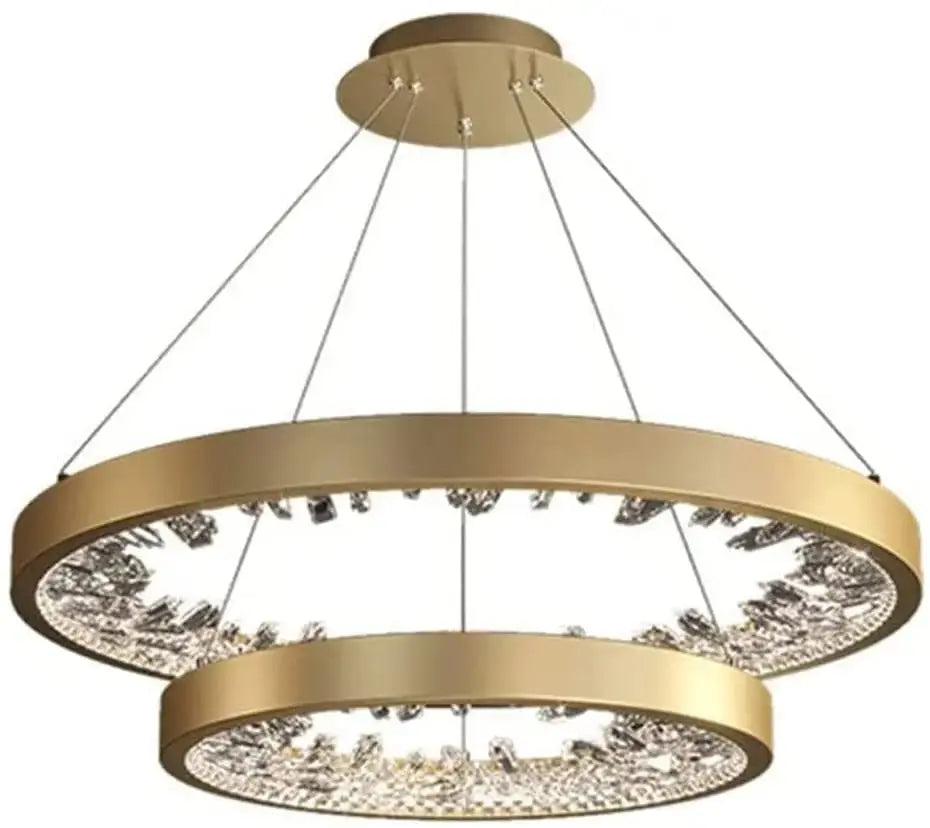
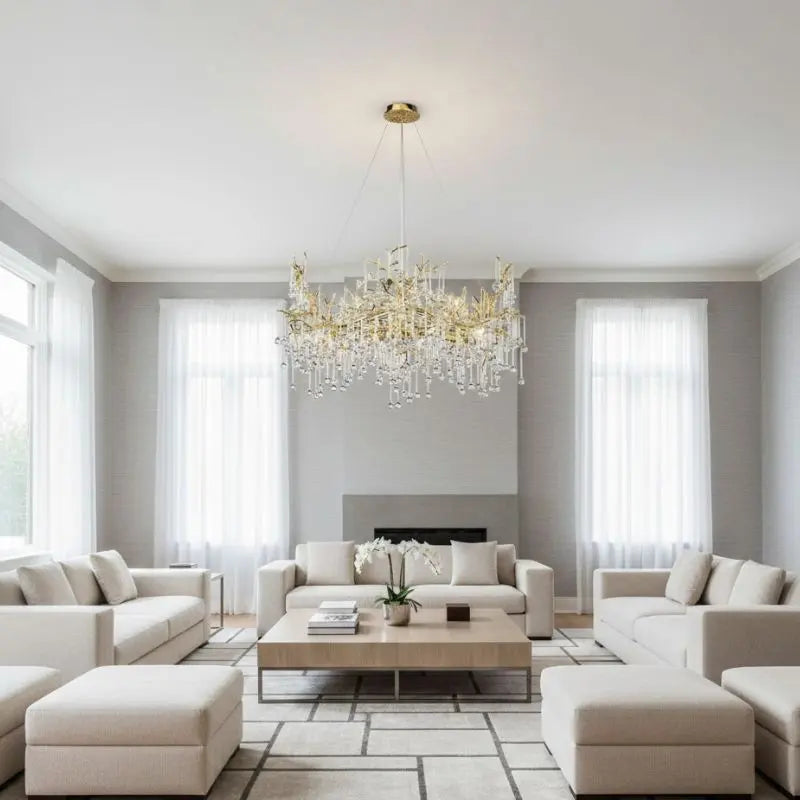
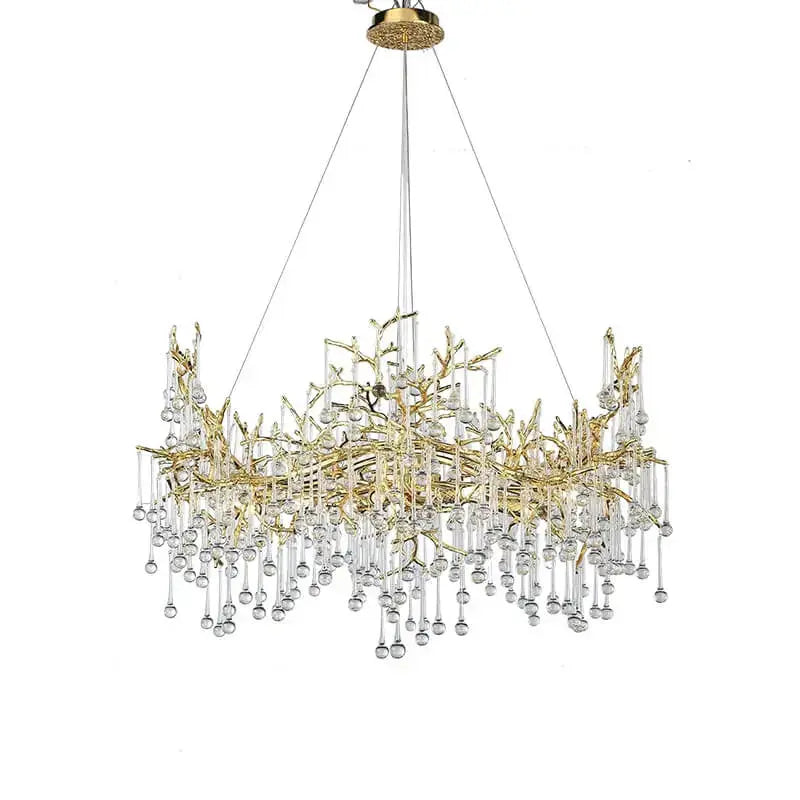
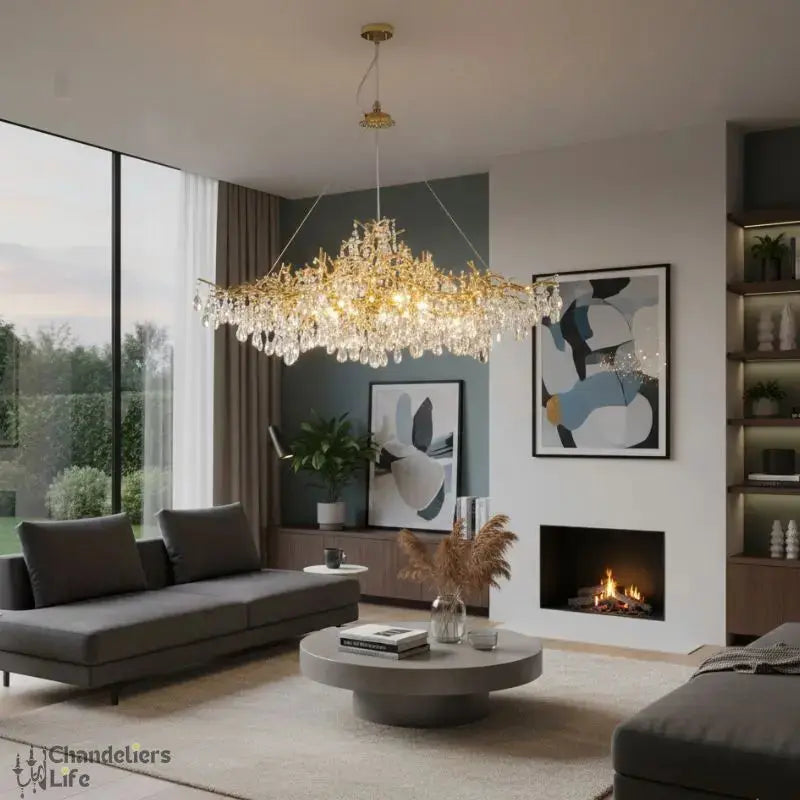
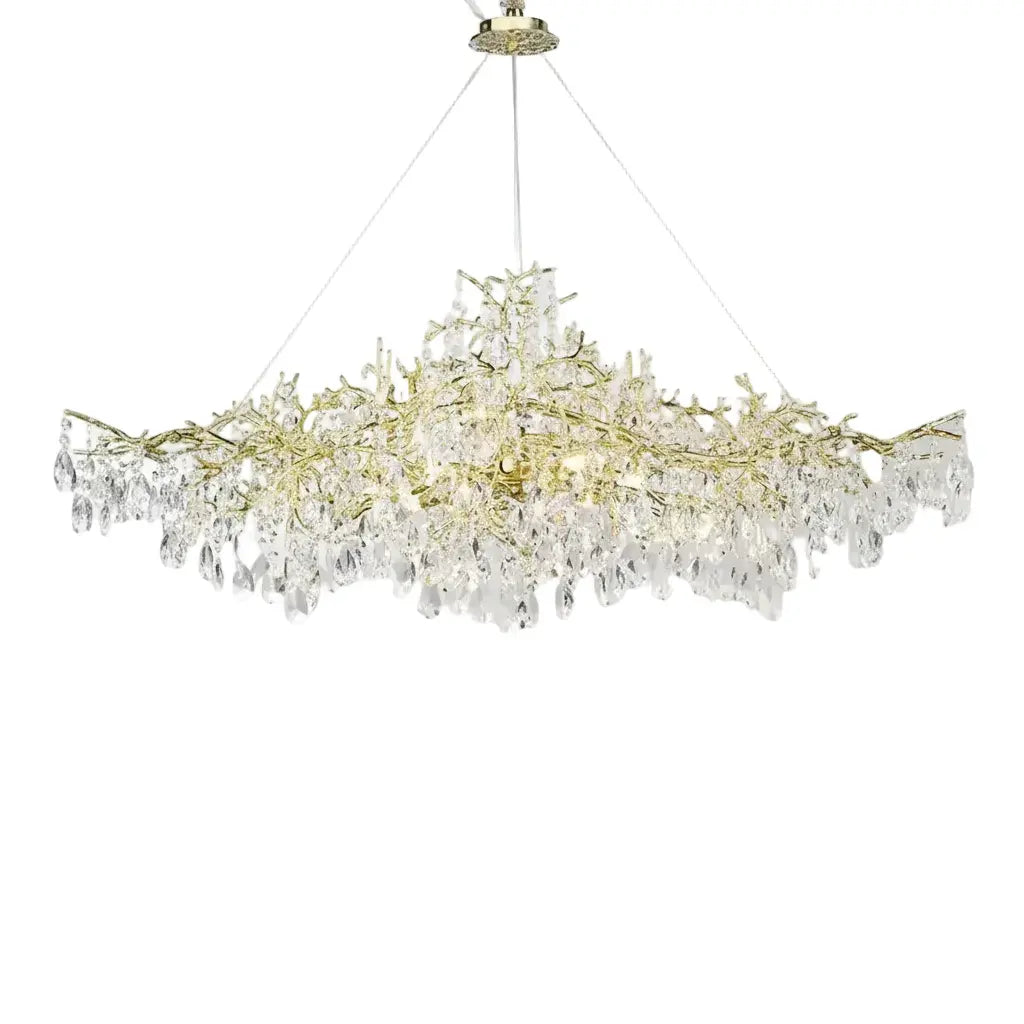
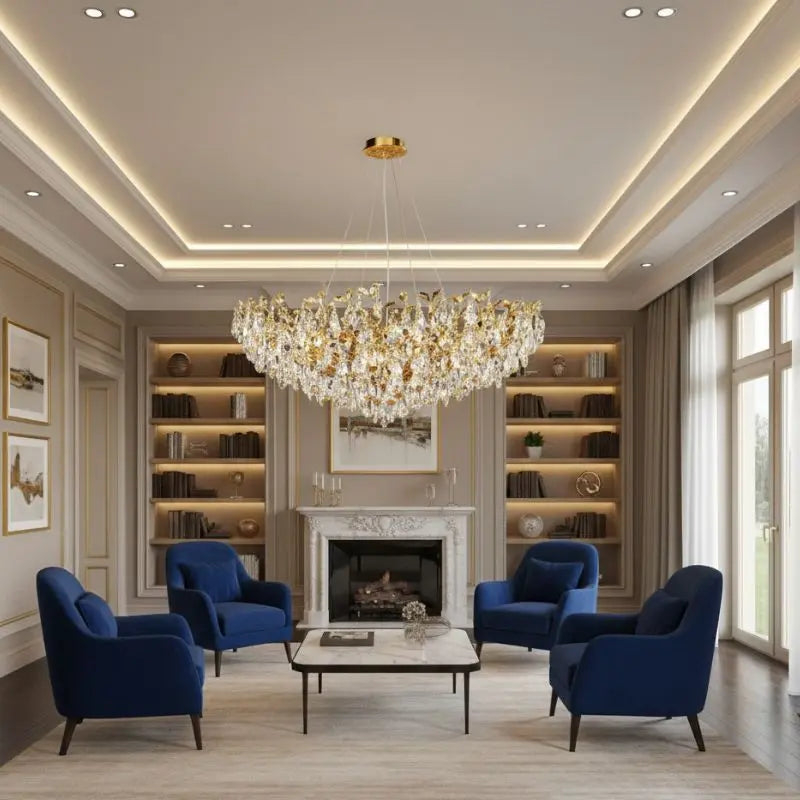
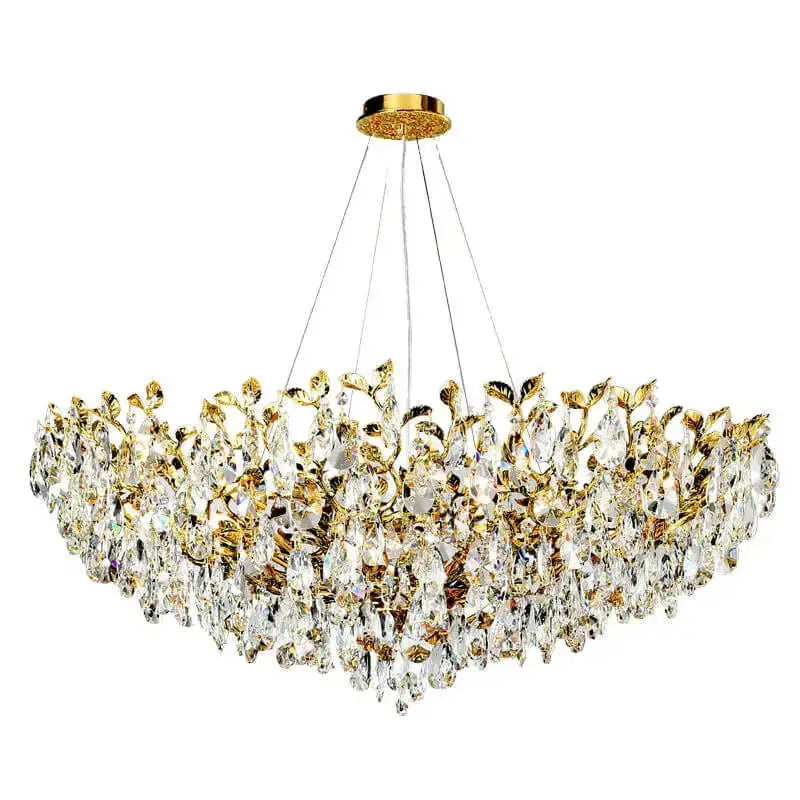
Chandeliers have always been a go-to for adding a touch of drama and sophistication. They come in so many forms, from grand, multi-tiered designs that feel very traditional, to more modern, architectural pieces with clean lines. A chandelier can really anchor your dining space, making it feel more formal and special. Think about a classic wagon wheel style with candle-like bulbs for a warm, inviting glow, or a contemporary tiered design with acrylic accents for a bit of sparkle. They're great for making a room feel grander, especially over a larger table.
The Simplicity of Single Pendants
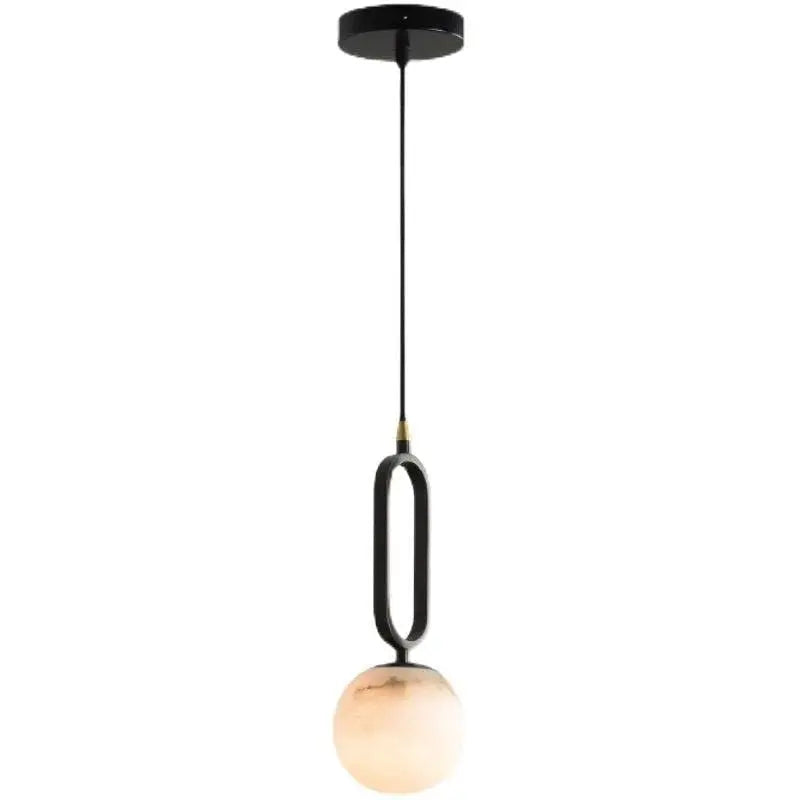
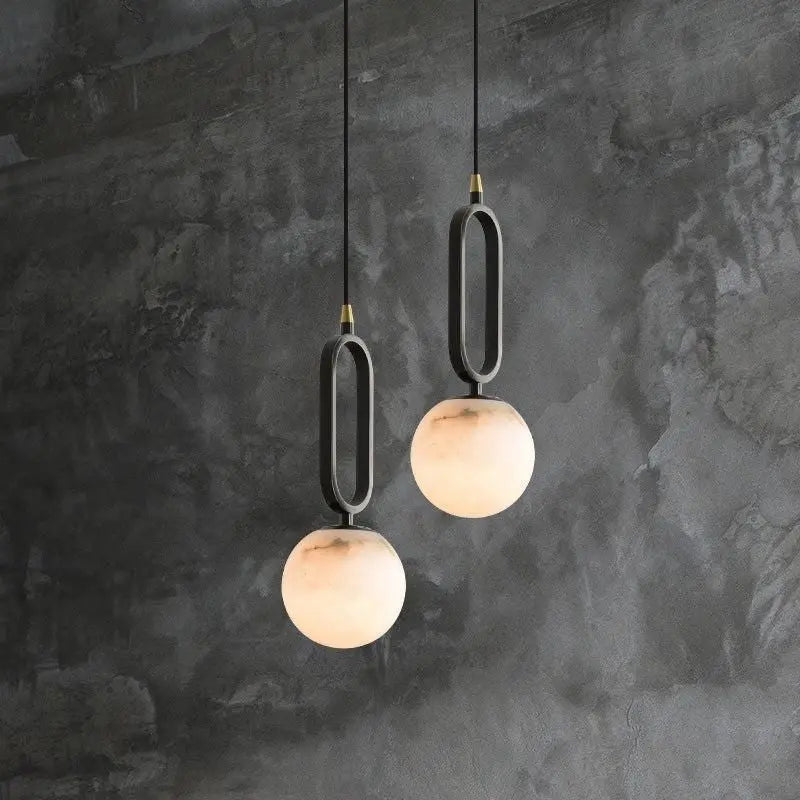
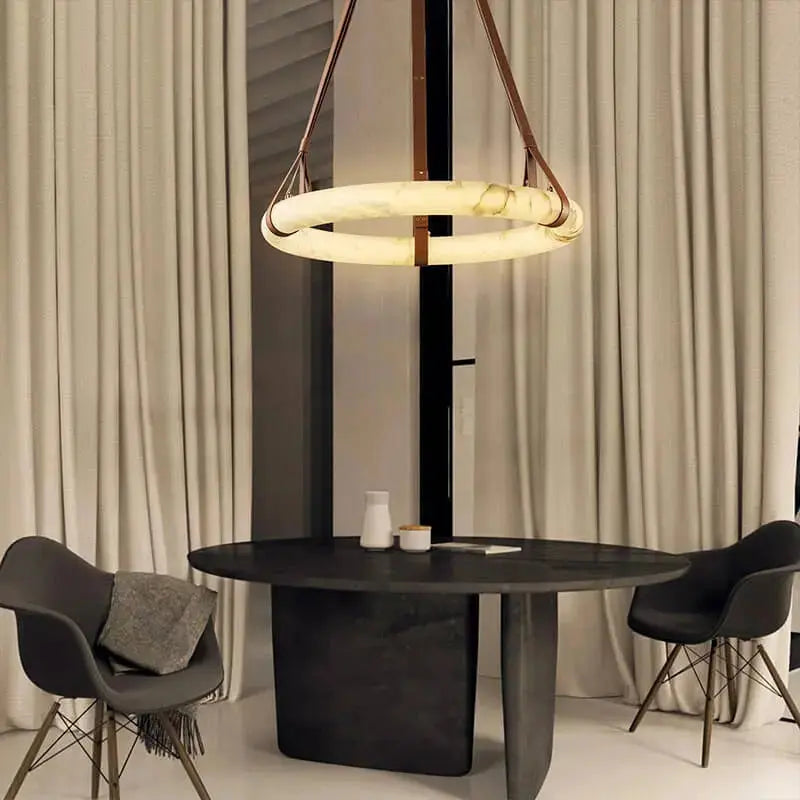
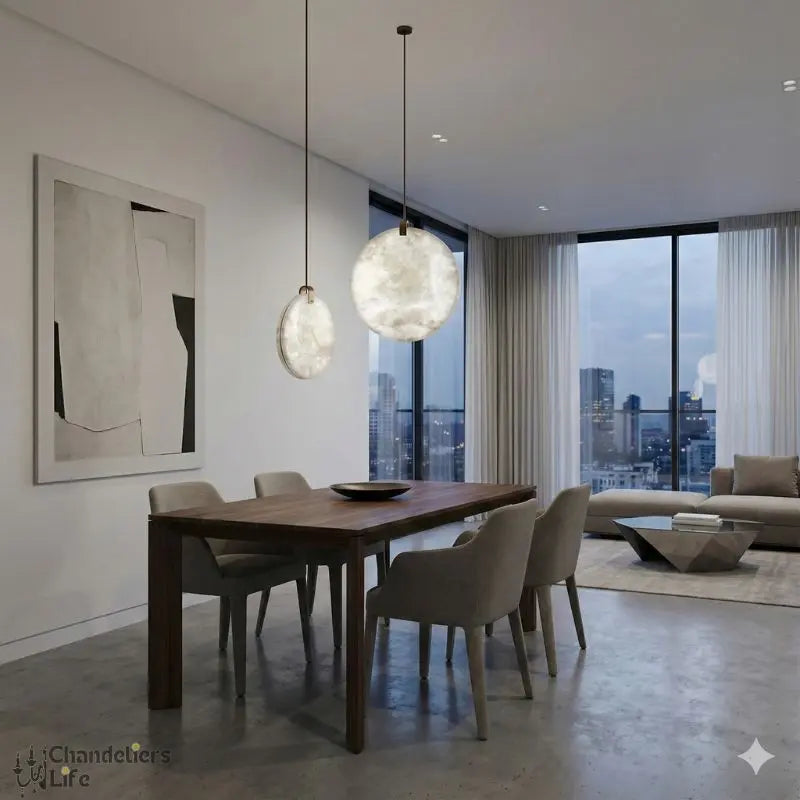
Sometimes, less is more. A single pendant light, especially an oversized one, can be incredibly impactful. It's a fantastic way to define the dining area, particularly in open-plan homes. Hanging it low over the table creates an intimate atmosphere, drawing people in. You can match the pendant's material or color to your table or place settings to tie everything together. For smaller tables, a more modestly sized pendant works perfectly. It’s often easier than finding one giant fixture to span a long table. You can even hang three smaller pendants in a row for a balanced look over longer tables.
The Versatility of Linear Fixtures
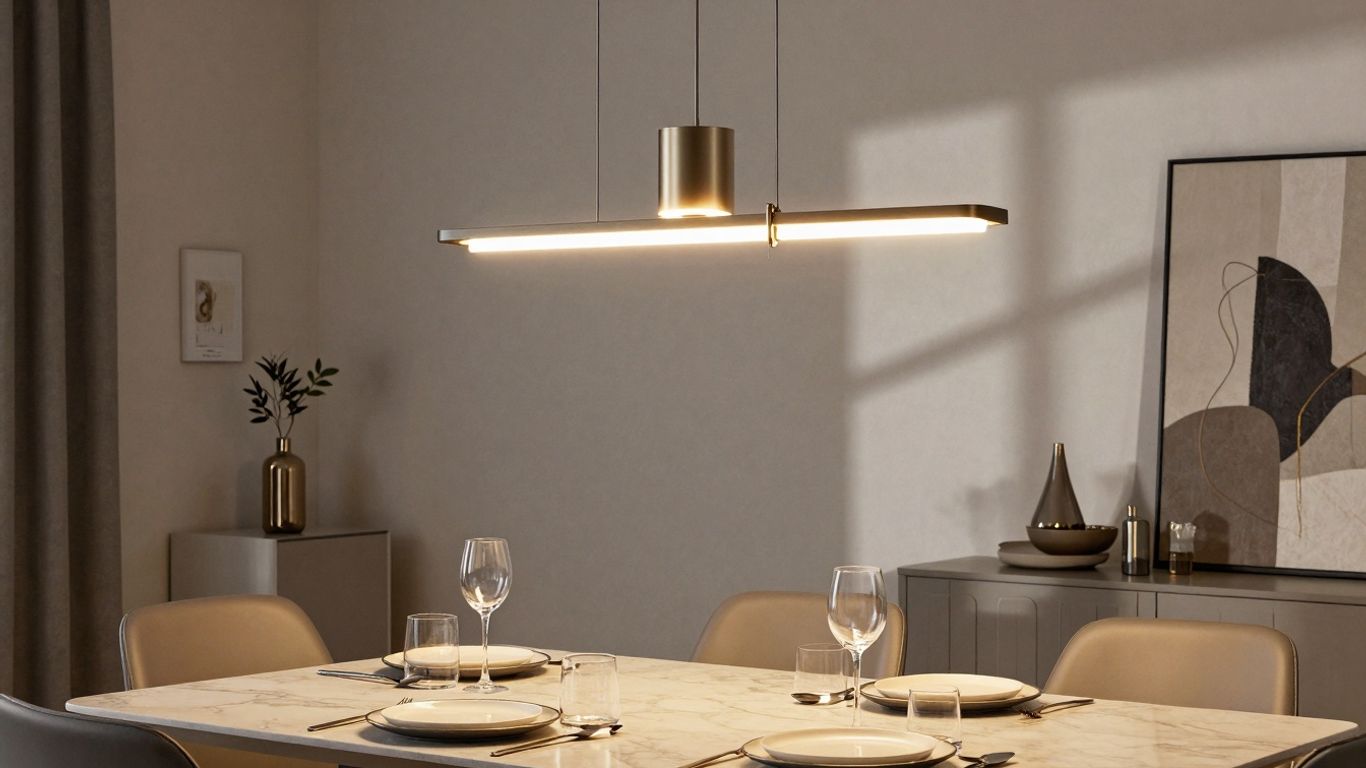
Linear fixtures, often called suspension lights, are a brilliant choice for rectangular dining tables or kitchen islands. They offer a clean, modern look and provide excellent light coverage along the length of the table. Many linear fixtures have an open frame design, giving a nod to traditional lantern styles but with a contemporary twist. These can add a bit of old-world charm while still fitting into a modern home. They're also a practical solution when you need light spread across a wider area without overwhelming the space.
Choosing the right style isn't just about aesthetics; it's about how the light interacts with your space and the people in it. Consider the overall vibe you want to create – whether it's cozy and intimate or bright and celebratory. The material, shape, and size all play a role in this. For instance, a Round Pendant Lamp can offer a soft, balanced glow that works with many decor styles.
Here's a quick look at some popular types:
- Chandeliers: Great for making a statement, adding formality, and illuminating larger spaces.
- Single Pendants: Ideal for defining zones, creating intimacy, and adding a focal point, especially with oversized options.
- Linear Fixtures: Perfect for rectangular tables and islands, offering broad light coverage with a modern or transitional feel.
No matter your style, there's a hanging lamp out there to perfectly complement your dining room.
Achieving Perfect Illumination
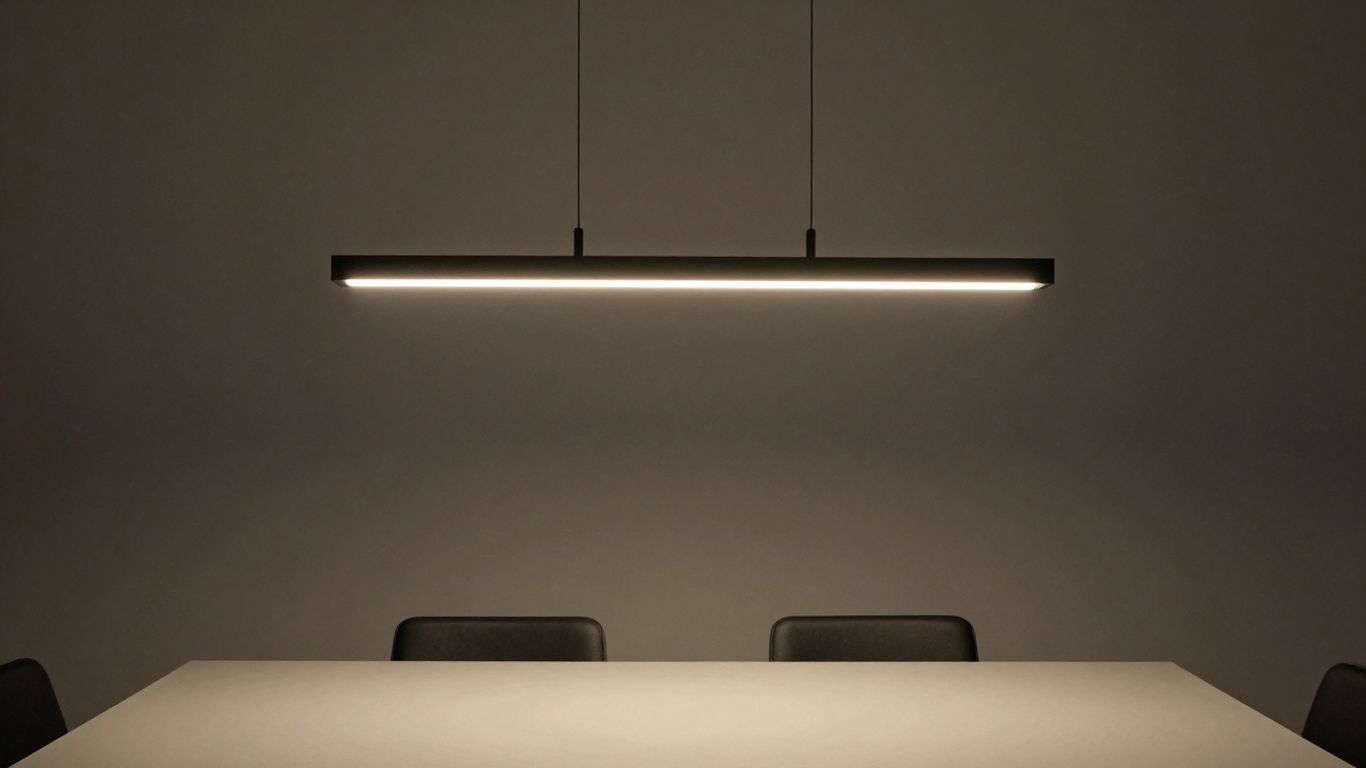
Getting the lighting just right above your dining table is more than just picking a pretty fixture. It's about making sure the light works for you, whether you're having a quick breakfast, a family dinner, or hosting a party. The right light can totally change the feel of your space.
Strategic Placement Above Your Table
Where you hang your light fixture matters a lot. For most standard dining tables, the bottom of the fixture should hang about 30 to 36 inches above the tabletop. This height usually keeps the light from being too high and glaring or too low and getting in the way. If you have a really high ceiling, you might need to hang it a bit lower, and for lower ceilings, a bit higher. It's all about finding that sweet spot where the light covers the table nicely without blinding anyone. If you're using multiple pendants or a long, linear fixture over a long table, make sure they're spaced out evenly. This way, the light is spread out well and covers the whole table, not just the middle.
The Importance of Dimmers
Seriously, get a dimmer. It’s one of those simple upgrades that makes a huge difference. You can dim the lights way down for a cozy, intimate dinner, or brighten them up for homework or when you need to see what you're doing. It’s like having multiple lighting moods from one fixture. Dimmers let you adjust the light to whatever you're doing at the time, from bright and functional to soft and relaxing. Some smart dimmers even let you set up different 'scenes' for different occasions.
Layering Light for Depth
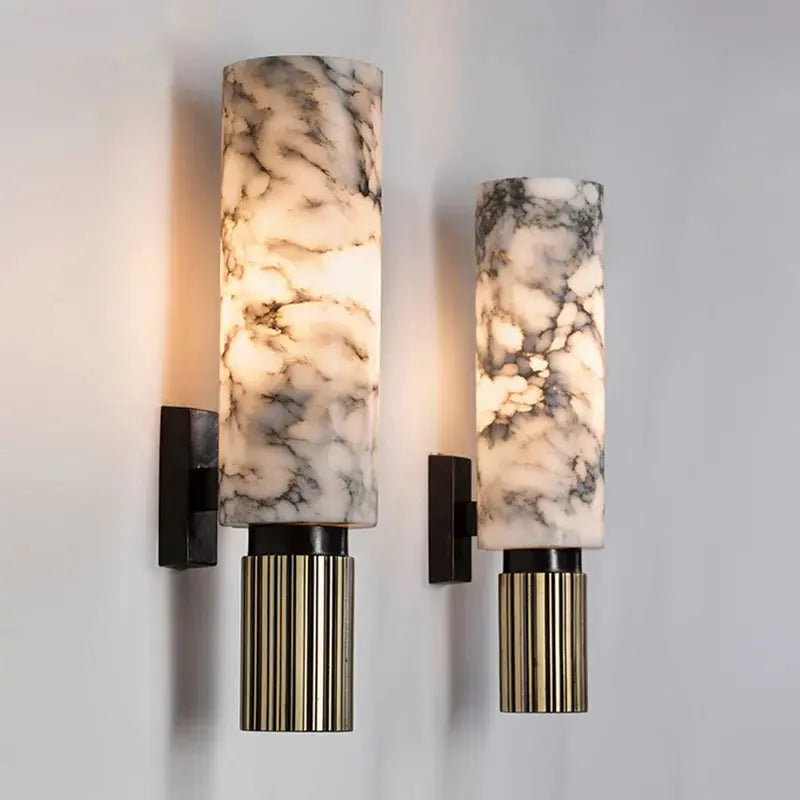
Don't rely on just one light source. Think of your dining room lighting like a cake – you need layers. Your main hanging lamp is the big middle layer, but you can add more. Wall sconces on the side can add a soft glow, especially in the evenings. If you have cabinets, under-cabinet lights can be great for task lighting. Even a floor lamp in a corner can add warmth and fill in darker spots. When you layer different types of light, the room feels more complete and inviting. It also gives you more options for setting the mood depending on the time of day or who's over.
Styling Your Dining Table Hanging Lamp
So, you've picked out the perfect lamp – great! Now, let's talk about making it really work with your room. It's not just about the light itself, but how it fits into the whole picture. Think of it like adding the final touches to a great outfit.
Metallic Accents for Sophistication
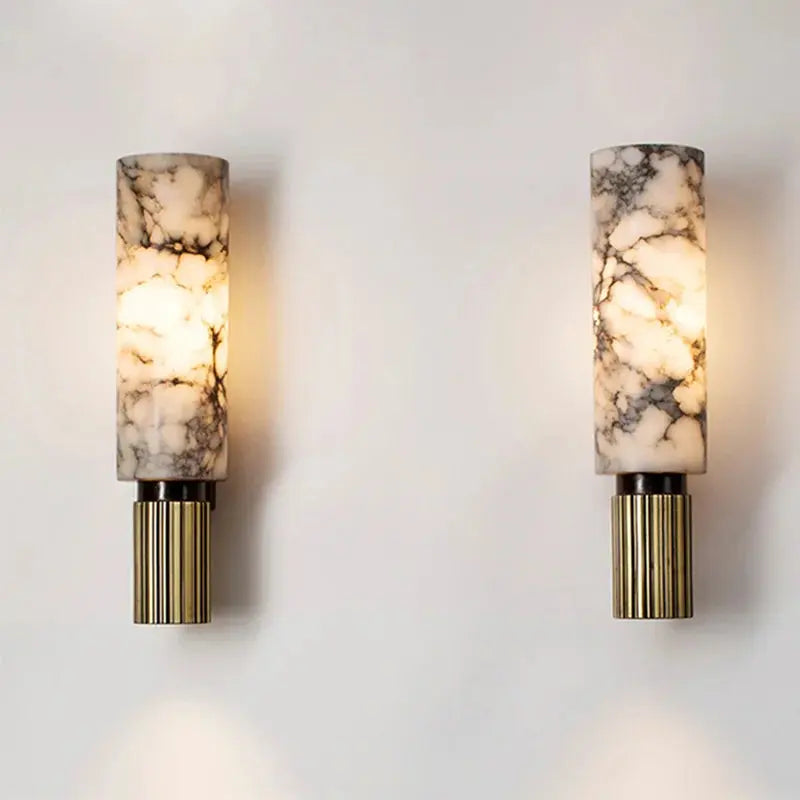
Metals can really change the feel of a space. A lamp with brass or gold finishes can add a touch of warmth and luxury, especially if you have other gold or brass details in your room, like picture frames or drawer pulls. If you're going for a more modern look, brushed nickel or chrome can feel really sleek. Don't be afraid to mix metals, but try to keep it balanced. For example, if your lamp is brass, maybe your candlesticks are a darker iron. It just adds a bit more depth.
Natural Textures for Warmth
Lamps made from materials like rattan, wood, or even fabric shades can bring a cozy, organic feel to your dining area. These textures are fantastic for softening a room that might feel a bit too modern or stark. Imagine a rattan pendant light over a solid wood table – it just feels so inviting. These kinds of materials work well with a lot of different decor styles, from bohemian to more traditional looks. They're a great way to add a bit of visual interest without being too loud.
Balancing Modern and Traditional Elements
This is where you can really play around. Maybe you have a very traditional dining table, but you're drawn to a more modern, minimalist pendant light. That contrast can be really striking! Or, perhaps you have a sleek, modern table and a more ornate chandelier. The key is to make sure the lamp doesn't feel completely out of place. You can tie it in by picking up on a color or material from the lamp in other parts of your room, like your table linens or even a piece of art. It’s all about creating a cohesive look that feels like you.
Wrapping It Up
So, picking the right light for over your dining table isn't just about brightness. It's about setting the whole mood for your meals and get-togethers. Whether you're going for a big, fancy chandelier or a simple, clean pendant, think about what feels right for your space and how you actually use your dining area. A good light can make even a quick weeknight dinner feel a bit more special. Take a look around, consider your style, and find that perfect piece that makes your dining room shine.
Frequently Asked Questions
How do I pick the right size hanging lamp for my dining table?
Think about your table's size. For round or square tables, one main light or a few smaller ones work well. Long tables look great with a line of lights. The lamp shouldn't be wider than your table, and it should hang about 30-36 inches above the tabletop so you can see everyone clearly.
What's the best type of light bulb for a dining room lamp?
Warm white bulbs are usually best for dining rooms. They create a cozy and inviting feel, perfect for meals and conversations. Avoid super bright, cool white lights, which can feel harsh and make people look a bit washed out.
Should I use a dimmer switch with my dining room lamp?
Yes, definitely! A dimmer switch is a game-changer. You can make the light brighter for everyday tasks or dim it down for a more relaxed dinner or a romantic evening. It gives you total control over the mood.
How do I decide on the style of my dining room hanging lamp?
Consider your room's overall style. If you have a modern kitchen, a sleek pendant might fit. For a more traditional space, a chandelier could be perfect. You can also mix styles – a modern lamp can add a cool touch to a classic room.
What are some popular styles of dining table hanging lamps?
Popular choices include elegant chandeliers, simple single pendant lights that can make a statement, and linear fixtures that are great for long tables. You'll also find lamps made from materials like glass, metal, and even natural textures like rattan.
How high should I hang my dining table pendant light?
The general rule is to hang the bottom of the light fixture about 30 to 36 inches above the dining table surface. This height allows enough light to fall on the table while also letting people sitting at the table see each other without the light getting in their eyes.