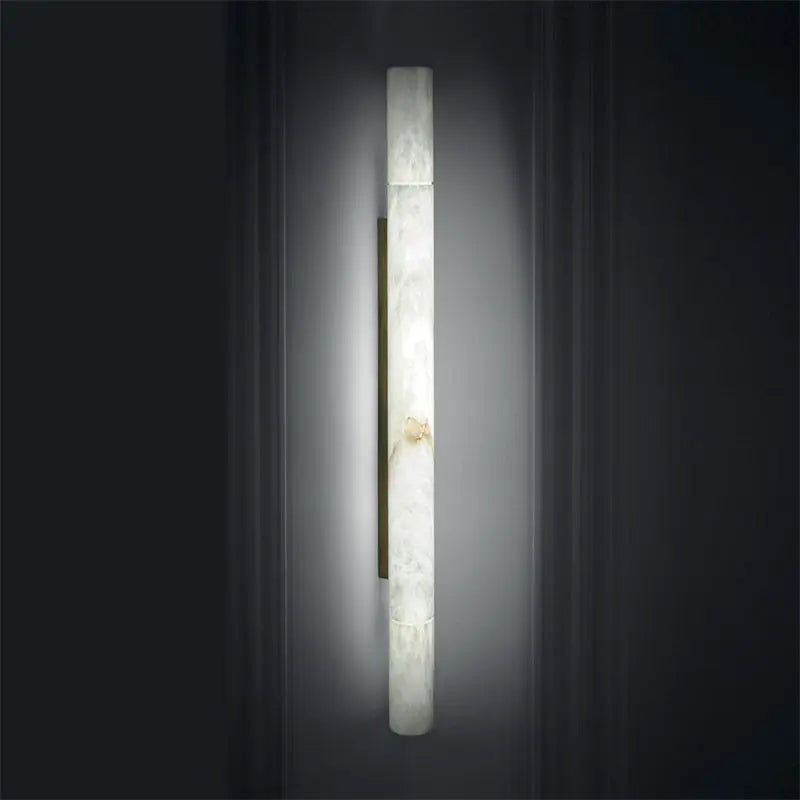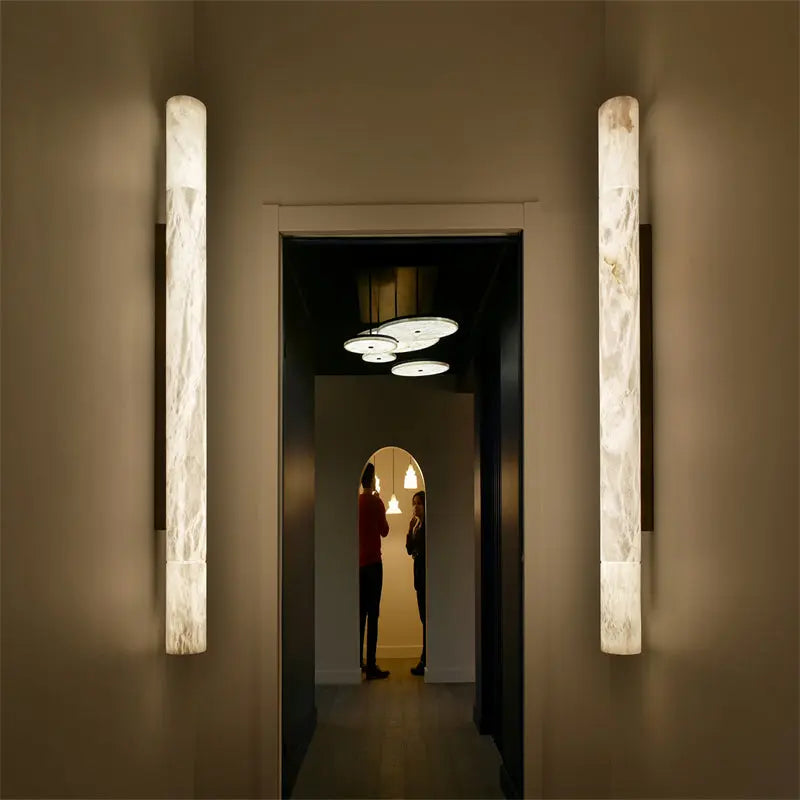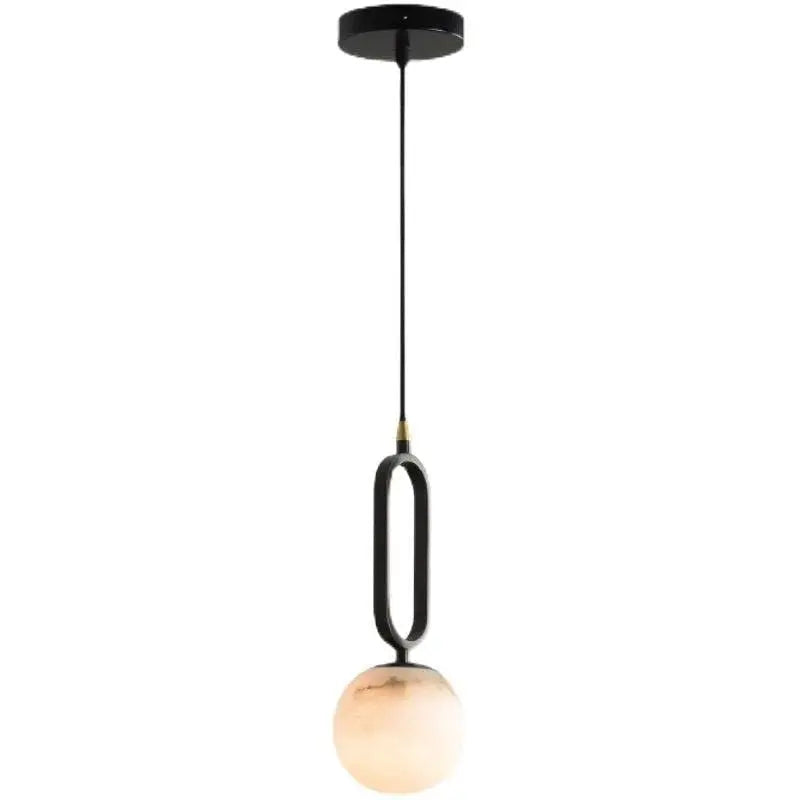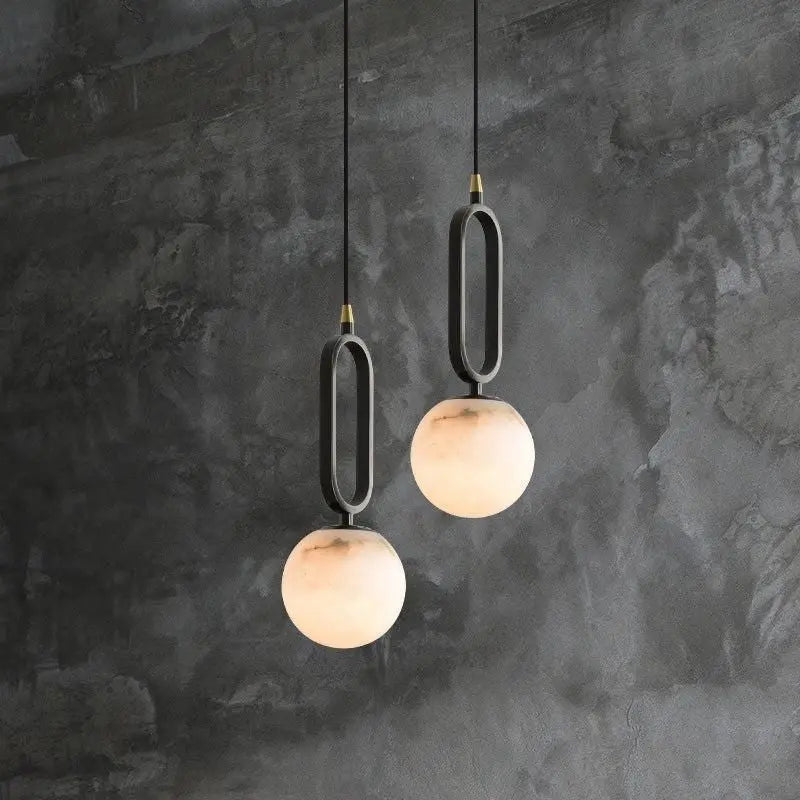

Thinking about sprucing up your place in 2026? It's always fun to see what's new in home decor, and this year has some really interesting ideas. Forget those super stark, minimalist looks from a few years back. We're seeing a shift towards spaces that feel more personal, comfortable, and even a little bit playful. It's all about making your home a true reflection of you, with touches that are both stylish and unique. Let's check out some of the best unique home accessories and ideas that are set to make waves.
Key Takeaways
- Homes in 2026 will feature handcrafted, personal touches mixed with old and new styles, making spaces feel unique.
- Painted floors and curved shapes are in, adding character and a sense of emotion to rooms.
- Cozy minimalism, vibrant kitchen colors, and dedicated wellness areas are becoming major style points.
- Expect a rise in 'fat furniture' – big, comfy pieces that are as much art as they are seating.
- Sustainability and natural textures are key, with a focus on materials that feel good and last long.
1. Sculptural Furnishings
Forget boring, boxy furniture. In 2026, we're seeing a big shift towards pieces that are more like art installations for your home. Think furniture with interesting shapes, curves, and unexpected forms that grab your attention. These aren't just things to sit on or put stuff on; they're conversation starters.
These sculptural pieces often draw inspiration from nature, with flowing lines and organic shapes that feel really natural and calming. It’s like bringing a bit of the outdoors in, but in a really chic, artistic way. You might see tables with bases that look like twisted branches or chairs that curve around you like a hug.
The idea is to make your furniture a focal point, not just a background element.
Here are a few ways these sculptural furnishings are showing up:
- Organic Wood Forms: Pieces made from wood that have irregular, flowing shapes. Think of a coffee table that looks like it was carved by nature itself, with smooth, continuous curves.
- Bold, Voluptuous Seating: Sofas and chairs that are oversized and plush, with rounded edges and a substantial presence. They feel super comfortable but also look like impressive, soft sculptures.
- Artistic Bases and Legs: Even simpler furniture can get a sculptural upgrade with unique bases or legs. Imagine a dining table where the legs are intricately designed, almost like a piece of metalwork art.
This trend is all about embracing pieces that have a strong visual identity. It’s a way to inject personality and a sense of artistry into your living space, moving away from mass-produced uniformity towards items that feel more unique and thoughtfully designed.
2. Painted Flooring
Get ready to see floors become the main event in 2026. Painted flooring is set to be a huge design statement this year, and people aren't holding back on the looks they're choosing. Think rich colors, bold patterns, and even hand-painted art that turns your floor into a personal canvas. It's a fantastic way to make any room feel uniquely yours.
But if bold isn't your vibe, that's totally fine too. Painted floors can also be subtle. You can go for a more understated look with a gentle pattern or just a bit of tonal depth. It’s just another way design is moving towards telling personal stories and embracing that handmade feel.
- Bold Geometric Patterns: Think checkerboards, stripes, or more abstract shapes in vibrant colors.
- Hand-Painted Artistry: Unique designs, floral motifs, or even custom murals directly on the floor.
- Subtle Tonal Depth: Using variations of the same color or a slightly different shade to create subtle interest.
This trend is all about making your home feel more personal and authentic. It’s a chance to express yourself from the ground up, literally.
It’s a great way to add character without needing a full renovation. You can transform a space with just a few cans of paint and some creativity.
3. Curved Architecture
Forget sharp corners and straight lines for a moment. Curved architecture is really having a moment, and it’s sticking around for 2026. Think arches, rounded edges on kitchen islands, and furniture that just flows. It’s all about creating spaces that feel a bit more alive and, honestly, more human.
This trend isn't just for grand renovations either. You can bring these soft shapes into your home in smaller ways. Consider adding an arched niche in a hallway or even a bathroom. If you're not ready for a big structural change, just buying a sofa or a side table with rounded edges can make a surprising difference. It softens the whole feel of a room.
Here are a few ways to play with curves:
- Softer Silhouettes: Look for furniture with gentle, flowing lines. This applies to everything from sofas to dining tables.
- Arched Details: Incorporate arches through doorways, windows, or decorative niches.
- Rounded Accents: Even small items like mirrors or lamps with curved bases can contribute to the overall effect.
The idea is to move away from the rigid, structured look that's been popular and embrace something more organic and inviting. It's a subtle shift that can make a big impact on how a space feels.
It's a nice change from all the sharp edges we've gotten used to, don't you think? It makes rooms feel more welcoming and less… severe.
4. Modular Lighting
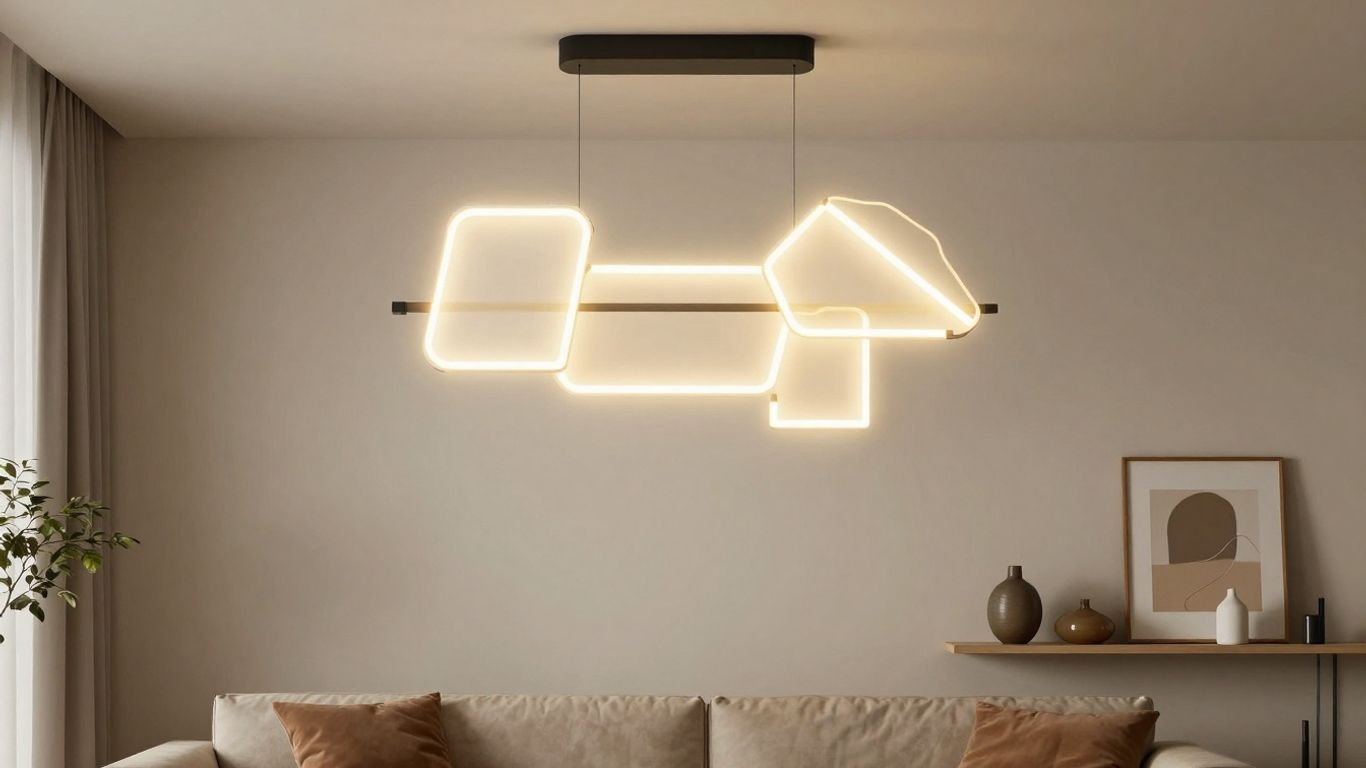
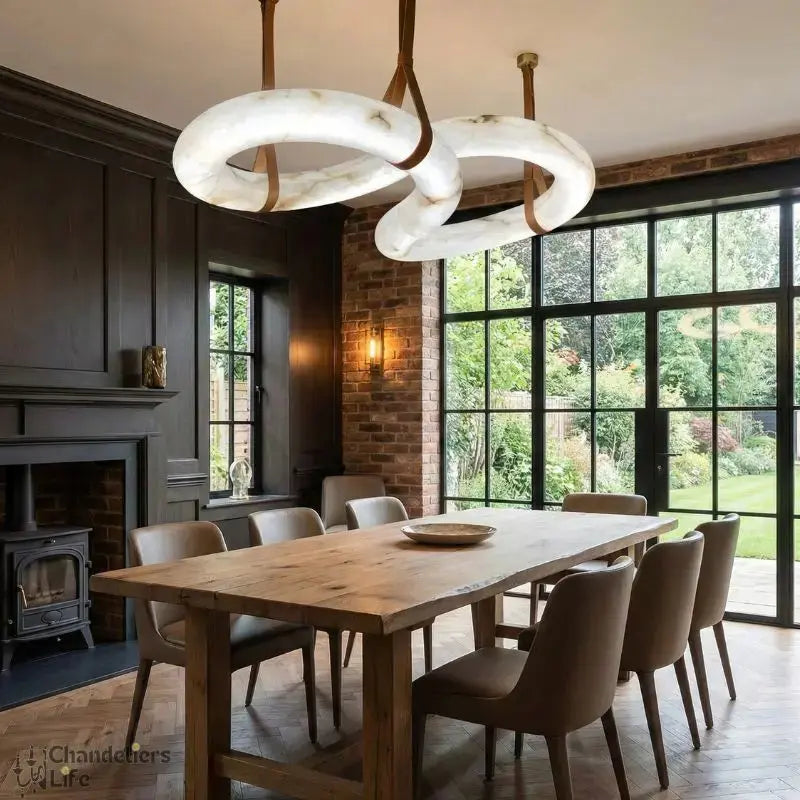
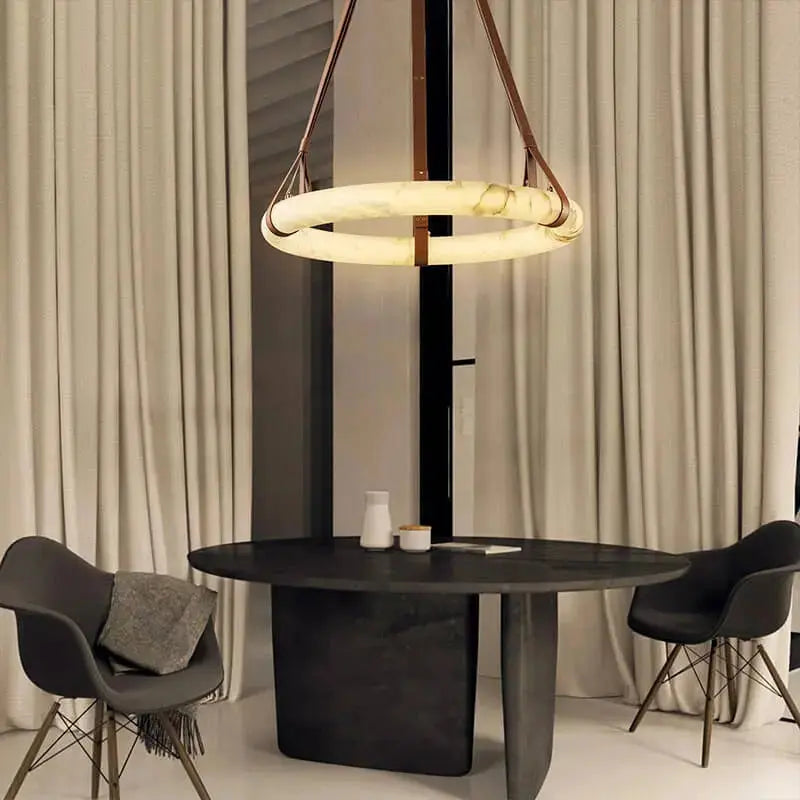
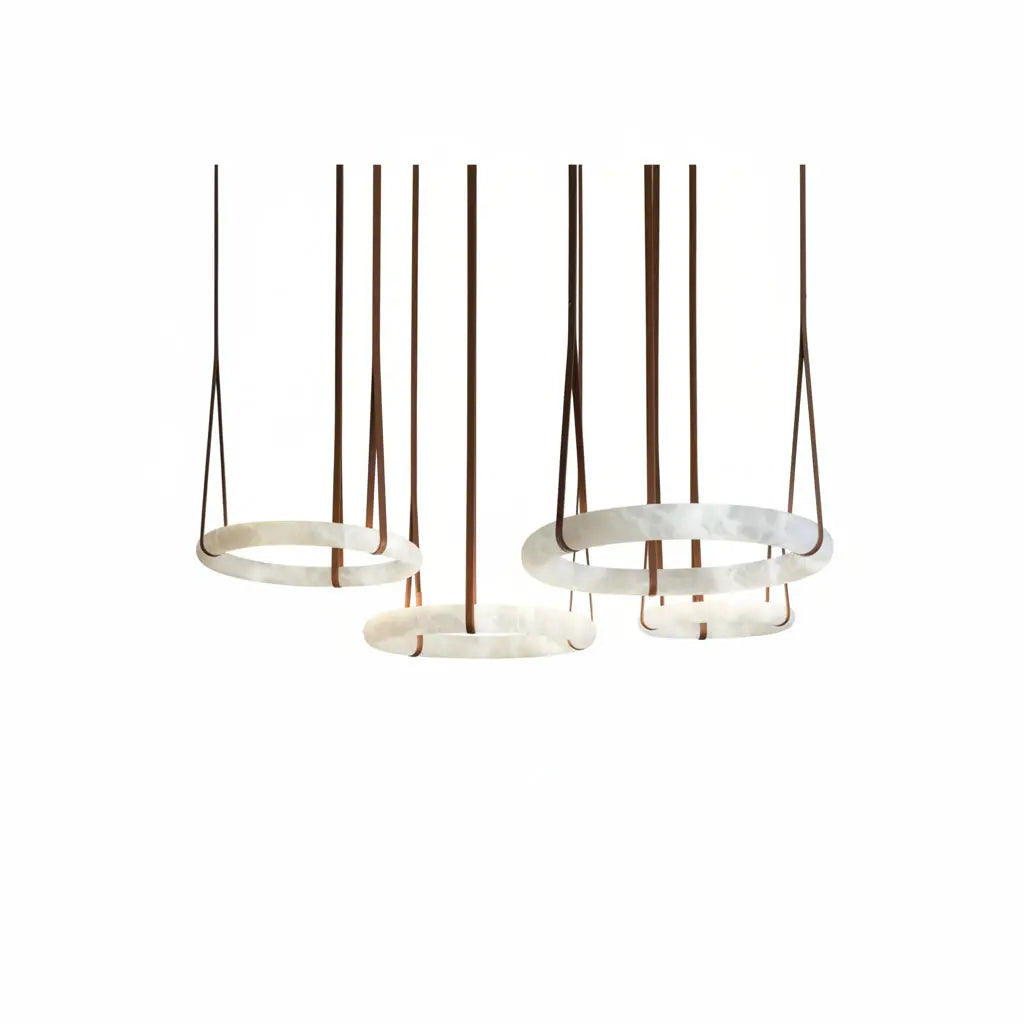
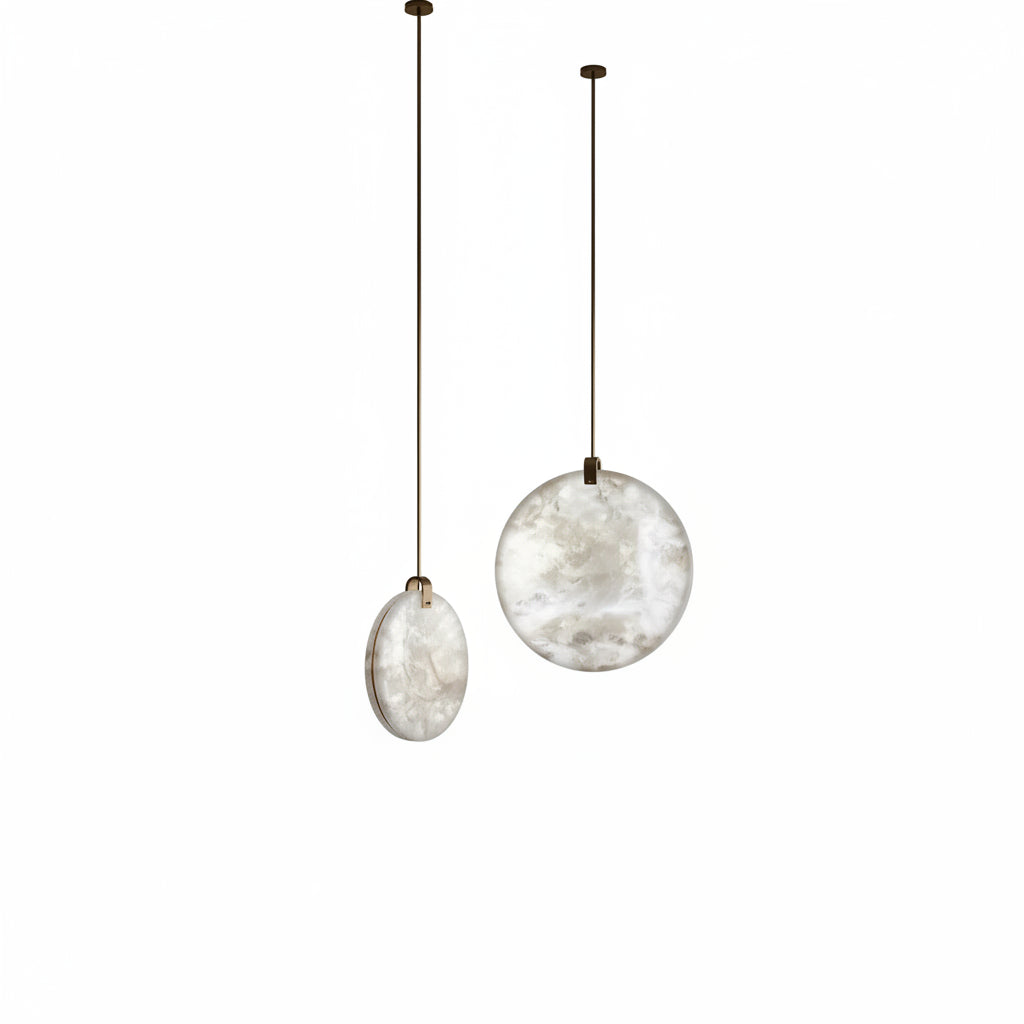
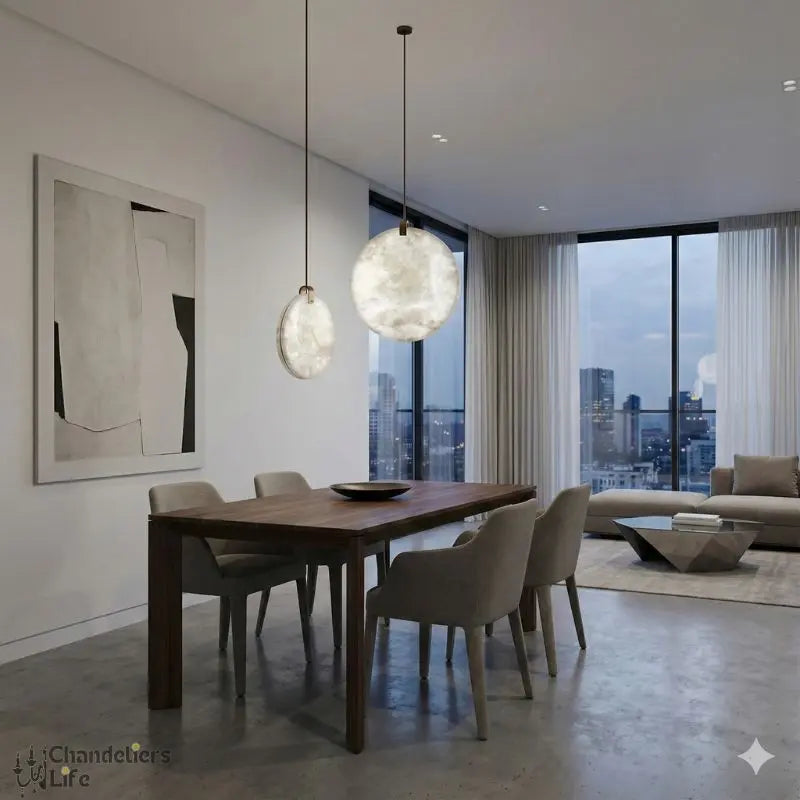
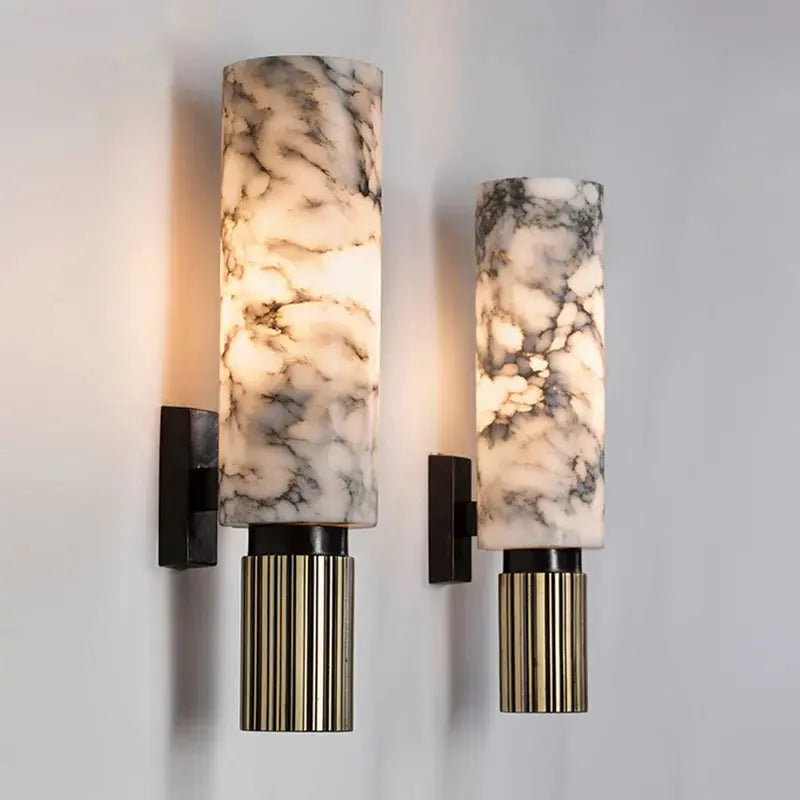
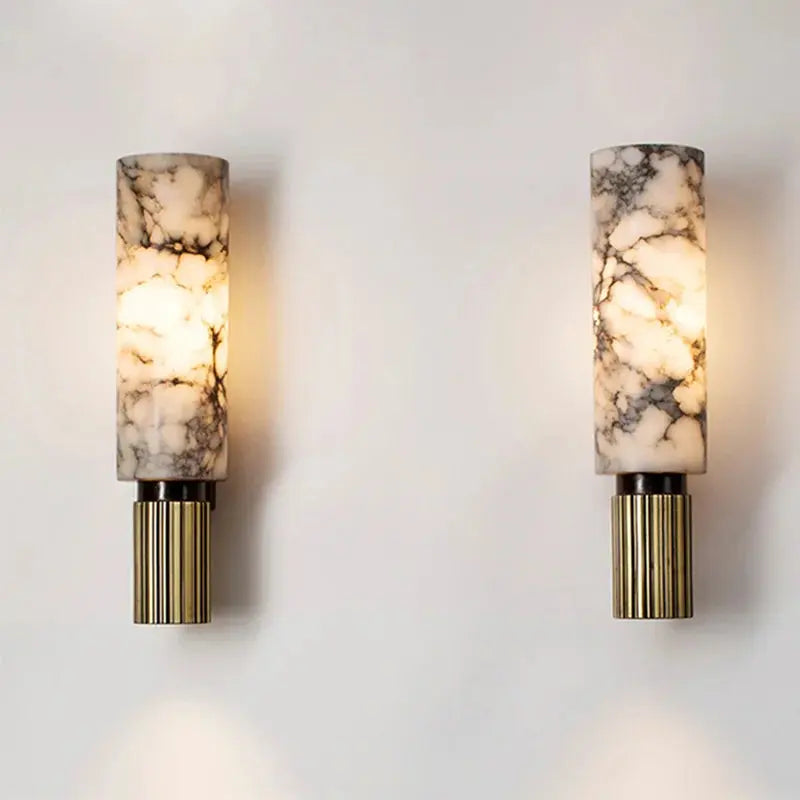
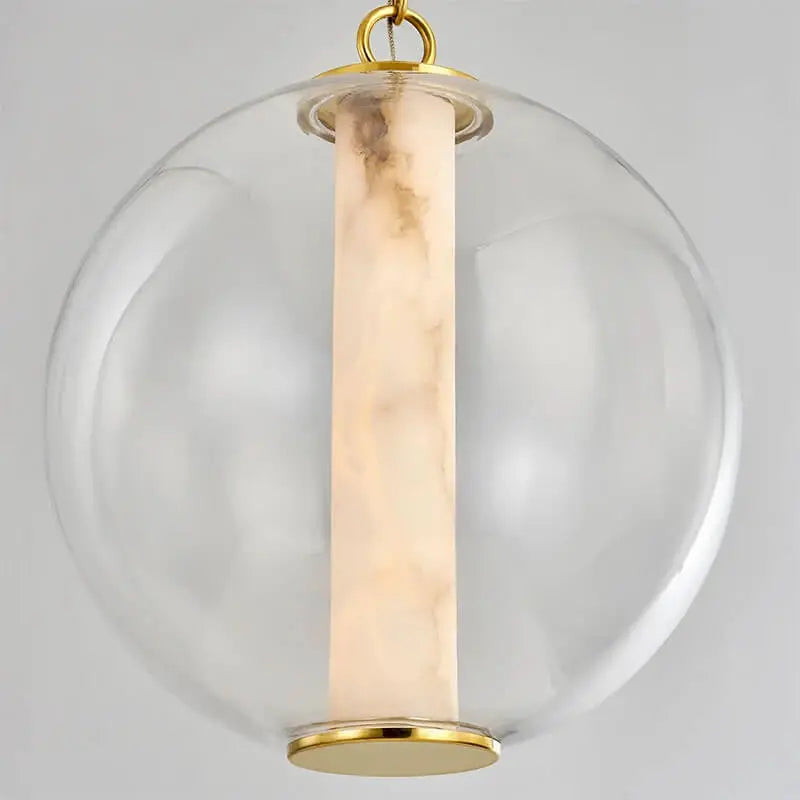
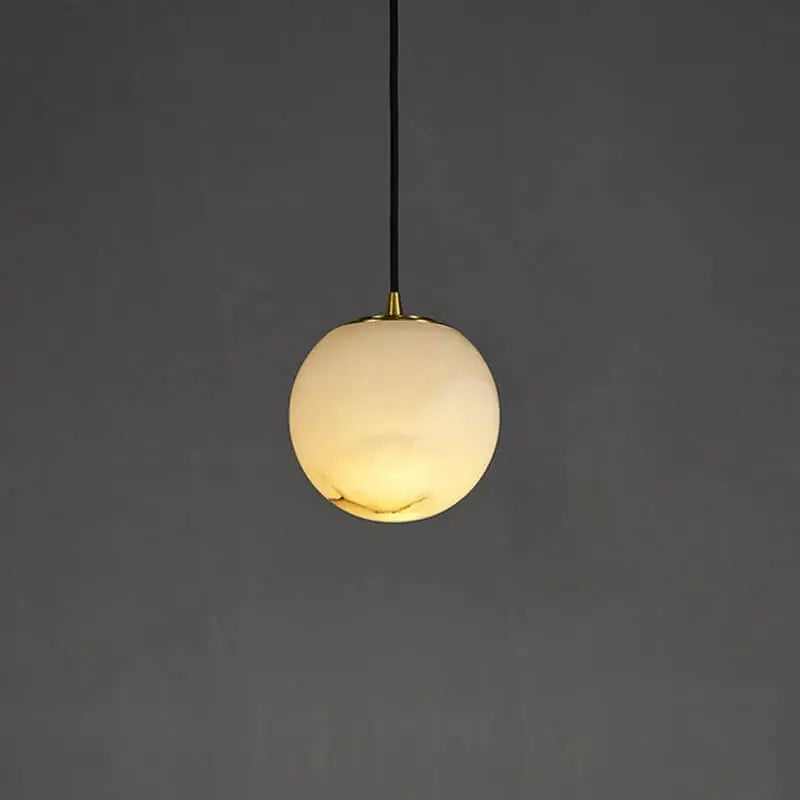
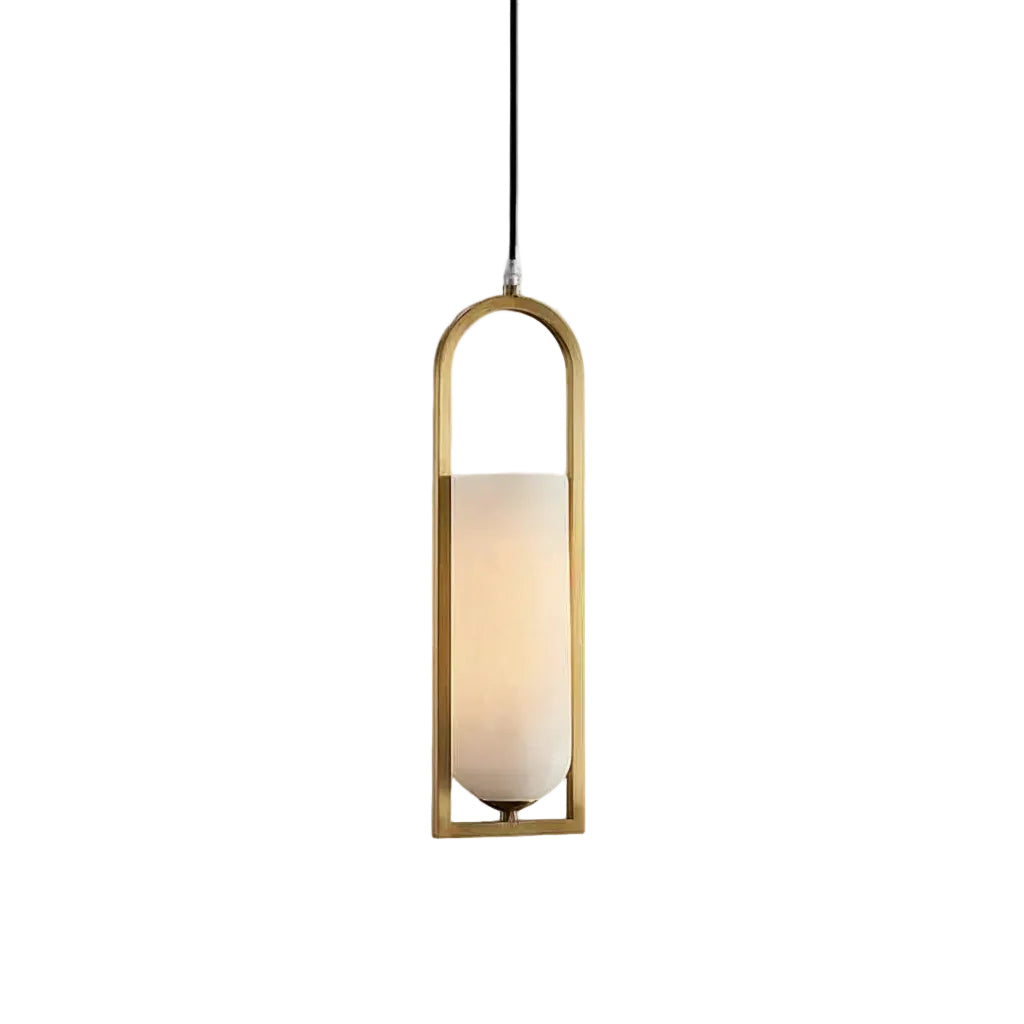
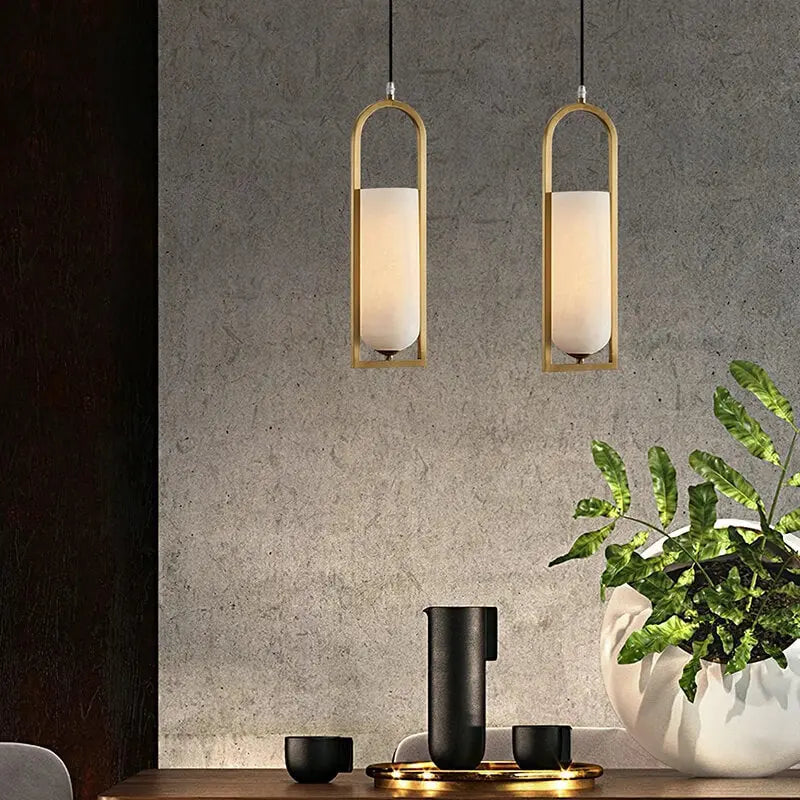
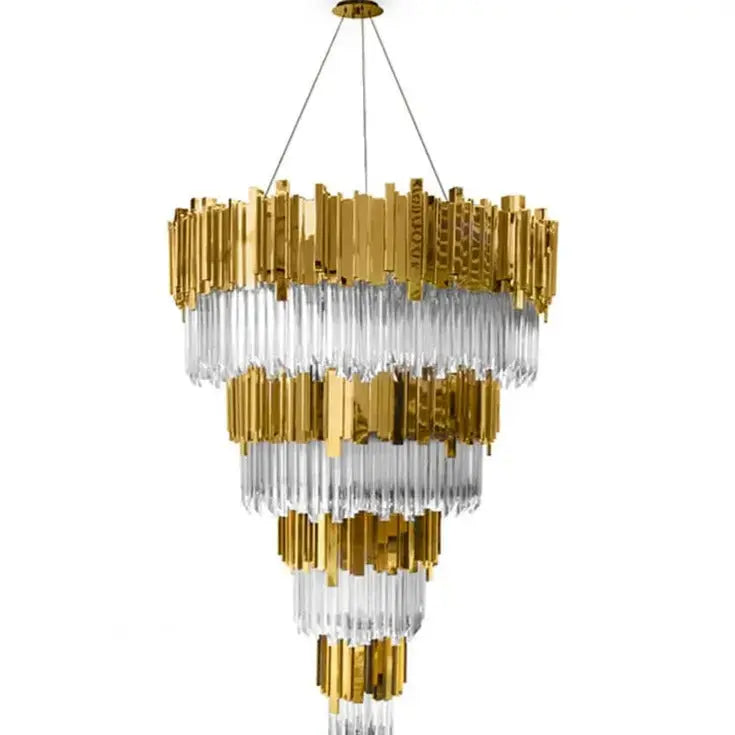
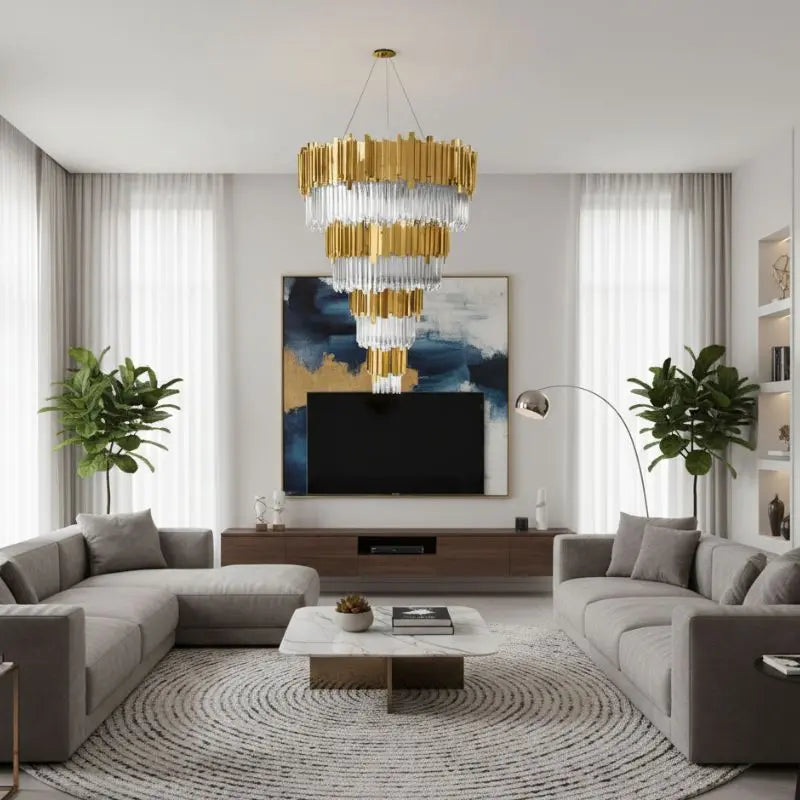
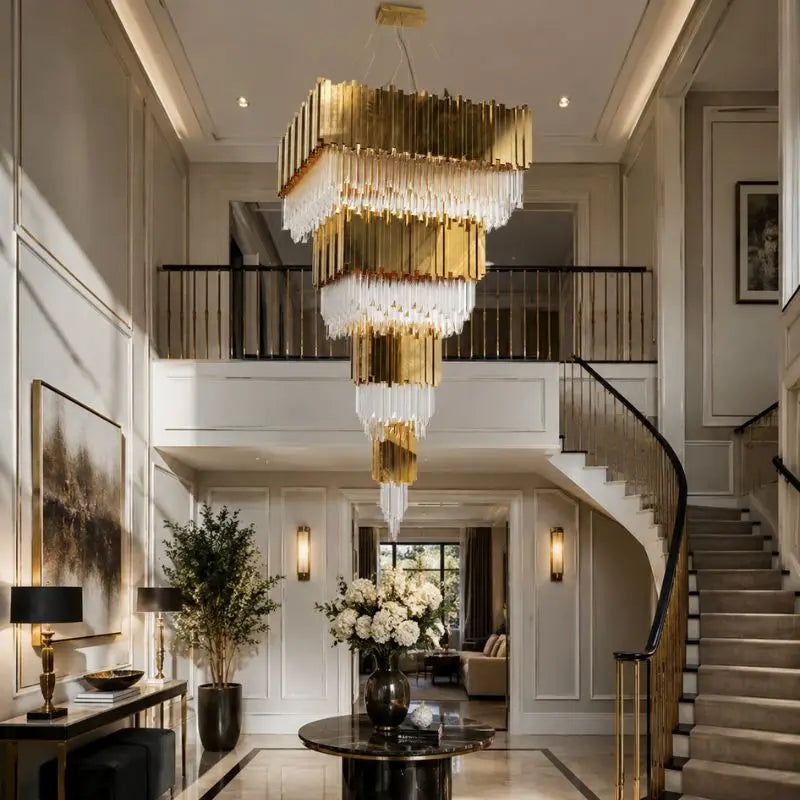
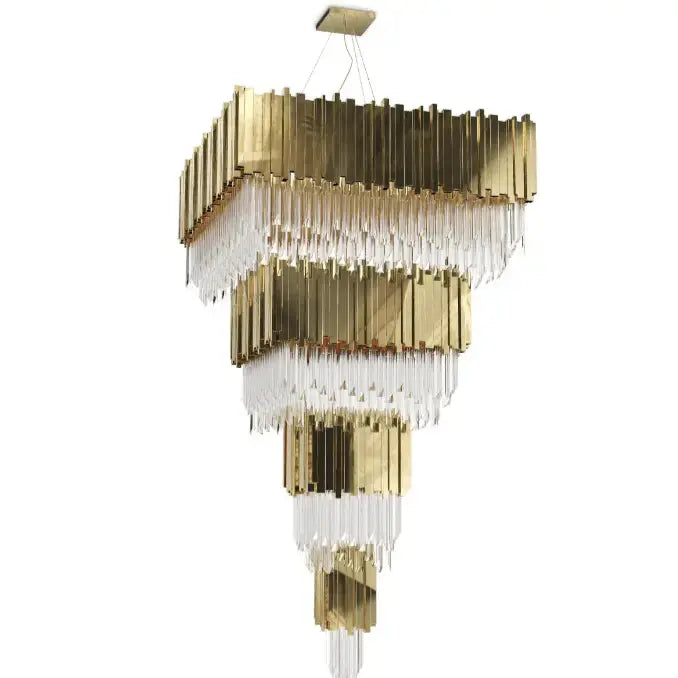
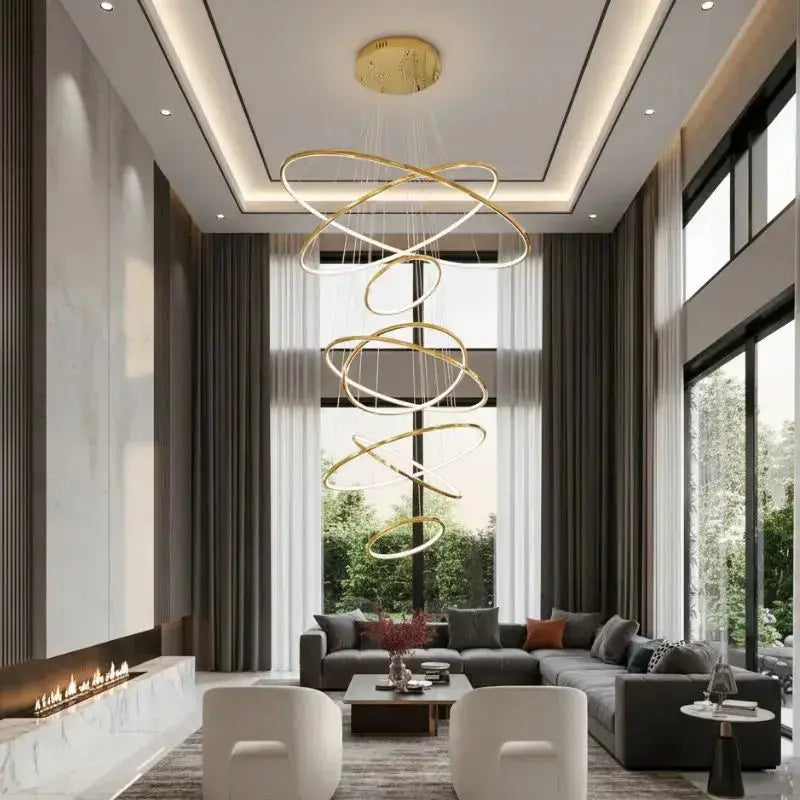
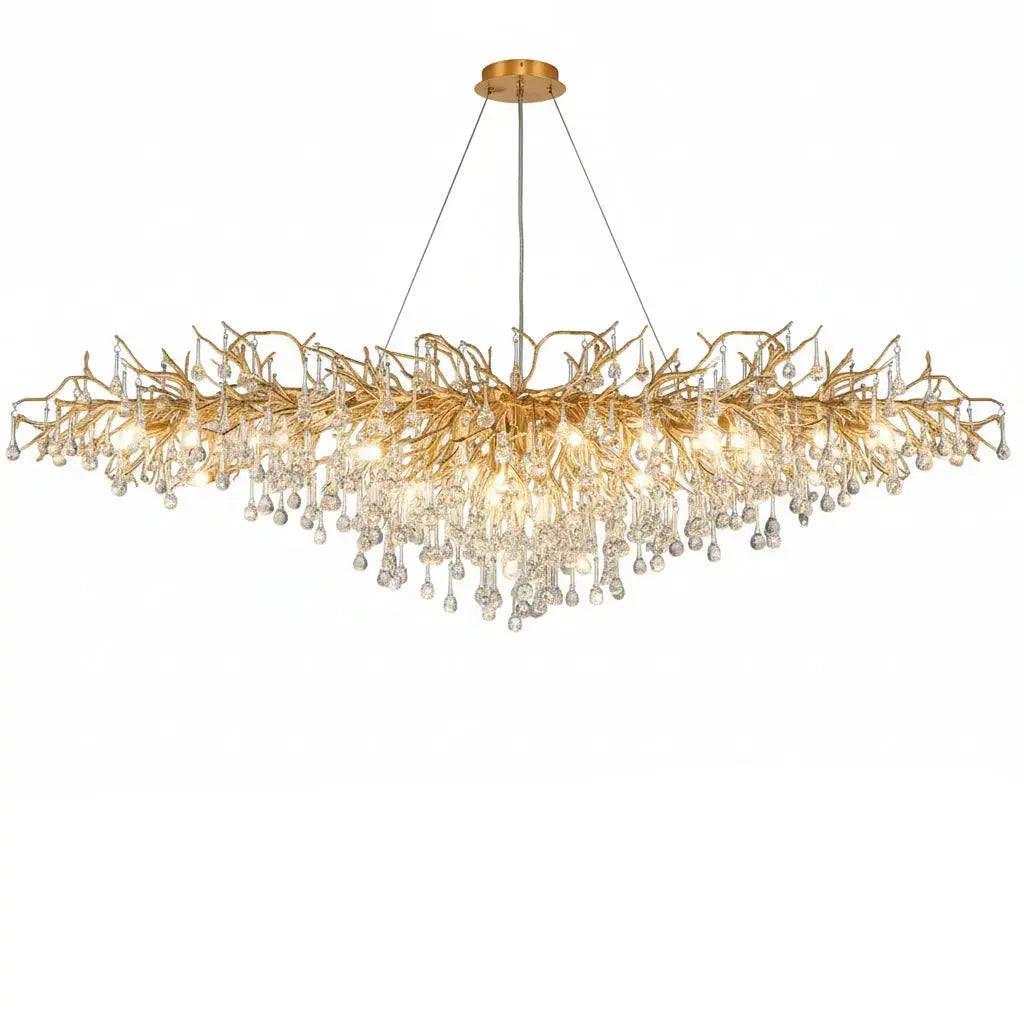
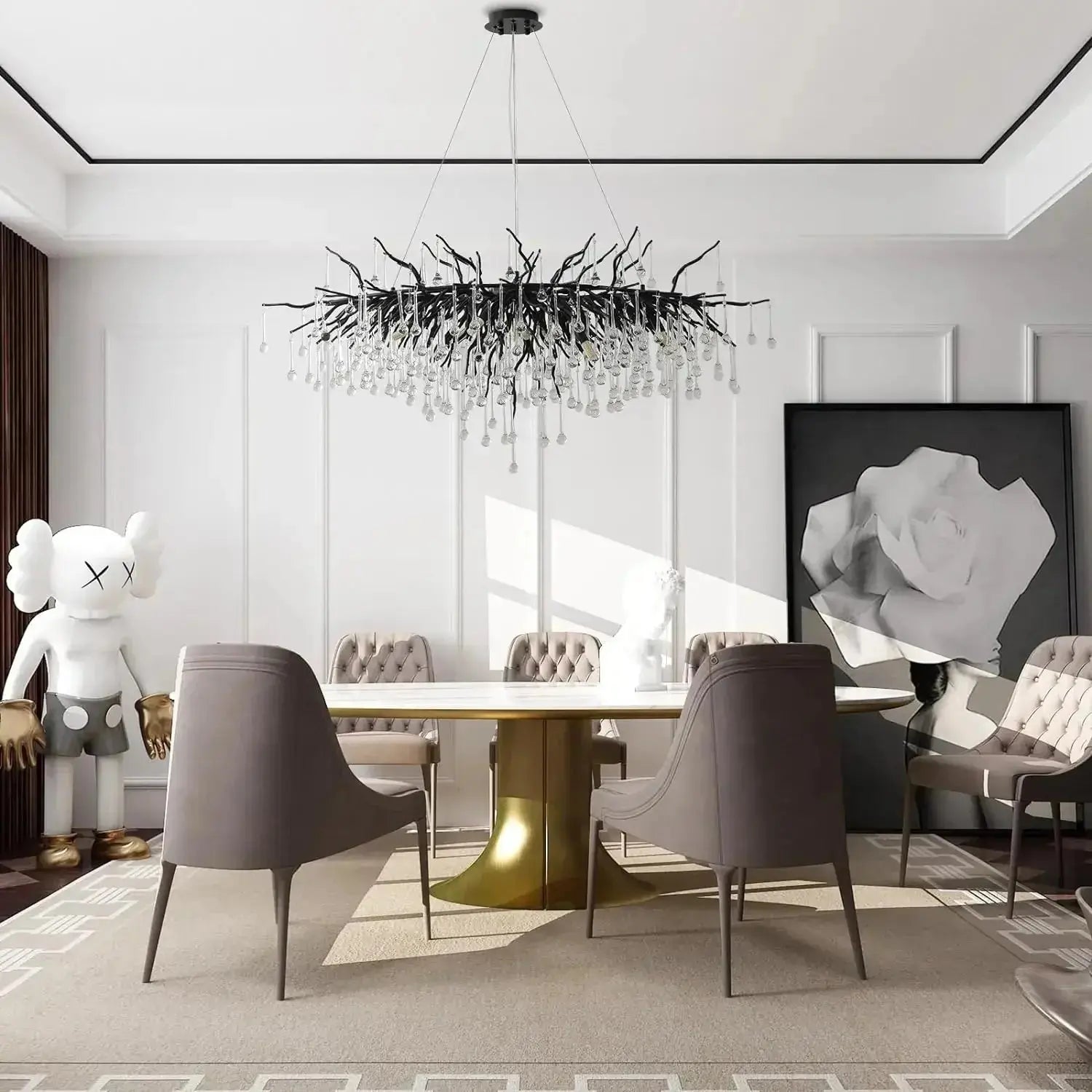
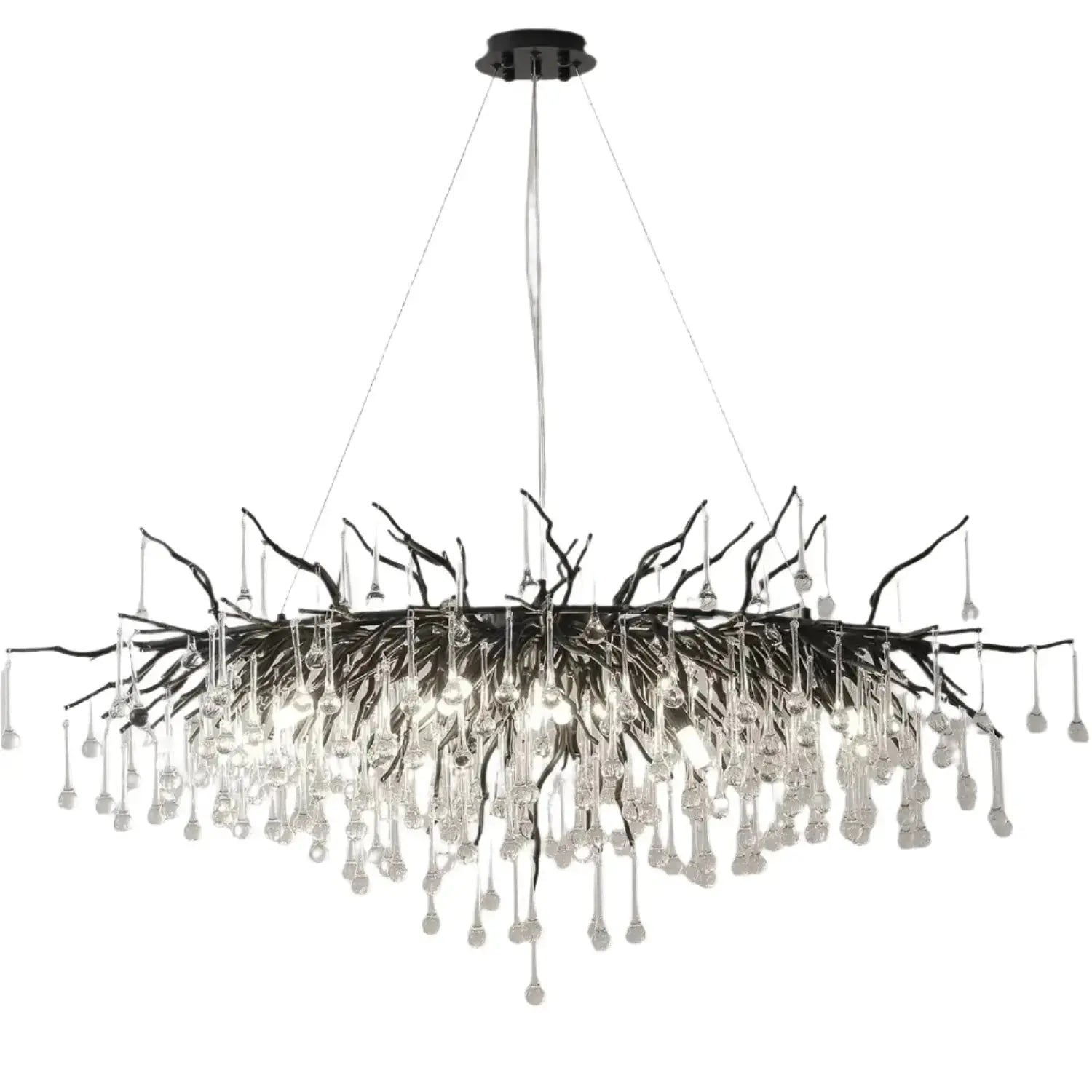
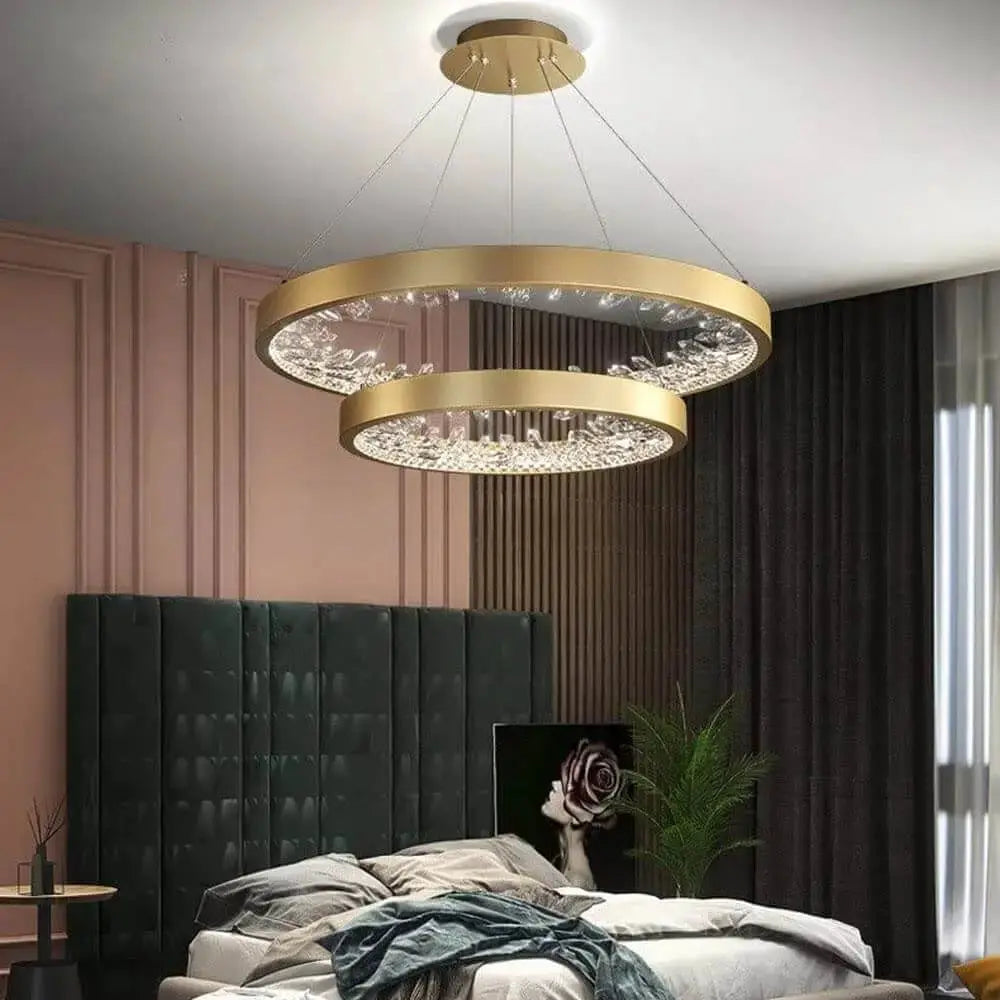
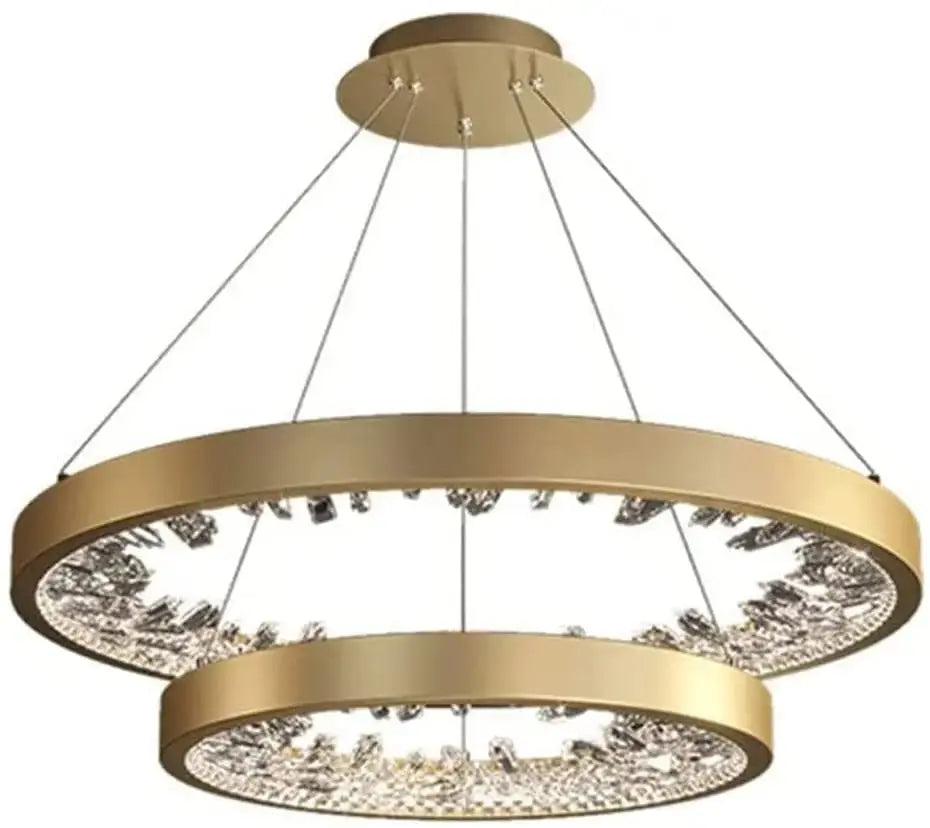
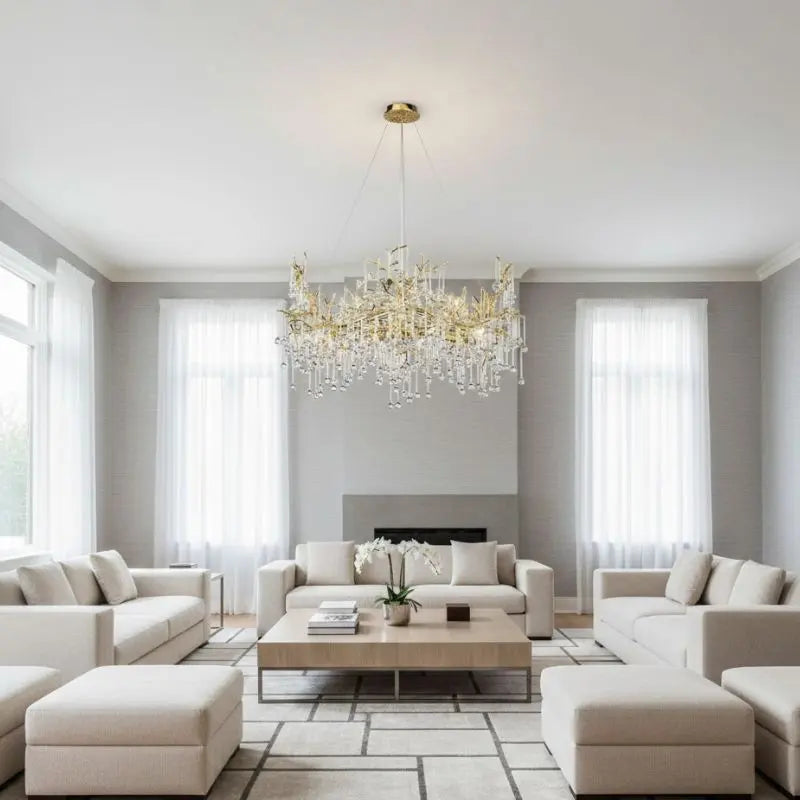
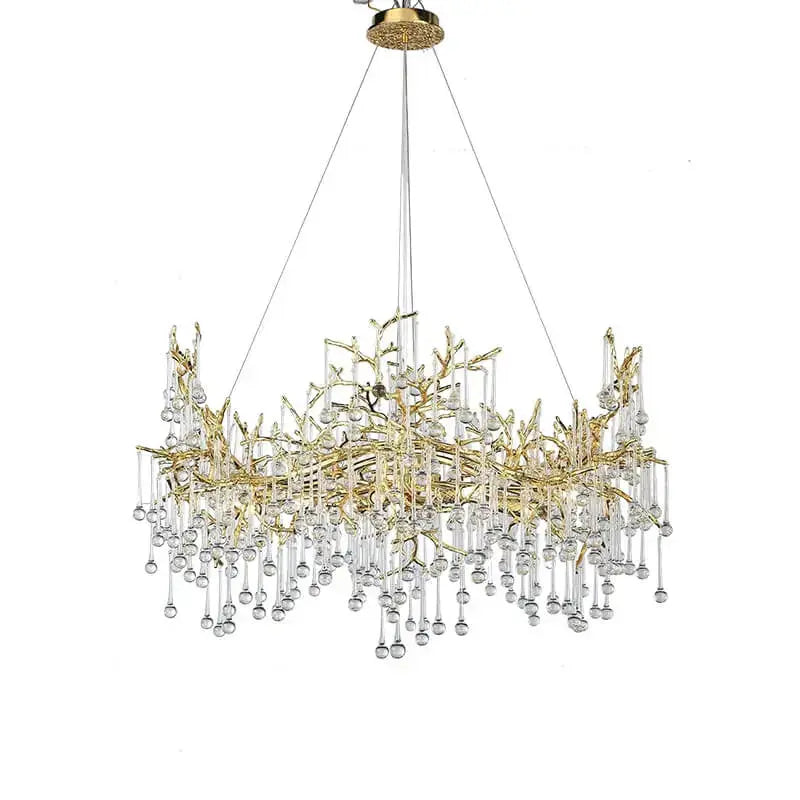
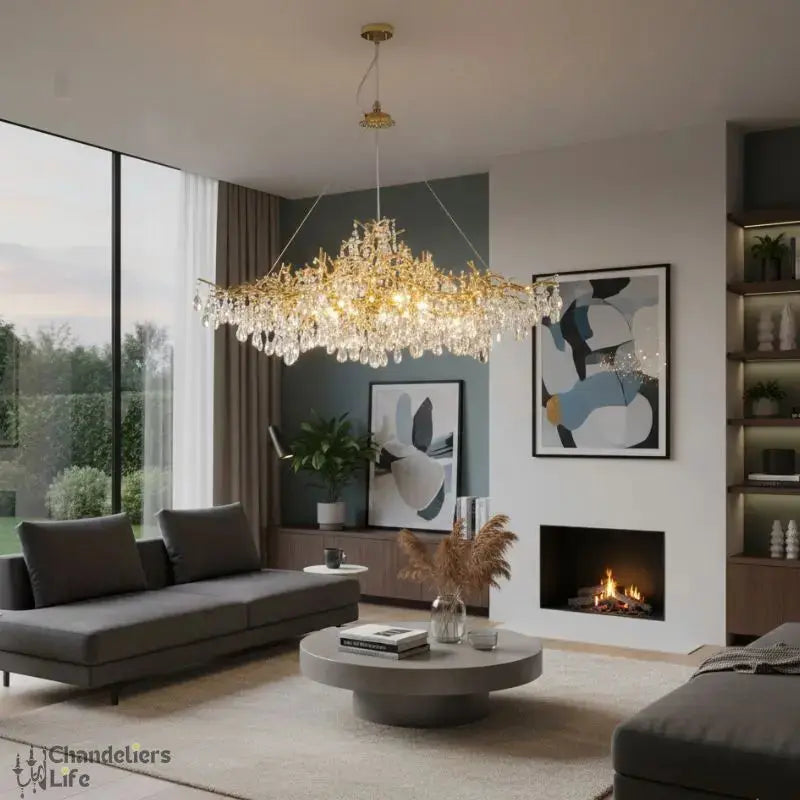
Forget those boring old lamps that just sit there and do their job. In 2026, lighting is getting a serious upgrade with modular designs. Think of it like building with LEGOs, but for light fixtures. You can mix and match different shades, arms, and bases to create something totally unique for your space. It’s all about making your lighting adaptable, so it fits your mood or the occasion.
This trend is super practical because you can easily swap out parts. Got a holiday party coming up? Pop on a festive shade. Want a change for the season? Switch it up again. It’s lighting that’s not just functional, but also fun and interchangeable.
Here’s a quick look at what makes modular lighting so cool:
- Customizable Configurations: Build your own fixture from various components.
- Seasonal Swaps: Easily change shades or elements to match the time of year or an event.
- Mood Lighting: Adjust the light output and style to suit your current vibe.
- Playful Design: It turns a necessity into an opportunity for creative expression.
The idea is to make lighting less about just seeing and more about how it makes you feel. It’s about adding personality and flexibility to your home’s atmosphere, proving that practical items can also be colorful and engaging.
5. Maximalist Mirrors
Forget subtle reflections; 2026 is all about mirrors that make a statement. Think frames crafted from a wild mix of materials – maybe jagged ceramic shards glued together, or twisted copper wire forming an irregular border. These aren't your average mirrors; they're designed to be conversation starters, reflecting your space like a fragmented, artistic dream.
These bold pieces are perfect for adding a touch of drama and personality to any room. They often feature irregular shapes, trading perfect symmetry for something much more interesting and unique. It’s a trend fueled by social media’s love for eye-catching backdrops, pushing designers to create pieces that are as much art as they are functional.
Here’s what makes them stand out:
- Unconventional Frames: Expect to see frames made from unexpected materials like broken tiles, driftwood, or even repurposed metal.
- Irregular Shapes: Forget perfect circles or rectangles. Think organic blobs, sharp angles, or abstract forms.
- Oversized Scale: Many maximalist mirrors are large, designed to be a focal point in a room.
- Integrated Features: Some modern designs even incorporate subtle LED lighting that can pulse softly, adding another layer of visual interest.
These mirrors are a fantastic way to inject a dose of personality and artistic flair into your home. They challenge traditional notions of decor, embracing imperfection and bold design choices to create truly memorable spaces.
6. Faux Fur Throws
Okay, so faux fur throws. They're back, but not in the way you might expect. Forget those basic, flat-looking ones from a few years ago. The 2026 versions are all about texture and drama. Think electric blue zebra stripes or deep, moody leopard prints that are so plush, you'd swear they were the real deal. These aren't just about looking good; they're about feeling incredibly cozy and luxurious.
It's a cool mix of indulgence and being mindful. Advances in recycling mean these super soft throws are often made from recycled plastic bottles, so you can feel good about wrapping yourself up in them. They’re showing up everywhere – not just on sofas, but as oversized rugs, accent cushions, and even wall panels. It’s a way to add a touch of decadence without the guilt.
Here’s what makes them stand out this year:
- Bold Patterns: Expect to see more animal prints, but with a twist – think vibrant colors or unusual color combinations.
- Extreme Plushness: The texture is key. They're designed to be incredibly soft and inviting to the touch.
- Sustainable Materials: Many are now made from recycled fabrics, aligning with the trend towards eco-conscious choices.
- Versatile Use: Beyond just a throw, they're being used as statement pieces in various forms.
This trend is all about bringing a sense of comfort and playful luxury into your home. It’s a tactile experience that invites you to relax and unwind, making your living space feel more inviting and personal.
7. Nature-Mimicking Texture
Forget perfectly smooth surfaces. In 2026, we're all about textures that feel like they came straight from the earth. Think about running your hand over a wall that feels like tree bark or a rug that looks like windblown grass. It’s about bringing the outdoors in, but not in a cheesy, fake-plant kind of way.
These textures aren't just for looks; they're meant to be felt. We're seeing plaster walls with carved patterns, wallpapers that have a real 3D feel, and even textiles that mimic natural elements. It's a way to add depth and a sense of calm to your space.
Here are some ideas:
- Cork surfaces: Carved cork can look like intricate patterns, adding a warm, organic touch to headboards or wall panels.
- Textured plaster: Walls can be treated to resemble natural stone or even tree bark, giving a room a grounded feel.
- Woven rugs: Look for rugs with patterns that echo natural phenomena like sand dunes or flowing water.
- Embroidered wood: Intricate patterns are being routed or drilled into wood surfaces, creating a tactile, handcrafted look.
The goal is to create surfaces that are not only visually interesting but also invite touch, making your home feel more alive and connected to the natural world. It's about creating a sensory experience that soothes and grounds you.
8. Red Hues
Forget those bright, fire-engine reds you might be picturing. For 2026, we're talking about the deeper, moodier shades of red. Think rich maroons and dark merlots that really wrap around a room, making it feel cozy and inviting. It's a bit of a departure from the usual blues and greens that tend to fade into the background. These reds are meant to be noticed, to create a statement.
If you're not quite ready to paint an entire room, start small. A single throw pillow or a plush blanket in a deep red can add just the right amount of warmth and personality. For those feeling bolder, consider a powder room or a home office. Going all-in on a smaller space with these sophisticated red tones can create a surprisingly dramatic and personal retreat.
- Maroon and Merlot: These are the stars of the red palette for 2026.
- Mood & Depth: Focus on colors that create a sense of enclosure.
- Strategic Placement: Start with accents or commit to smaller rooms.
While bold colors can be exciting, the trend leans towards sophisticated, darker reds that offer a sense of comfort and luxury rather than pure vibrancy. It's about creating an atmosphere that feels both grounded and stylish.
9. Soft, Curved Shapes
Forget sharp corners and rigid lines for a bit. In 2026, things are getting a whole lot softer and rounder in home design. Think about furniture that feels more like a hug than a lecture. Sofas are starting to look less like boxes and more like gentle waves, and even dining tables and side tables are shedding their sharp edges for a more relaxed vibe.
This trend isn't about throwing out everything you own, though. It's more about adding a few pieces that bring a sense of movement and calm. It’s like adding a gentle curve to a sentence to make it flow better. You can introduce these softer shapes with a rounded mirror, a sofa with a more organic silhouette, or even a small side table that doesn't have any harsh angles.
Here are a few ways to bring this softer feel into your home:
- Seating: Look for sofas and armchairs with rounded backs and arms. They invite you to sink in and relax.
- Tables: Consider coffee tables or side tables with circular or oval tops. They can soften the look of a room filled with more angular furniture.
- Decor: Rounded vases, lamps with curved bases, or even circular rugs can contribute to this softer aesthetic.
It’s a subtle shift, but these curved shapes really do make a space feel more welcoming and less formal. It’s about creating a visual ease that’s a nice break from the more structured looks we’ve seen lately.
10. In-Home Wellness Environments
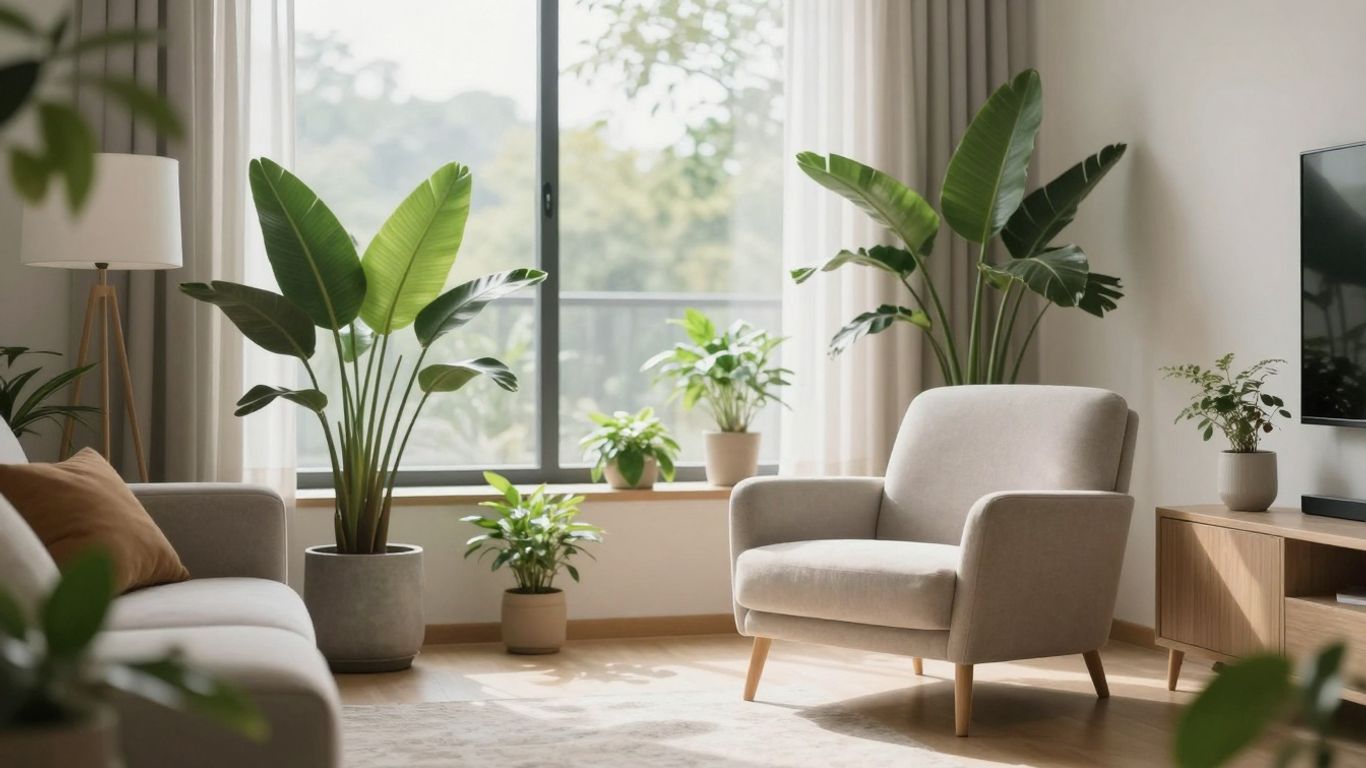
It seems like everyone's talking about wellness these days, and our homes are no exception. We're not just talking about a yoga mat in the corner anymore. People are really carving out dedicated spots for self-care, making them a priority rather than just a nice-to-have. Think about transforming a spare room into a quiet meditation zone, or maybe setting up a little spa-like area in the bathroom. It’s about creating a personal sanctuary where you can recharge.
These spaces are designed to help you feel better, mind and body. It's not always about big, expensive setups either. Sometimes it's as simple as using calming colors, soft lighting, and natural materials to make a small nook feel peaceful. The goal is to make your home a place that truly supports your well-being.
Here are a few ideas to get you started:
- Create a dedicated meditation corner: Even a small space with a comfortable cushion and some plants can work wonders.
- Set up a home spa area: Think about adding a plush robe, some nice-smelling candles, and maybe a small foot bath.
- Design a reading nook: A comfy chair, good lighting, and a stack of your favorite books can be incredibly restorative.
- Incorporate natural elements: Bringing in plants, natural wood, and stone can make any space feel more grounded and peaceful.
The idea is to make your home a place that actively helps you relax and de-stress. It's about designing spaces that feel good to be in, promoting a sense of calm and balance in your everyday life.
11. Seamless Tech Integration
Remember when smart home gadgets stuck out like a sore thumb? Those days are pretty much over. In 2026, the focus is on making technology disappear into the background, working its magic without being obvious. Think about speakers that are hidden in walls or projectors that are tucked away, ready to pop out when you need them. It's all about making your home smarter and more comfortable, but in a way that doesn't mess with your carefully chosen decor.
This trend is all about blending function with form. You get all the benefits of modern tech – convenience, entertainment, and control – without the visual clutter. It's like having a personal assistant for your home that you never actually see.
Here are a few ways this is showing up:
- Hidden Audio: Speakers built into walls, ceilings, or even furniture, so you get great sound without seeing any boxes.
- Disappearing Displays: Short-throw projectors that can create a big screen experience from just a few feet away, or even screens that retract when not in use.
- Integrated Lighting: Smart lighting systems that are part of the architecture, controlled by apps or voice commands, and can change color or intensity to match your mood or activity.
- Smart Controls: Devices that let you manage everything from your thermostat to your security system through a single app or voice assistant, often with sleek, minimalist interfaces.
The goal is to create spaces that feel more human and less like a tech showroom. It's about technology that serves you, quietly and efficiently, allowing the beauty of your home to take center stage.
12. Fat Furniture
Get ready for furniture that’s all about embracing the plush and the substantial in 2026. We're talking about "fat furniture" – think generously proportioned sofas, chairs, and ottomans that practically beg you to sink into them. It’s a trend that puts comfort front and center, but it’s not just about feeling good; these pieces are designed to be statement makers.
These aren't your minimalist, sleek designs. Instead, imagine rounded edges, deep seats, and an overall sense of cozy abundance. They're the kind of furniture that makes a room feel instantly more inviting and lived-in. It’s like wrapping yourself in a warm hug, but for your living space.
Oversized seating is set to dominate, transforming from purely functional items into sculptural elements within a room. These bulky, bold pieces are conceived to offer both looks and practicality, easily becoming the focal point of any living area. With the right selection of soft accessories and thoughtful placement, they can truly define a space.
Here’s what to look for:
- Generous Proportions: Sofas and chairs with deep seats and wide arms.
- Rounded Silhouettes: Soft, curved edges rather than sharp, angular lines.
- Plush Upholstery: Think velvet, chenille, or textured fabrics that add to the cozy feel.
- Statement Pieces: Furniture that commands attention and adds personality.
This trend leans into a desire for comfort and a more relaxed approach to home design. It’s about creating spaces where you can truly unwind and feel at ease, without sacrificing style. The emphasis is on pieces that feel substantial and inviting, making your home a sanctuary.
13. AI-Powered Indoor Gardens
Forget those sad little herb pots on the windowsill. For 2026, indoor gardens are getting a serious tech upgrade. We're talking sleek wall panels, no bigger than a small bookshelf, that grow fresh basil and microgreens right in your kitchen or living room. These aren't your grandma's hydroponics; they're designed to look like modern art pieces, often made from recycled materials like aluminum or bamboo.
The real magic is the AI. It manages the lighting and watering cycles, so you get perfect plants without even trying. It's a game-changer for apartment dwellers or anyone who thinks they have a black thumb. These systems are usually plug-and-play, making them accessible for renters but stylish enough for high-end homes.
Here's what makes them stand out:
- Automated Care: AI takes the guesswork out of growing.
- Space-Saving Design: Minimalist aesthetics blend into your decor.
- Fresh Produce Year-Round: Enjoy herbs and greens no matter the season.
- Sustainable Materials: Often built with eco-friendly components.
These smart gardens bring a touch of nature indoors, offering both beauty and function with minimal effort. They're a smart way to add greenery and fresh ingredients to your home, even if you're short on space or time.
14. Digital Art and Virtual Displays
Forget those clunky digital frames from years ago. We're talking about super thin OLED panels that basically glow on your walls. Imagine a mural of ocean waves that actually moves, fading in and out with the day. It's like having a living piece of art that changes. This trend is all about blending new display tech with the idea of unique, DIY art. You can actually change what's on display whenever you feel like it, tweaking every little detail. It's a big step up from static pictures.
Here's what makes this trend stand out:
- Dynamic Visuals: The art isn't just sitting there; it's alive and changing.
- Customization: You get to decide what it looks like and when it changes.
- Tech Meets Art: It uses cutting-edge screens to show off creative work.
- Evolving Decor: Your walls can literally transform based on your mood or the season.
This isn't just about screens; it's about bringing a new kind of energy and personalization into your home. Think of it as digital wallpaper that's actually interesting and can be anything you want it to be.
It's a way to have art that feels fresh and relevant, without the hassle of constantly buying new pieces. You can even have AI generate unique visuals for you, making each display truly one-of-a-kind.
15. The Fringe Lamp
Okay, so lamps are usually pretty straightforward, right? You need light, you get a lamp. But for 2026, we're seeing lamps get a whole lot more interesting, especially with fringe. Think of it as adding a little bit of flair, a touch of playful drama to your lighting. It's not just about the light itself anymore; it's about the statement the fixture makes even when it's off.
These aren't your grandma's dusty old lampshades, though. We're talking about modern takes on fringe, from delicate threads that catch the light to bolder, more substantial tassels that add a real textural element. It’s a way to bring in that cozy, lived-in feel that’s really big this year, making a space feel more personal and less… well, sterile.
Here’s why fringe lamps are catching our eye:
- Adds Texture: Fringe brings a tactile quality that plain lamps just can't match. It plays with light and shadow in a really interesting way.
- Injects Personality: It’s a detail that says you’re not afraid to have a little fun with your decor. It can be sophisticated, bohemian, or even a bit glamorous, depending on the style.
- Versatile Styles: You can find fringe in all sorts of materials and lengths. Some are subtle, like a soft brush, while others are more pronounced, like beaded or thick yarn tassels.
- Unexpected Detail: It’s a detail that makes people look twice. It’s a conversation starter, for sure.
Fringe on lamps is a simple way to make a regular light fixture feel incredibly luxurious and unique. It’s about adding that extra bit of detail that elevates the whole piece, turning something functional into a real decorative accent. It’s a trend that’s both stylish and a little bit whimsical, which feels just right for how we want our homes to feel now.
16. The Decorative Pillow
Pillows are getting a serious upgrade for 2026. Forget those basic squares you've had for years; we're talking about pillows that are practically works of art. Think plush velvets in deep, rich colors like burgundy or even electric blues. Some are even sporting playful, bold patterns like neon leopard spots, adding a pop of personality to any sofa or armchair.
It's not just about the fabric and color, though. Texture is huge. You'll see pillows with interesting weaves, subtle embroidery, or even delicate fringe details that add a touch of sophistication. They're becoming statement pieces, not just afterthoughts.
Here's what to look for:
- Luxurious Fabrics: Velvets, silks, and even some of the new recycled materials that feel incredibly soft.
- Bold Patterns: Think abstract designs, animal prints, or geometric shapes that catch the eye.
- Textural Interest: Fringe, tassels, embroidery, and unique weaves.
- Unexpected Shapes: Beyond the standard square, expect to see more lumbar, bolster, and even custom shapes.
These aren't just for comfort anymore; decorative pillows are now key elements in defining a room's style and adding that personal touch that makes a house feel like a home. They're an easy way to experiment with trends without a major commitment.
17. Color in the Kitchen
If you've been thinking about ditching that all-white kitchen, 2026 is definitely the year to go for it. Color is making a huge comeback in kitchen design, and it's not just for accents anymore. We're seeing bold choices that really define the space. Think deep blues, rich forest greens, and warm burgundies taking center stage. These aren't just pretty colors; they can actually change the mood of your kitchen, making it feel more inviting and personal.
It's a move away from the safe, neutral palettes that have been popular for a while. People are ready to express themselves through their homes, and the kitchen is a prime spot for that. Instead of playing it safe for resale, homeowners are choosing colors that bring them joy and reflect their personality.
The kitchen is shedding its utilitarian shell and embracing a more expressive identity. Color is the key ingredient in this transformation, turning a functional space into a personal sanctuary.
Here are some ways color is showing up:
- Monochromatic Magic: Don't shy away from using a single color family throughout. A kitchen in varying shades of blue, from deep navy cabinets to lighter blue tiles, can create a dramatic yet cohesive look. The trick is to play with different textures and finishes within that color to add depth.
- Earthy Tones: Clay and terracotta shades are also gaining traction. These warm, grounded colors work beautifully, especially in spaces with good natural light. They pair well with other natural materials like wood and stone, creating a sophisticated, nature-inspired vibe.
- Electric Hues: For the truly bold, vibrant colors like electric blue or bright lime green are appearing on cabinets. These intense shades demand commitment but reward with a kitchen that's full of energy and personality. When used thoughtfully, they can be surprisingly versatile.
18. Sustainable Luxury
It feels like everyone's talking about being more eco-conscious these days, and that's definitely showing up in home decor for 2026. We're seeing a move away from the super-fast furniture cycle that was so popular a few years back. Instead, people are looking for pieces that are made with care and have a story behind them.
Think about materials that get better with age, like well-made wood or natural fibers that can be repaired or repurposed. It's less about that "perfectly" polished look and more about items that feel lived-in and have character. This often means supporting smaller makers who are closer to home, or even looking at vintage and antique finds. It’s all about giving items a new life and reducing waste.
Here are a few ways this trend is showing up:
- Focus on Traceable Origins: Knowing where your furniture and decor come from is becoming important. This could mean buying from brands that are open about their supply chains or choosing items made from recycled or upcycled materials.
- Hyper-Local Craftsmanship: There's a growing appreciation for artisans who use both old and new techniques to create unique pieces from reclaimed materials.
- Materials That Endure: Instead of things that fall apart quickly, we're drawn to items built to last, often using natural, renewable resources.
The idea is to create a home that feels both luxurious and responsible, where beautiful objects have a positive impact, not a negative one. It’s about quality over quantity, and making choices that are good for the planet as well as your living space.
19. Handcrafted Personal Design
Forget mass-produced and cookie-cutter. In 2026, it's all about pieces that tell a story, things that feel like they were made just for you, by hand. This trend is a big nod to the "modern heritage" idea – mixing old vibes with new ones to create spaces that feel really personal and full of character. Think about furniture with a bit of history, maybe something antique or something a local maker put together. It’s about appreciating the craft, the little quirks that make something unique.
The focus is on items with traceable origins and hyper-local craft.
This isn't just about looking good; it's about feeling connected to your home. It means embracing imperfections, like a slightly uneven stitch on a cushion or a wood grain that's not perfectly straight. These aren't flaws; they're what give an item its soul.
Here are a few ways to bring this vibe into your space:
- Seek out local artisans: Look for furniture makers, ceramicists, or textile artists in your area. Buying from them supports local economies and guarantees you get something truly one-of-a-kind.
- Embrace antiques and vintage finds: Old pieces have character and history. They've already stood the test of time and add a layer of depth that new items just can't replicate.
- Consider DIY or upcycling: Even simple projects, like adding custom hardware to a cabinet or reupholstering a chair with a unique fabric, can make a piece feel much more personal.
- Look for unique finishes: Think about wood with visible grain, hand-painted tiles, or textiles with visible weaving patterns. These details highlight the human touch.
This trend is a move away from the sterile, perfect look that dominated for a while. It’s about creating a home that feels lived-in, authentic, and deeply reflective of the people who inhabit it. It’s about warmth and connection, not just aesthetics.
It’s a refreshing change, really. Instead of chasing the latest trend from a big box store, you’re curating a collection of items that have meaning. It makes your home feel less like a showroom and more like a genuine reflection of your journey and your taste.
20. Cozy Minimalism
Forget the stark, empty rooms of a few years back. Cozy minimalism is all about creating spaces that feel calm and uncluttered, but also genuinely warm and inviting. It’s a style that says you can have less stuff without feeling like you're living in a sterile showroom. Think soft textures, natural materials, and a color palette that soothes the soul.
This approach focuses on intentionality. Every item in the room has a purpose, whether it's functional or purely for comfort. It’s about curating a collection of things you truly love and that bring you joy, rather than just filling space.
Here’s how to achieve that cozy minimalist vibe:
- Embrace Natural Materials: Wood, wool, linen, and cotton add warmth and texture. Look for furniture and decor made from these materials.
- Layer Textures: Combine different textures like a chunky knit throw on a smooth linen sofa, or a woven rug under a sleek coffee table. This adds depth and visual interest without adding clutter.
- Soft, Muted Colors: Stick to a palette of warm neutrals like creams, beiges, soft grays, and muted earth tones. You can add subtle pops of color through art or decorative objects.
- Thoughtful Lighting: Use warm, ambient lighting. Ditch harsh overhead lights for floor lamps, table lamps, and perhaps even some fairy lights to create a cozy glow.
- Declutter Ruthlessly (but Kindly): The 'minimalist' part means keeping things tidy. Regularly go through your belongings and keep only what you need, use, or truly cherish. Storage solutions that hide clutter are your best friend.
The goal isn't to live with nothing, but to live with intention. It's about creating a peaceful sanctuary that feels both stylish and deeply comfortable, a place where you can truly relax and recharge.
21. Biophilic Evolution
Biophilic design is really taking root this year, moving beyond just a few potted plants. It's about truly bringing the outside in, making our homes feel more alive and connected to nature. Think less 'fake plant corner' and more 'integrated living system'.
This trend is all about creating spaces that support our well-being by mimicking natural environments. It's not just about aesthetics; it's about how these spaces make us feel. We're seeing a shift towards incorporating natural elements in more functional ways.
Here are some ways biophilic design is evolving:
- Living Walls and Vertical Gardens: These aren't just decorative anymore. They're becoming functional, with some systems designed for growing herbs or small vegetables right in your kitchen or living area. They help purify the air and add a vibrant, dynamic element to your decor.
- Natural Materials and Textures: Expect to see more wood with visible grain, stone, cork, and natural fibers like linen and wool. These materials add warmth and a tactile quality that connects us to the earth.
- Water Features: Small, indoor water features, like tabletop fountains or integrated wall elements, are becoming more popular. The sound and sight of moving water can be incredibly calming and create a spa-like atmosphere.
- Soundscapes: Beyond just visual elements, designers are thinking about the sounds of nature. This could mean incorporating elements that mimic natural sounds or using materials that absorb unwanted noise, creating a more peaceful auditory environment.
The goal is to create spaces that feel restorative and energizing, reducing stress and improving our overall mood. It's about designing environments that actively contribute to our health and happiness, making our homes true sanctuaries.
We're also seeing a move towards more sophisticated, tech-integrated biophilic solutions. Think smart indoor gardens that use AI to optimize plant growth or lighting systems that mimic natural daylight cycles. It's a blend of nature and technology that feels both futuristic and deeply human.
22. Sensorial Immersion
This year, homes are really starting to feel more alive, you know? It's not just about how things look anymore; it's about how they make you feel. Think about spaces that change with you, adapting to your mood or even the weather outside. It's like your house is becoming a partner in your well-being.
We're seeing a big shift towards creating environments that engage all your senses. This means paying attention to textures that beg to be touched, like walls with patterns that mimic natural elements or fabrics that feel amazing. Sound is becoming a big player too, with integrated systems that can play calming music or even nature sounds to help you relax or focus.
Here are a few ways designers are bringing this to life:
- Tactile Surfaces: Walls might have a plaster finish that feels like smooth stone, or you might find furniture upholstered in materials like boucle or velvet that just invite you to run your hand over them.
- Acoustic Design: Rooms are being designed with sound in mind, using materials that absorb noise for a more peaceful atmosphere, or incorporating subtle soundscapes for meditation.
- Dynamic Lighting: Lighting isn't just for seeing anymore. It's about setting a mood, with systems that can change color temperature and intensity throughout the day to match natural light or your personal needs.
- Subtle Aromas: Some spaces are even incorporating gentle, natural scents, like essential oil diffusers built into the architecture, to create a truly calming atmosphere.
The idea is to move beyond just visual appeal and create spaces that actively contribute to your comfort and mental state. It's about making your home a place that truly supports you on a deeper level, engaging more than just your eyes.
It’s a pretty cool direction, honestly. It makes your home feel less like just a structure and more like a living, breathing part of your life.
23. Circular Economies
This trend is all about making things last and thinking about where stuff comes from and where it goes. Instead of just buying new all the time, we're looking at pieces that can be used again, fixed up, or even turned into something else entirely. Think about furniture made from reclaimed wood or decor crafted from recycled materials. It's a move away from the 'fast furniture' idea that was popular a few years back.
The focus is on items with a clear history and the potential for a future.
Here's a breakdown of what that looks like:
- Reuse and Repurpose: Giving old items a new life. This could be anything from buying antique furniture to using old textiles in new ways.
- Traceable Origins: Knowing where your home goods come from. This means supporting local makers and understanding the materials used.
- Designed for Longevity: Choosing items that are built to last and can be repaired, rather than thrown away.
It's a more thoughtful way to decorate, where the story behind an object matters just as much as how it looks. It feels good to know your home isn't contributing to waste.
This approach encourages a shift in how we view possessions, moving from disposable items to cherished pieces that hold value over time and can be passed on or transformed.
24. Algorithmic Ergonomics
It's pretty wild how furniture is getting smarter, right? Algorithmic ergonomics is basically using computer smarts to figure out the best way a chair or sofa should be shaped. Think about it: designers are feeding data about how our bodies move and where we put pressure when we sit into fancy programs. These programs then spit out designs that are supposed to be super comfy and good for your back.
It's all about making furniture that just fits you, almost like it knows you. The idea is to support your spine and limbs in a way that feels natural and doesn't cause aches.
Here's a quick rundown of what this means for your home:
- Data-Driven Shapes: Furniture designed based on how people actually sit and move.
- Personalized Comfort: Aims to reduce stress on your body by aligning it properly.
- Intuitive Support: You shouldn't have to fidget to find a comfortable position; the furniture should just feel right.
This trend is all about making everyday objects work better for us, using technology to improve our physical well-being without making our homes look like a science lab. It's a subtle shift, but one that could make a big difference in how we feel at home.
So, when you're looking for new seating, keep an eye out for pieces that seem to just 'get' you. It might just be the algorithms at work!
25. Closed Floor Plans and more
Remember when open-concept living was all the rage? It felt like every new house was built with one giant room for everything. Well, things are shifting a bit. While we're not exactly tearing down walls to create separate rooms everywhere, there's a growing desire for spaces that feel more defined. Think of it as a return to rooms having a clearer purpose. Your dining area can feel like a distinct spot for meals, the kitchen can have its own identity, and the living room can actually feel cozy and separate when you want it to.
If you've got an open layout but are craving a little more definition without a major renovation, don't worry. You can create subtle divisions using things like custom built-in shelves, interesting ceiling treatments, or even just smart furniture placement. Sometimes, a simple change in lighting or the materials used in different zones can make a space feel much more distinct and intentional.
The trend isn't about going back to tiny, boxed-in rooms, but rather about finding a balance. It's about creating zones within larger spaces that offer both connection and a sense of privacy when needed.
Here are a few ways to bring more definition to your space:
- Furniture Arrangement: Use larger pieces like sofas or bookshelves to act as natural dividers. Placing a rug can also help define a seating area.
- Room Dividers: Consider decorative screens, open shelving units, or even large plants to create visual separation.
- Lighting Zones: Different types of lighting can signal different areas. A pendant light over a dining table, for example, clearly marks that space.
- Material Changes: Switching flooring materials or using a different wall treatment (like an accent wall) can subtly signal a change in function.
Wrapping It Up
So there you have it – a peek into what's shaping up to be a really interesting year for home decor in 2026. It's not about completely overhauling your place every time a new trend pops up, but it's fun to see what's inspiring people. Whether you're drawn to the cozy feel of lived-in spaces, the bold statement of painted floors, or the calming effect of curved furniture, there's a lot to play with. Think about what makes you feel good in your home and maybe try adding just one or two new touches. It’s all about making your space feel like truly yours, reflecting who you are and how you want to live.
Frequently Asked Questions
What's the main idea behind the 2026 home style trends?
The big idea for 2026 is making homes feel more personal and cozy. Think about mixing old and new styles, using comfy shapes, and adding colors that make you feel good. It's all about creating spaces that feel lived-in and tell your story.
Are bold colors still in style for 2026?
Yes, but with a twist! Instead of bright, loud colors, think deeper, richer shades. Dark reds like maroon and merlot are popular, especially in smaller spaces like powder rooms or kitchens. These colors are meant to make a room feel warm and inviting, like a hug.
What are 'fat furniture' and 'curved architecture'?
'Fat furniture' means big, comfy, and soft-looking pieces, like overstuffed sofas and chairs that invite you to sink in. 'Curved architecture' is about using rounded shapes in your home, like arches, curved walls, or even furniture with soft edges. These shapes make spaces feel more relaxed and flowing.
How can I make my home feel more 'lived-in'?
A lived-in look means embracing a bit of imperfection and showing how you actually use your space. This could mean using furniture that looks like it's been collected over time, adding handmade items, or not worrying too much about everything being perfectly neat. It's about comfort and authenticity.
What does 'sustainable luxury' mean for home decor in 2026?
Sustainable luxury is about choosing high-quality items that are made responsibly. Instead of mass-produced goods, people are looking for unique pieces made from recycled materials or by local craftspeople. It's about having beautiful things that are also kind to the planet.
How can I add 'nature-mimicking textures' to my home?
This trend is about bringing the feeling of nature indoors through touch. Think about surfaces that feel like tree bark, woven rugs that look like grass, or wallpapers that have a 3D texture. It's about creating tactile experiences that connect you to the natural world.