A beautiful ceiling fixture can change how a room feels before the furniture is even noticed. The question of chandelier versus pendant lighting is not simply about choosing a style you prefer. It is about deciding whether the room needs a focal point, concentrated task light, ambient glow, or a considered combination of all three.
For a grand entrance, a crystal chandelier can establish a sense of arrival. Above a kitchen island, a row of pendants can bring order, clarity and tailored illumination to everyday routines. Both fixtures can feel luxurious, modern and deeply personal, but they perform differently in a space. Choosing well begins with the room itself.
Chandelier versus pendant lighting: the essential difference
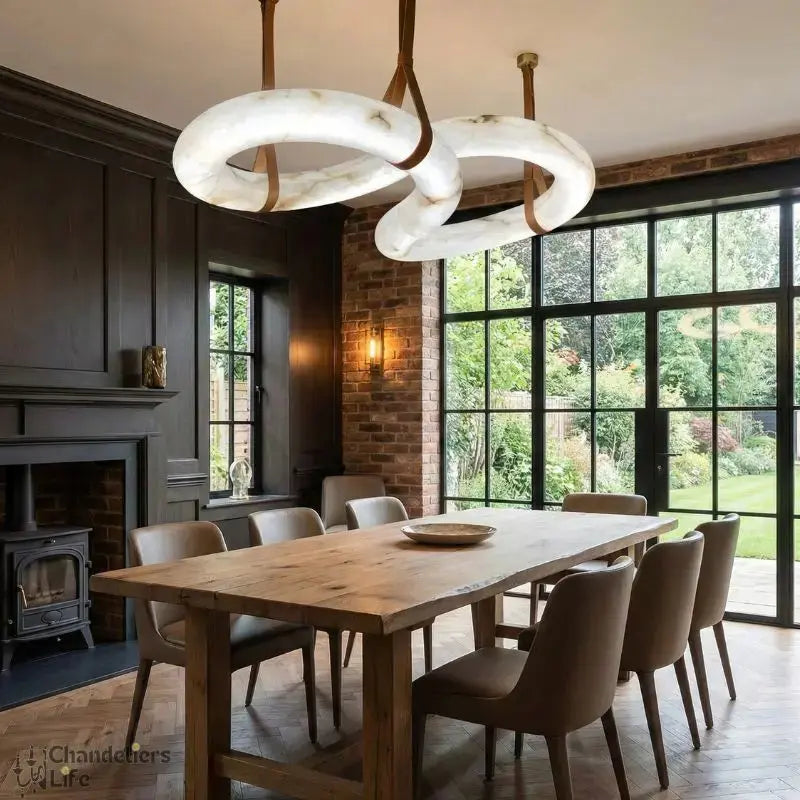
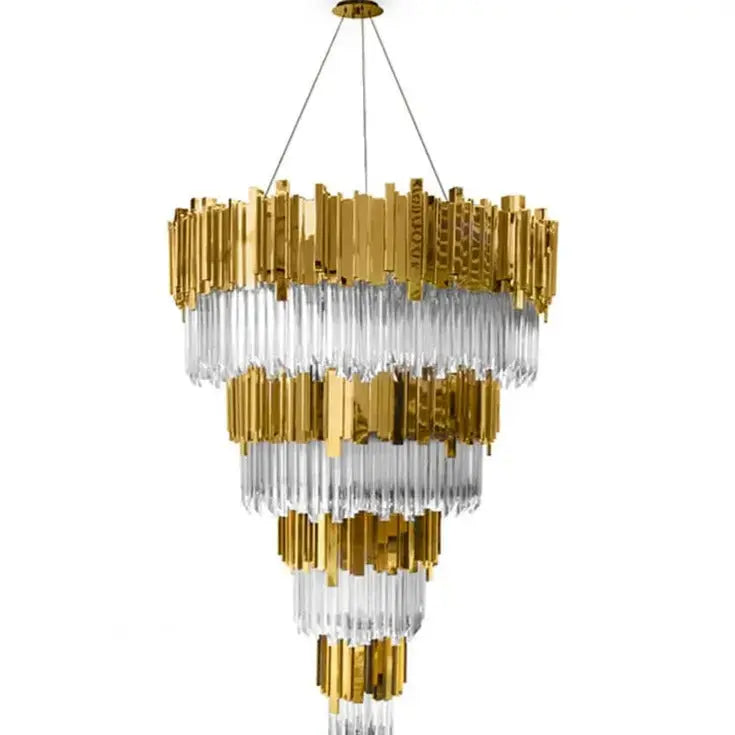
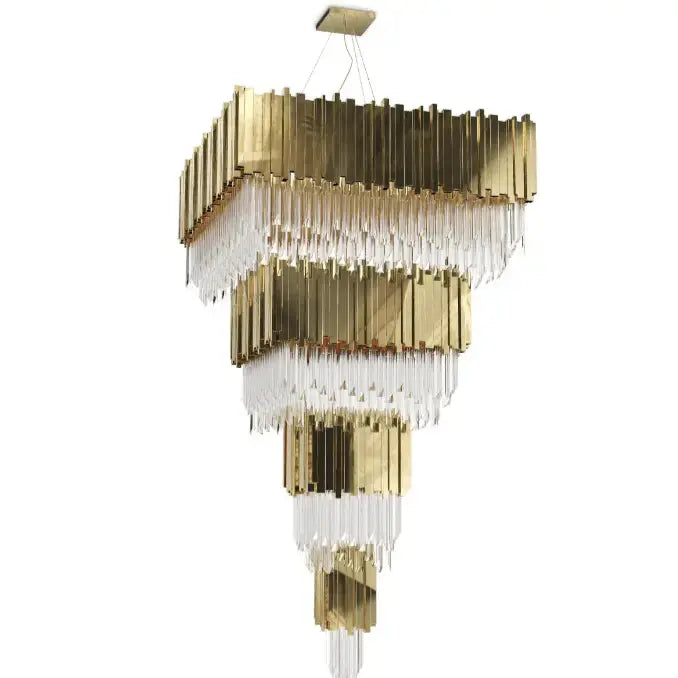
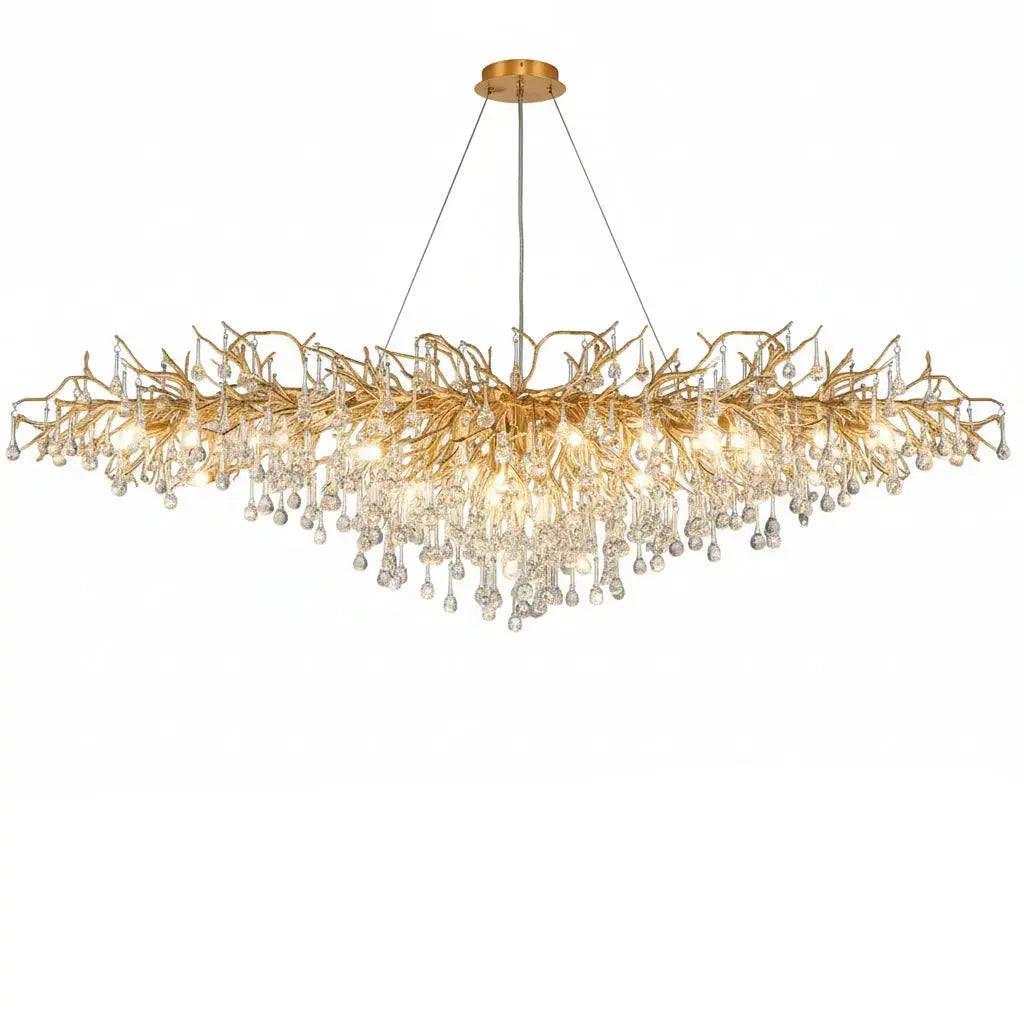
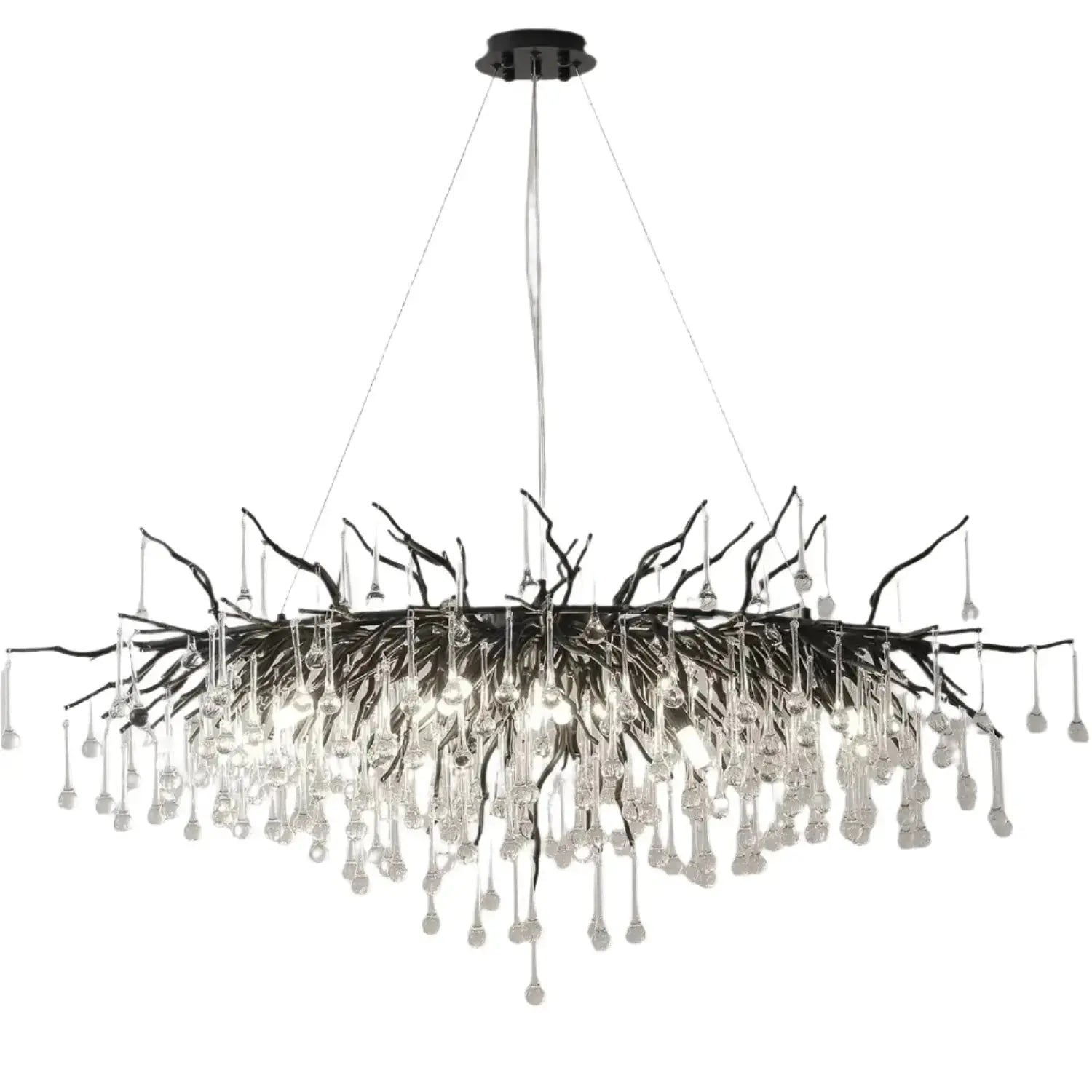
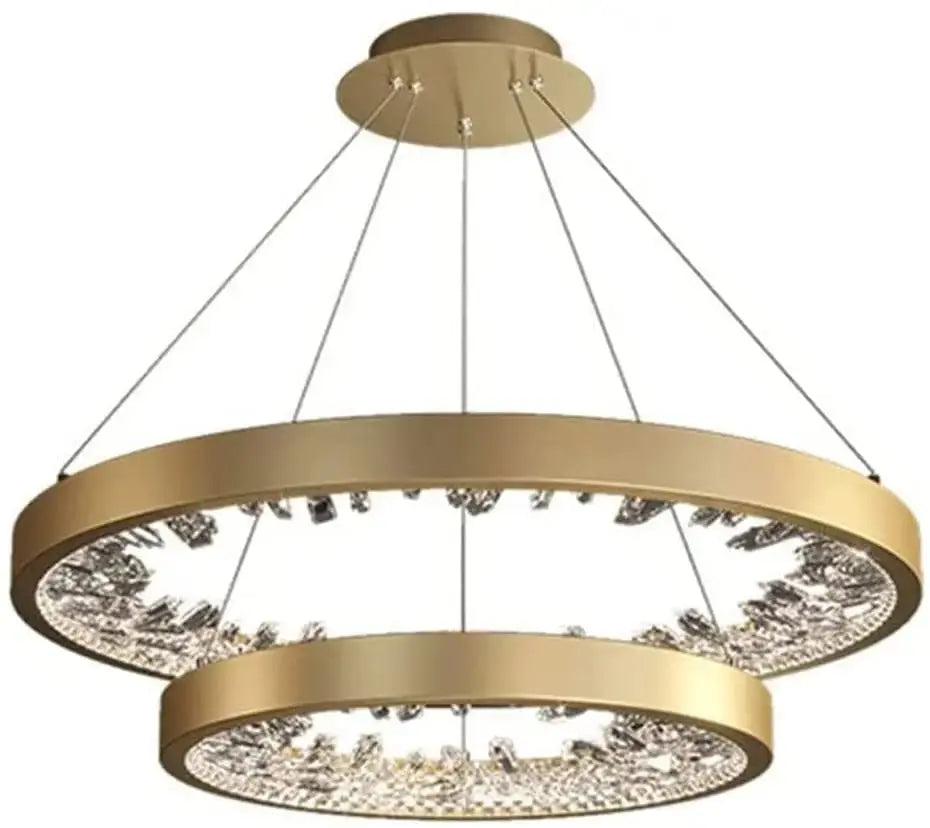
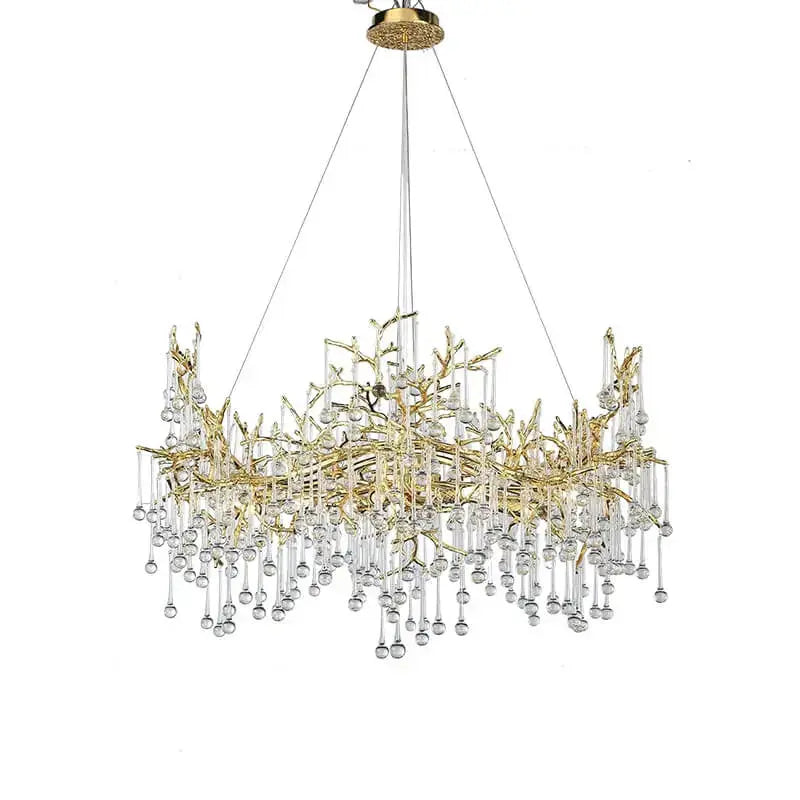
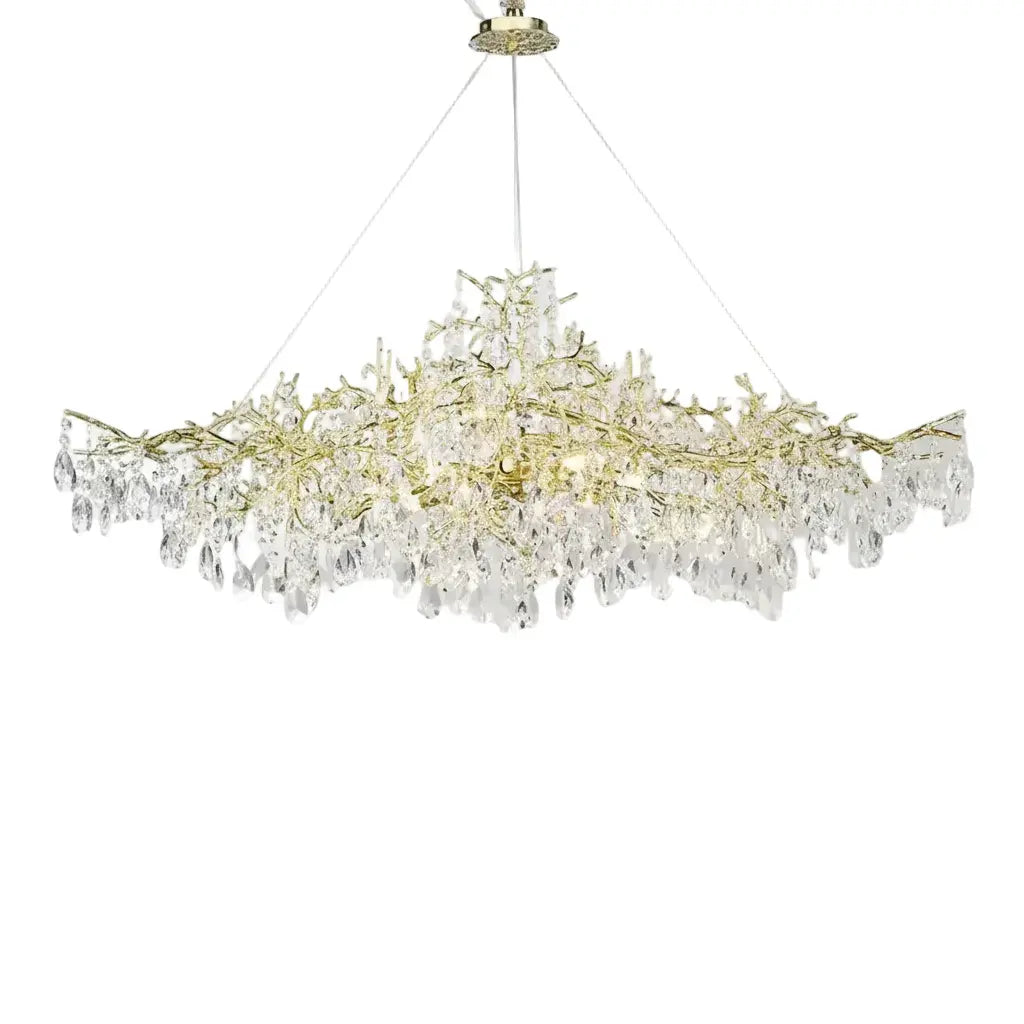
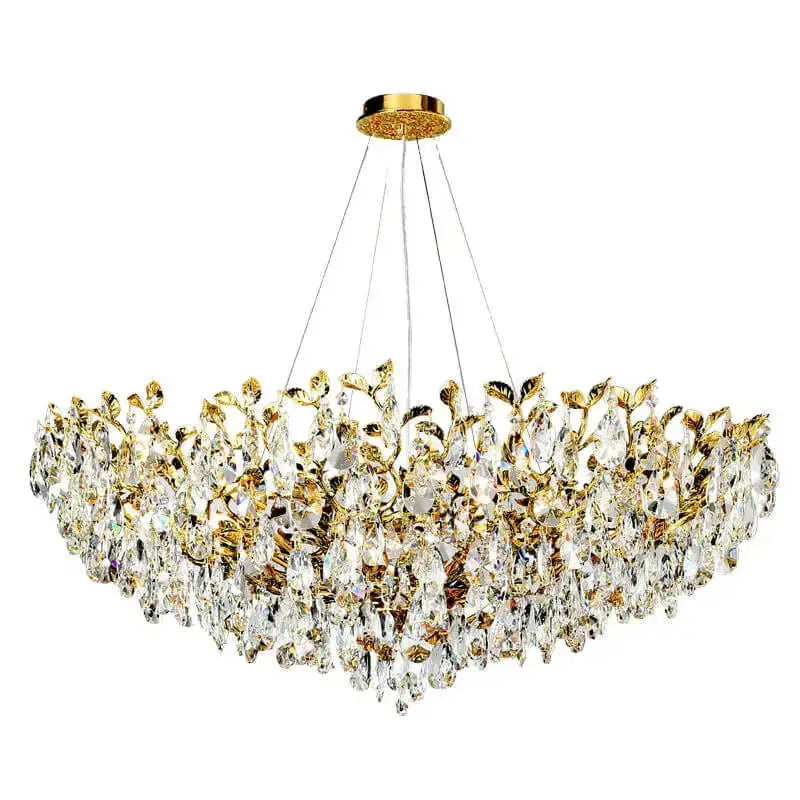
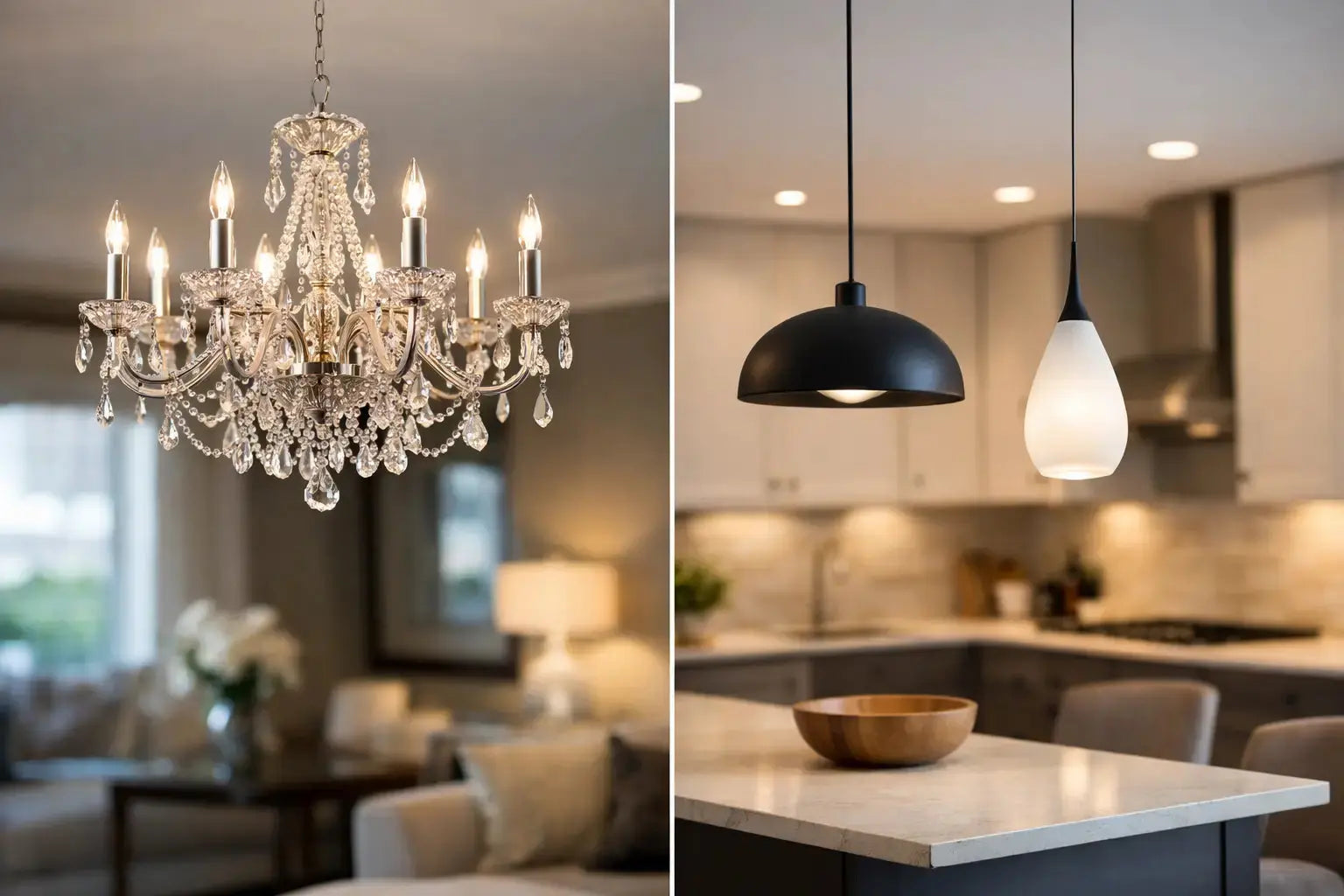
A chandelier is a multi-arm or multi-light decorative fixture, typically suspended from one central canopy. It is designed to make an impression while spreading light across a wider area. Traditional crystal styles remain timeless, but contemporary chandeliers may use sculptural metalwork, smoked glass, alabaster shades or flowing organic forms to create a more architectural effect.
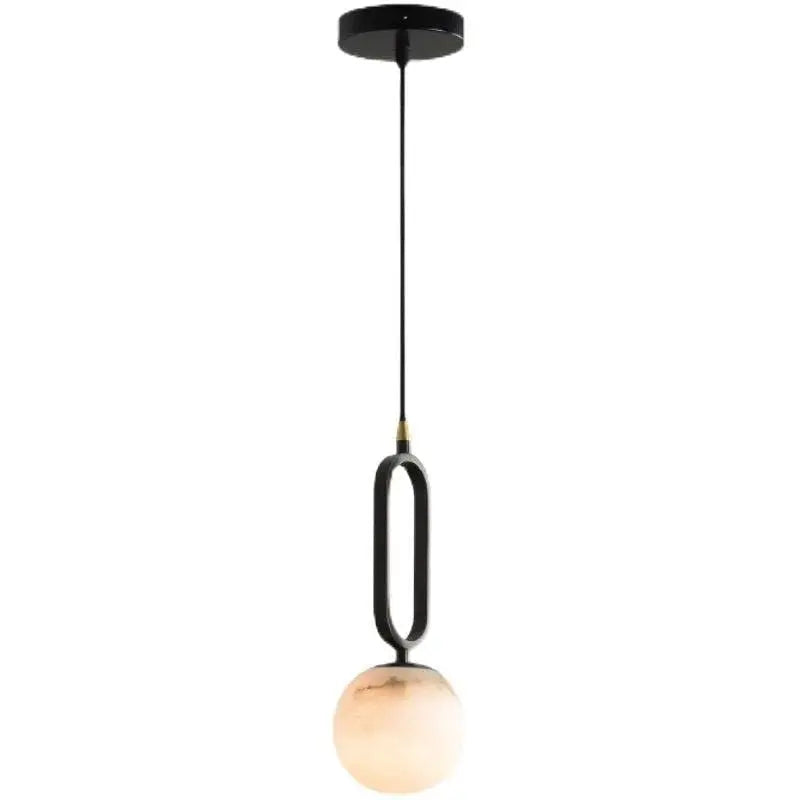
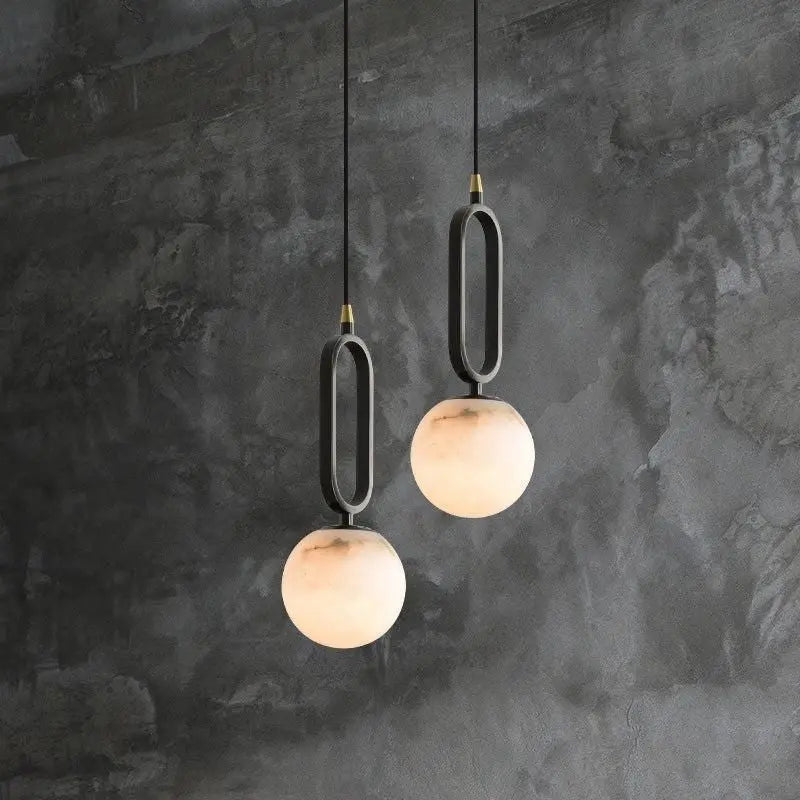
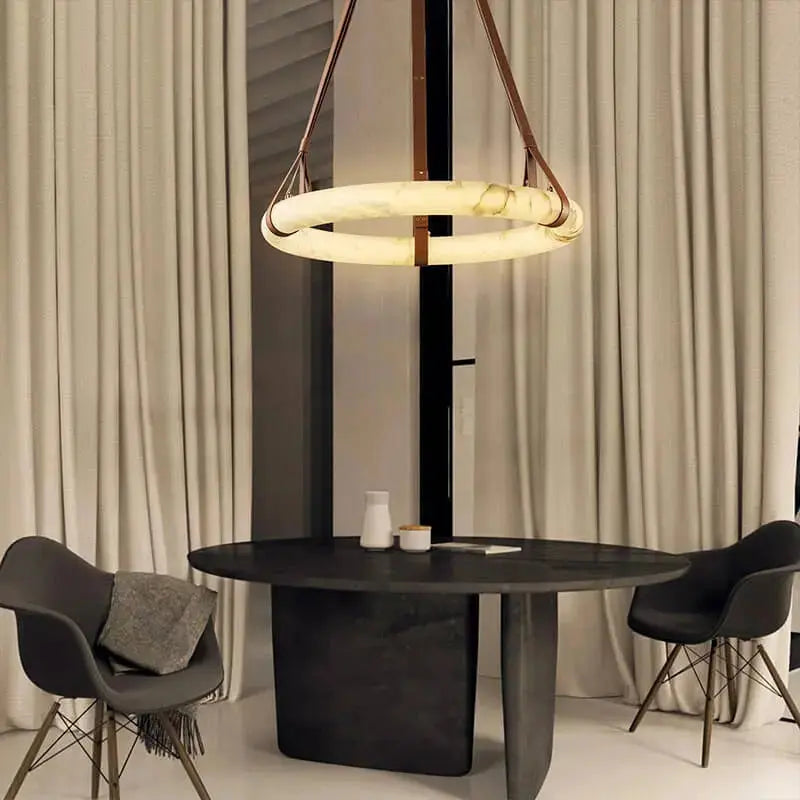
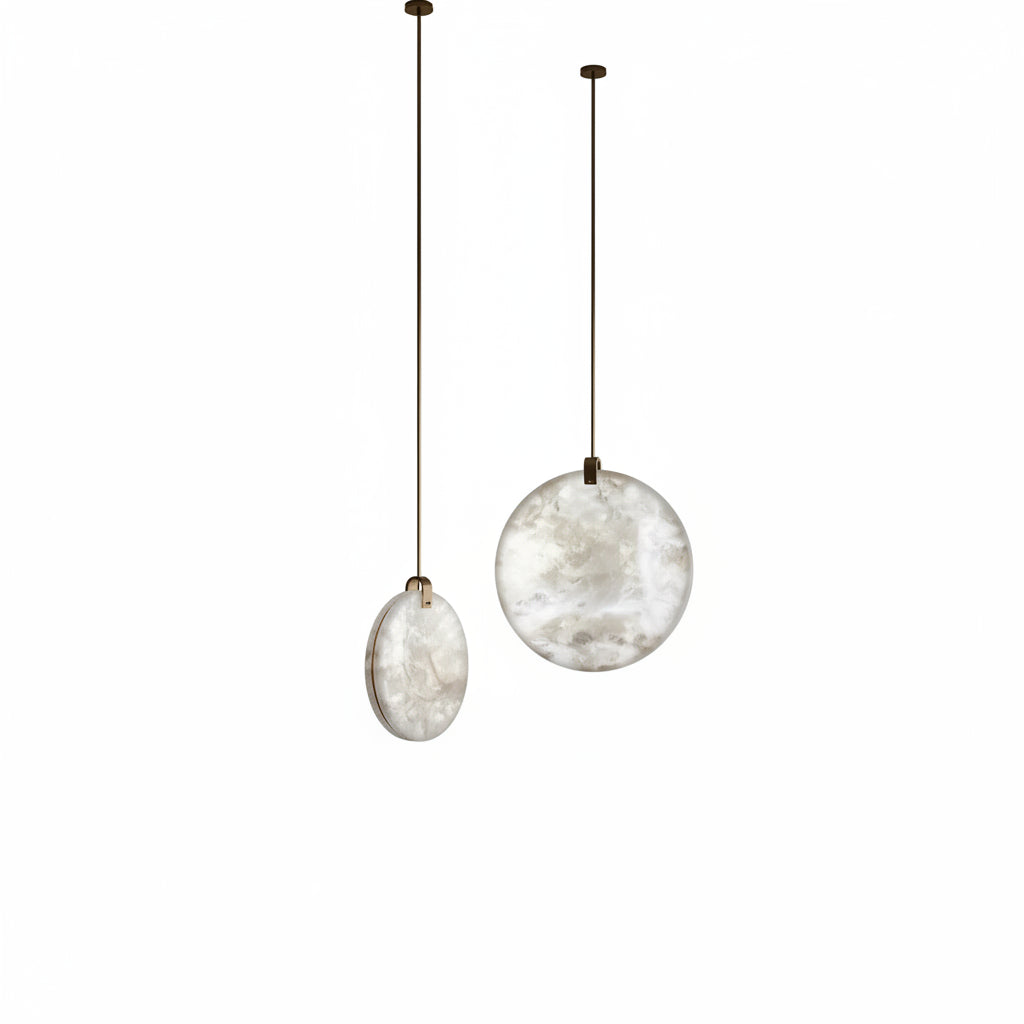
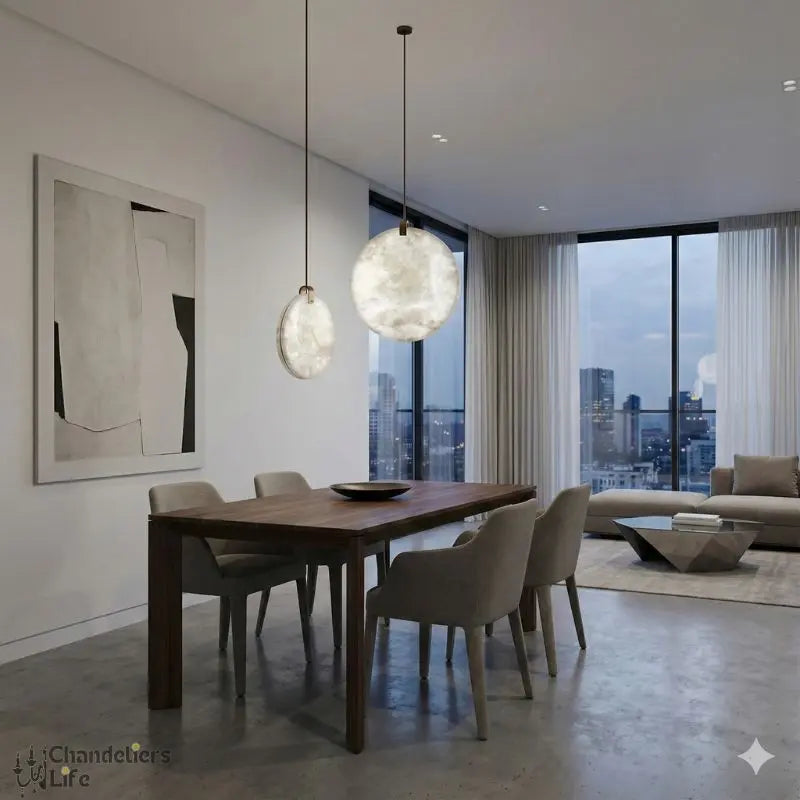
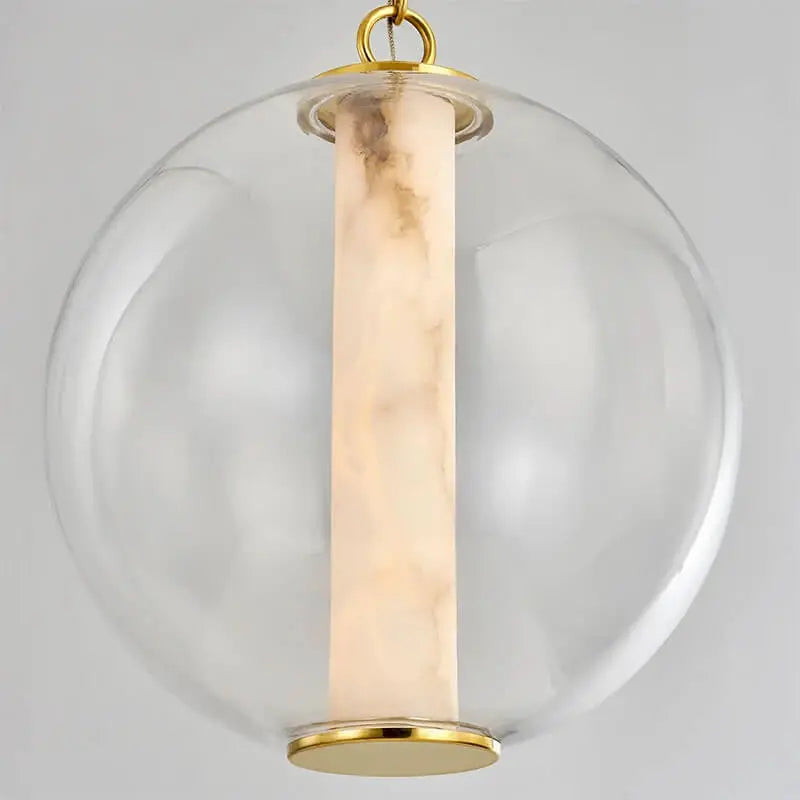
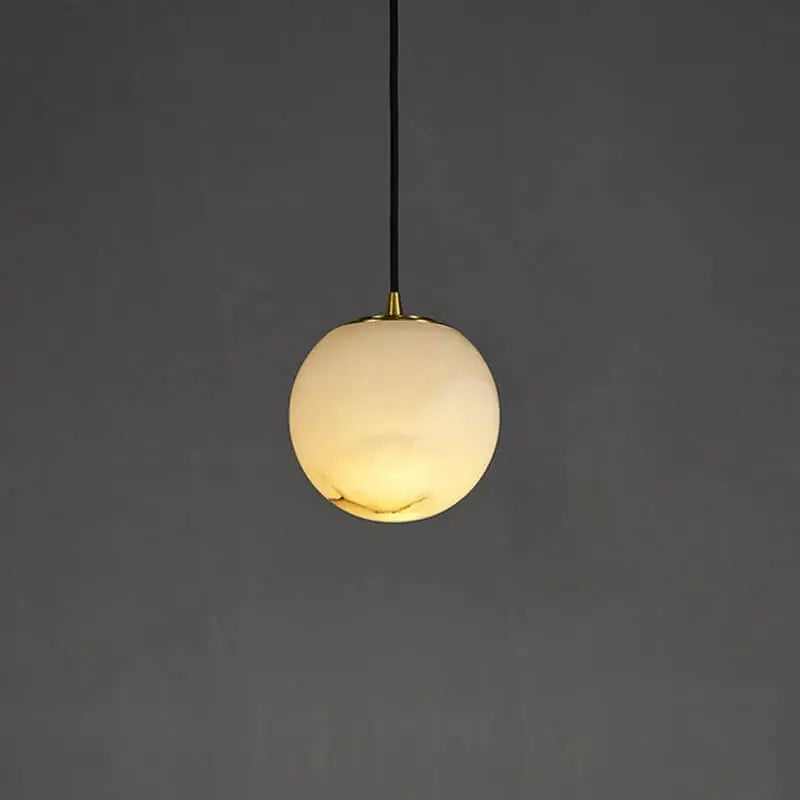
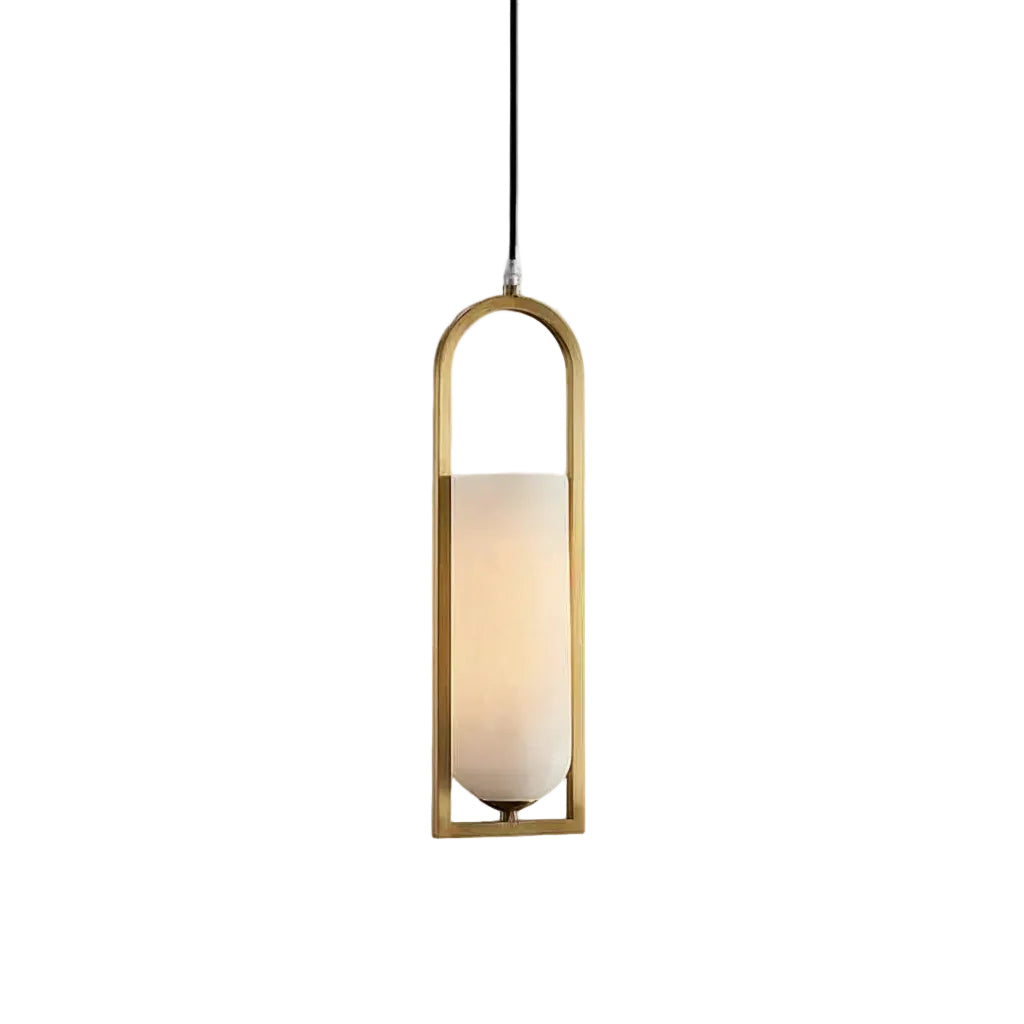
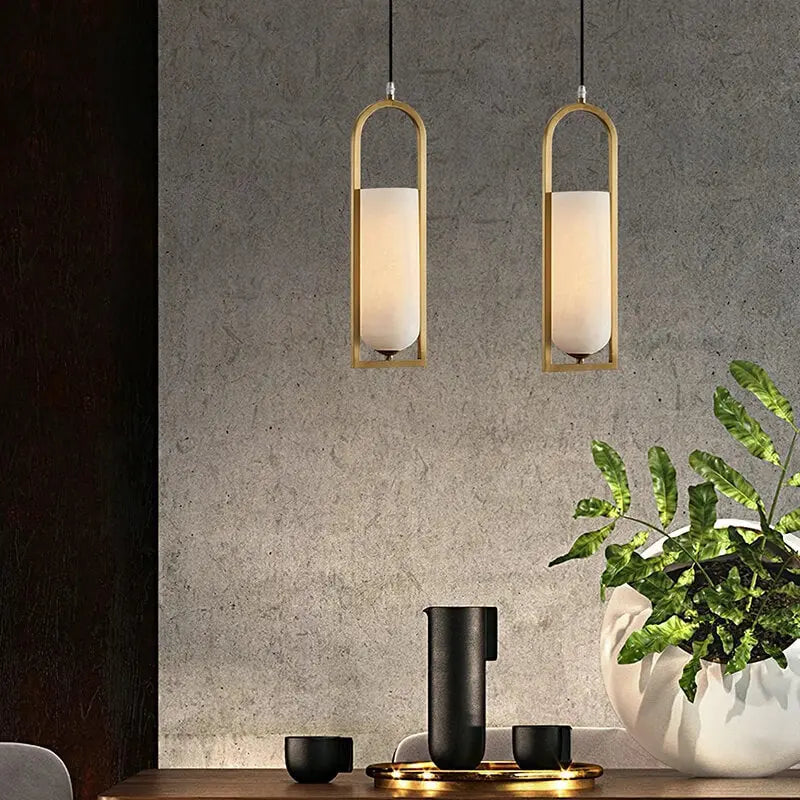
A pendant light hangs from a single cord, chain or stem and usually features one light source or shade. It can be modest and functional, but it can also be exceptionally refined. A large alabaster pendant over a dining table, for example, has the presence of a statement piece while retaining a clean, restrained silhouette.
The practical distinction is simple. Chandeliers tend to deliver broader decorative impact and more ambient light. Pendants create a more directed pool of light and often work best when positioned precisely over a surface. Neither is automatically the more luxurious choice. Scale, material, placement and proportion determine that.
Choose a chandelier when the room needs presence
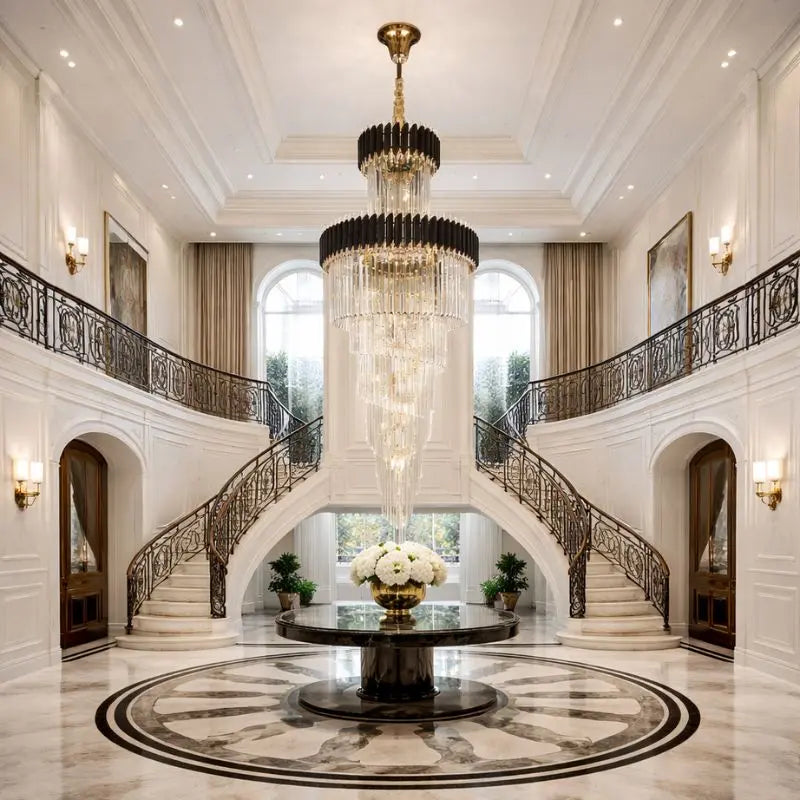
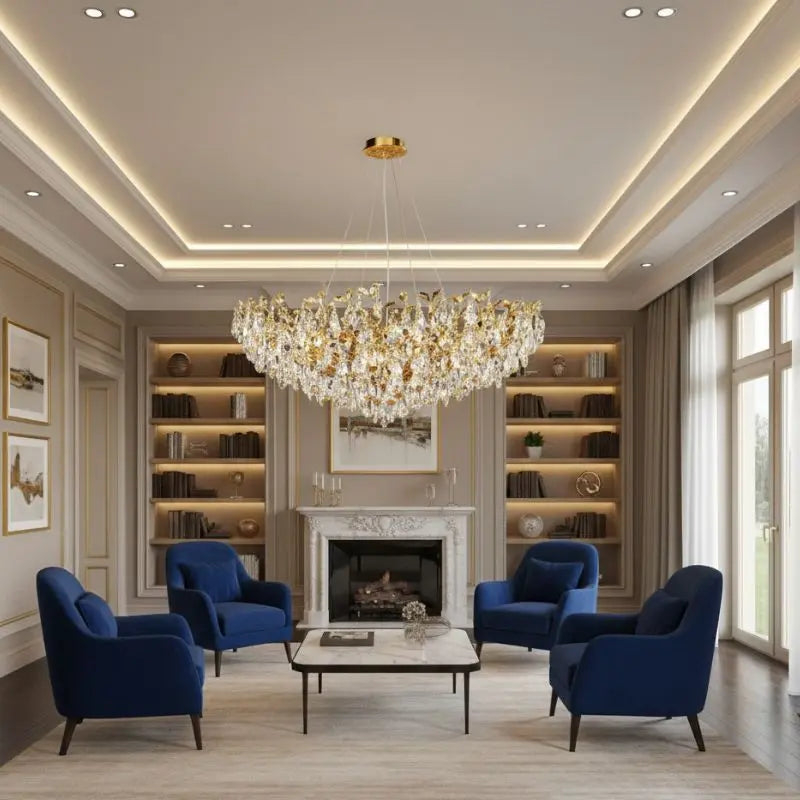
A chandelier earns its place where the ceiling height, floor area and sightlines allow it to be appreciated from several angles. Foyers, stairwells, dining rooms and formal living rooms are natural settings because the fixture can become part of the room's composition rather than merely an overhead necessity.
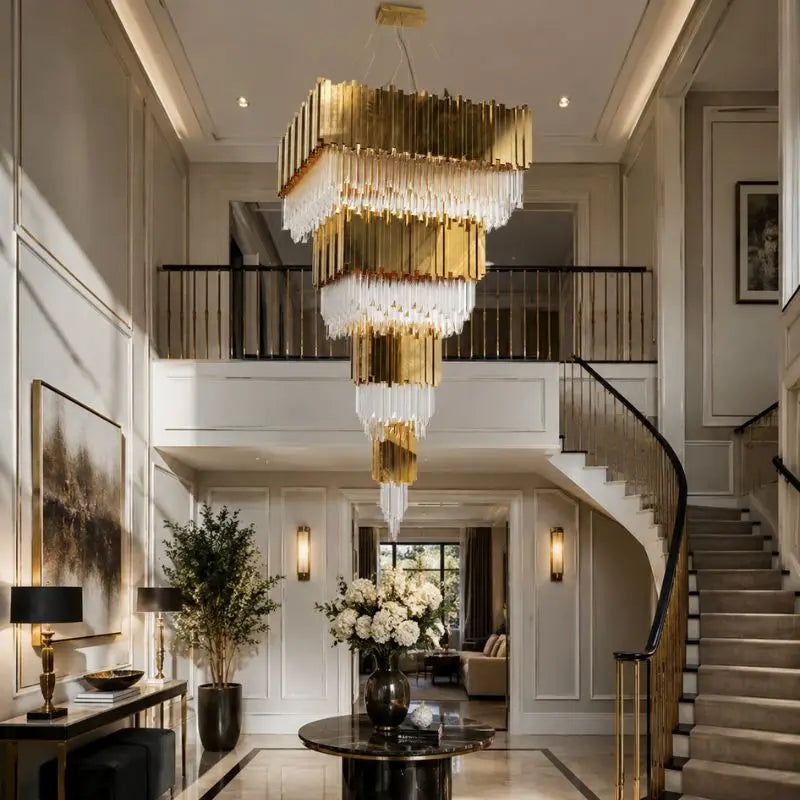
In an entrance hall, a chandelier creates immediate visual drama. Choose a design that relates to the volume of the space, not just the width of the hallway. A narrow but tall stairwell may suit a cascading staircase chandelier, while a square foyer with a lower ceiling may feel more balanced with a flush or semi-flush crystal design.
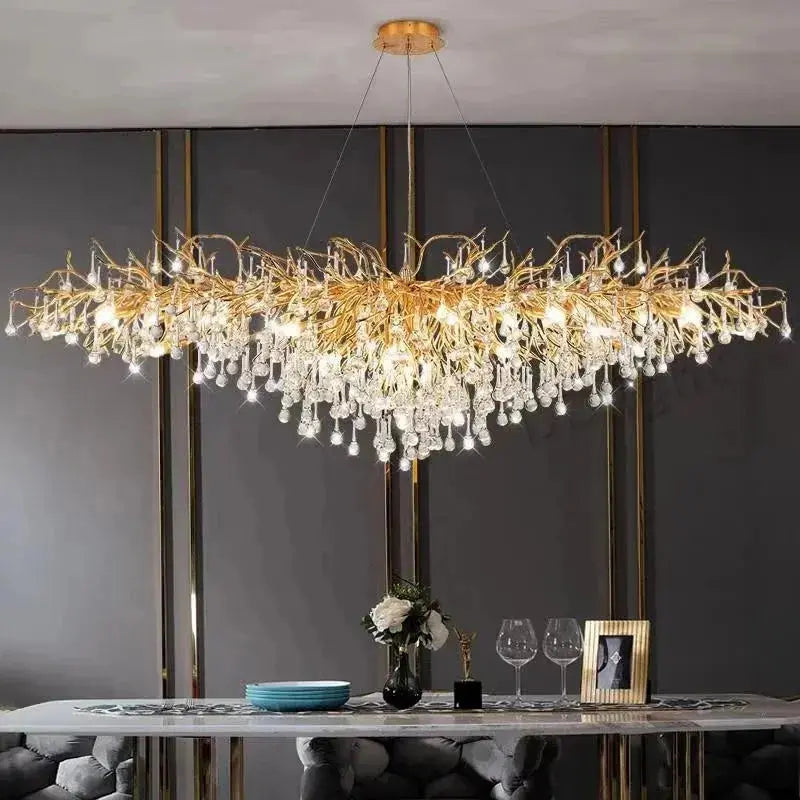
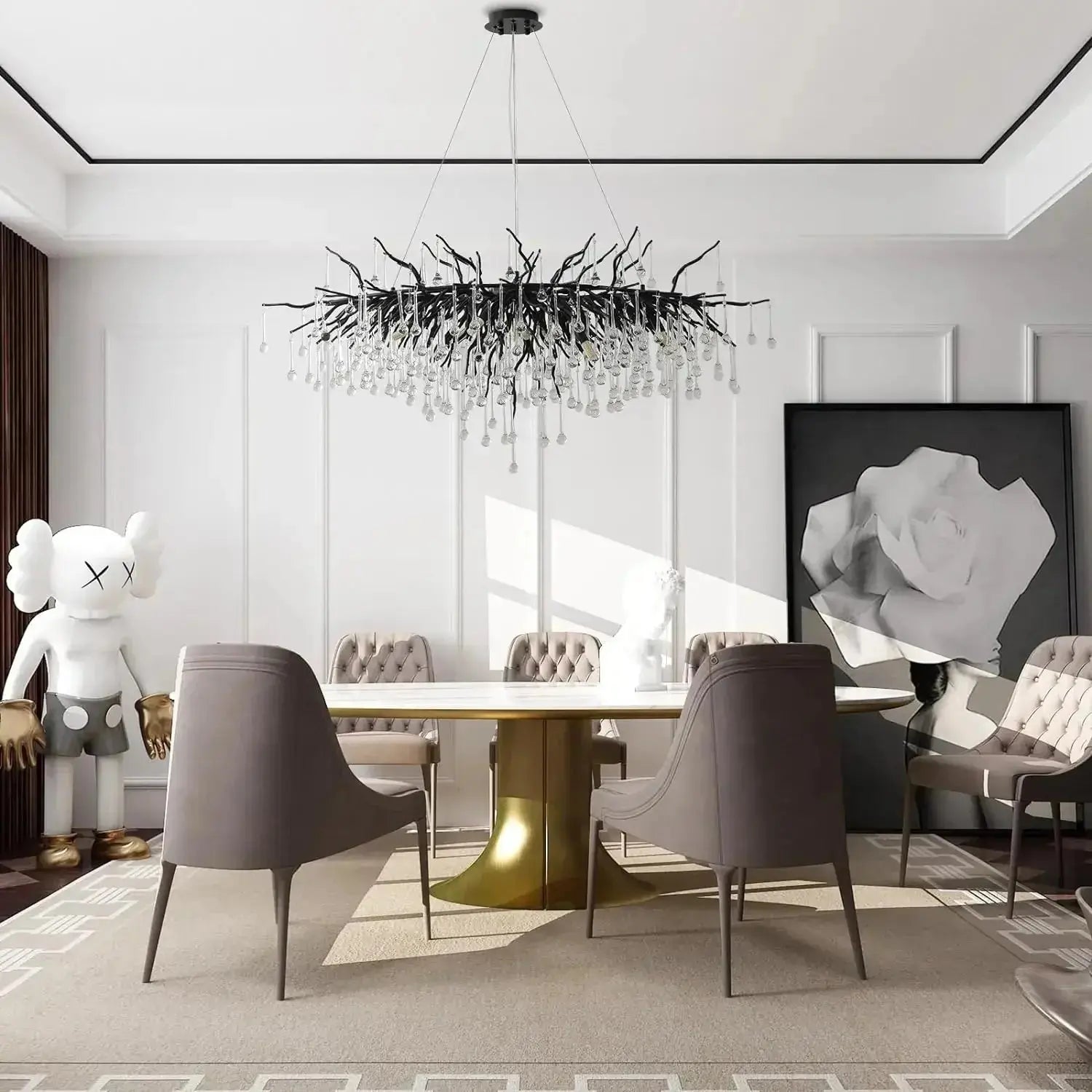
Dining rooms are another strong case for a chandelier. A linear fixture can echo the length of a rectangular table, while a rounded or tiered design softens the geometry of a circular table. The goal is to illuminate faces, food and table settings without placing a harsh glare in anyone's line of sight. Dimmable lighting is especially valuable here, allowing the room to move from a bright family supper to an elegant evening gathering.
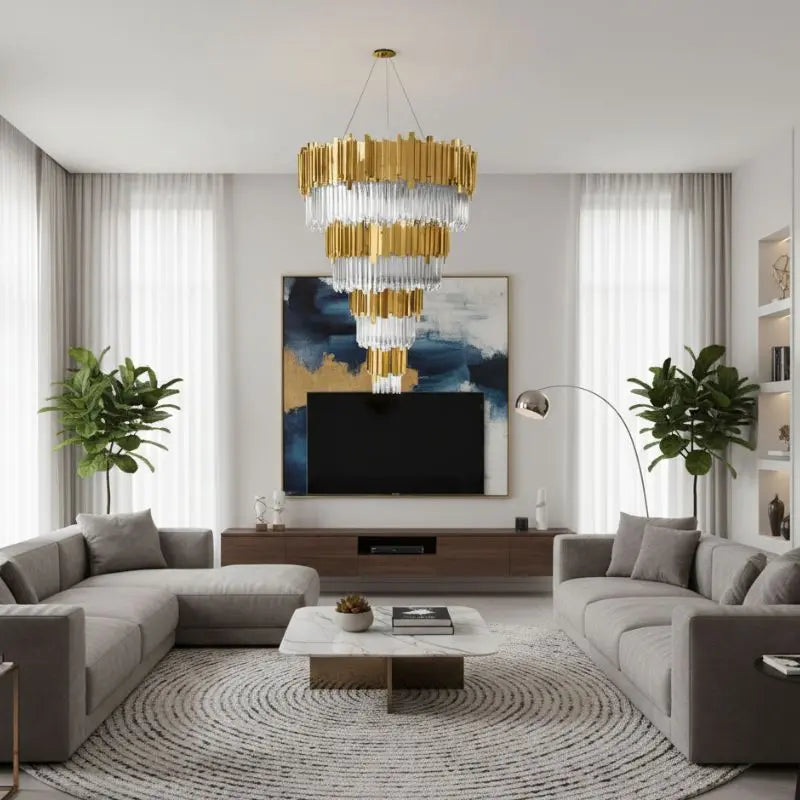
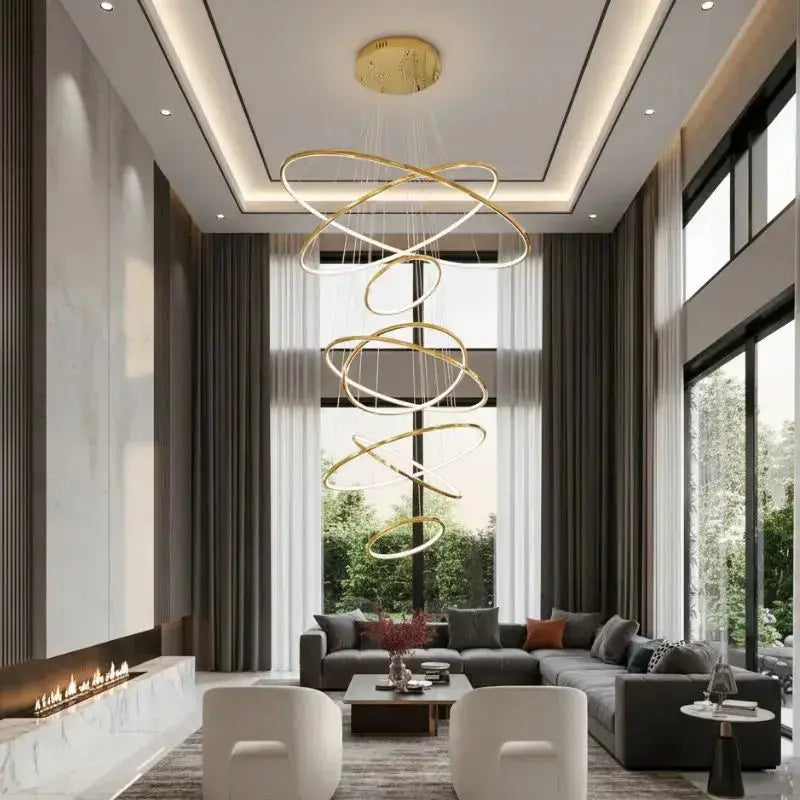
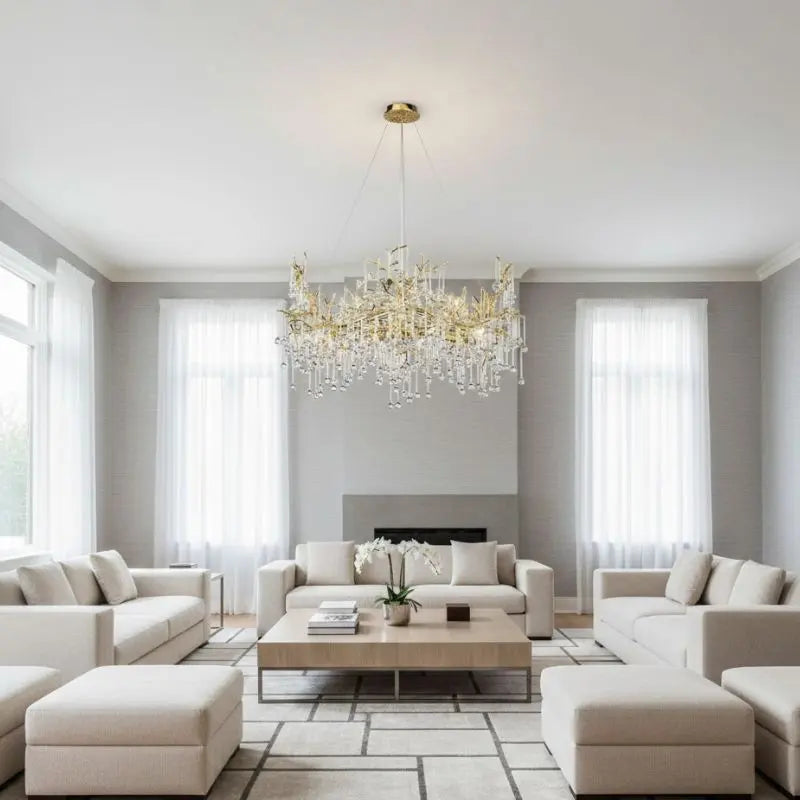
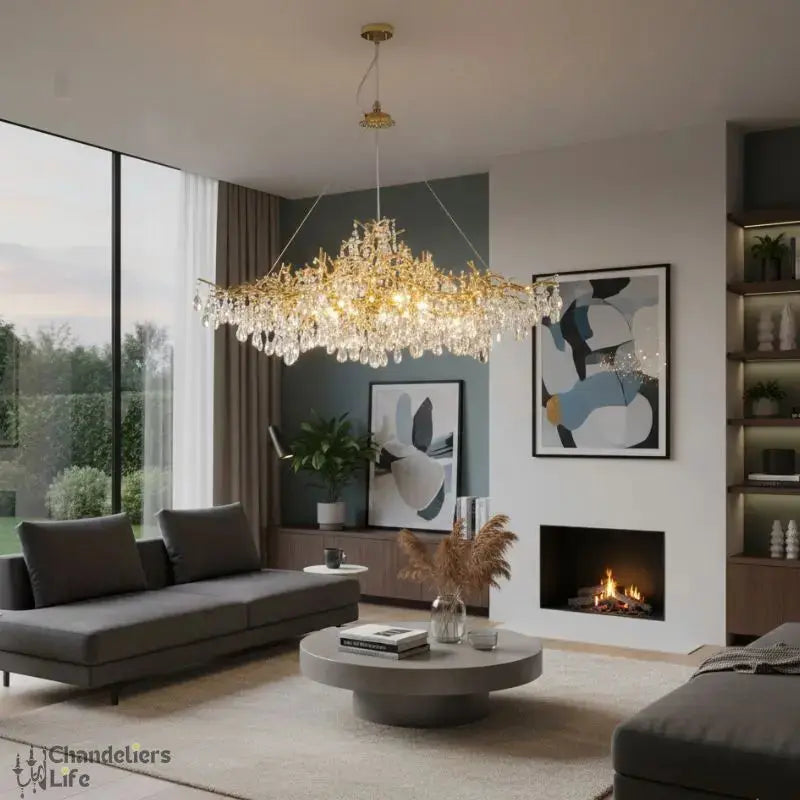
Chandeliers also suit living rooms where the light fixture needs to hold its own against substantial furniture, high ceilings or statement artwork. A large room with only a small central pendant can look unfinished. A well-proportioned chandelier provides visual weight and helps draw the eye upwards, making the entire room feel more considered.
There is a trade-off. A chandelier needs breathing room. In a compact room or beneath a low ceiling, an oversized design may make the space feel crowded rather than glamorous. If people can walk beneath it, make sure the lowest point remains comfortably clear of head height. Over a table, the fixture can hang lower because it is anchored above furniture rather than circulation space.
Choose pendants for precision and flexibility
Pendant lighting is often the more practical choice where a room has a clear working zone. Over an island, breakfast bar, bedside table or vanity, it places light where it is needed and adds a polished layer to the interior.
Kitchen islands are perhaps the best-known pendant setting. Two larger pendants can look calm and substantial over a shorter island, while three smaller designs may suit a longer surface. The exact number depends on the width of each shade, the island length and how open the surrounding kitchen feels. Avoid treating pendants as purely decorative spacing markers. Each fitting should provide useful illumination without creating a crowded ceiling line.
Over a breakfast table, a single oversized pendant can be more compelling than a small chandelier. This is particularly true in contemporary kitchens and open-plan spaces, where a sculptural glass, metal or stone-inspired pendant adds warmth without interrupting the clean lines of cabinetry.
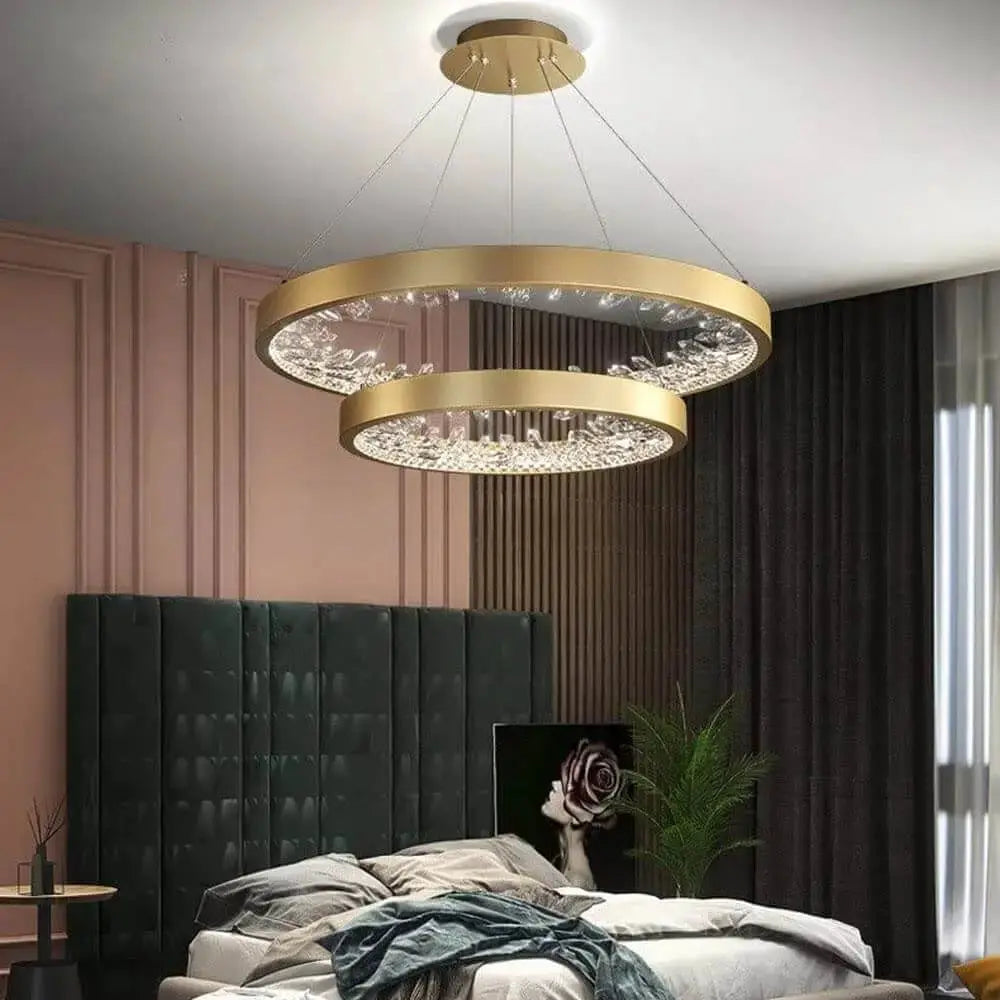
Bedside pendants offer another elegant solution. Suspending them on either side of the bed frees space on bedside tables and gives the room a boutique-hotel finish. They should be positioned for comfortable reading, with shades that soften direct glare. If you enjoy reading in bed, consider pairing pendants with wall lights or discreet adjustable lamps rather than asking one fixture to do every job.
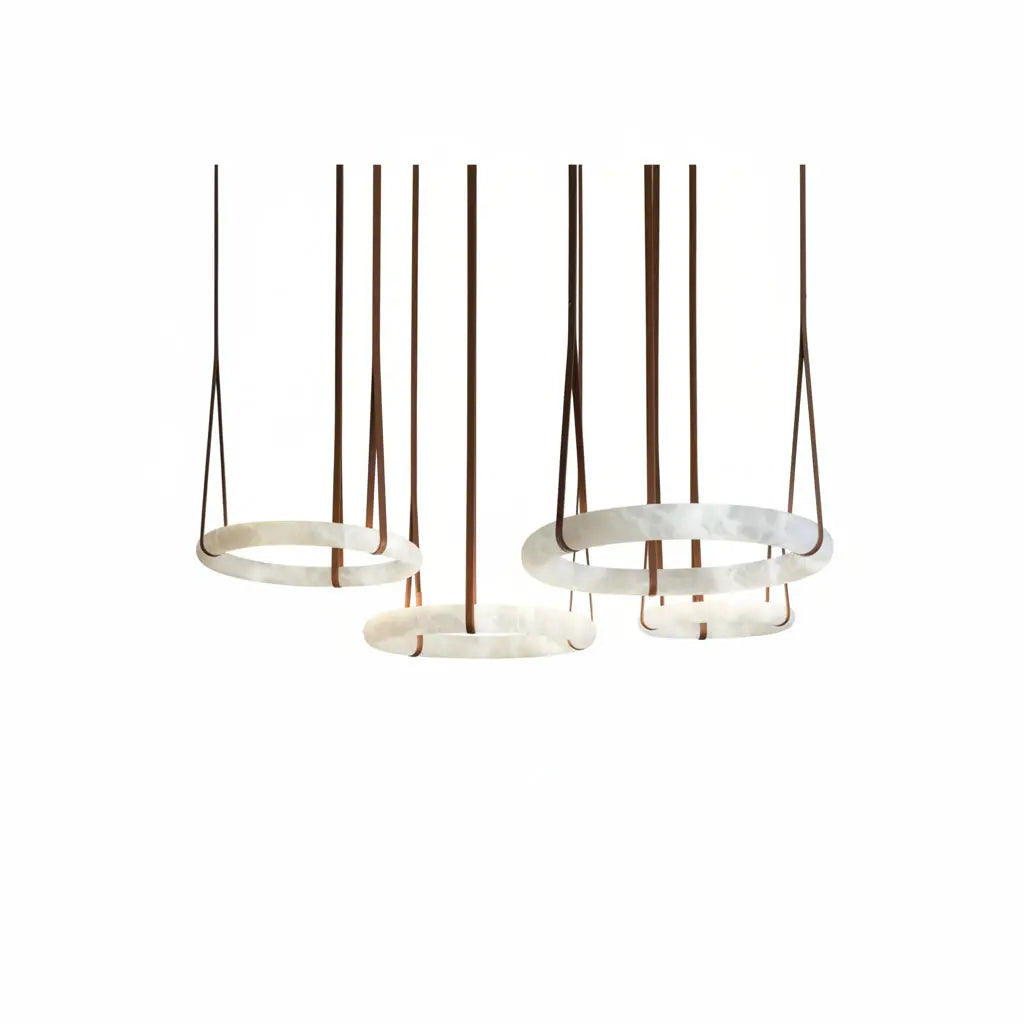
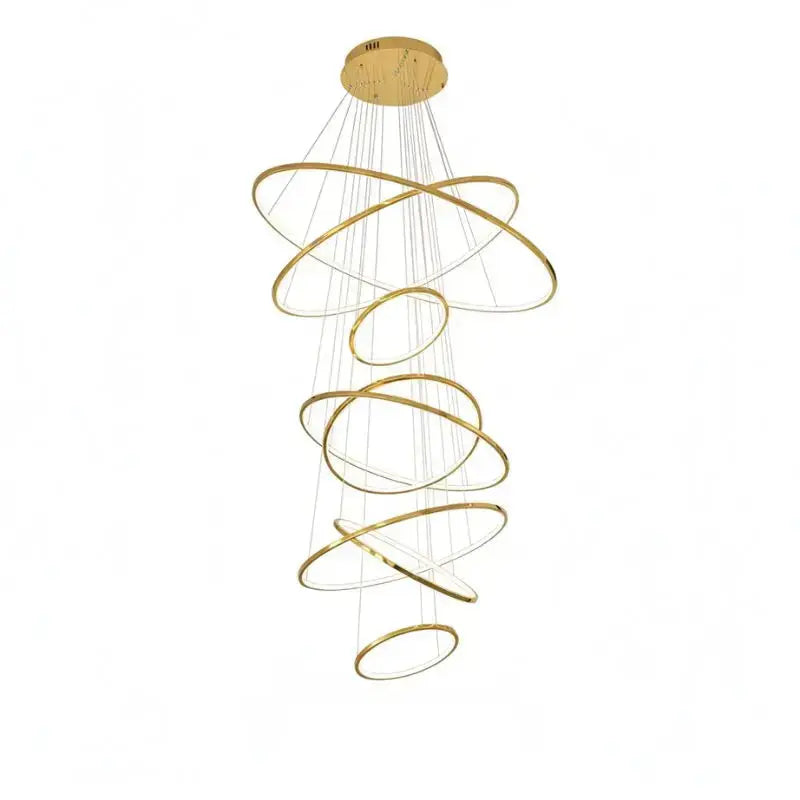
Pendants are also useful in groups, although repetition needs restraint. Matching fittings create rhythm, while a cluster of varied lengths can add movement in a stairwell or double-height space. In the latter setting, pendants can sometimes achieve the drama associated with a chandelier, but with a lighter, more contemporary character.
Let ceiling height and scale make the decision
The most expensive fixture in the world will not look luxurious if it is the wrong size. Before choosing between a chandelier and pendant, measure the room, the furniture beneath the fixture and the ceiling height. Then consider how the room is viewed from adjoining areas.
For dining tables and islands, the fixture should feel related to the surface below it. A very narrow light above a broad table can appear isolated, while a fixture that extends too far beyond the table edges may disrupt the balance of the room. Multiple pendants help you tailor the coverage, whereas a linear chandelier offers one deliberate visual gesture.
Ceiling height matters just as much. Chandeliers tend to benefit from height because their tiers, arms and decorative details need room to unfold. A pendant can work in nearly any ceiling condition, especially when selected with a shorter stem or a compact shade. That does not mean low ceilings must be plain. Semi-flush chandeliers and close-to-ceiling statement fixtures can bring sparkle and texture without compromising comfort.
In open-plan interiors, think beyond one room at a time. A chandelier over the dining table may define the entertaining zone, while pendants over the island establish the kitchen zone. The finishes do not need to match exactly, but they should belong to the same design conversation. Repeating an antique brass tone, a soft opal glass detail or a similar curve is often enough to create harmony.
Match the fixture to the mood you want to create
A chandelier is usually the more expressive choice. Crystal catches the light with timeless elegance, while contemporary metal or alabaster designs can feel serene, gallery-like and quietly expensive. If you want guests to notice the ceiling fixture first, a chandelier is often the answer.
Pendant lighting can be just as design-led, but its effect is more focused. It is ideal when you want the room to feel edited rather than ornate. A single sculptural pendant above a round dining table can create an intimate centrepiece. A row of glass pendants can make a kitchen feel tailored and welcoming without competing with a dramatic view or richly veined worktop.
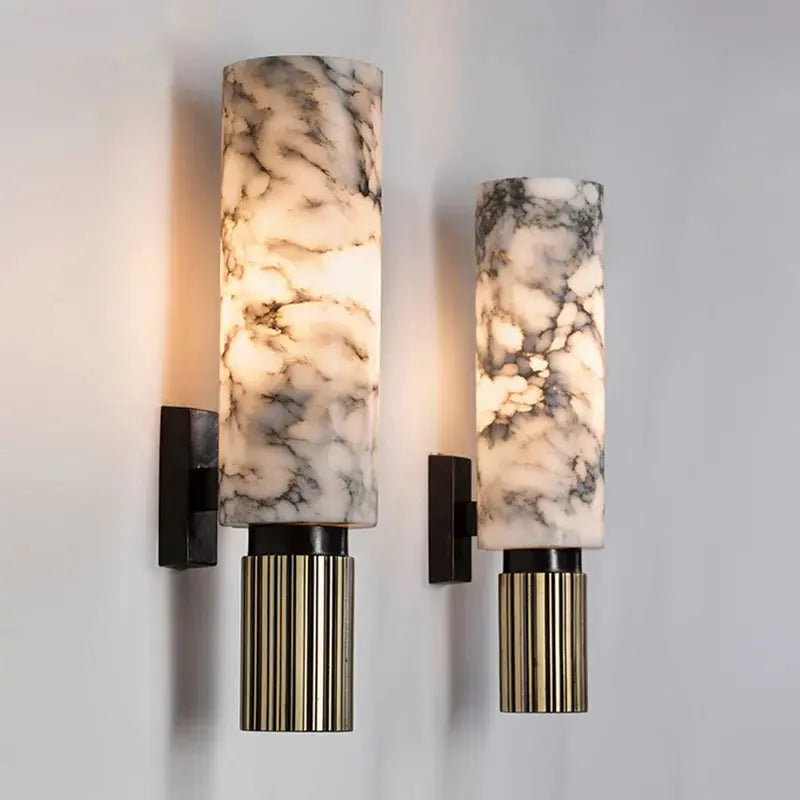
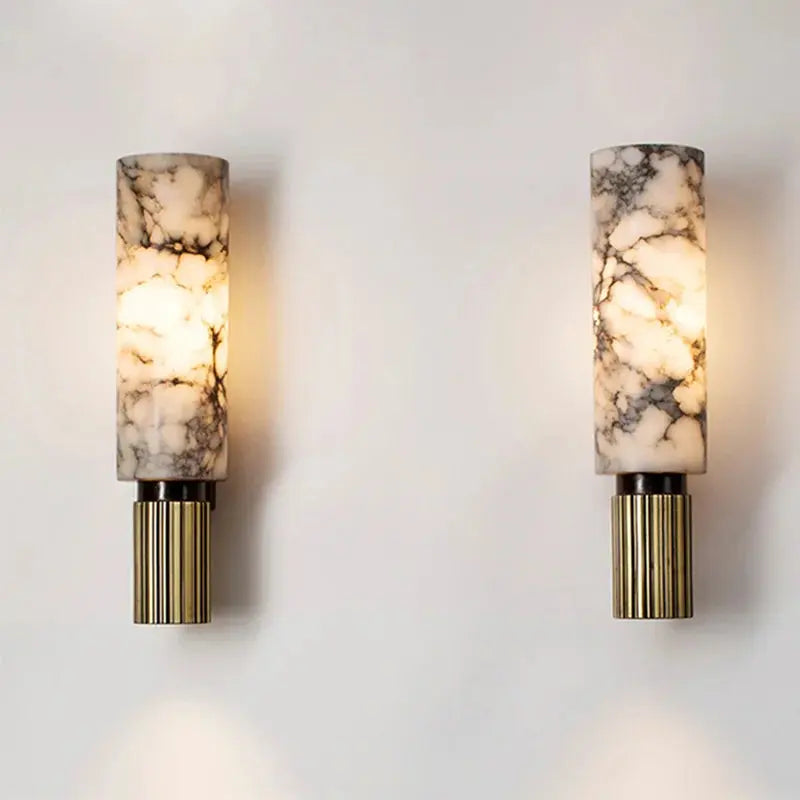
Consider the layers of light already in the room. Chandeliers and pendants are rarely enough on their own. Wall lights, table lamps and floor lamps introduce softer pools of illumination, which make interiors feel more inviting after dark. A chandelier can provide ambient radiance, while lamps add the comfort and flexibility needed for daily living. Pendants can handle task lighting, leaving other sources to create atmosphere.
A confident final choice
Choose a chandelier when your room calls for ceremony, scale and a memorable focal point. Choose pendants when you need directed light, visual rhythm or a cleaner architectural profile. In many beautifully designed homes, the most successful answer is not one or the other, but both used thoughtfully in different zones.
Trust the room's proportions, then choose the fixture that makes you pause when you look up. That moment of delight is what turns practical lighting into a home with presence.