
Dealing with low ceilings can feel like a puzzle, especially when it comes to lighting. You can't just pop in a big, flashy light fixture and call it a day, right? It often means we have to get a bit more creative to make the space feel right. But don't worry, with some smart choices, you can make rooms with lower ceilings feel bigger and brighter. It's all about using light to trick the eye and make the most of what you've got. We'll look at some simple ways to get better lighting for low ceilings.
Key Takeaways
- When you have a low ceiling, pick light fixtures that sit close to it, like flush or semi-flush mounts. This keeps the ceiling from feeling like it's crashing down.
- Think about using wall lights and floor lamps. These can bring light up higher and spread it around without taking up ceiling space.
- Accent and task lighting are your friends. Use them to fill in gaps and draw attention to other parts of the room, making the ceiling less of a focus.
- Try to bounce light off the walls and ceiling. Light colors on lampshades and walls help make the room feel more open and bright.
- Avoid lights that cast harsh shadows. Aim for a softer, more even spread of light to make the room feel larger and less cramped.
Choosing the Right Fixtures for Low Ceilings
When you've got a room with a lower ceiling, picking the right lights can feel a bit tricky. You don't want anything that makes the room feel even smaller or more cramped, right? The good news is, there are plenty of stylish options that work great without taking up precious vertical space. It's all about being smart with your choices.
Opt for Flush or Semi-Flush Mounts
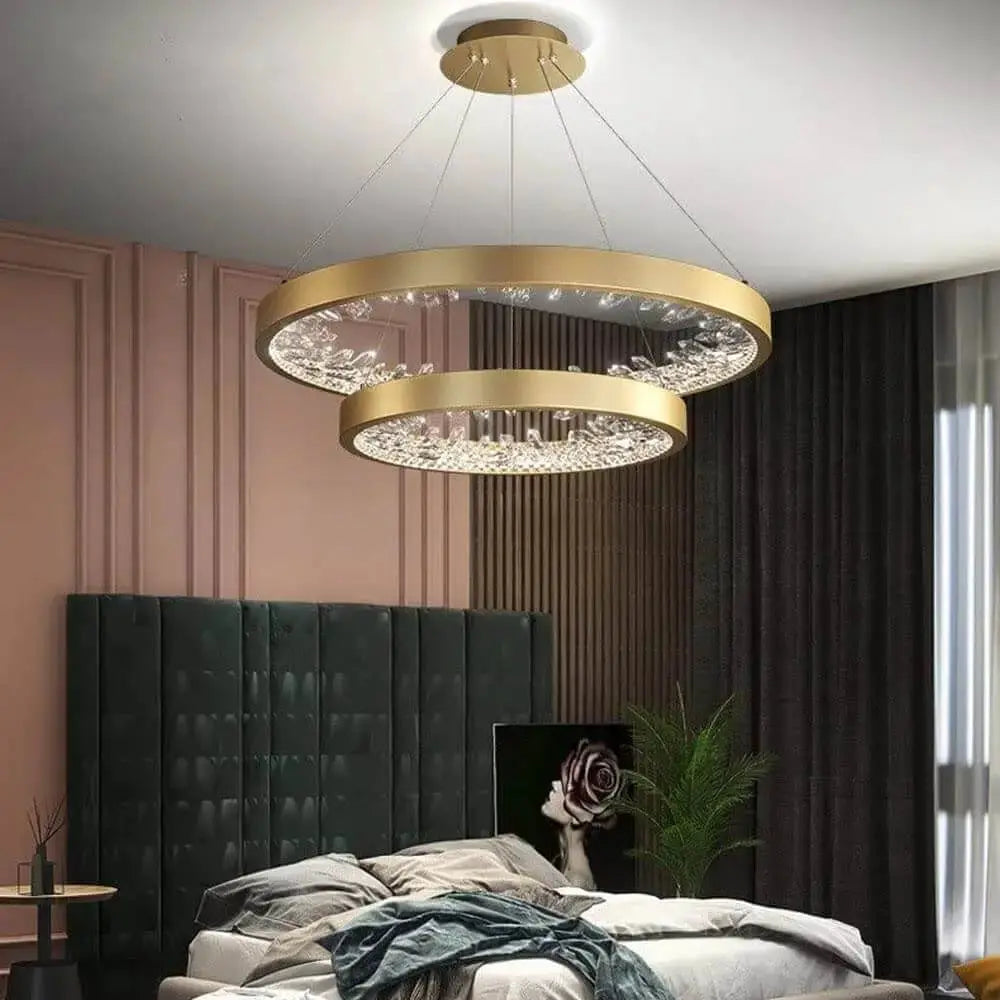
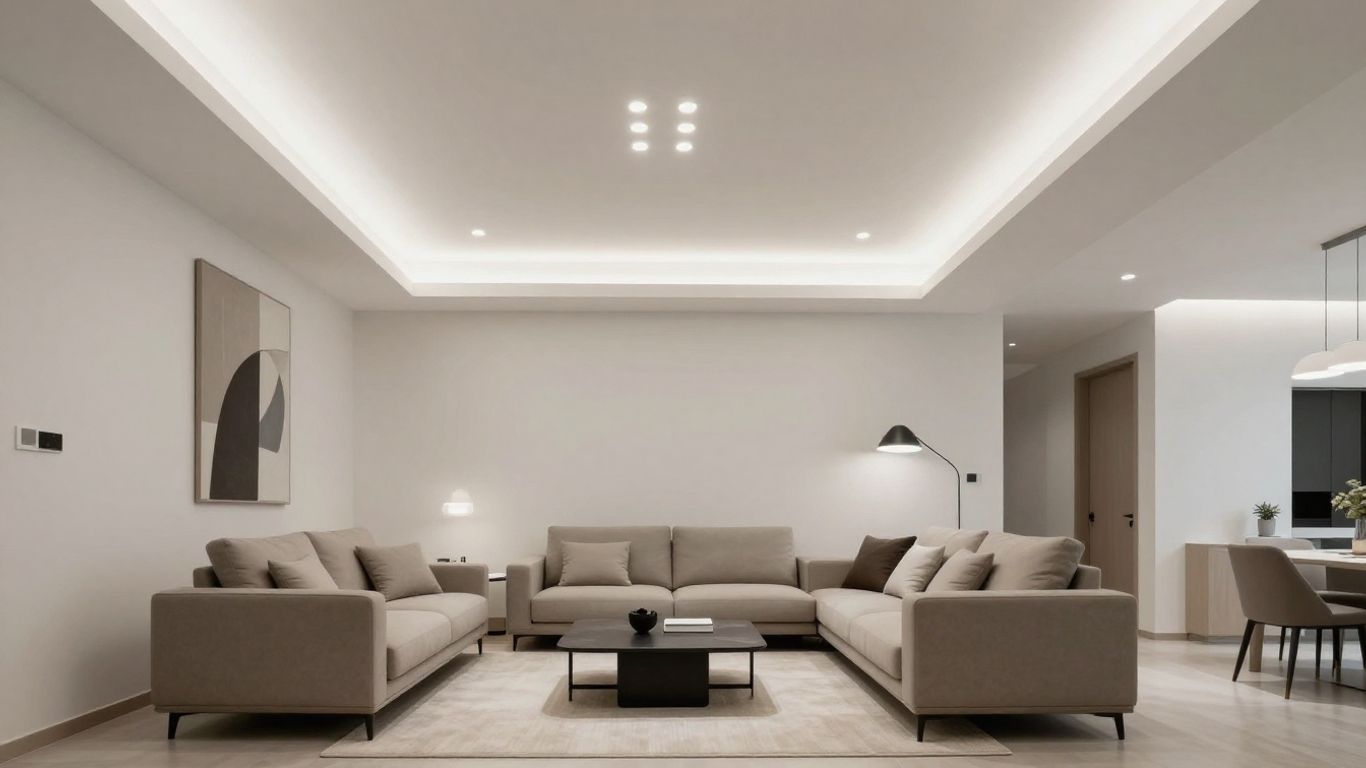
These are your best friends for low ceilings. Flush mount fixtures sit right up against the ceiling, while semi-flush mounts have a small gap, just enough to let light spill out and around. They provide good general illumination without hanging down and getting in the way. This keeps the ceiling line feeling higher and makes the room feel more open. Think of them as a clean, simple way to light up the whole space evenly. They're a solid choice for living rooms, hallways, or anywhere you want a bright, uncluttered look.
Consider Streamlined Pendant Styles
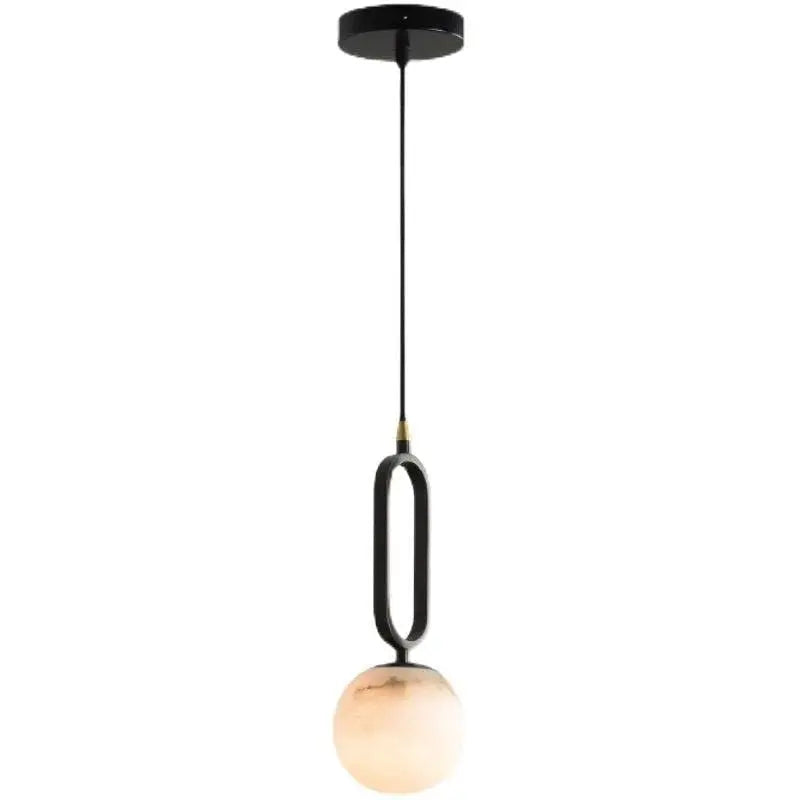
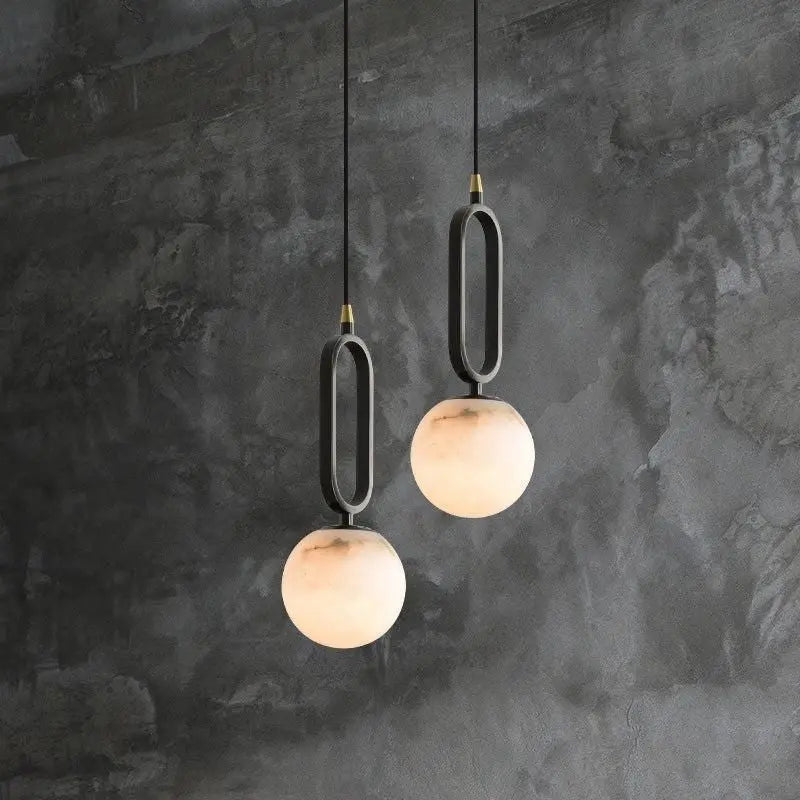
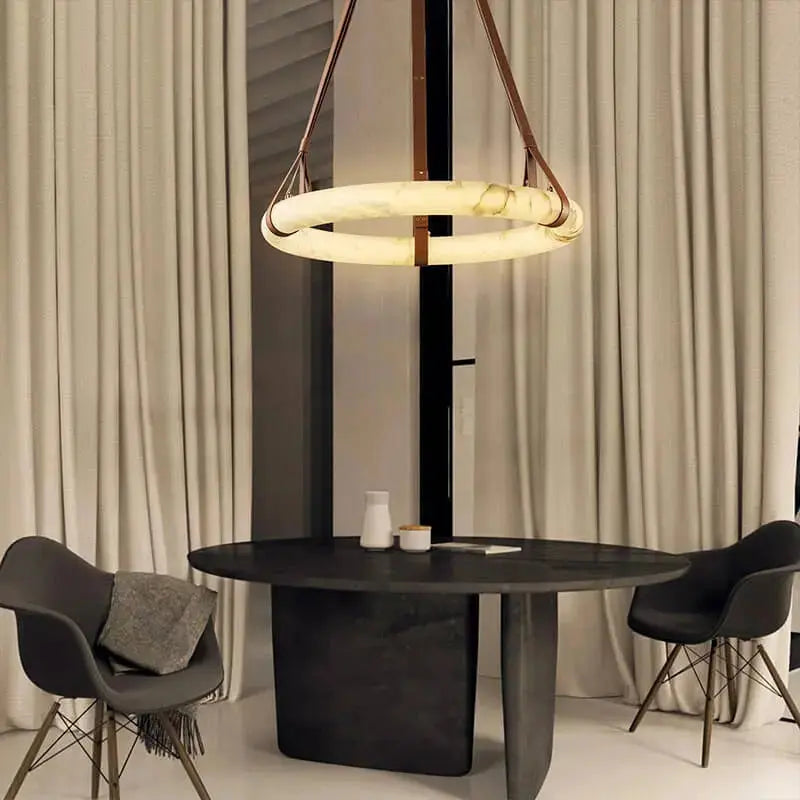
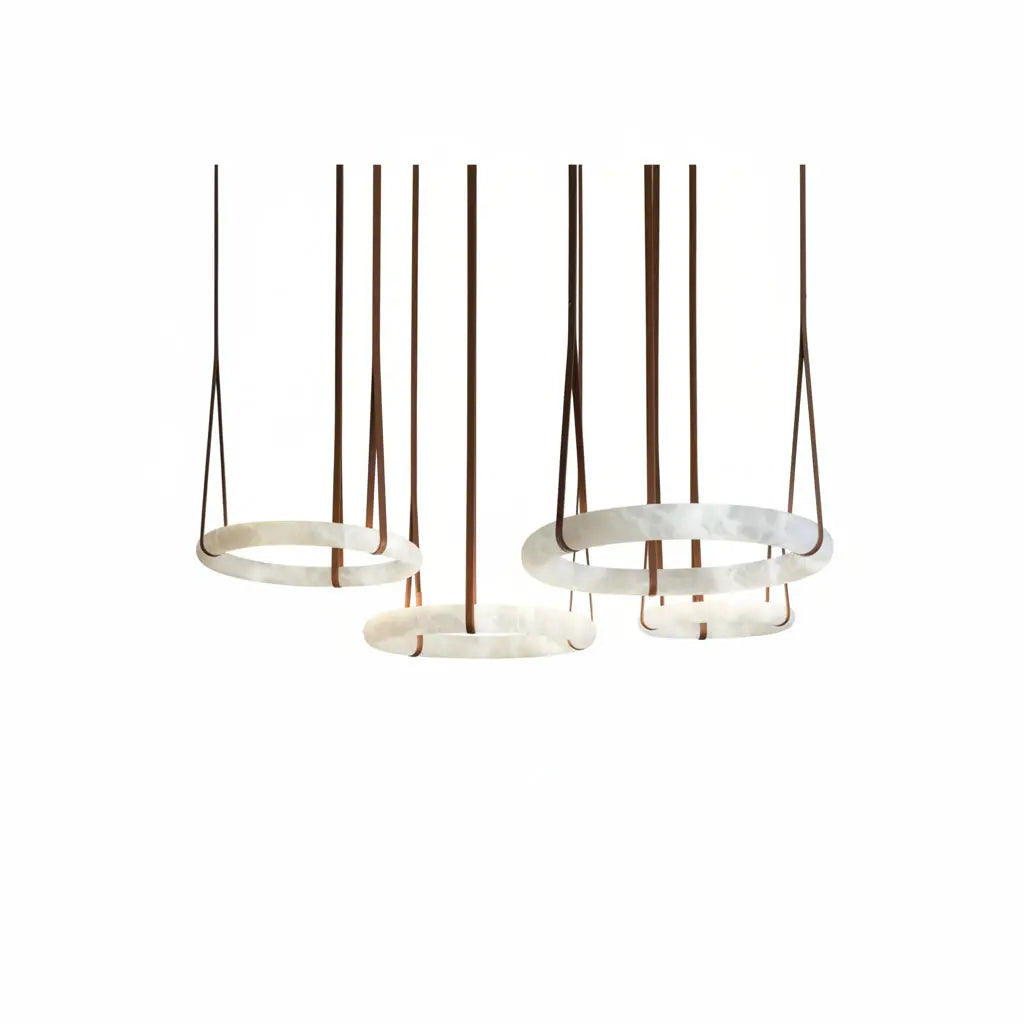
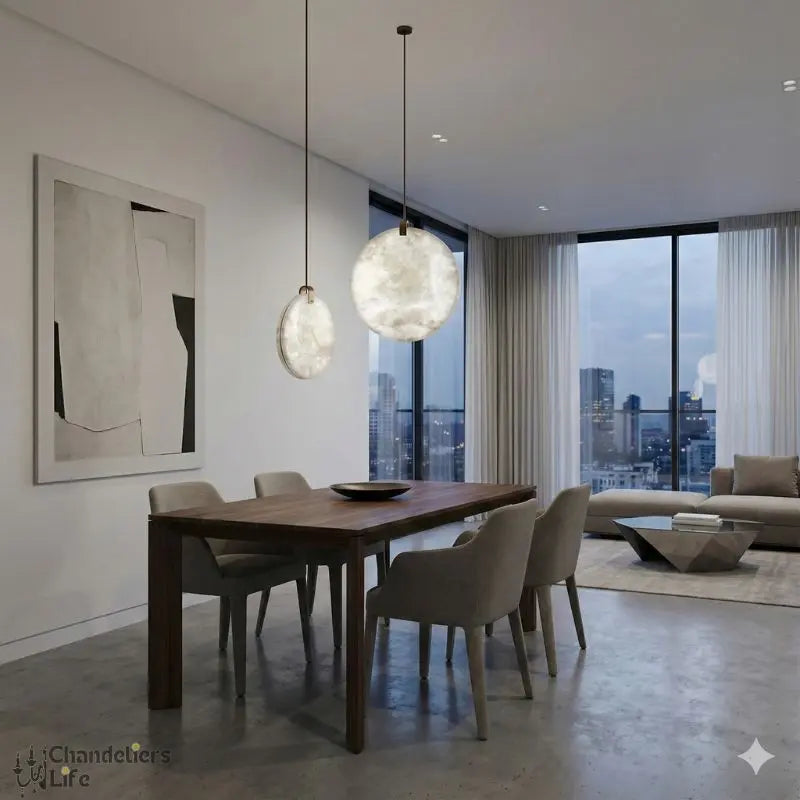
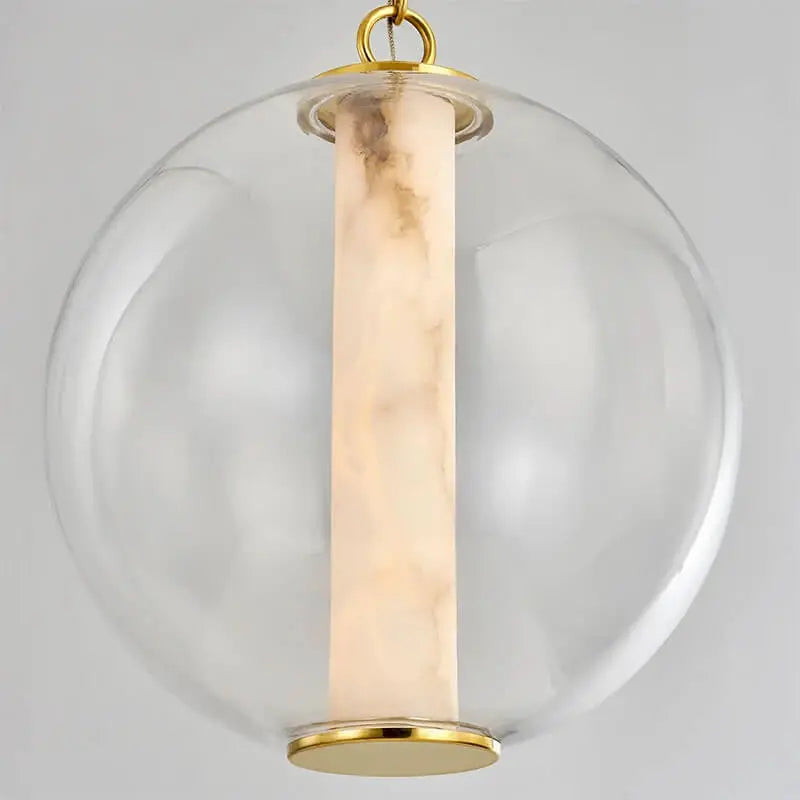
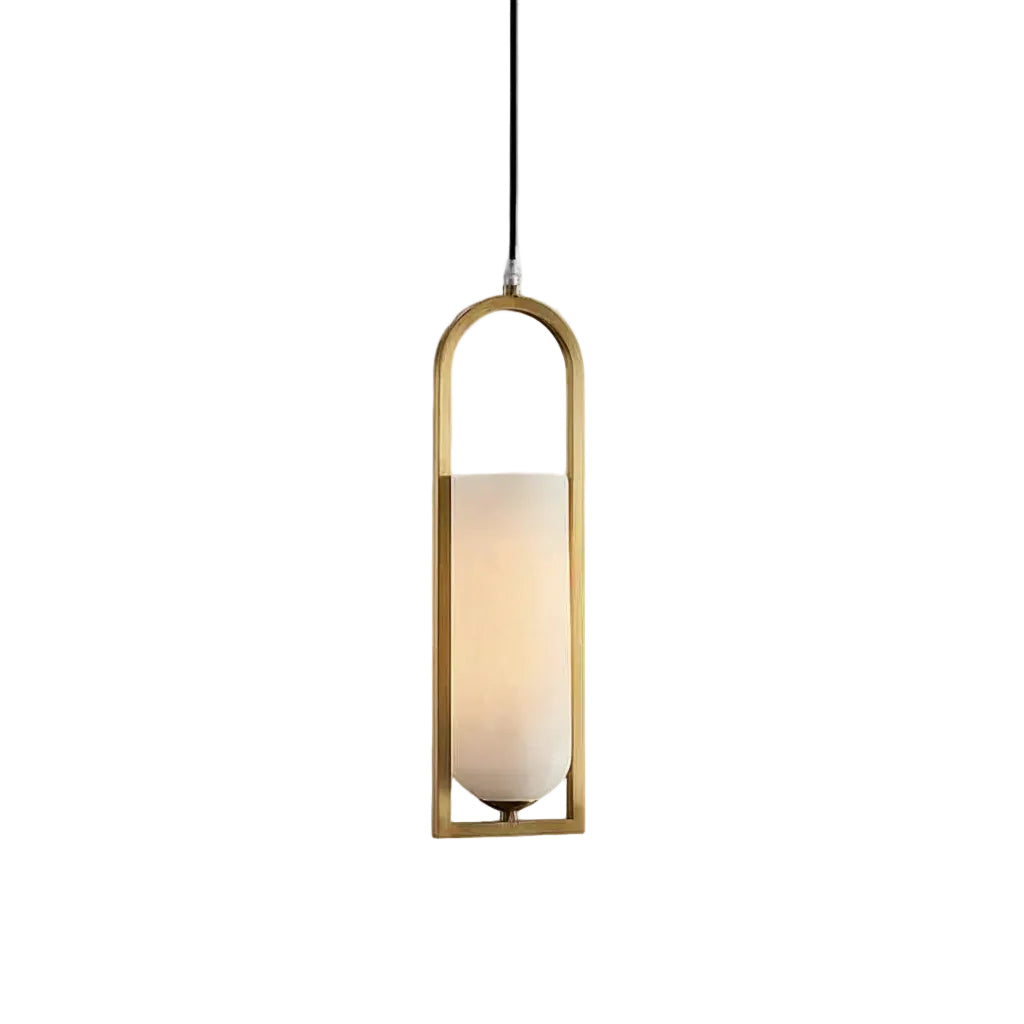
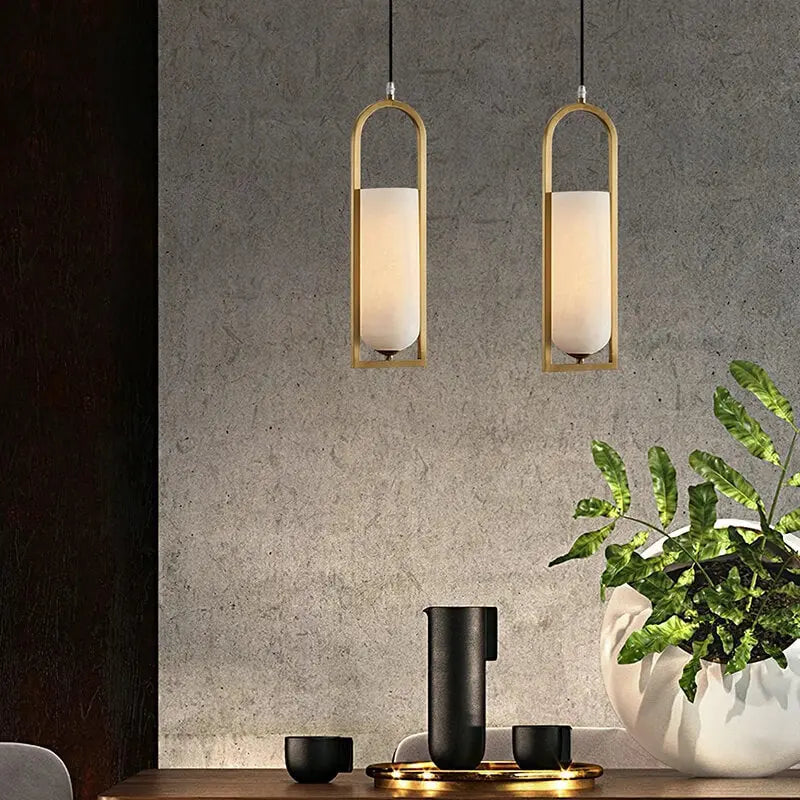
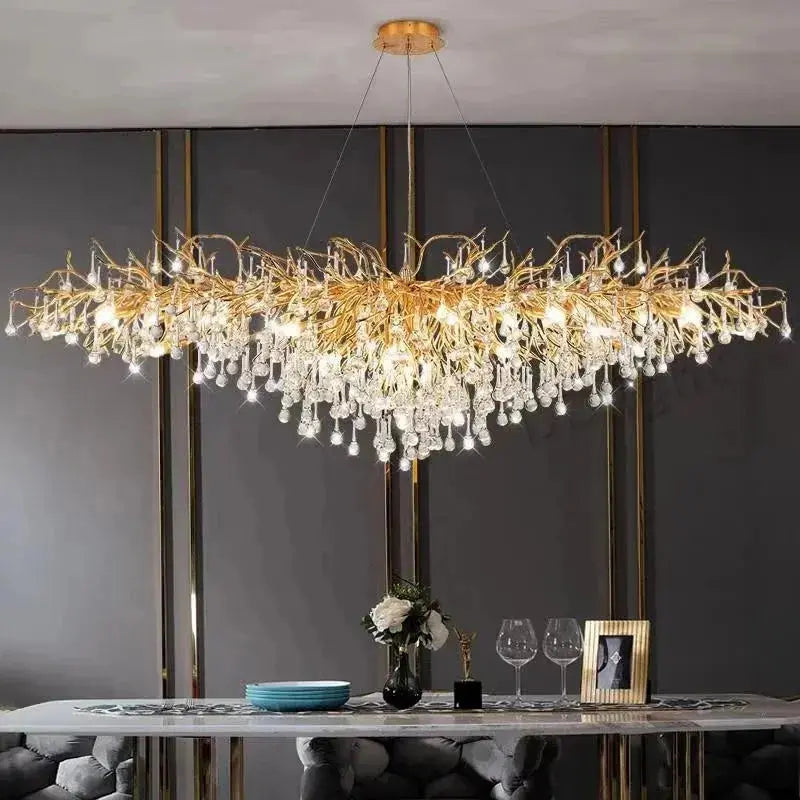
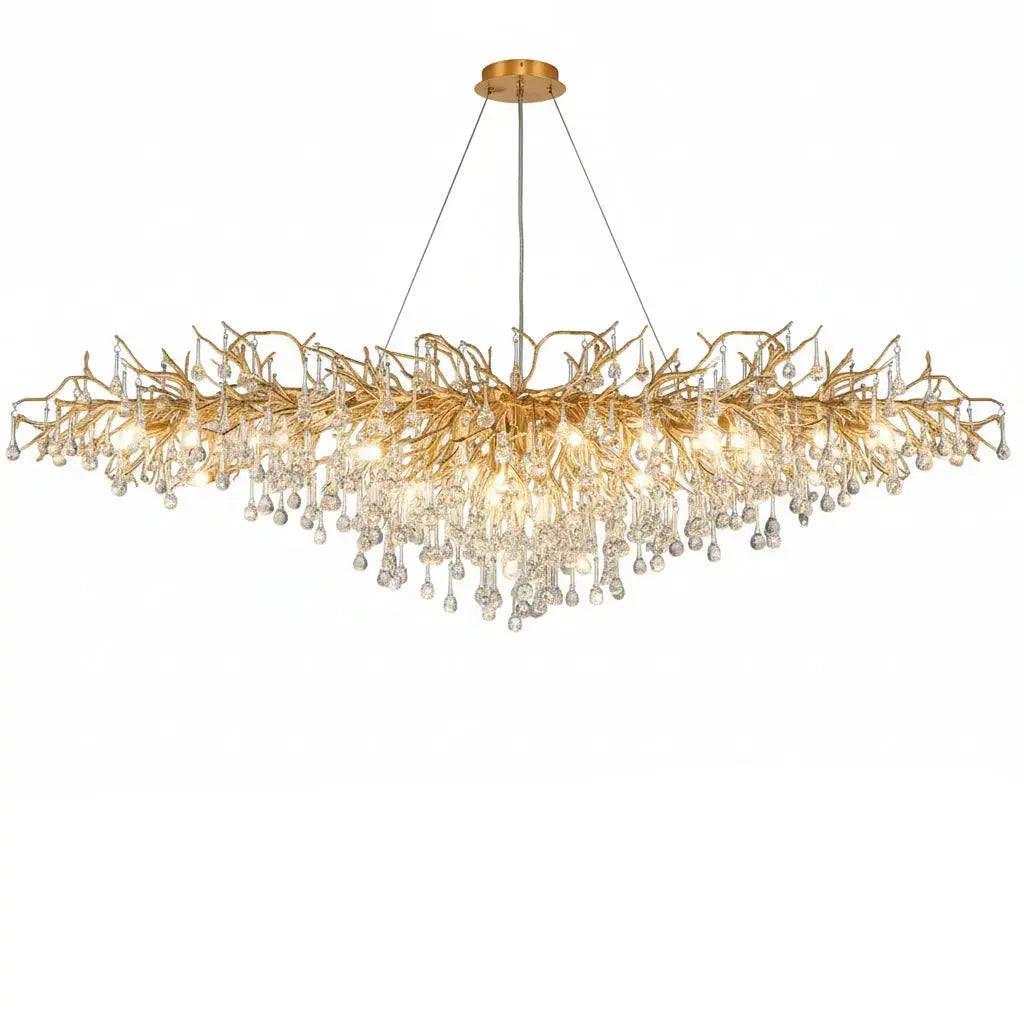
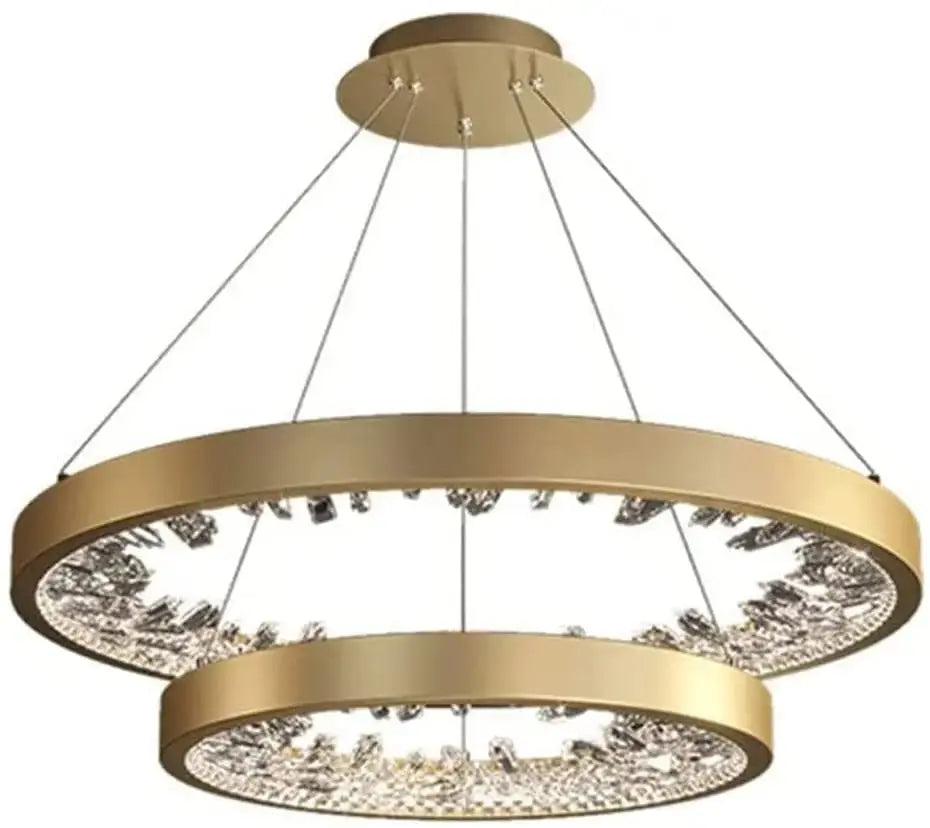
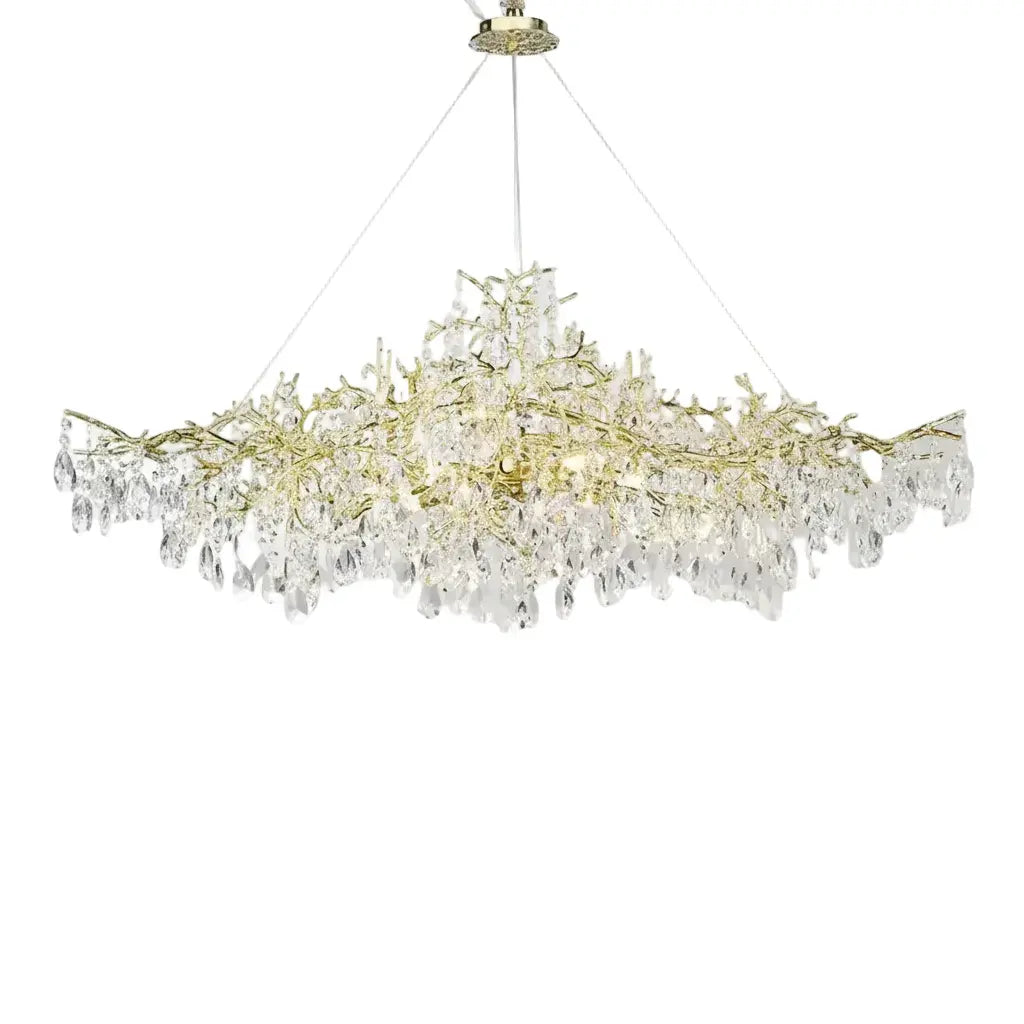
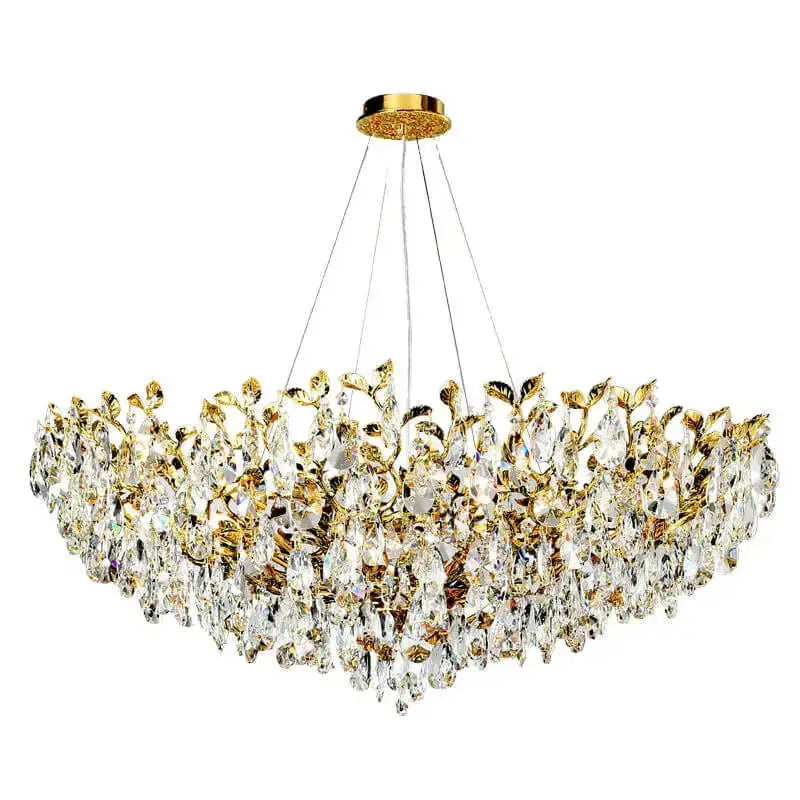
Pendant lights can still work, but you have to be a bit more selective. Instead of big, chunky designs, look for pendants with a slim profile. If you're hanging one over a dining table or a kitchen island, make sure it's not too low. A good rule of thumb is to keep the bottom of the pendant about 30-36 inches above the surface. This way, it provides focused light where you need it without blocking views or becoming a head-bumping hazard. A mini chandelier, like this one, can add a touch of sparkle without overwhelming the space.
Avoid Overly Bulky or Low-Hanging Designs
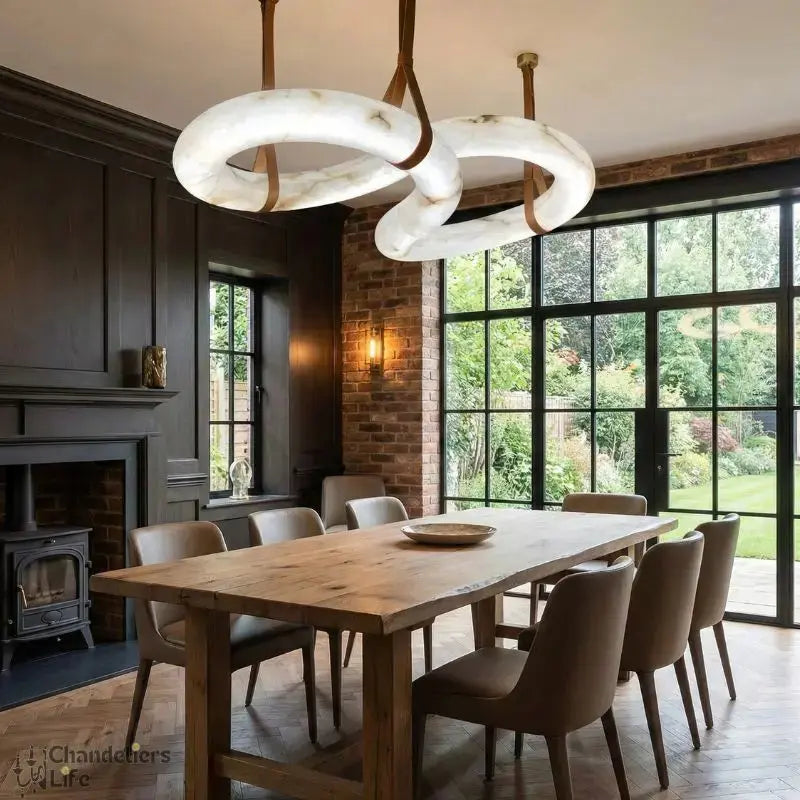
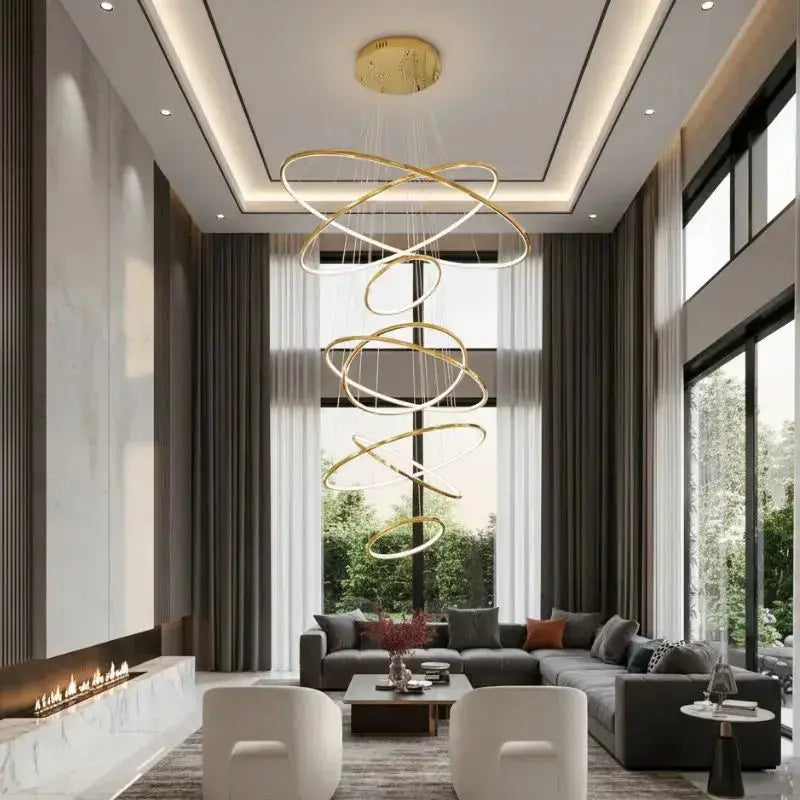
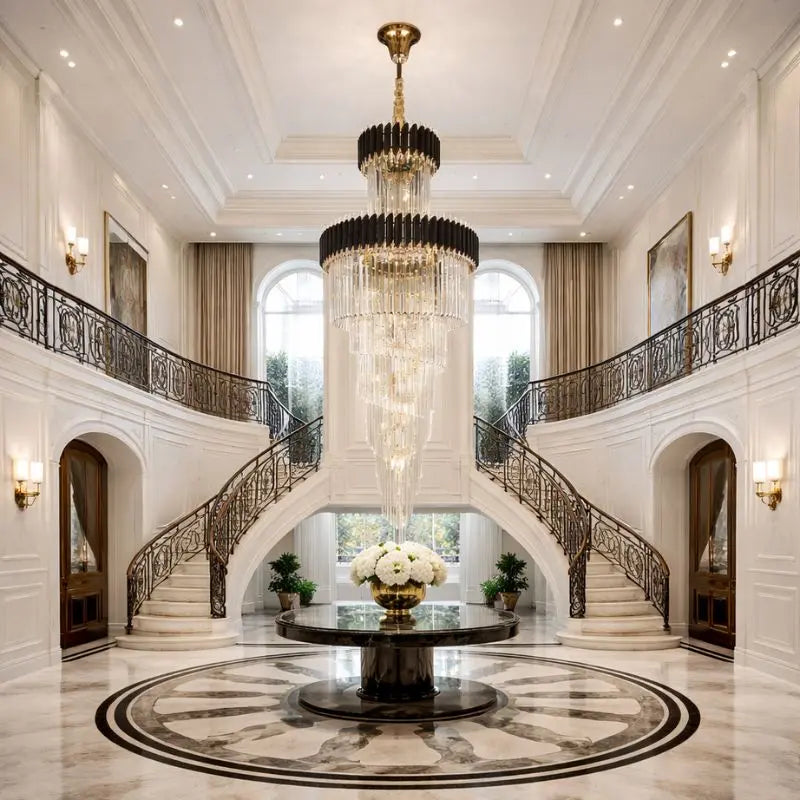
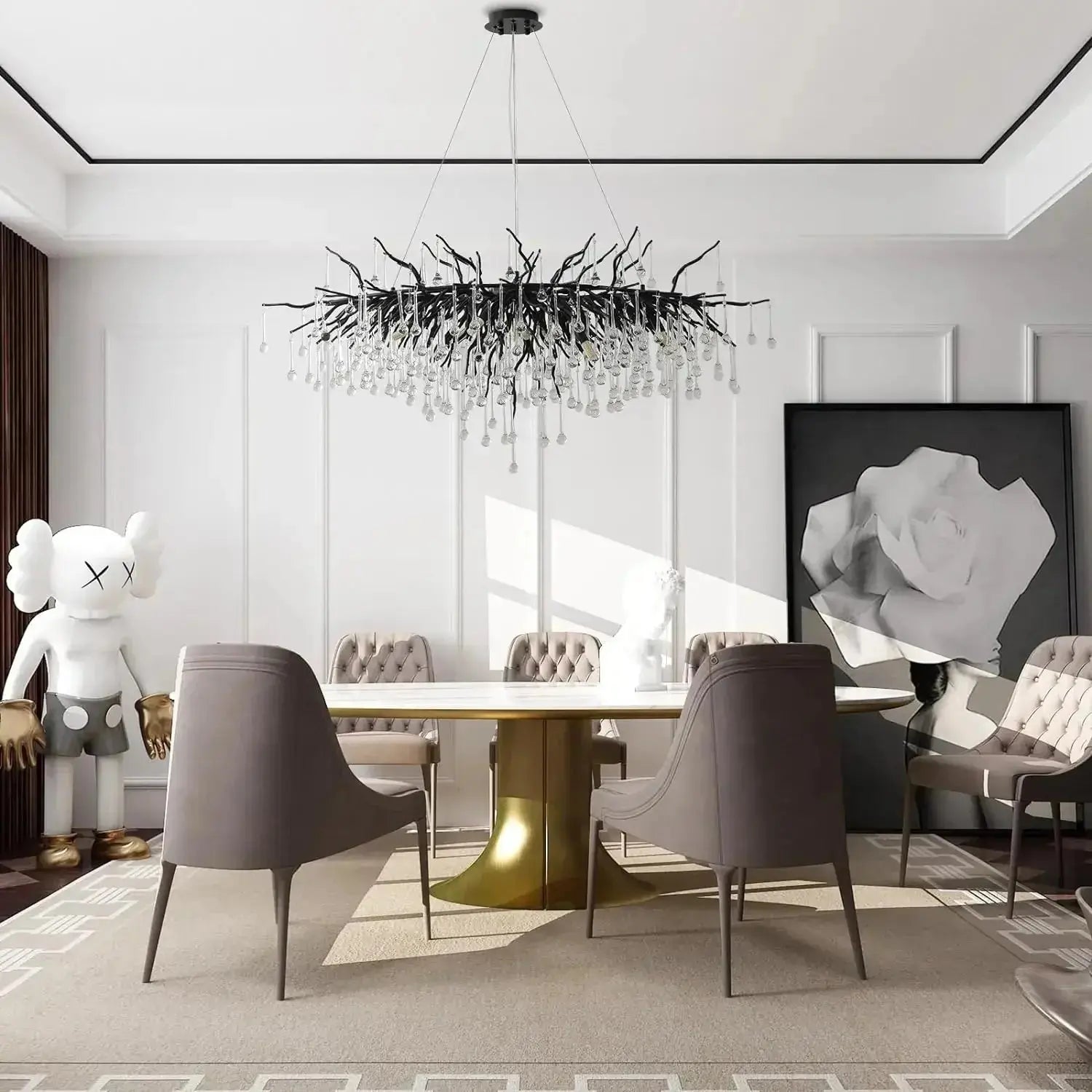
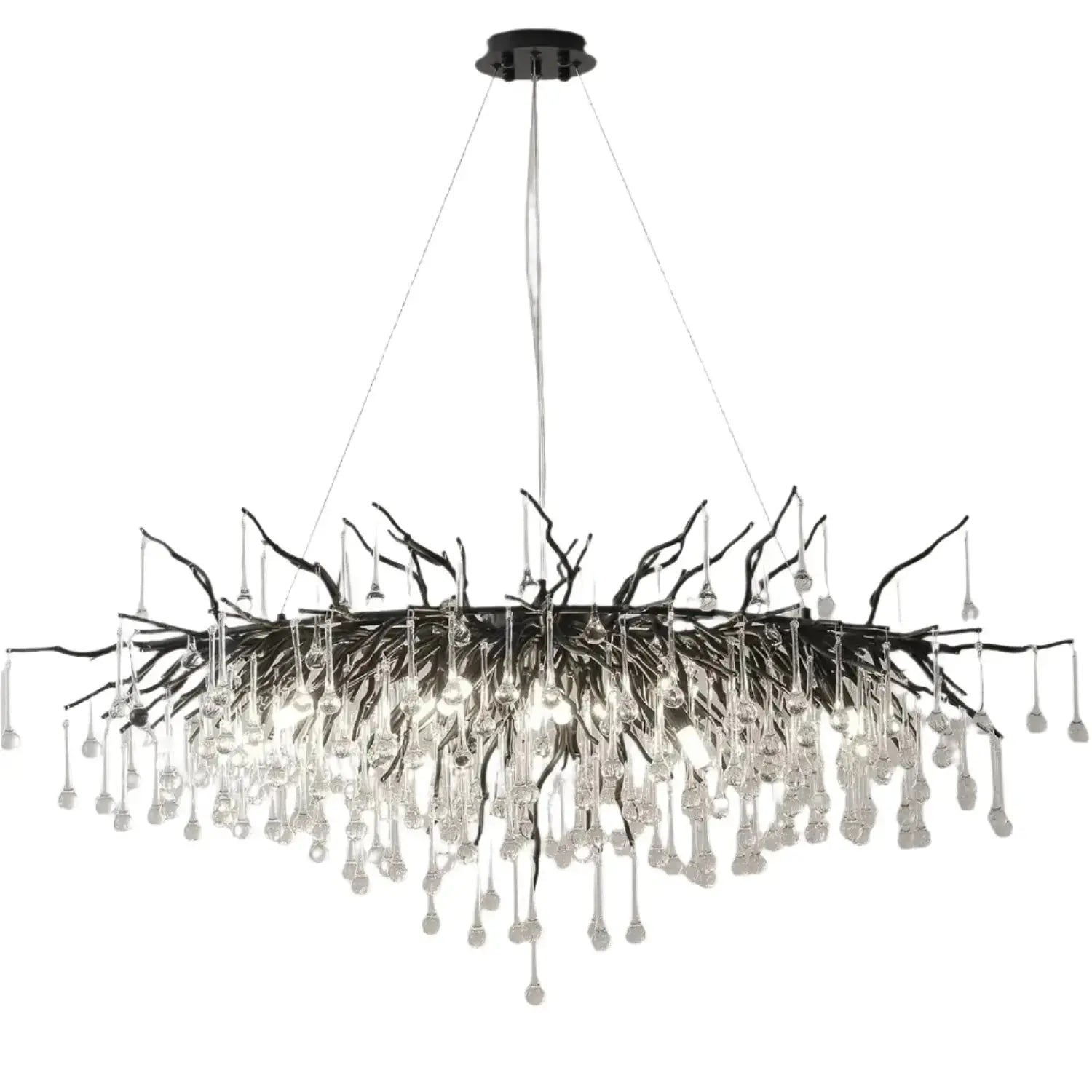
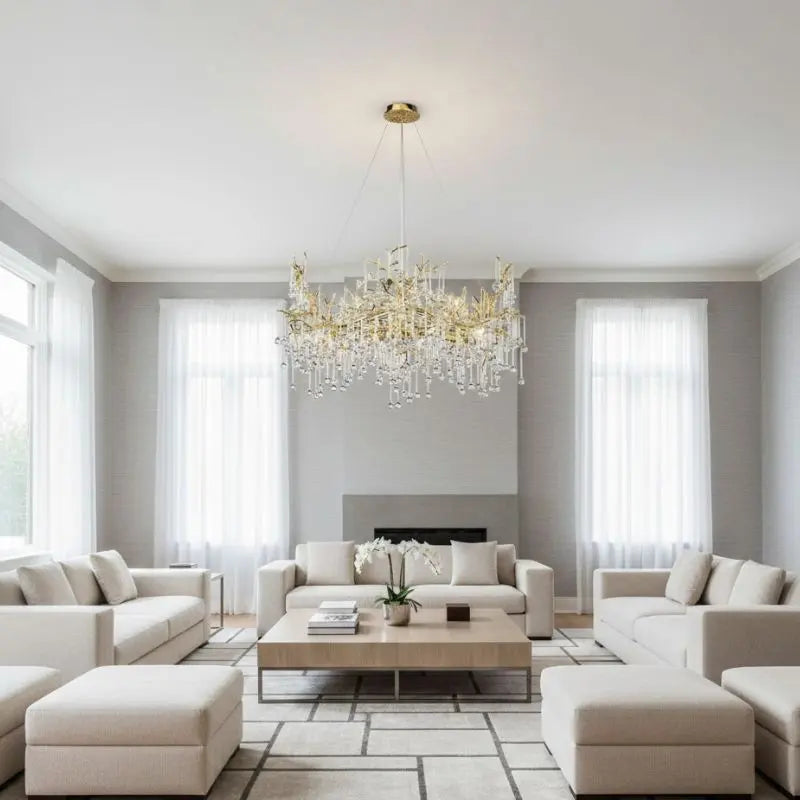
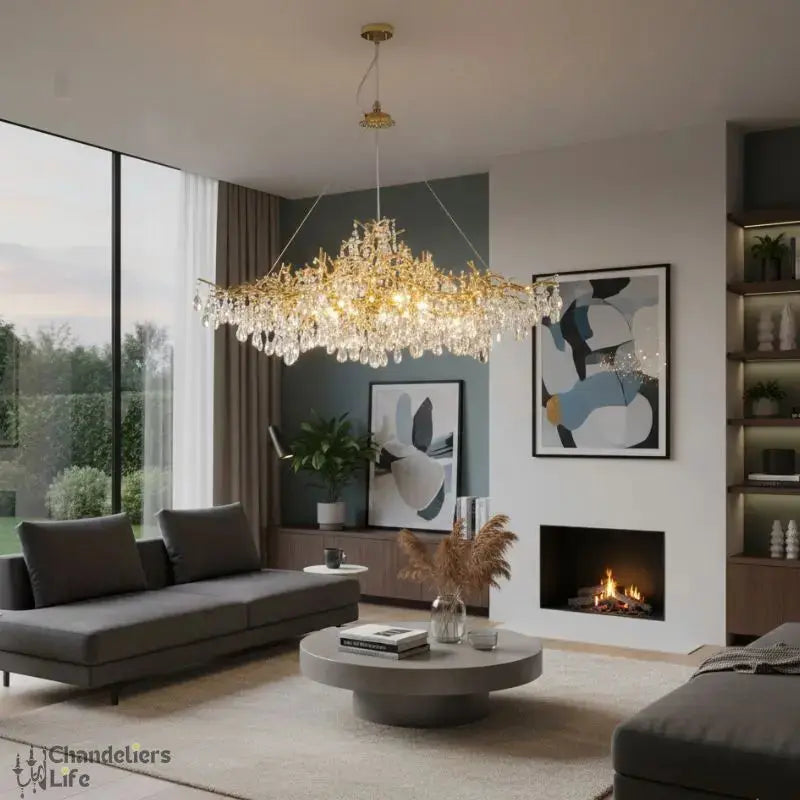
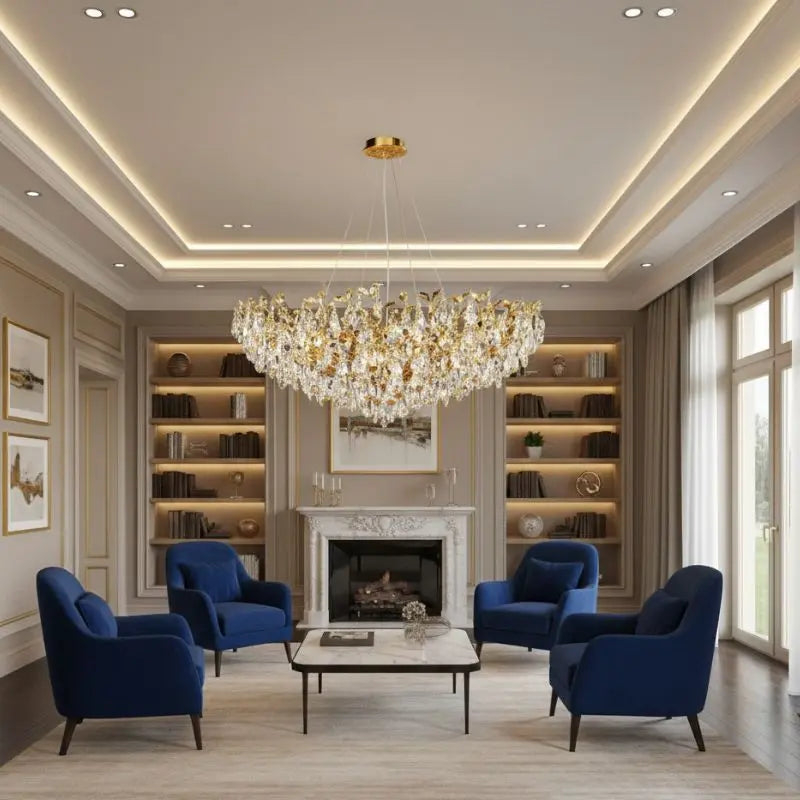
This might seem obvious, but it's worth repeating. Big, dramatic chandeliers or pendants that hang way down are generally a no-go for rooms with low ceilings. They can make the ceiling feel like it's pressing down on you, which is the opposite of what we want. Also, be mindful of fixtures that cast light only downwards. This can create harsh shadows and make the room feel smaller. Look for fixtures that spread light around the room, bouncing some off the ceiling and walls if possible.
Strategic Placement of Lighting Elements
Where you put your lights matters a lot, especially when you're trying to make a room with low ceilings feel more open. It's not just about having enough light, but about directing it smartly. Think about how light can guide the eye and make the space feel bigger than it is.
Utilize Wall Lights for Ambient Glow
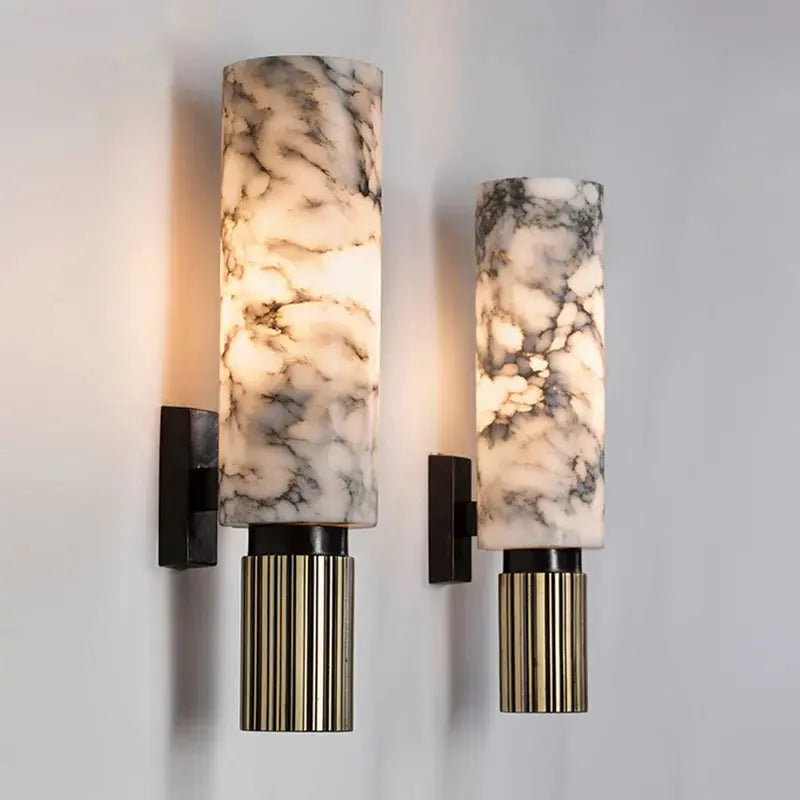
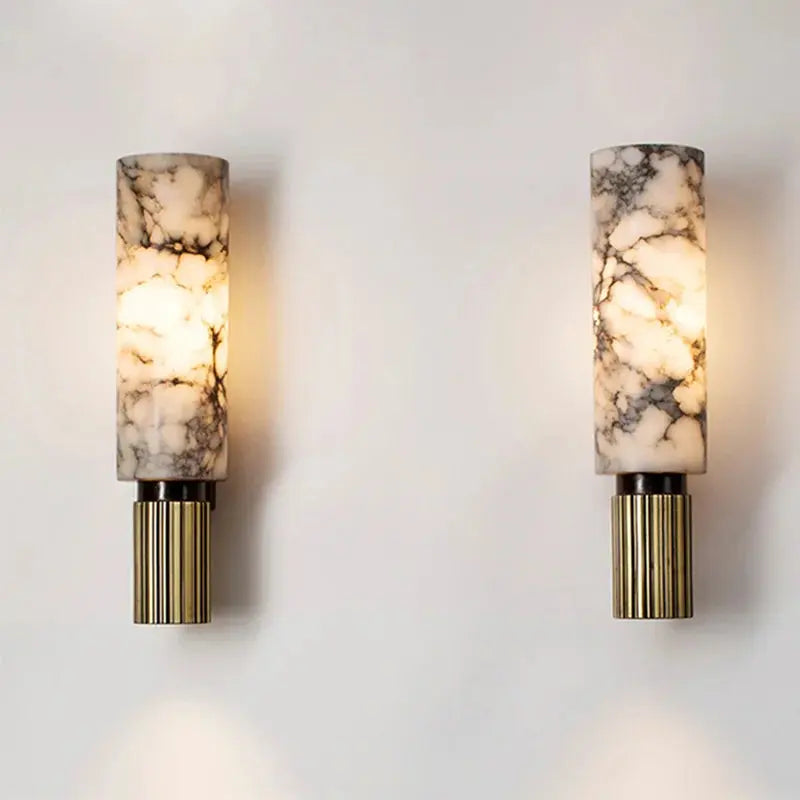
Wall lights are fantastic for adding a soft, ambient glow without taking up floor space or hanging too low. They can be placed higher up on the wall, drawing the eye upward and making the ceiling feel less oppressive. Consider sconces that cast light both up and down, or fixtures that direct light towards the ceiling. This bounce effect helps diffuse the light, creating a more even and spacious feel. They're great for hallways or living areas where you want a gentle background light.
Employ Floor Lamps for Elevated Illumination
Floor lamps are your best friend for adding height and filling in darker spots. A tall, slender floor lamp can add vertical interest, making the room feel taller. Placing floor lamps near corners or behind furniture can help push the perceived boundaries of the room outward. Look for designs that direct light upwards, bouncing it off the ceiling for a diffused, expansive effect. This is especially useful in living rooms or reading nooks where you need focused light but also want to contribute to the overall ambiance.
Incorporate Table Lamps to Fill Gaps
Table lamps are perfect for those little nooks and crannies that overhead lights just can't reach. They add warmth and depth, filling in any shadowy areas that might make a room feel smaller. Place them on side tables, consoles, or even sturdy shelves. Like floor lamps, choosing ones that direct some light upwards can help create a sense of height. They're also great for adding a cozy feel to a space. A few well-placed table lamps can really make a room feel more complete and inviting, preventing any dark spots that shrink the perceived size of your living space.
Good lighting placement is about creating layers and balance. You want to avoid harsh shadows and ensure light flows evenly throughout the room. This makes the space feel more cohesive and visually larger. Think about how each light source contributes to the overall illumination and how it directs attention.
Leveraging Accent and Task Lighting
When you're working with low ceilings, it's easy to think you're limited to just one or two overhead fixtures. But that's not the case! By strategically using accent and task lighting, you can add depth, dimension, and functionality without making the space feel cramped. It's all about smart placement and choosing the right kinds of lights.
Use Accent Lighting to Draw the Eye Upward
Accent lighting is a real game-changer for rooms with lower ceilings. Instead of just lighting the space directly, think about using lights to highlight features or guide the eye. Spotlights or small uplights placed strategically can draw attention to the ceiling or architectural details, making the room feel taller than it is. This kind of lighting adds a layer of interest without taking up precious vertical space. It's a subtle trick that can make a big difference in how the room is perceived.
- Highlight architectural details: Point lights at interesting wall textures, moldings, or even artwork hung higher up.
- Create upward movement: Use small uplights at the base of furniture or in corners to cast light towards the ceiling.
- Add visual interest: Accent lights can create pools of light that add depth and make the room feel more dynamic.
Accent lighting is particularly useful for making a room feel more expansive. By directing light towards the ceiling or walls, you can create a bounce effect that softens shadows and makes the entire space feel brighter and more open. This technique is especially effective in smaller rooms where harsh downlighting can make the ceiling feel even lower.
Layer Task Lighting for Functionality
Beyond just general illumination, task lighting is key for making your space truly usable. Think about where you do specific activities – reading, working, cooking. Adding focused light in these areas makes them more comfortable and efficient. This could mean a stylish floor lamp next to your favorite armchair or a slim desk lamp on a console table. The goal is to provide bright, direct light where you need it, without overwhelming the rest of the room. This layered approach ensures that every part of the room serves its purpose well.
Highlight Architectural Features with Spotlights
Spotlights are your best friend when you want to draw attention to specific elements. In a room with low ceilings, you can use them to emphasize vertical lines, artwork, or shelving. By aiming these lights upwards or along vertical surfaces, you can create a sense of height and depth. This is a great way to add personality to your space without adding bulk. For example, a few well-placed spotlights can make a tall bookshelf or a textured wall feature really stand out, guiding the eye and making the room feel more dynamic. You can even find adjustable spotlights that allow you to change the focus as needed, offering flexibility for different arrangements or moods. Consider using adjustable spotlights to direct light precisely where you want it, adding a professional touch to your home's lighting scheme.
Maximizing Light Distribution and Reflection
Getting the light to spread out nicely is key when you have lower ceilings. It's not just about having enough light, but about how it moves around the room. Think of it like painting with light – you want smooth strokes, not harsh lines.
Soften Harsh Downlighting to Prevent Shadows
Sometimes, lights that shine straight down can make things look a bit stark. They create sharp shadows, especially near the walls, which can make a room feel smaller. Instead of one super bright light directly overhead, try to spread the light out. This can be done by using fixtures that diffuse the light, or by adding other light sources that fill in the darker spots. When shadows are softer, the room feels more open and continuous.
Bounce Light Off Ceilings and Walls
This is a really effective trick. Instead of pointing all your lights directly down, angle some of them towards the ceiling or walls. The light bounces off these surfaces, creating a softer, more even glow throughout the space. It’s like indirect lighting, and it really helps to make the room feel bigger and less confined. Uplighting, in particular, can draw the eye upward, giving the impression of more height. It’s a simple way to make the most of the light you have.
Choose Light-Colored Lampshades
This might seem small, but it makes a difference. Lampshades that are dark can absorb a lot of light, making the bulb inside work harder and not giving you as much illumination as you might think. Opting for lighter colors, like white, cream, or pale pastels, allows more light to pass through. This means you get a brighter, more diffused light that spreads further into the room. It’s a simple swap that can really brighten things up.
Here's a quick look at how different shade colors affect light output:
| Shade Color | Light Output Effect |
|---|---|
| White/Cream | Maximum diffusion and spread |
| Light Pastels | Good diffusion, slight color tint |
| Dark Colors | Absorbs light, reduces spread |
Using reflective surfaces and thoughtful light placement can trick the eye into perceiving more space. It's about guiding the light where you want it to go, making the room feel more expansive without any structural changes.
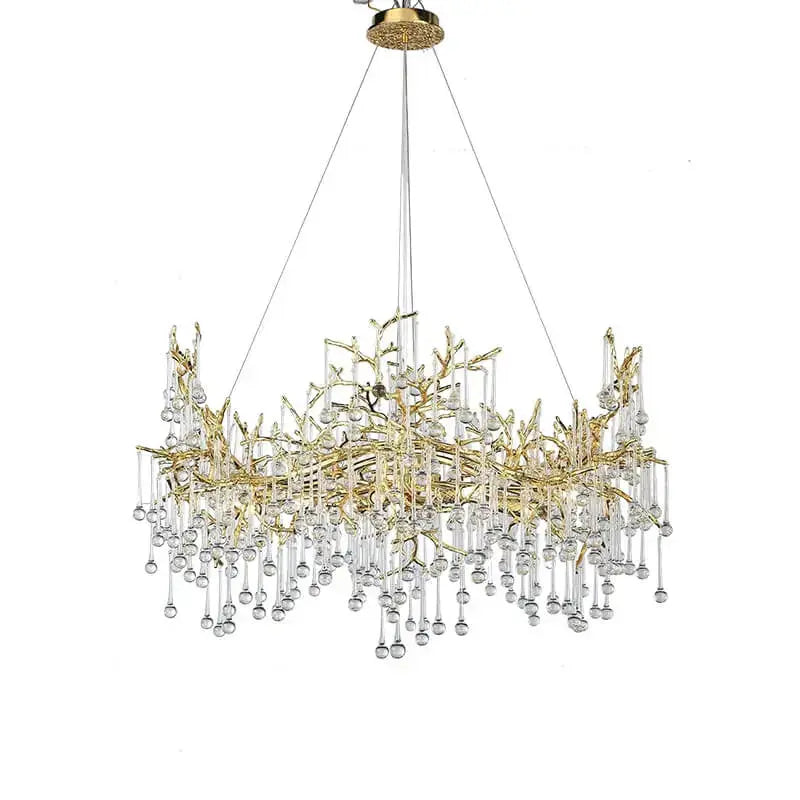
For a touch of classic charm that also helps with light distribution, consider a fixture like the retro wood vintage chandelier. Its design can complement traditional styles while providing a warm, inviting light that bounces well off walls.
Creative Solutions for Challenging Spaces
Sometimes, you're faced with a room that just doesn't play by the usual rules. Maybe it's an awkward nook, a space with a really low ceiling, or a room that just feels a bit cramped no matter what you do. Don't worry, though, because lighting can be your best friend here. It's all about being a bit clever with how you use your fixtures.
Thoughtful Use of Pendant Lights Over Surfaces
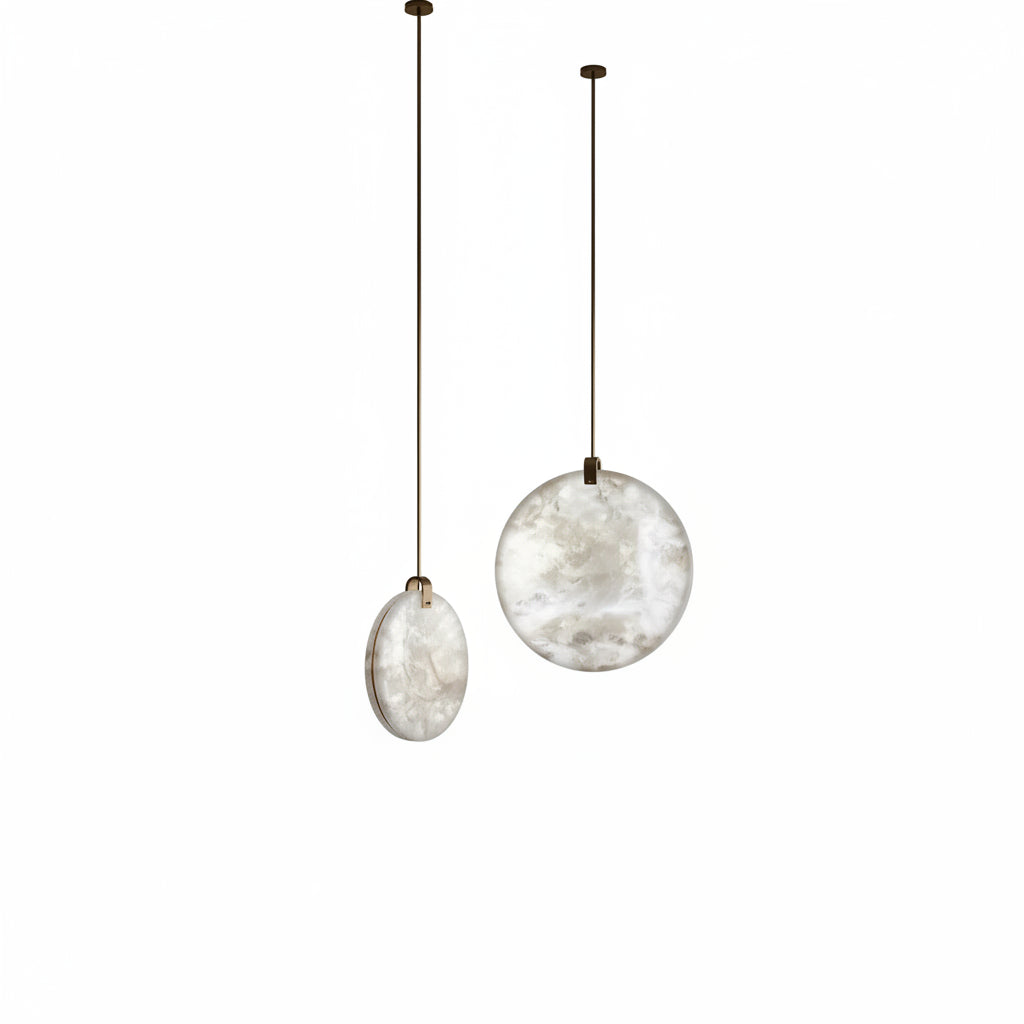
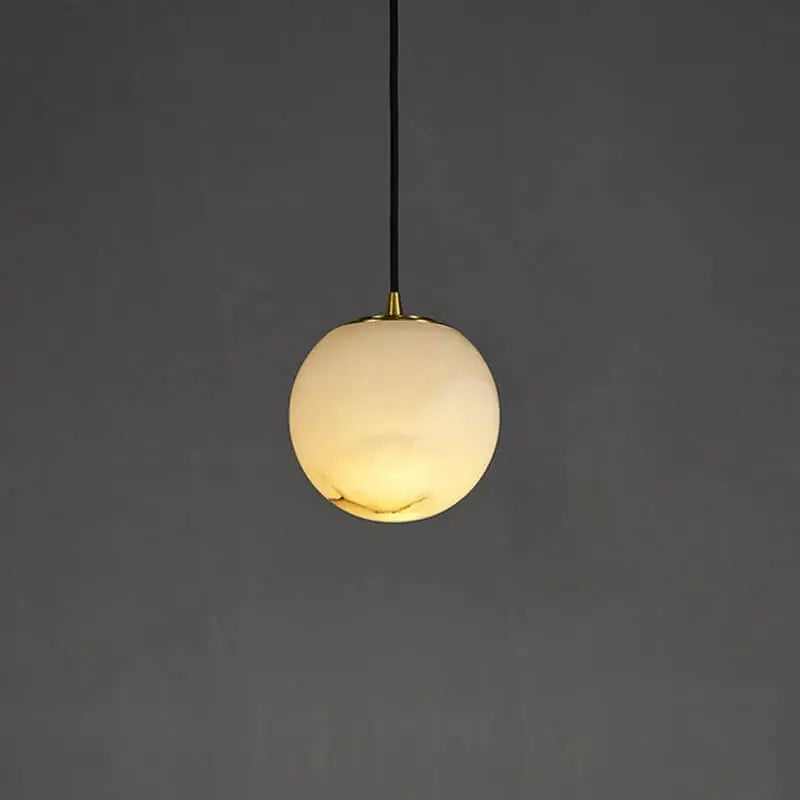
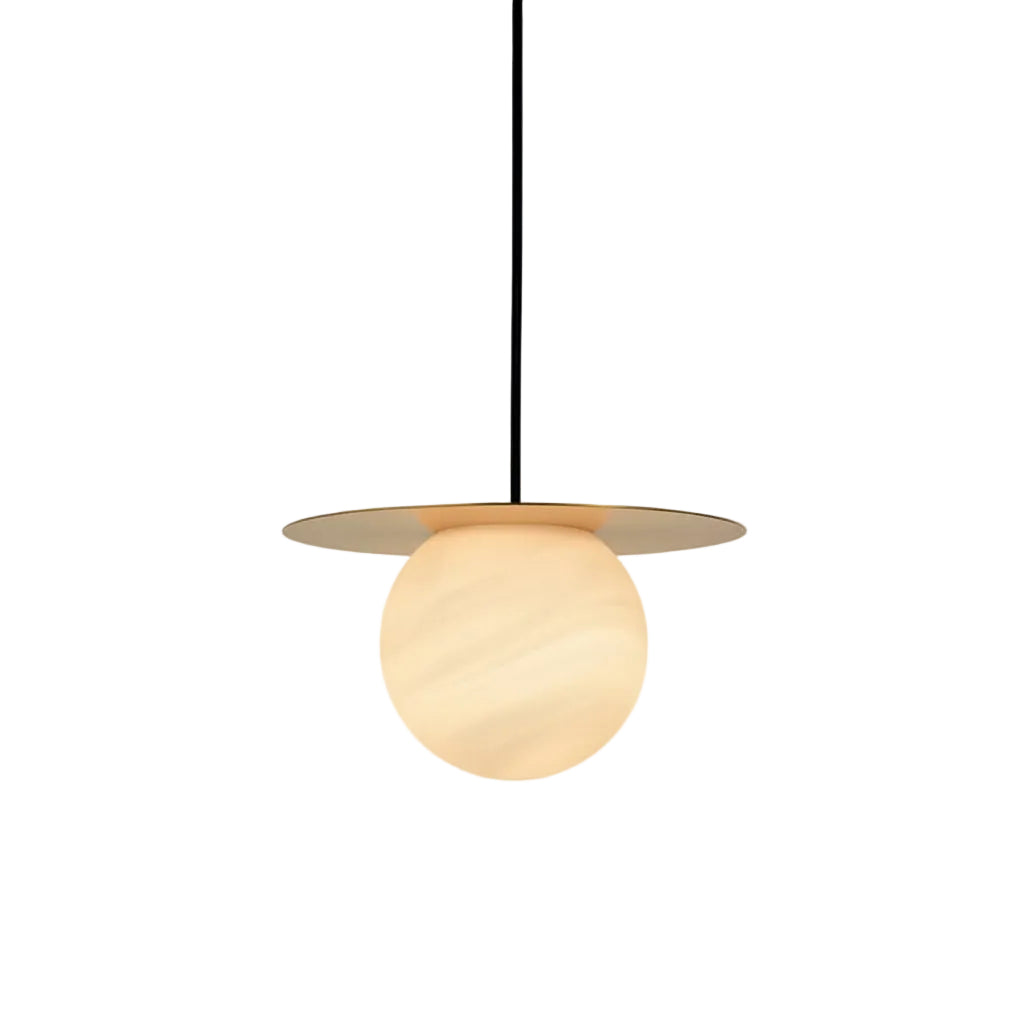
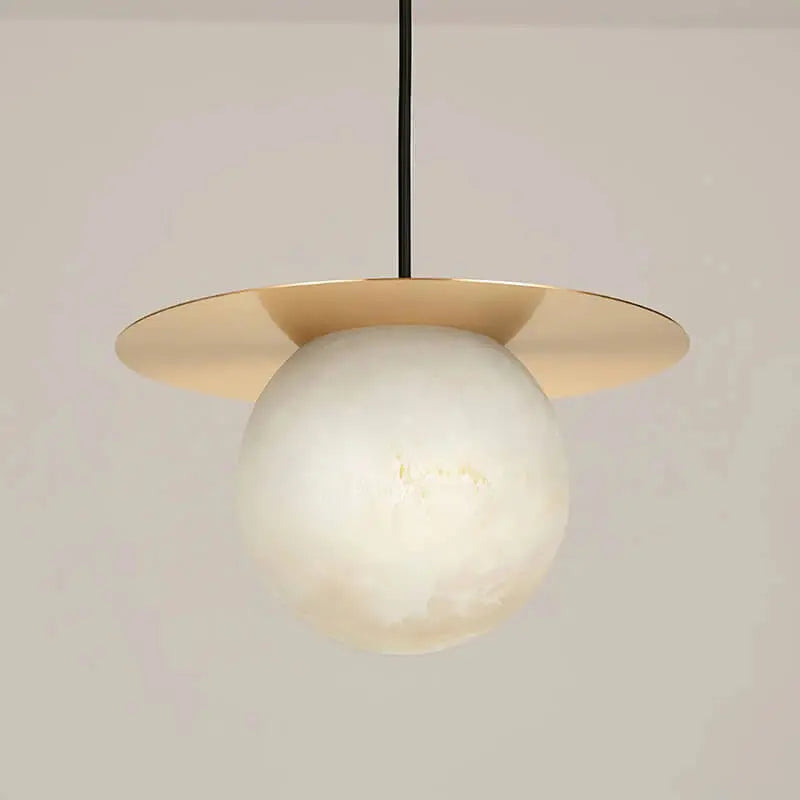
Pendant lights can be tricky with low ceilings, but they don't have to be completely off the table. The trick is to pick styles that are more streamlined and hang them thoughtfully. Instead of letting them hang low in the middle of the room, consider placing them directly over specific surfaces like a kitchen island, a dining table, or even a bedside table. This way, they serve a purpose without getting in the way. You can even find customizable options where you can adjust the height and cord length to fit your exact needs, making them work for your unique setup. A modern single pendant light, for instance, can add a touch of style without taking up too much visual space [f840].
Uplighting Beams and Recessed Areas
Don't forget about the ceiling itself! If you have beams or recessed areas, you can use them to your advantage. Uplighting fixtures, like wall sconces that direct light upwards or even strategically placed floor lamps aimed at the ceiling, can make the ceiling feel higher than it is. This bounces light around the room, creating a softer, more open atmosphere. It's a great way to add ambient light without using up precious vertical space with hanging fixtures.
Adapting Lighting for Sloped Ceilings
Sloped ceilings can be a real head-scratcher. Standard fixtures might look odd or not hang straight. For these situations, look for track lighting systems that can be angled, or consider wall-mounted fixtures that don't rely on a perfectly flat ceiling. Sometimes, a simple flush mount fixture can work wonders, especially if you choose one with a wider profile that spreads light out. The goal is to make the light follow the lines of the room without drawing too much attention to the ceiling's angles. Smart lighting options can help brighten your room effectively, even with tricky ceiling shapes [a04b].
When dealing with unusual spaces, think about how light can trick the eye. Using light to draw attention upwards or outwards can make a room feel much larger and more balanced than it actually is. It's about working with the room's quirks, not against them.
Creating an Illusion of Height
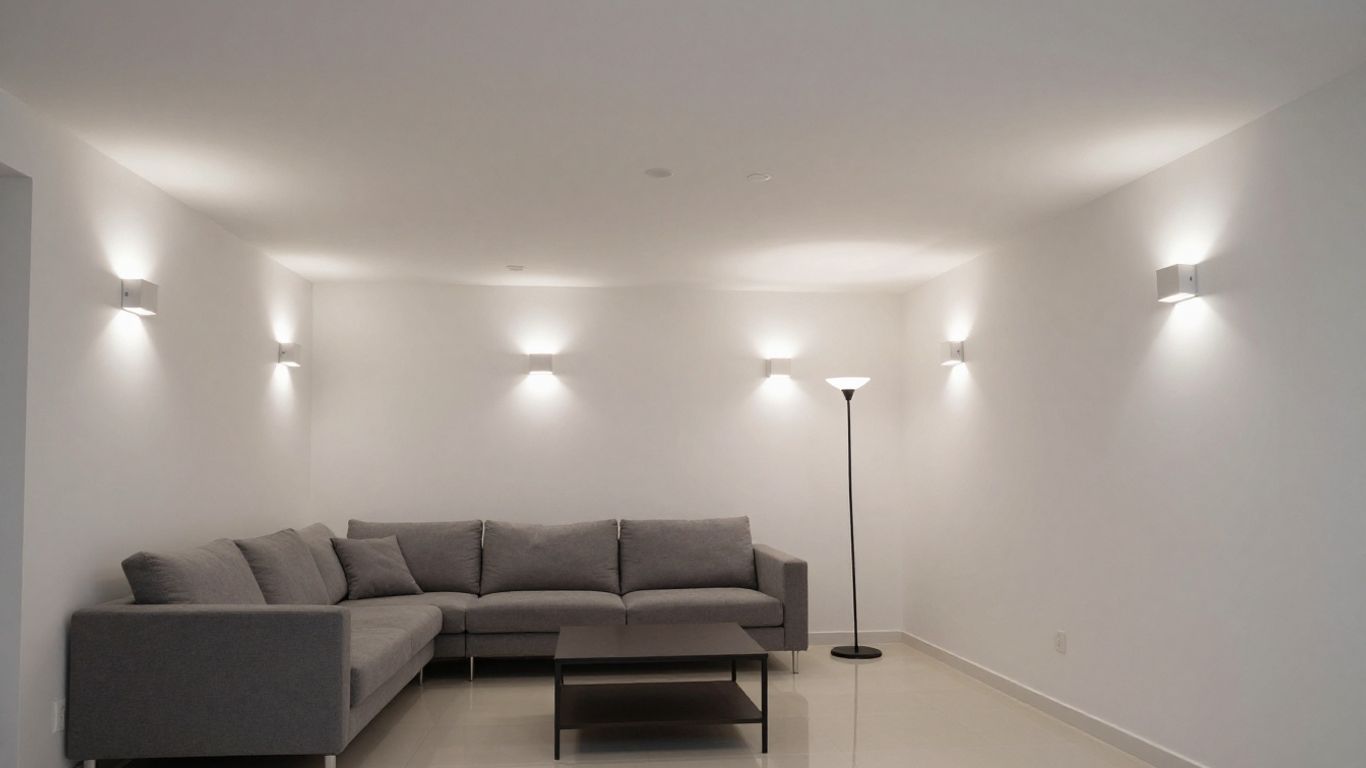
Sometimes, the best way to deal with low ceilings isn't to fight them, but to trick the eye into thinking they're higher than they actually are. Lighting is a fantastic tool for this. By carefully placing and directing your lights, you can make a room feel much more open and airy, even if the ceiling is just a few feet above your head.
Balance Light Sources for Even Brightness
One of the biggest mistakes you can make in a room with low ceilings is creating dark corners or overly bright spots. This contrast makes the room feel smaller. The goal is to have light spread out evenly, making the space feel continuous. Think about how light travels; if it's all concentrated in one area, your eyes don't have anywhere else to go, and the room feels cramped. Using a mix of light sources at different heights helps achieve this balance. You might have a flush mount on the ceiling, some wall sconces, and maybe a floor lamp. This variety prevents harsh shadows and makes the whole room feel more inviting and expansive.
Paint Walls and Ceilings in Reflective Hues
While not strictly a lighting fixture, the color of your walls and ceiling plays a huge role in how light behaves. Lighter, more reflective colors bounce light around the room much better than dark, matte ones. Think about a dark room versus a white room – the white room always feels brighter, right? This is because the light bounces off the lighter surfaces, filling the space more effectively. Using soft whites, light grays, or even pale blues can make a big difference. It's like giving your light sources a little help to spread out further.
Minimize Dark Corners
Dark corners are the enemy of spaciousness. They visually shrink a room and make it feel closed off. To combat this, make sure your lighting plan addresses every area. This might mean adding a small accent light in a corner that tends to get dim, or ensuring your main light sources are positioned to cast light outwards. Even a simple floor lamp placed strategically can illuminate a previously dark spot. When there are no shadowy voids, the eye perceives the room as a larger, more unified space. It's about creating a smooth visual flow from one side of the room to the other, without any abrupt stops caused by darkness. This even illumination helps the room feel more open and less confined, making the most of the space you have.
Here's a quick rundown of how to tackle those dark corners:
- Wall Lights: Install sconces on walls, especially in areas that might otherwise be dim.
- Floor Lamps: Position floor lamps to cast light upwards or outwards, filling in gaps.
- Table Lamps: Use table lamps on side tables or consoles to brighten up seating areas.
- Recessed Lighting: If possible, consider adding a few well-placed recessed lights to supplement overhead fixtures.
Wrapping Up Your Low-Ceiling Lighting Project
So, tackling low ceilings with lighting doesn't have to be a headache. We've gone over a bunch of ways to make it work, from picking the right flush mounts to using lamps to fill in the gaps. It’s all about spreading the light around and avoiding those dark corners that can make a room feel smaller. By mixing different types of lights and thinking about where you put them, you can really change how a space feels, making it seem bigger and more open. It’s not about having super high ceilings, it’s about using light smartly to get the most out of the room you have. Give these ideas a try, and you might be surprised at the difference it makes.
Frequently Asked Questions
What kind of lights work best for rooms with low ceilings?
For rooms with low ceilings, it's best to use lights that sit close to the ceiling, like flush or semi-flush mounts. These lights give off enough light without hanging down too low and making the room feel smaller. Slim pendant lights can also work if they're hung carefully, especially over tables or counters.
How can I make a room with a low ceiling feel bigger using lights?
You can make a room feel bigger by spreading light evenly and avoiding dark spots. Use a mix of lights at different heights, like wall lights and floor lamps, to draw the eye around the room. Painting walls and ceilings in light, reflective colors also helps bounce light and create a sense of more space.
Should I avoid pendant lights if I have a low ceiling?
Not necessarily! You just need to be smart about it. Pendant lights can look great over a dining table or kitchen island, as long as they hang at the right height – usually about 75-90 cm above the surface. Avoid hanging them in walkways where people might bump into them.
What's the problem with lights that shine straight down (downlights)?
Lights that shine straight down can create harsh shadows, especially around the edges of the room. These shadows can make the room feel more boxed in and smaller. It's better to use lights that spread light more softly or to use dimmers to control the brightness and avoid strong contrasts.
How can wall lights help with low ceilings?
Wall lights are great because they don't take up floor space and can help light up the room by bouncing light off the ceiling. This creates a softer, more spread-out light that can make the room feel more open. It's good to place them a bit above eye level to avoid glare.
Are there any special tricks for lighting rooms with sloped ceilings?
Yes! With sloped ceilings, you have high parts and low parts. Pendant lights hang straight down, so they can work well in the higher areas. For the lower parts, recessed lighting or lights placed between beams can be a good choice. Using off-center ceiling plates for pendants can also help you hang them where you want them.