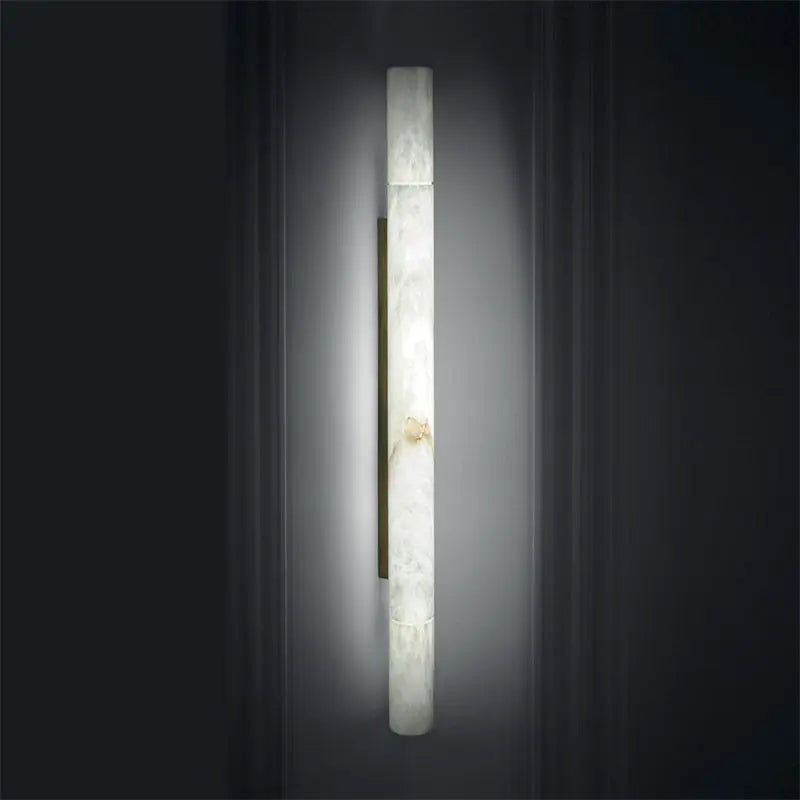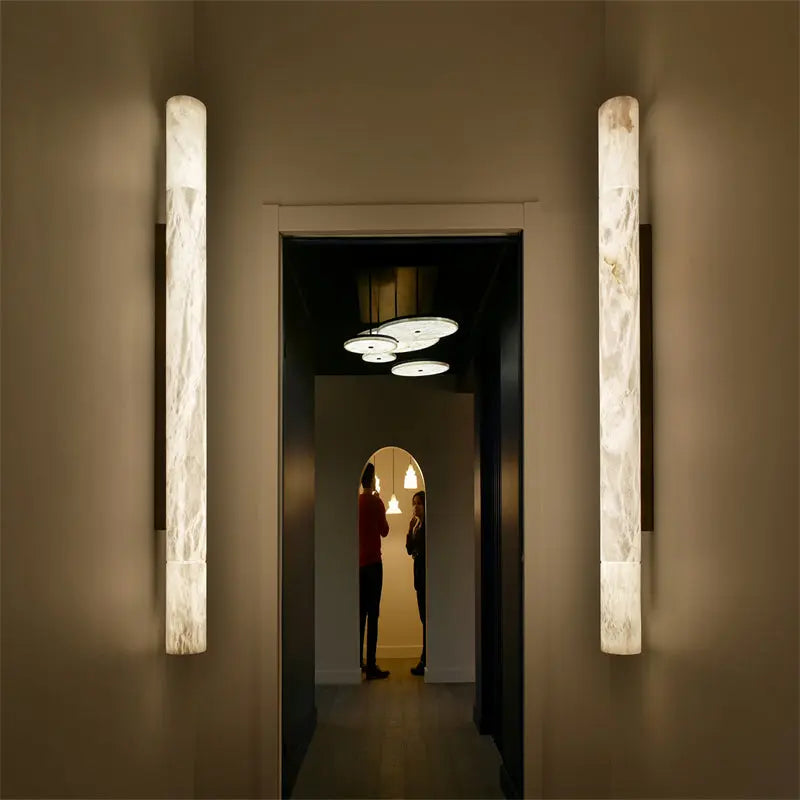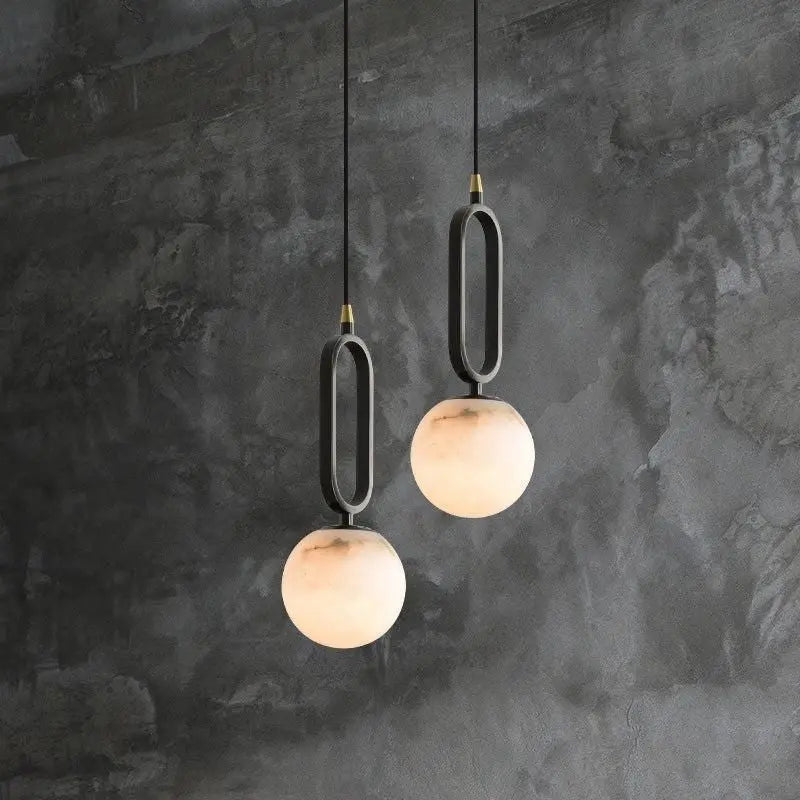

Thinking about upgrading your outdoor lights? It's a great idea, especially with all the cool LED options out there now. Whether you want to make your backyard safer for evening strolls, highlight that nice tree you have, or just make your place look a bit nicer after dark, the right led outdoor light can really make a difference. We're going to break down what to look for, what types are best for different spots, and how to pick something that won't break the bank. Let's get your place looking good and feeling secure when the sun goes down.
Key Takeaways
- LED outdoor lights are super energy efficient, meaning they use less power and can save you money on electricity bills compared to older types of lights.
- Look at lumens to figure out how bright a light is, not just watts. Different areas need different brightness levels.
- Color temperature matters – warmer light (yellowish) feels cozier, while cooler light (bluish) can feel more modern or good for security.
- Make sure your led outdoor light is built tough and can handle rain, wind, and whatever else the weather throws at it. Check for good weather ratings.
- Think about where you need light most – pathways, entryways, or just making your garden look nice – and pick the right type of light for each spot.
Understanding The Advantages Of LED Outdoor Light
When you're thinking about lighting up your yard or driveway, LEDs are really the way to go these days. They've pretty much replaced older types of lights for good reason. It’s not just about saving a few bucks on your electricity bill, though that’s a big part of it. These lights are built tough and last a really long time, which means less hassle for you.
Exceptional Energy Efficiency
One of the biggest wins with LED outdoor lights is how little power they use. Unlike those old incandescent bulbs that waste a ton of energy as heat, LEDs are super efficient at turning electricity into light. This means you get the same amount of brightness, or even more, for a fraction of the energy cost. For larger areas, like lighting up a whole backyard or a long driveway, this efficiency really adds up, making a noticeable difference in your monthly bills. It’s a smart move for your wallet and for the planet.
Long-Lasting Brilliance and Durability
LEDs are built to last. Seriously, they can keep shining for tens of thousands of hours, which is way longer than traditional bulbs. Think about it: fewer bulb changes mean less climbing ladders and less money spent on replacements. Plus, they’re made to handle the weather. Most outdoor LEDs come with sturdy casings and good weatherproofing ratings, so they can stand up to rain, snow, and sun without a problem. This durability means they keep working reliably, even in tough conditions, which is great for security lighting or just making sure your paths are always lit.
Environmental Friendliness
Beyond saving energy, LEDs are also a greener choice. They don't contain harmful stuff like mercury, which you might find in some older lighting types. Because they use less electricity, they also help reduce your carbon footprint. It’s a simple switch that contributes to a more sustainable home. Plus, with their long lifespan, you're creating less waste from discarded bulbs. It’s a win-win for keeping your home looking good and being kind to the environment.
Making the switch to LED outdoor lighting is a straightforward way to improve your home's exterior. It offers practical benefits like lower energy use and fewer maintenance tasks, alongside the positive impact on the environment. It’s a sensible upgrade that pays off over time.
Key Features For Your LED Outdoor Light
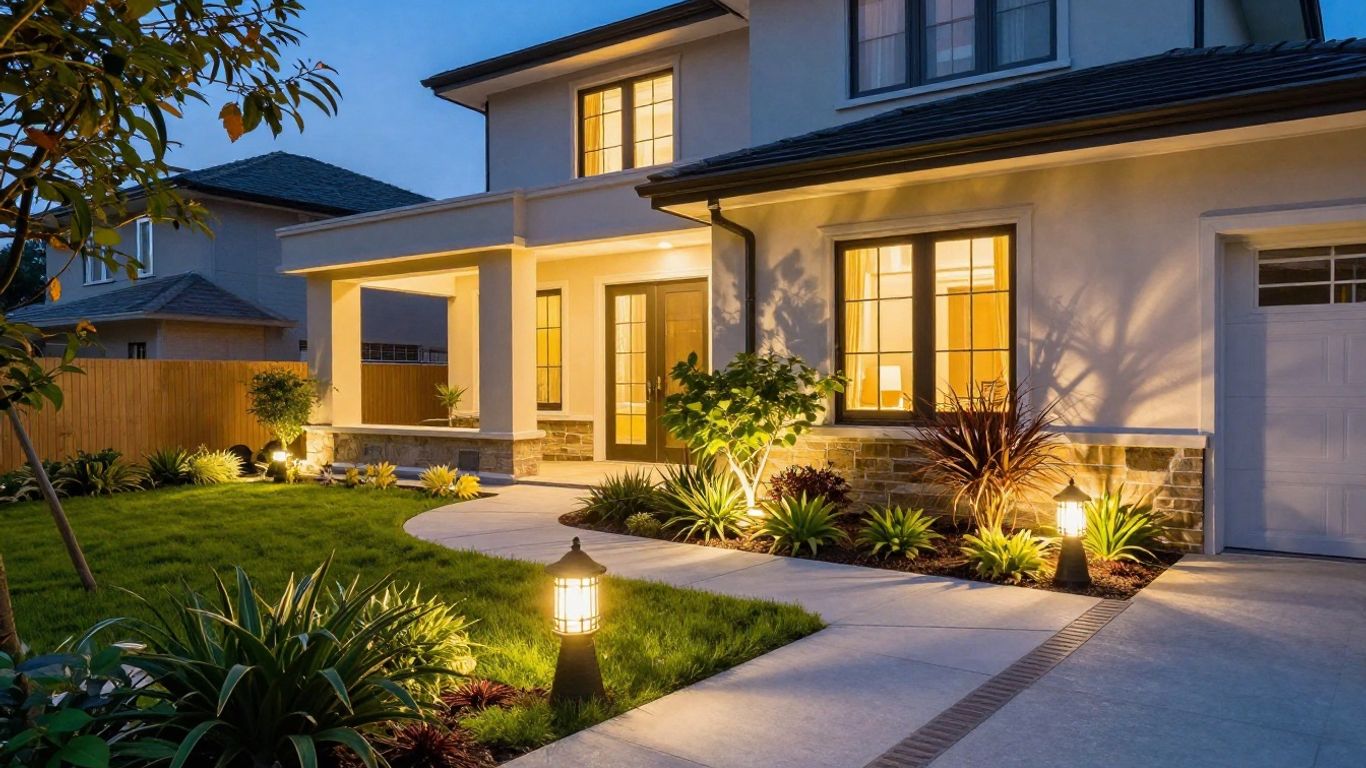
When you're picking out LED lights for outside, there are a few things that really matter. It's not just about how bright they are, but also how they look and how they're built. Getting these details right means you'll end up with lights that work well for a long time and make your outdoor space look great.
Brightness Measured In Lumens
Forget watts; that just tells you how much power the light uses. What you really want to look at is lumens. This number tells you how much light the bulb actually puts out. For a small patio, maybe 1,000 to 2,500 lumens is plenty. But if you're trying to light up a big backyard or a driveway, you might need something with 5,000 lumens or more. It's all about matching the light output to the area you need to cover. You don't want it too dim, but you also don't want it so bright that it's blinding.
Color Temperature Options
LEDs come in different shades of white, and this is called color temperature, measured in Kelvin (K). Lower Kelvin numbers, like 2700K to 3000K, give off a warm, yellowish light, similar to old incandescent bulbs. This is great for creating a cozy vibe. Higher numbers, like 4000K to 5000K, produce a cooler, bluer light that's more like daylight. This can make things look sharper and is often better for security or task lighting. You can even find lights that let you change the color temperature, giving you flexibility.
Beam Angle Considerations
The beam angle is how wide the light spreads out. A narrow beam angle, maybe 15 to 30 degrees, is good for spotlighting a specific tree or architectural feature. A wider beam angle, like 60 to 120 degrees, is better for lighting up larger areas, like a whole yard or a pathway. Think about what you want to illuminate. Do you need to light up a broad space, or just a small spot? Choosing the right beam angle helps you direct the light where you need it most, avoiding wasted light and light pollution. It's a simple feature that makes a big difference in how effective your lighting is.
Picking the right features means your outdoor lights will do exactly what you need them to do, whether that's making your home safer, highlighting your garden, or just setting a nice mood for when you have guests over. It's worth taking a little time to figure out what works best for your specific setup.
When you're looking for outdoor lighting, consider options like outdoor lantern lights that offer a blend of style and function for your entryway or patio.
Top Types Of LED Outdoor Light For Various Settings
Picking the right kind of LED outdoor light really depends on what you need it for. It's not a one-size-fits-all situation, you know? Different spots need different kinds of light. Let's break down some of the most common types and where they work best.
Wide-Angle Flood Lights For Open Areas
Got a big yard, a driveway, or maybe a sports court you need to light up? Wide-angle flood lights are your best bet. These things are designed to spread light out really far and evenly, so you don't end up with weird dark patches. They usually have a beam angle of around 90 to 140 degrees. Think of them as the workhorses for covering large spaces. Many come with mounts that you can adjust, which is handy for pointing the light exactly where you want it, and it helps cut down on light pollution too.
Compact Lights For Accent Illumination
Sometimes, you don't need to light up a whole area; you just want to draw attention to something specific. That's where compact LED lights come in. These are great for highlighting a nice statue, a cool architectural detail on your house, or even a specific plant in your garden. They're small and don't stand out much, but they pack a punch when it comes to focused light. You can often find them with different beam angles, from super narrow spotlights to wider beams, so you can really tailor the effect.
Decorative Color-Changing Options
If you're looking to add some flair and create a certain mood, color-changing LEDs are a fun choice. These lights let you switch up the color and brightness, often controlled by a remote or an app. They're perfect for patios, backyards where you entertain, or even just to make your house look a bit more festive. Some can even sync up with music or other smart home stuff, which is pretty neat for parties or just chilling outside.
Choosing the right type of light is about matching the fixture to the job. Don't just grab the brightest one; think about how the light will spread and what you're trying to achieve. It makes a big difference in how your outdoor space looks and feels.
Here's a quick look at some common types:
- Wide-Angle Flood Lights: Best for large, open areas like driveways, yards, or sports fields.
- Compact Accent Lights: Ideal for highlighting specific features like statues, trees, or architectural details.
- Color-Changing LEDs: Great for creating ambiance, mood lighting, or festive decorations.
- Motion Sensor Lights: Excellent for security around entryways, garages, or backyards, turning on only when needed.
- Solar-Powered Lights: A good eco-friendly option for areas without easy access to power, like remote garden spots or sheds.
Selecting The Best LED Outdoor Light Within Your Budget
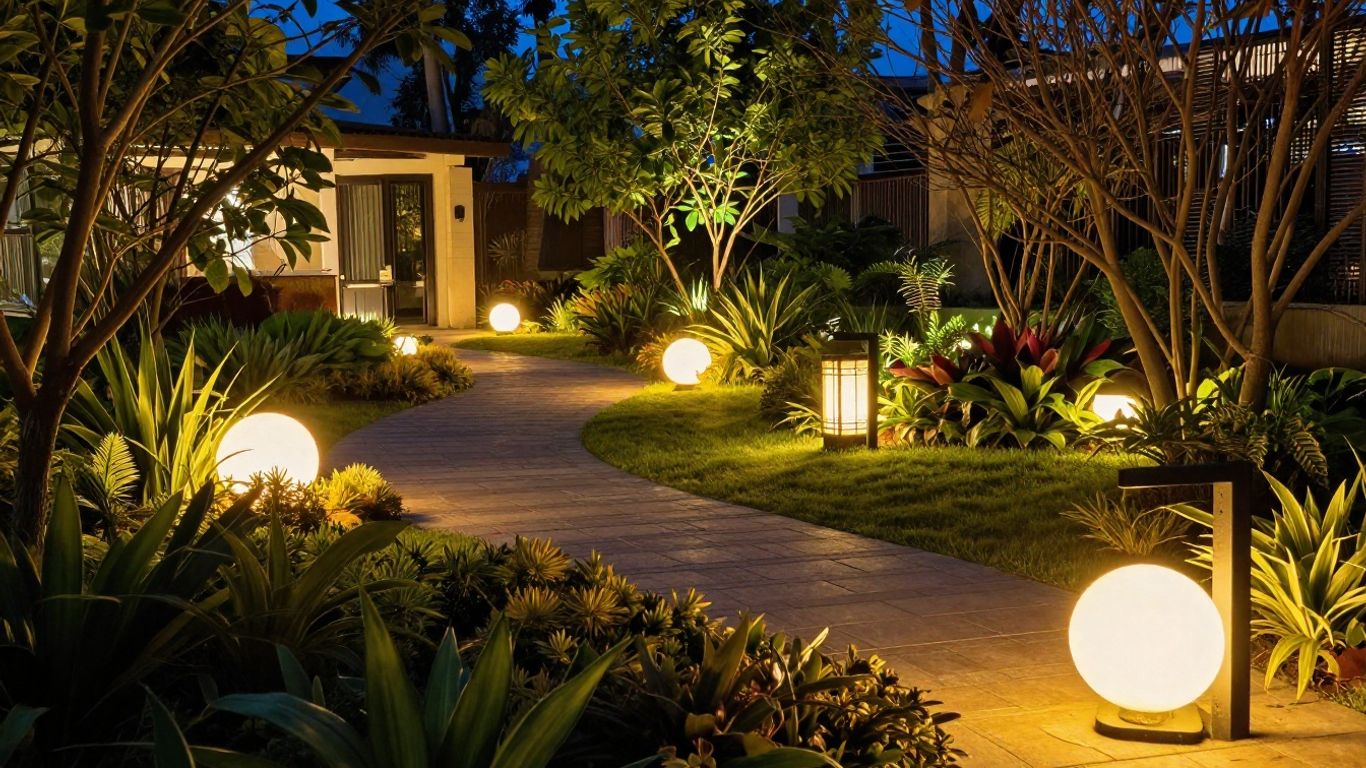
Picking out the right LED outdoor lights doesn't have to mean emptying your wallet. There are tons of options out there, and it can feel a bit much at first. But if you break it down, it's totally doable to find lights that look good, work well, and don't cost a fortune.
Assess Your Specific Lighting Needs
Before you even start looking at prices, take a good look at what you actually need the lights for. Are you trying to make your backyard safer with security lights? Or maybe you want to highlight that nice tree or garden feature? The purpose really changes what kind of light you'll need. For lighting up a big area like your whole yard, you'll want something brighter. But if it's just for your front porch or a small patio, you won't need as much power. Figuring this out first stops you from buying lights that are way too strong and expensive, or ones that just don't do the job.
Understanding Wattage And Lumens
When you look at lights, you'll see numbers for both wattage and lumens. Wattage tells you how much power the light uses, while lumens tell you how bright it is. Don't just go for the lowest wattage to save money; focus on lumens per watt to see how efficient it is. A light that gives you more lumens for each watt it uses is a better deal. For most homes, a light that uses around 30 to 50 watts can give you a good amount of brightness, usually between 3,000 and 5,000 lumens. It's a good balance.
Here's a quick look at what lumens might be good for:
- Entryways/Porches: 200-500 lumens
- Pathways: 100-200 lumens per fixture
- General Yard Lighting: 700-1500 lumens
- Security/Highlighting Features: 1000+ lumens
Balancing Cost With Quality And Warranty
It's tempting to grab the cheapest option, but that's usually not the best move long-term. Really cheap lights might not last very long, or they might not be as bright as advertised. You could end up spending more replacing them or dealing with poor performance. Instead, try to find a good middle ground. Look for brands that have decent reviews and offer a warranty, maybe 2 to 5 years. That way, if something goes wrong, you're covered. It's worth spending a little more upfront for something that's built well and comes with some peace of mind.
When you're on a budget, think about the total cost over time. A slightly more expensive light that lasts longer and uses less energy can actually save you money compared to a cheap one that needs frequent replacement or racks up a big electricity bill.
Enhancing Safety And Aesthetics With LED Outdoor Light
Outdoor lighting is way more than just a way to see where you're going after dark. It's a powerful tool that can totally change how your home looks and feels, making it safer and more inviting. Think about it: a well-lit path isn't just pretty, it stops people from tripping. And highlighting your garden or that cool architectural detail? That makes your place look way more put-together.
Illuminating Pathways And Entryways
This is probably the most important job for outdoor lights. Nobody wants to stumble around in the dark trying to find their front door or navigate a garden path. Good lighting here makes a huge difference in preventing accidents. You can use things like:
- Pathway lights: These are usually low to the ground and point downwards, lighting up the path without causing glare.
- Wall sconces: Placing these by your doors and garage adds a welcoming glow and makes it easier to see when you're fumbling for keys.
- Step lights: Tiny lights built right into the risers of stairs are fantastic for safety, especially if you have kids or older folks visiting.
Motion-sensor lights are also a great idea for entryways and driveways. They switch on automatically when someone approaches, which is great for security and also saves energy because they're not on all night.
Highlighting Architectural Features
Once you've got the safety stuff sorted, you can start thinking about making your home look good. Outdoor LEDs are perfect for showing off your home's best features. You can use different types of lights to create different effects:
- Uplighting: Place lights at the base of a tree or a textured wall and point them upwards. This creates dramatic shadows and makes the feature stand out.
- Downlighting: Mount lights higher up, like on a tree branch or under an eave, and let the light spill downwards. This mimics moonlight and can create a softer, more natural look.
- Spotlights: Use these to focus on specific details, like a statue, a unique plant, or a decorative element on your house.
It's all about creating layers of light. You don't want everything to be lit up the same way. Mixing it up makes your outdoor space look more professional and interesting. You can even find LED flush mount lights that offer adjustable color temperatures, letting you switch from a bright, task-oriented light to a warm, cozy glow.
Creating Ambiance For Gatherings
Who doesn't love spending time outside when the weather's nice? The right lighting can turn your backyard into a cozy retreat or a fun party spot. String lights are a classic for a reason – they add a festive, magical feel to patios and decks. Lanterns can also add a warm, inviting glow, kind of like candlelight but without the hassle. If you're hosting a dinner party, you'll want softer, warmer light that makes people feel relaxed. For a bigger get-together, maybe something a bit brighter and more energetic. Smart lighting systems are getting really popular because you can control the brightness and even the color right from your phone, so you can set the perfect mood for whatever you're doing. It's amazing how much difference a few well-placed lights can make to the overall vibe of your outdoor space.
Proper outdoor lighting is a smart investment. It boosts your home's curb appeal, makes it safer for everyone, and creates a more enjoyable atmosphere for relaxing or entertaining. Thinking about how light interacts with your landscape and architecture can really transform your property after dark.
Durability And Maintenance For Your LED Outdoor Light
When you're picking out lights for your yard, it's not just about how bright they are or what color they give off. You also need to think about how well they'll hold up against the weather, year after year. Nobody wants to be replacing lights every season, right? Luckily, LEDs are pretty tough, but even the best ones need a little attention to keep them working right.
Weatherproof Fixtures For All Seasons
Outdoor lights have a tough job. They deal with rain, snow, scorching sun, and sometimes even salty air if you live near the coast. To make sure your lights don't give up after the first storm, look for fixtures that are built to handle it all. This usually means checking out their IP (Ingress Protection) rating. A higher number means better protection against dust and water. For most outdoor situations, you'll want at least an IP65 rating, which means it's protected from dust and strong water jets. Materials also matter a lot. Things like aluminum, stainless steel, or brass tend to last longer than cheaper metals that can rust. A good powder-coated finish can add another layer of defense against the elements. It's all about picking lights that can handle whatever Mother Nature throws at them, so you don't have to worry about them failing when you need them most. Choosing lights with a good finish quality is key to preventing chipping and fading over time, keeping your outdoor lantern lights looking good.
Ensuring Reliable Performance
Even with tough fixtures, proper installation and a bit of upkeep are key to making sure they perform reliably. Think about where you're placing them. If possible, try to position them where they won't get blasted by the worst weather all the time. Also, keep an eye on seals and wiring. Make sure everything is sealed up tight to keep moisture out. If you notice any wires looking worn or connections getting loose, it's best to fix them right away to avoid bigger problems. Checking your lights after a big storm or when the seasons change is a good habit to get into. It helps catch any issues before they become major headaches.
Proactive Maintenance Strategies
Taking care of your outdoor LED lights doesn't have to be a huge chore. A little regular attention goes a long way. Here are a few simple things you can do:
- Clean them up: Over time, dirt, dust, and bug gunk can build up on the lenses and housings. This can make your lights dimmer than they should be. A quick wipe-down with a soft cloth and some mild soap is usually all it takes. Just avoid anything too harsh that could scratch the plastic.
- Check for damage: Give the fixtures a quick look-over now and then. See if there are any cracks, dents, or loose parts. It's better to spot a small problem early.
- Inspect connections: Periodically check the electrical connections. Make sure they're secure and free from any signs of corrosion or water getting in.
- Test sensors and timers: If your lights have motion sensors or timers, make sure they're clean and working correctly. Keep leaves or spiderwebs from blocking the sensors.
Keeping your outdoor lights in good shape means they'll look better and work better for longer. It's a small investment of time that pays off by keeping your property safe and looking nice, without you having to constantly buy new ones.
Wrapping Up Your Outdoor Lighting Journey
So, we've gone over a lot about picking the right LED lights for your yard. It's not just about making things bright, you know? It's about making your place look good, feel safer, and using less power. Whether you want to light up the garden, the driveway, or just a spot to hang out, there are tons of options out there for pretty much any budget. Now that you've got the lowdown, it's time to go out there and get those lights. Make your nights better, safer, and a whole lot brighter!
Frequently Asked Questions
Why are LED lights a good choice for outdoor lighting?
LED lights are super efficient, meaning they use way less electricity than old-fashioned bulbs. They also last a really long time, so you won't have to replace them very often. Plus, they're better for the environment because they don't use as much energy and often don't contain harmful materials.
What does 'lumens' mean when talking about outdoor lights?
Lumens tell you how bright a light is. The more lumens a light has, the brighter it will shine. When picking outdoor lights, think about how big the area is you need to light up. Bigger areas usually need lights with more lumens.
What's the difference between 'warm' and 'cool' light colors?
Light color is measured in Kelvin. 'Warm' light, usually around 2700K to 3000K, is more yellowish and cozy, like a campfire. 'Cool' light, often 4000K or higher, is more bluish and bright, like daylight. For a relaxing backyard, warm light is often preferred, while cool light might be better for security.
How do I know if an outdoor light can handle bad weather?
Look for lights that are 'weatherproof' or have an IP rating (like IP65 or higher). This means they're built to resist rain, dust, and even snow. Materials like aluminum or stainless steel also help them last longer outside.
Should I buy the cheapest LED lights I can find?
It's usually better to spend a little more on good quality lights. Really cheap ones might not last as long or work as well. Look for lights from brands you trust and check if they come with a warranty, which is like a promise that the light will work for a certain amount of time.
Can LED outdoor lights help make my home safer?
Definitely! Lights along pathways, driveways, and near doors help prevent trips and falls. Lights with motion sensors can scare away unwanted visitors by suddenly turning on when they detect movement, adding an extra layer of security.