The mirror is where a bathroom either feels beautifully considered or quietly frustrating. Harsh overhead light creates shadows beneath the eyes, while an undersized fitting can make even the most exquisite marble vanity feel flat. The best wall lights for bathroom spaces bring softness, clarity and decorative character to that daily ritual - whether you are styling a compact cloakroom or a luxurious principal en-suite.
A wall light should do more than meet a practical need. It can introduce the warm glow of ribbed glass, the tailored polish of aged brass or the sculptural presence of a contemporary black finish. The right choice makes the bathroom feel less like a utility room and more like a private retreat.
Best wall lights for bathroom mirrors
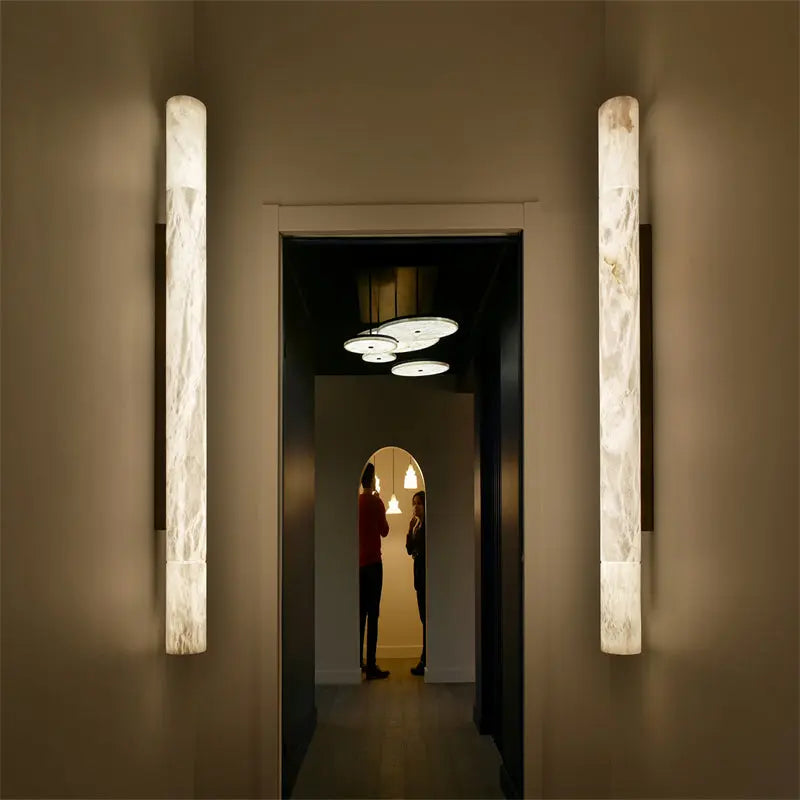
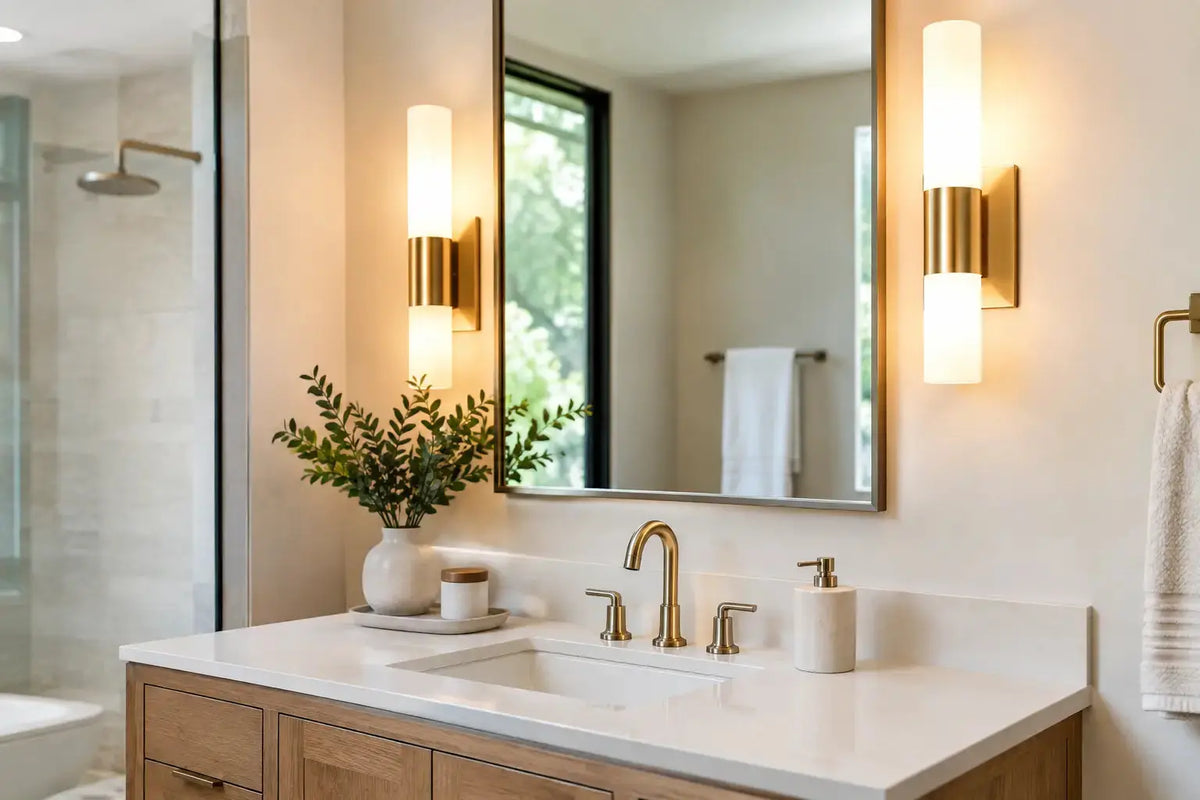
For most bathrooms, a pair of wall lights positioned either side of the mirror is the most flattering and effective arrangement. This brings light across the face from both directions, reducing the deep shadows that a single ceiling fitting can cast. It is an especially elegant solution over a double vanity, where matching fixtures create welcome rhythm and balance.
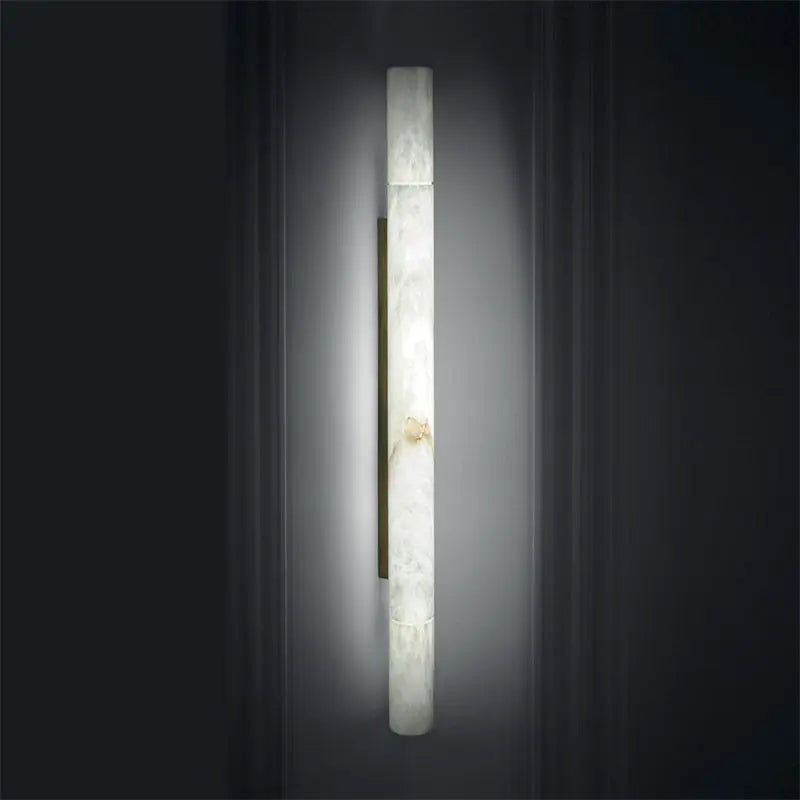
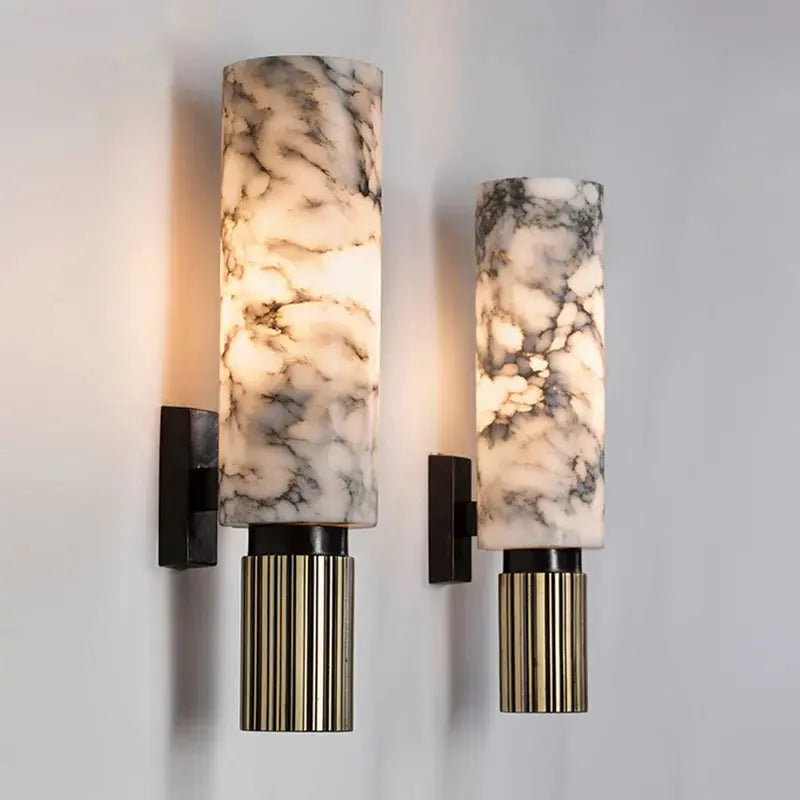
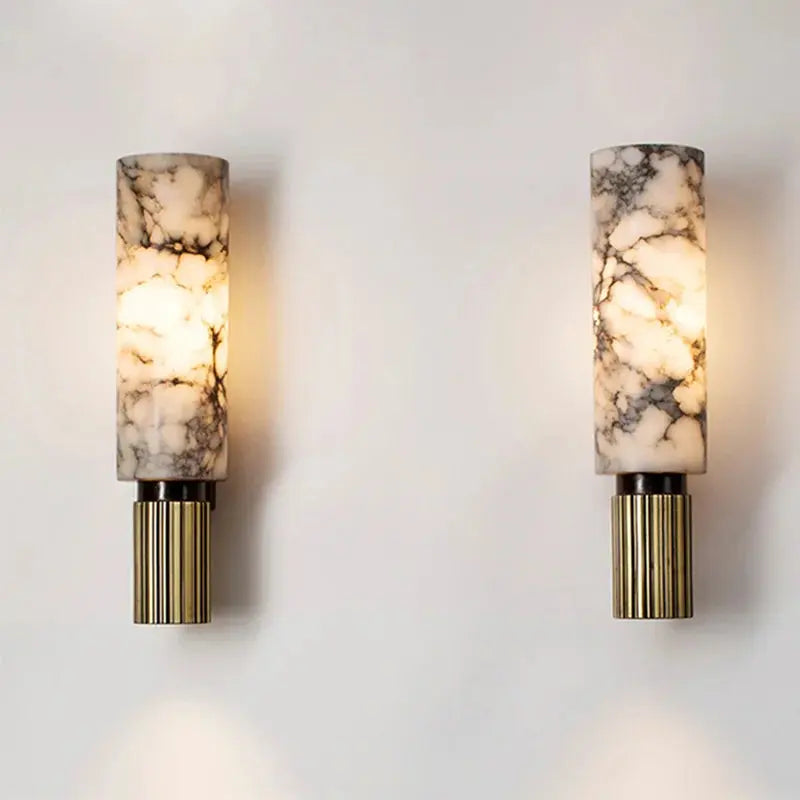
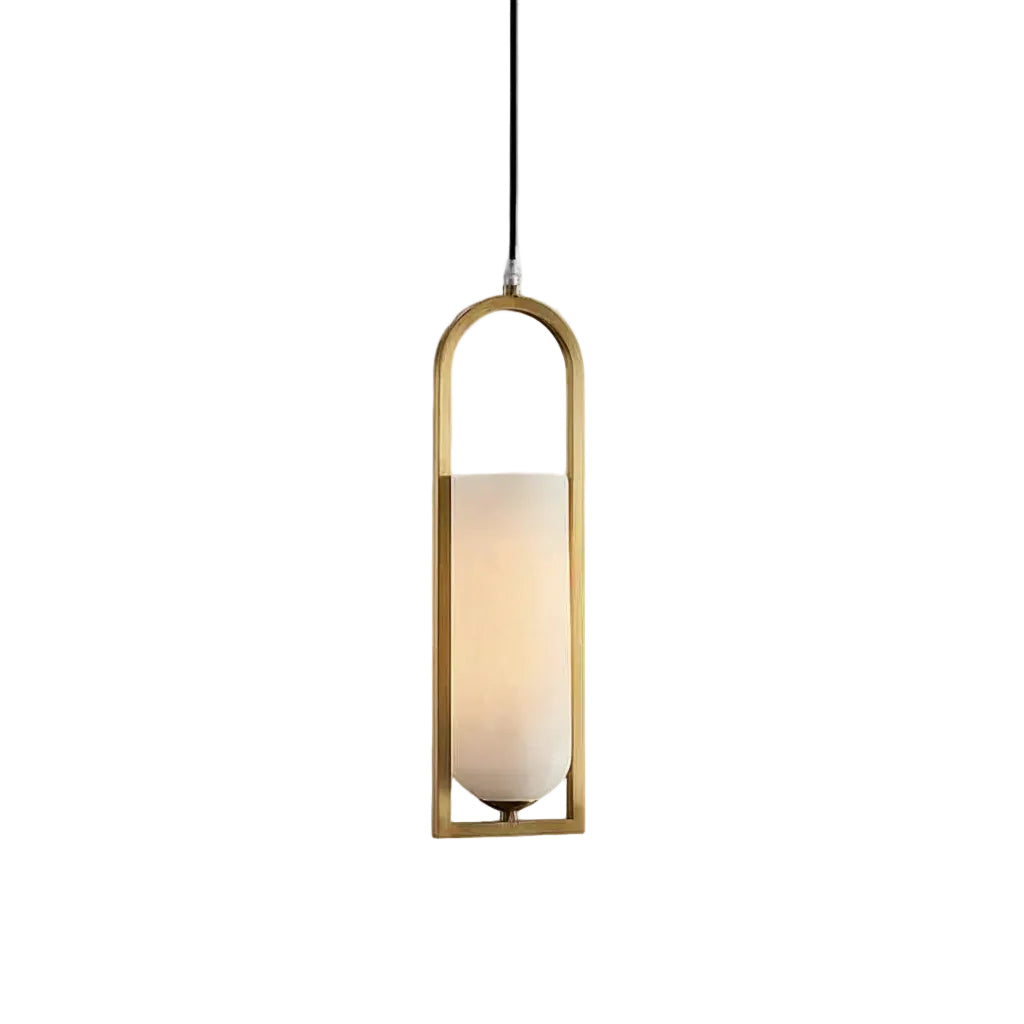
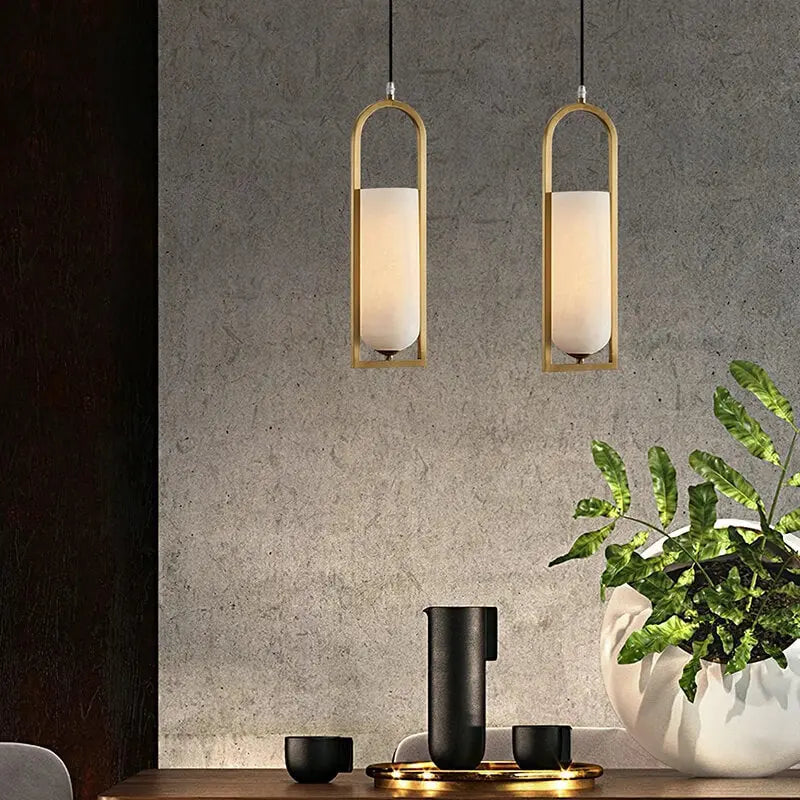
Choose vertical sconces when the mirror is tall or the room has a more tailored, architectural look. Slim opal-glass tubes, reeded glass shades and elongated metal forms frame the mirror with a refined hotel-inspired finish. Vertical fittings also distribute light across the face more evenly than a small spotlight.
A horizontal wall light above the mirror can work beautifully where side space is limited. It is often the natural answer in a narrow bathroom, beneath a sloping ceiling or above a single wide mirror. Look for a fitting that projects light forward and down rather than one that exposes a bare bulb directly overhead. A diffuser in frosted or opal glass helps create a calmer, more forgiving glow.
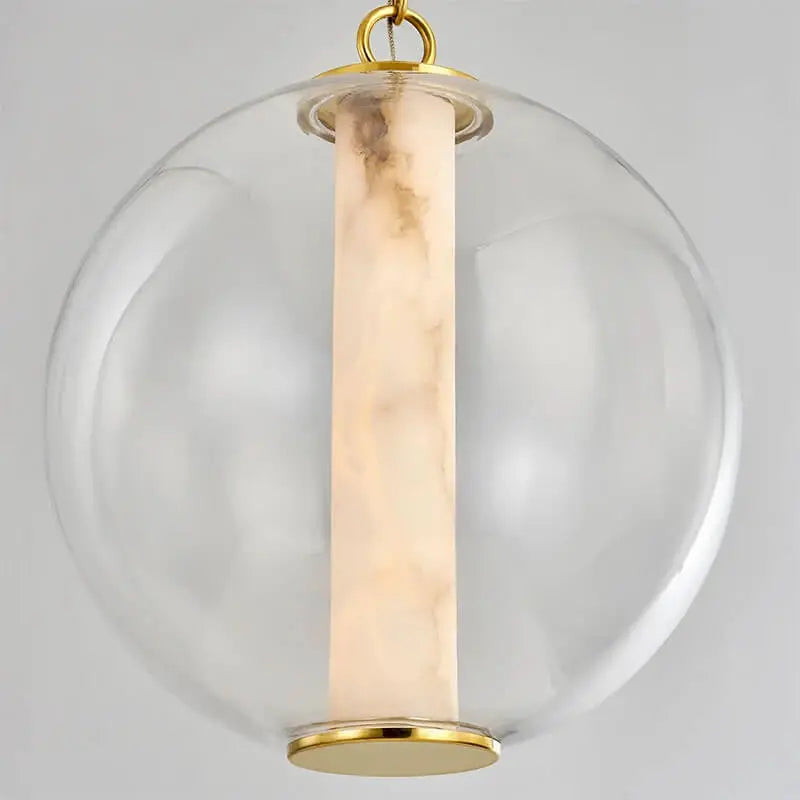
The size of the fitting matters as much as its style. For a single basin, wall lights should feel proportional to the mirror and vanity rather than disappearing into the background. For a double basin, two individual sconces usually look more intentional than one short fitting placed at the centre. If you favour a more dramatic scheme, substantial wall lights in alabaster-effect glass or polished metal can provide a focal point without competing with the room's main finishes.
Choose the right bathroom safety rating first
Bathroom lighting is not simply a style decision. Because water and moisture are present, every wall light must be appropriate for its location. In the UK, bathrooms are divided into electrical zones, and the fixture's IP rating indicates its level of protection against water and dust.
As a useful starting point, a fitting installed close to a basin, bath or shower should generally have at least an IP44 rating, but the required rating changes according to its precise position. Lights within or immediately around the shower or bath area need higher protection. A qualified electrician can confirm the correct zone and specification before installation, particularly in compact bathrooms where boundaries are closer together.
Do not treat an attractive indoor wall sconce as automatically bathroom-safe. Its finish may suit the room, but its construction must also be rated for damp conditions. Purpose-designed bathroom wall lights offer the same decorative freedom - from vintage-inspired lantern forms to sleek contemporary silhouettes - with the reassurance that comes from choosing a fixture intended for the environment.
Select light that looks good on skin and surfaces
A beautiful fitting is only half the story. The quality and colour of its light determine how the room feels at 7am and how accurately you see your complexion, clothing and make-up.
Warm white light around 2700K creates a relaxed, spa-like atmosphere and complements brass, warm stone, timber and creamy tiles. For a bathroom used regularly for grooming, 3000K is often the more versatile choice. It remains inviting but offers a little more crispness around the mirror. Cooler light can appear stark against pale porcelain and polished chrome, although it may suit an intentionally minimal scheme with very bright task lighting.
Pay attention to colour rendering too. A high CRI, ideally 90 or above, helps skin tones, paint colours and finishes appear more natural. This detail is easy to overlook when shopping by appearance alone, yet it makes a noticeable difference in a room where you use a mirror every day.
Layering creates the most luxurious result. Wall lights at the mirror provide task lighting, a ceiling fixture supplies overall illumination, and a low-level light near a vanity or under a cabinet can make night-time visits more comfortable. These layers should be controlled independently where possible. Bright, clear light is useful in the morning; a dimmed wall-light glow is far more appealing for an evening bath.
Match the fixture to your bathroom style
The best bathroom wall lights feel connected to the wider interior rather than selected in isolation. Start with the dominant finishes already in the room: tapware, mirror frame, handles, tiles and vanity material. Matching every metal exactly is not essential, but the finishes should look deliberately paired.
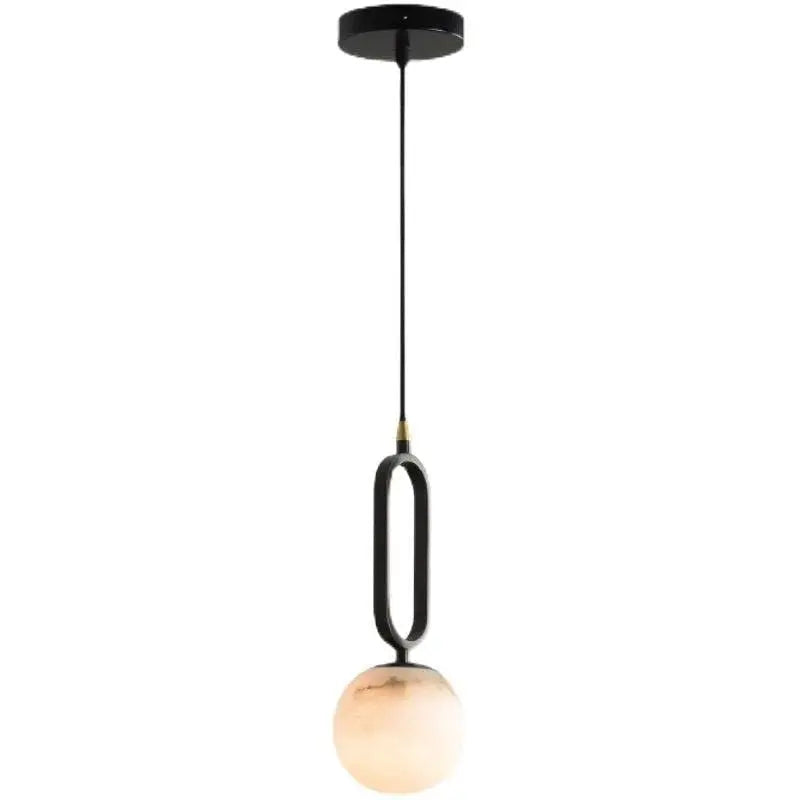
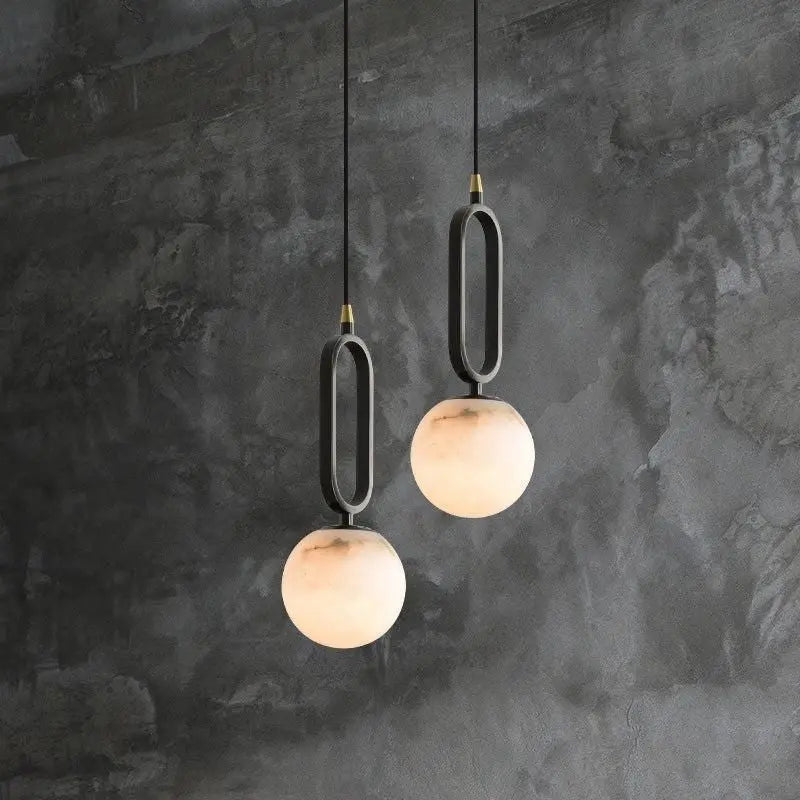
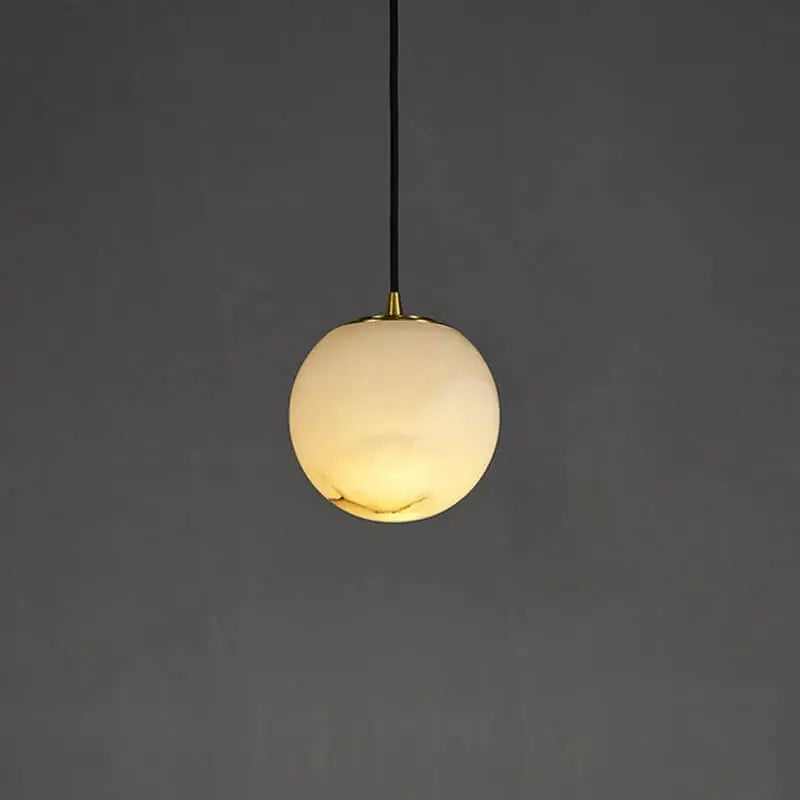
For a timeless bathroom, aged brass wall lights with opal globes or fluted glass are a natural companion to marble, shaker cabinetry and classic framed mirrors. Brass adds warmth without becoming overly formal, especially when the silhouette is clean and restrained. Polished nickel offers a similarly traditional elegance with a slightly cooler, brighter character.
Modern schemes benefit from simplified forms. Matte black wall lights create contrast against white tile and pale plaster, while brushed brass lends warmth to contemporary oak vanities and travertine surfaces. A slim cylindrical sconce or understated globe fitting can make a minimal bathroom feel polished rather than sparse.
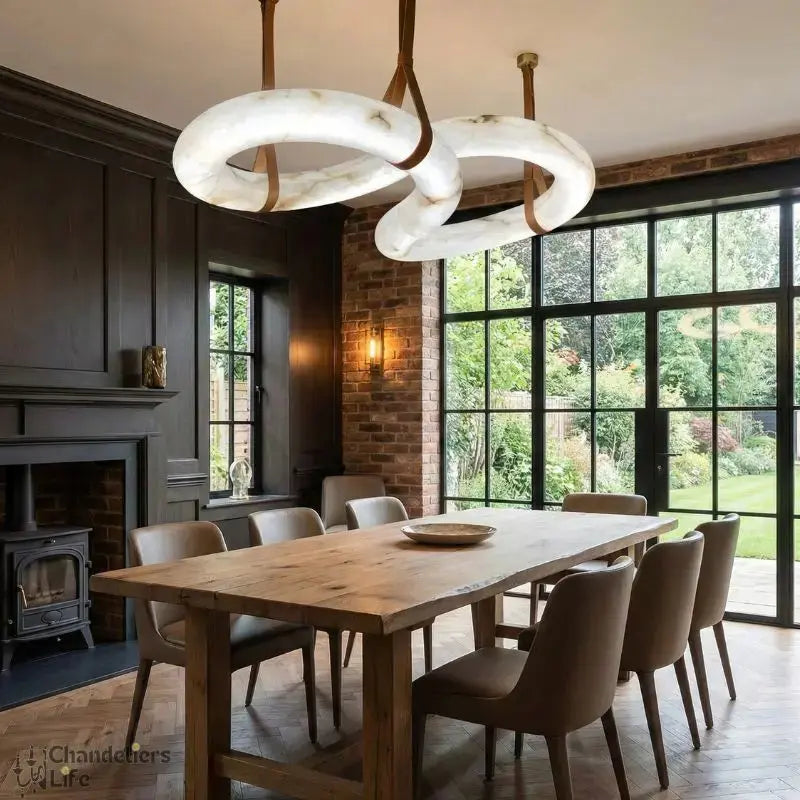
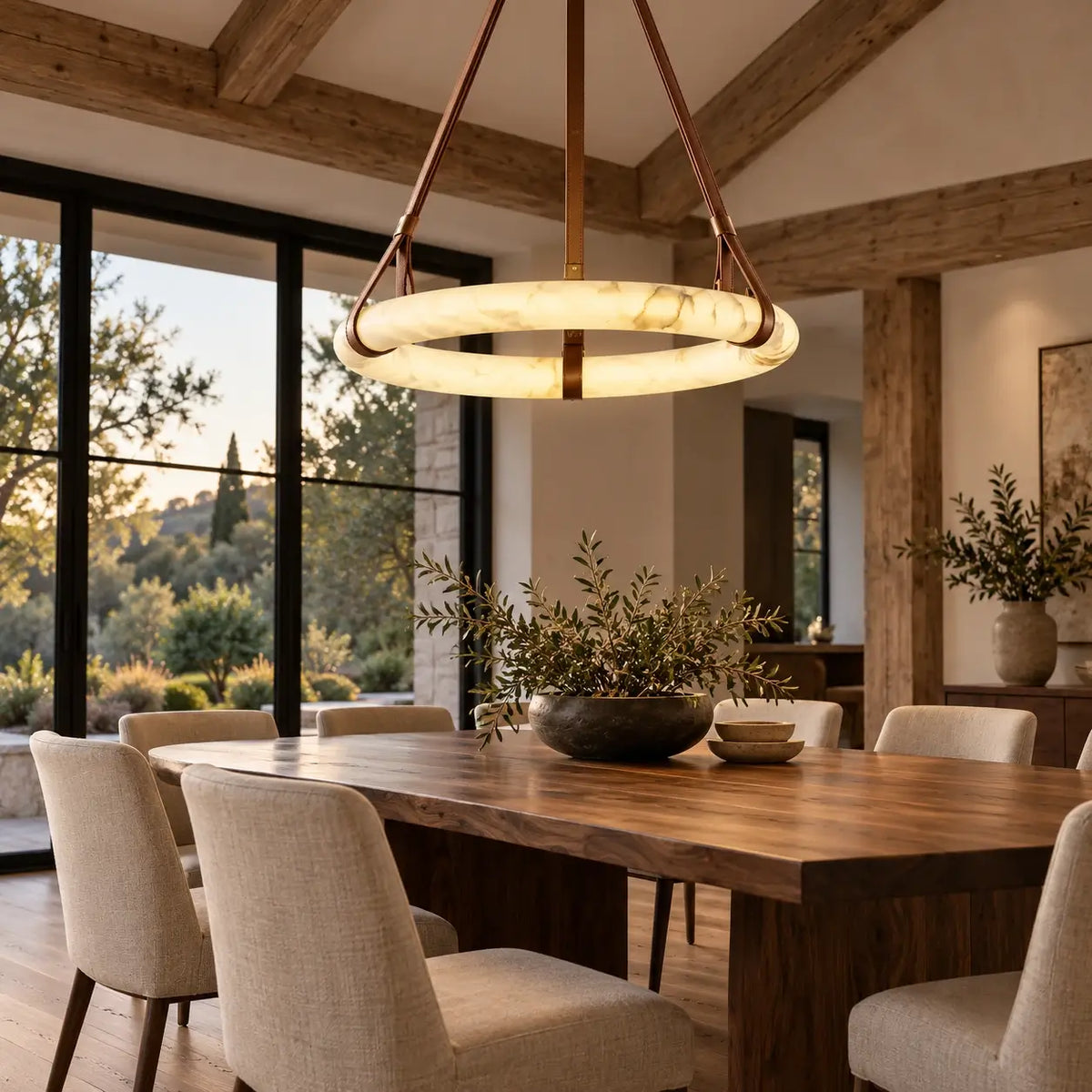
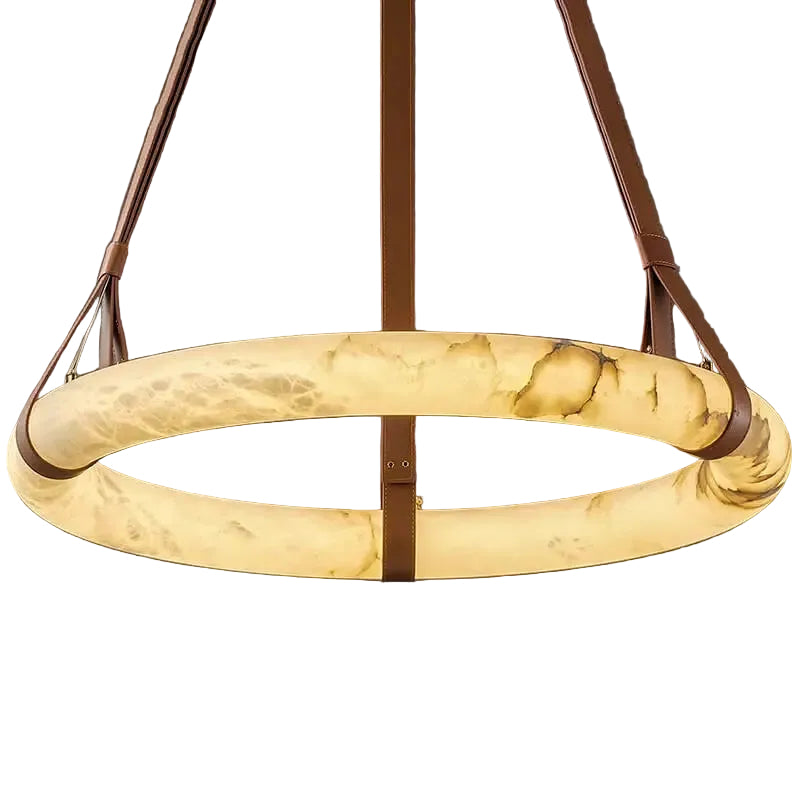
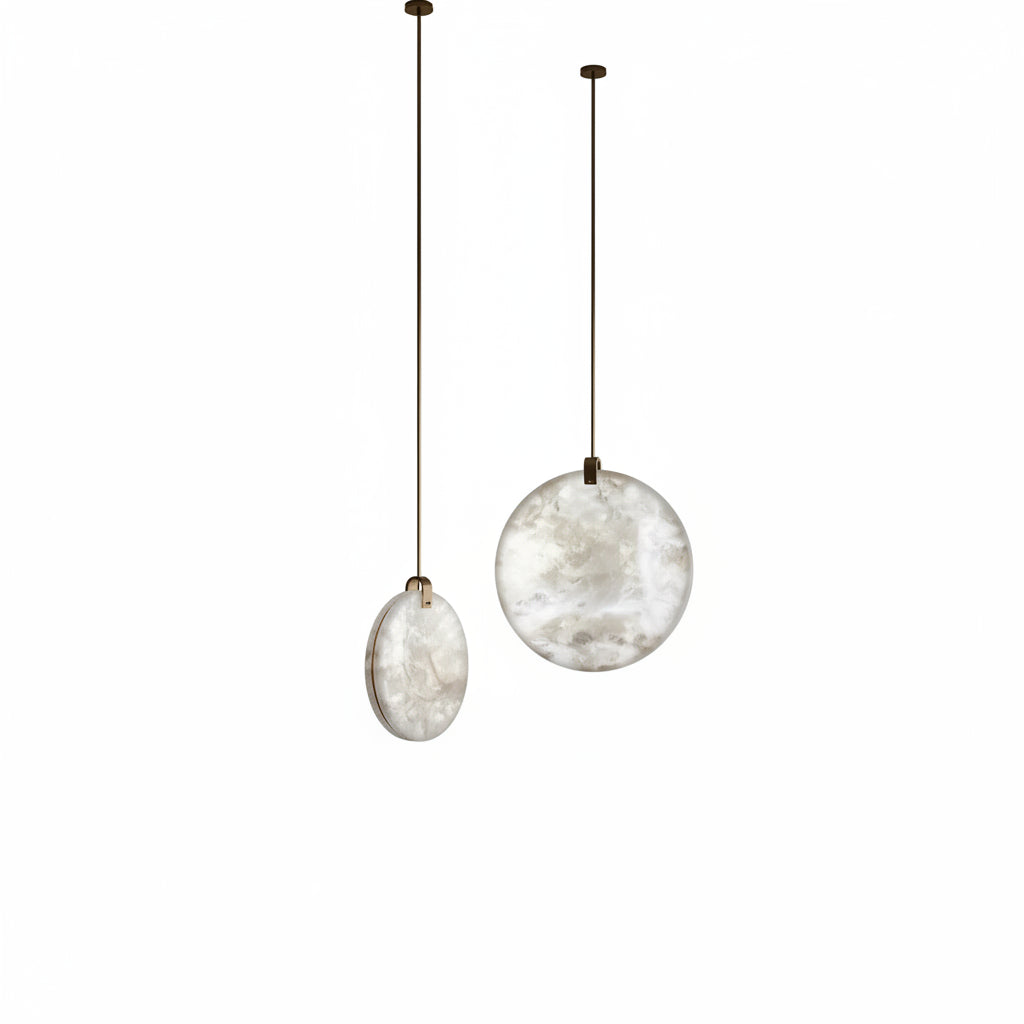
If the room calls for more visual drama, consider faceted glass, crystal-inspired detailing or a sculptural alabaster-style shade. These finishes catch and diffuse light beautifully, adding depth to a bathroom that might otherwise be dominated by hard, reflective surfaces. The trade-off is scale: statement wall lights need breathing room. In a small en-suite, an elaborate fixture can feel crowded beside a busy patterned tile or an oversized mirror.
Get height, spacing and scale right
Even the finest fixture will underperform if it is installed too high. As a broad guide, wall lights beside a mirror are often placed with their centres around eye level, typically between 150 and 170 cm from the floor. The ideal height depends on the household, the mirror proportions and the fitting itself. A tall vertical sconce may extend above and below this point while still looking balanced.
For side-mounted lights, leave enough clearance between the edge of the mirror and the fixture so the composition feels intentional. Around 75 to 90 cm apart is a common starting point for a single mirror arrangement, though a wide vanity may call for a broader spread. The goal is to light the face evenly without creating glare in the glass.
Think about projection as well as height. A deep, decorative wall light can obstruct a narrow passage beside a vanity or feel cumbersome near a cabinet door. Conversely, a very flat fitting may not provide enough forward throw for mirror tasks. Check the fixture's dimensions against the room plan before committing, especially in a compact bathroom where every centimetre has visual and practical value.
A considered finish is worth the extra attention
Bathrooms demand more from their fittings than a dry hallway or bedroom. Steam, splash marks and daily cleaning all affect the look of metal and glass. Select finishes that suit your appetite for upkeep. Polished chrome remains bright and versatile but shows water spots quickly; brushed nickel and brushed brass are generally more forgiving. Clear glass gives a crisp, jewel-like look, while opal glass is kinder to both glare and fingerprints.
Also consider bulb access and maintenance. Integrated LED wall lights often offer a sleek profile and long working life, but a replaceable-bulb fitting may be the better choice if you want flexibility over colour temperature or future servicing. Neither approach is universally better - it depends on whether you prioritise a streamlined design or long-term adaptability.
A bathroom wall light earns its place when it makes the mirror more useful and the room more inviting. Choose one with the right safety rating, a flattering light quality and a finish that belongs with the rest of your home, then let its glow turn an everyday routine into a more considered moment.