
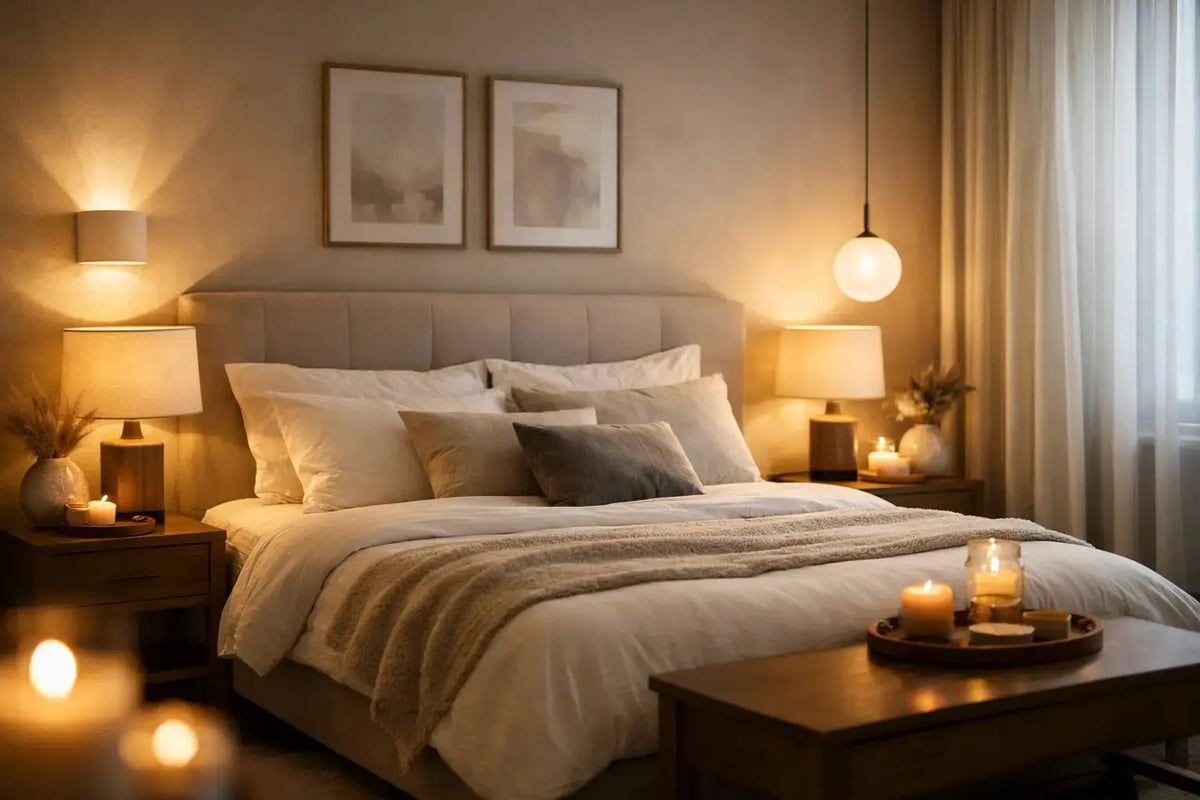
The moment you switch on the light should set the mood for the room: calm at the end of a long day, polished when guests see it, and practical when you are getting ready. This bedroom lighting guide is designed around that balance. A beautiful bedroom is rarely lit by one ceiling fitting alone. It uses layers of light that flatter the furnishings, support everyday routines and give the space a quietly luxurious character.
Start with the room’s purpose, not the fixture
Bedrooms work harder than they first appear. They are places to sleep, read, dress, unwind, apply make-up, fold laundry and, in many homes, take a video call. A single bright overhead light can handle none of those moments particularly well. It tends to create sharp shadows, leave corners flat and make a carefully chosen scheme feel more functional than considered.
Instead, plan for three roles: ambient lighting for overall visibility, task lighting where precision matters, and accent lighting for atmosphere. The most successful schemes let you use each layer independently. You may want the ceiling light and wardrobe lighting while dressing, bedside lamps only for reading, or a low glow from wall lights before sleep.
This approach also protects the room’s sense of sanctuary. Bright, cool light has its place when selecting clothes or cleaning, but it is not the mood most people want while settling down. Layering allows the bedroom to feel useful by day and softer after dark without compromising either purpose.
Bedroom lighting guide: build the ambient layer
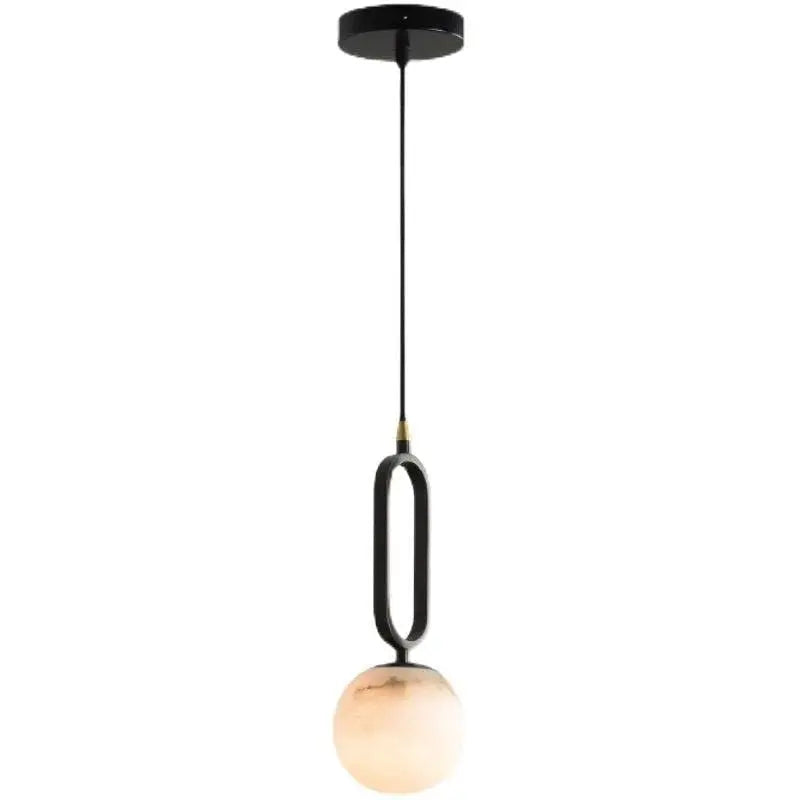
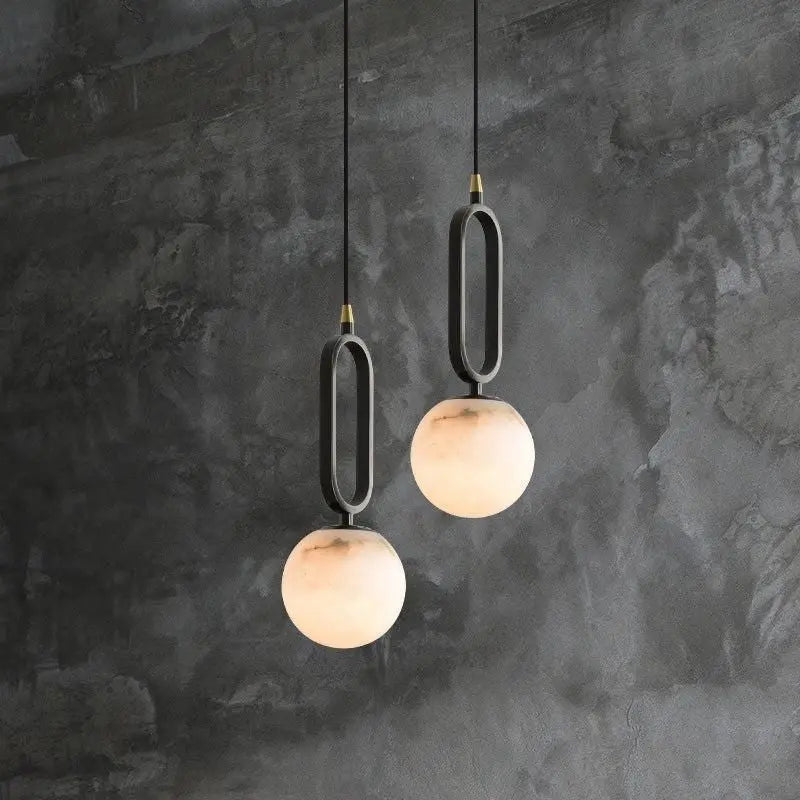
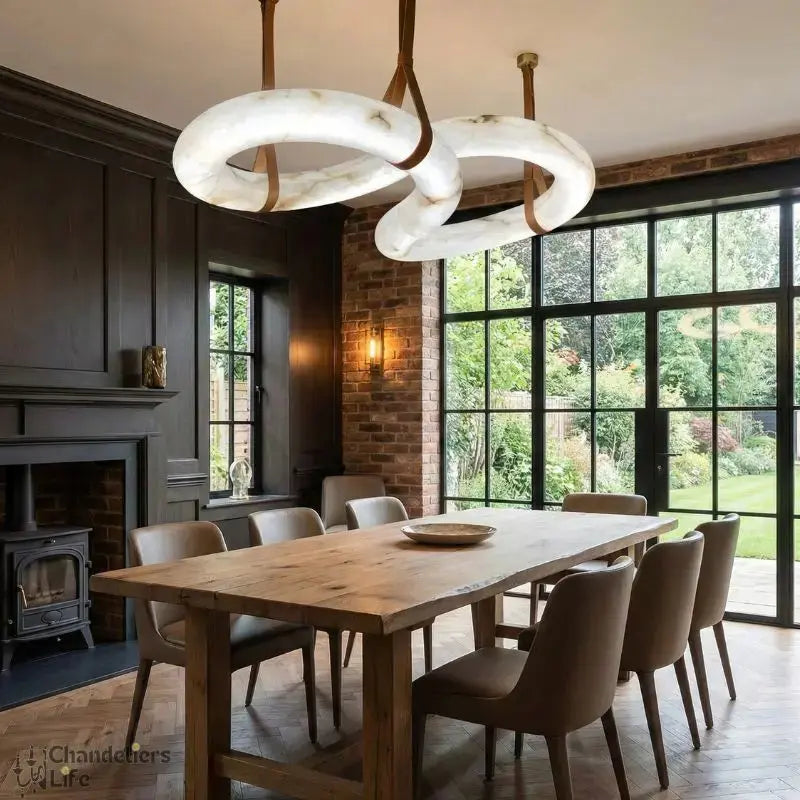
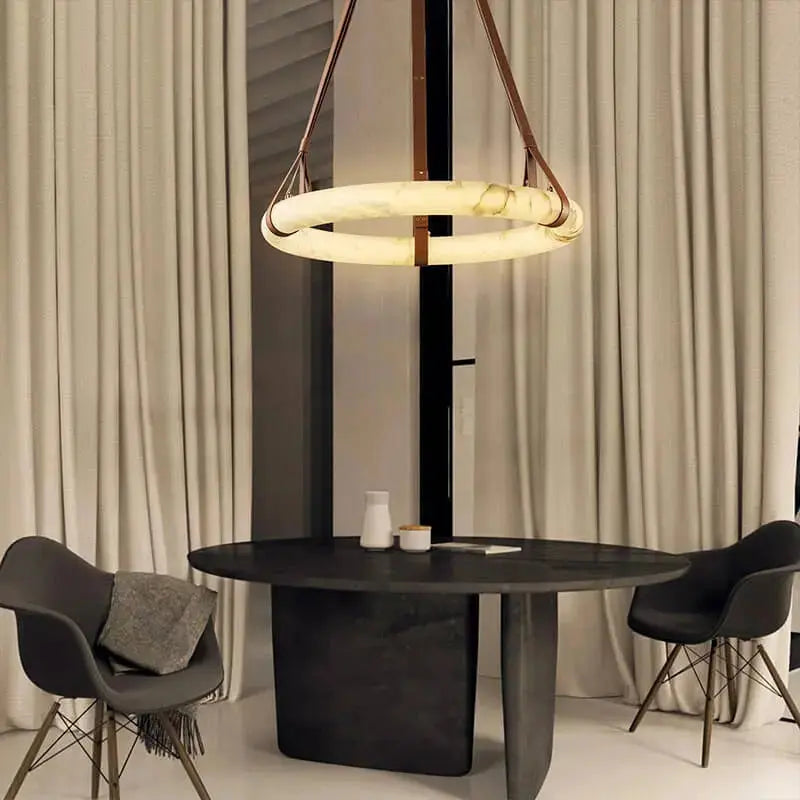
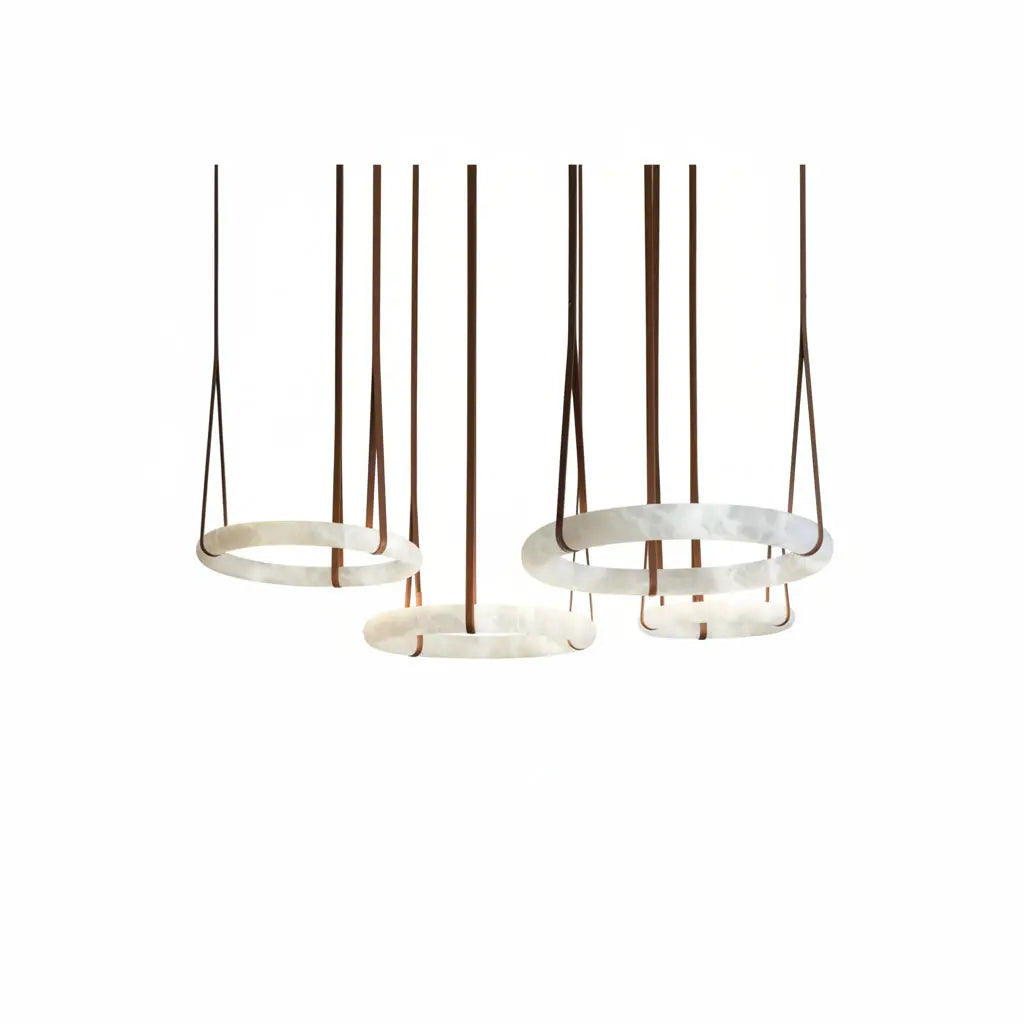
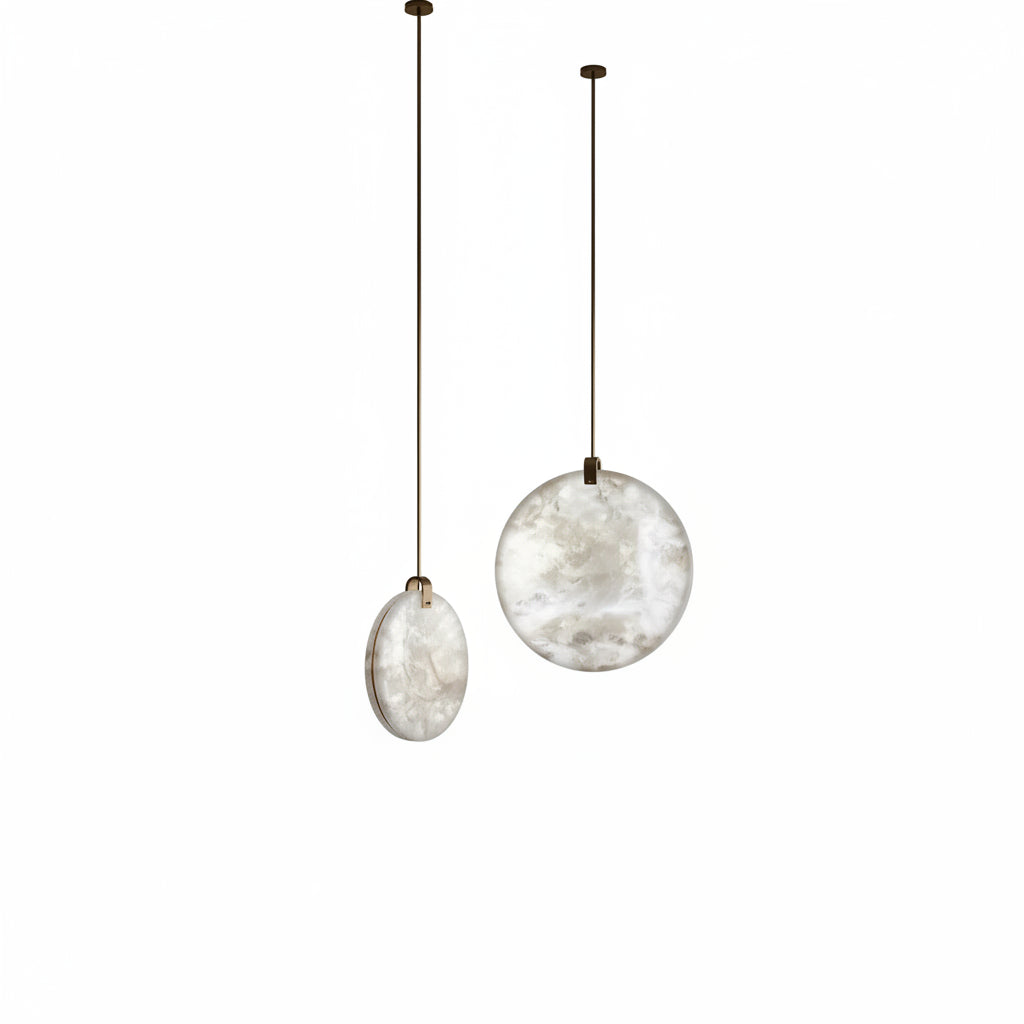
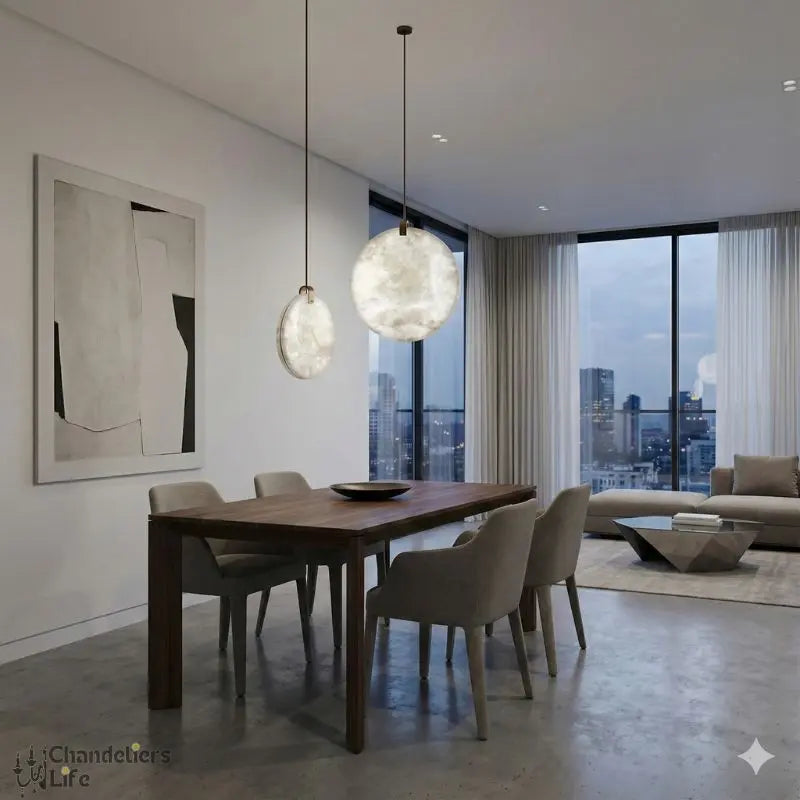
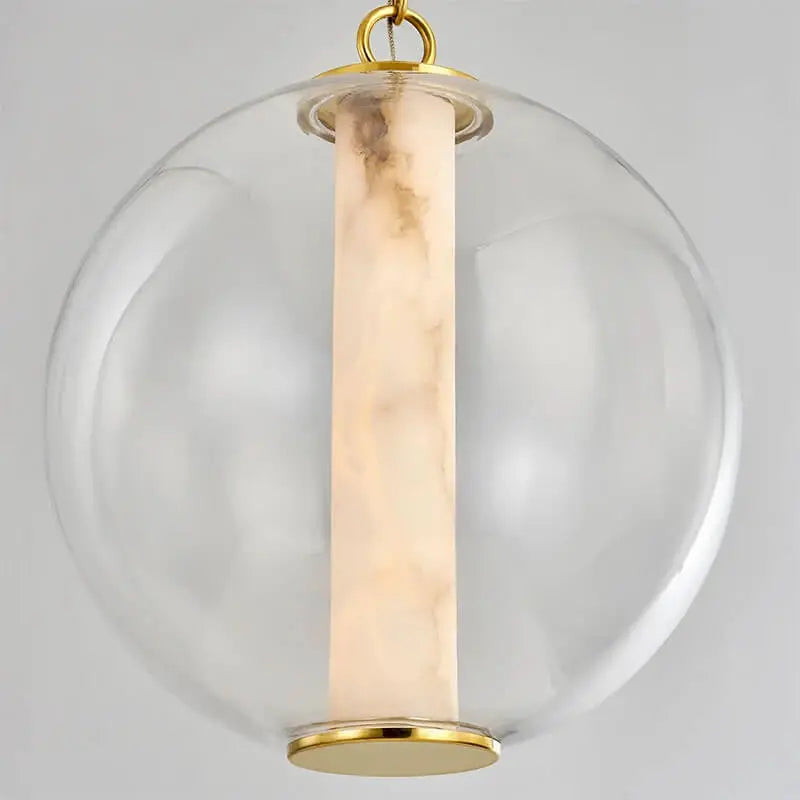
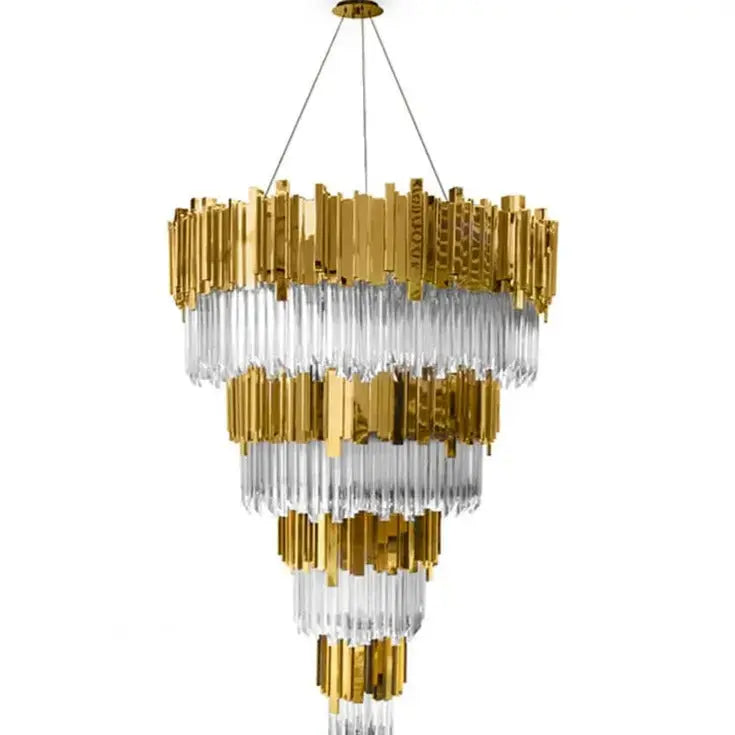
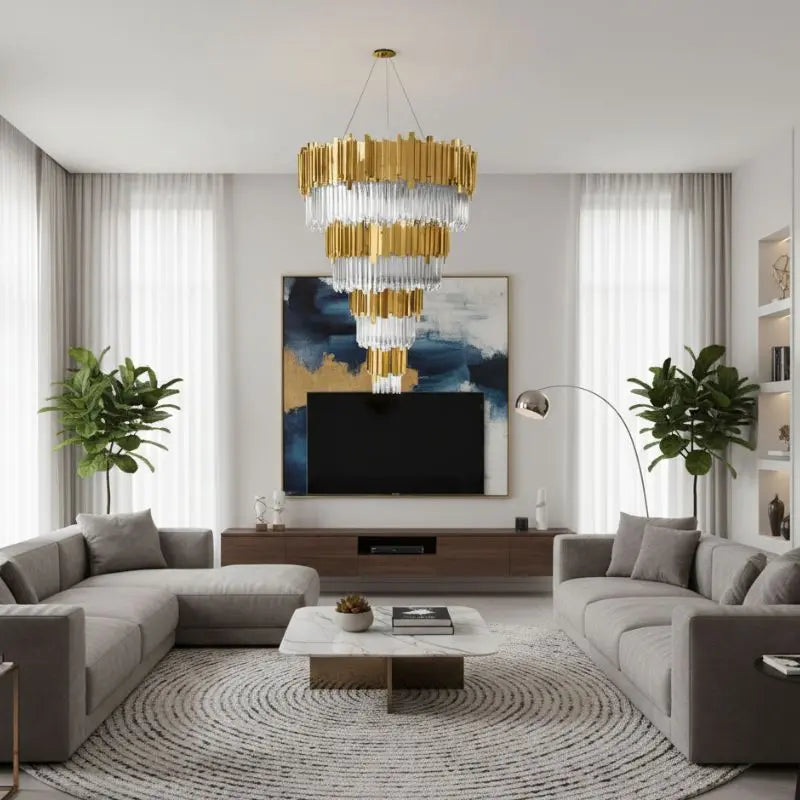
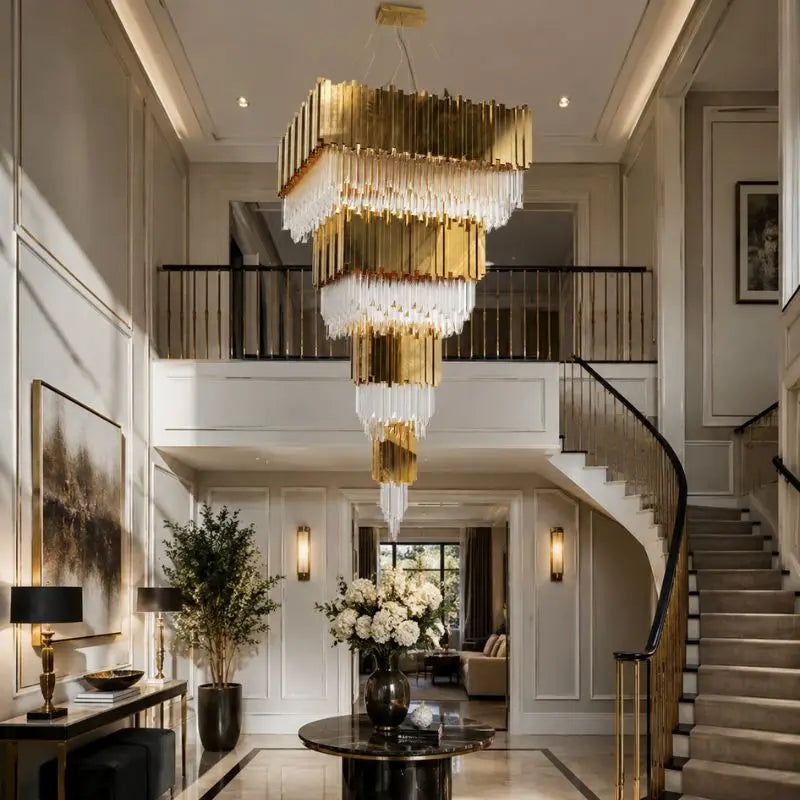
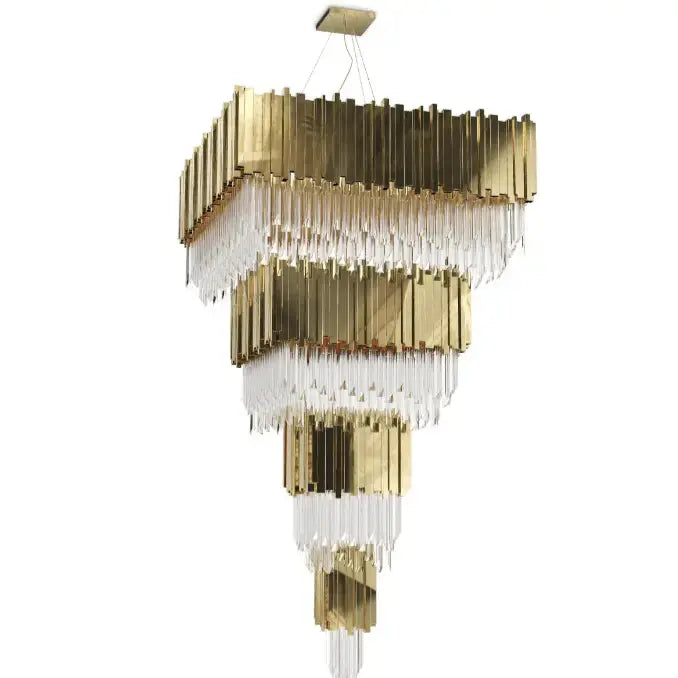
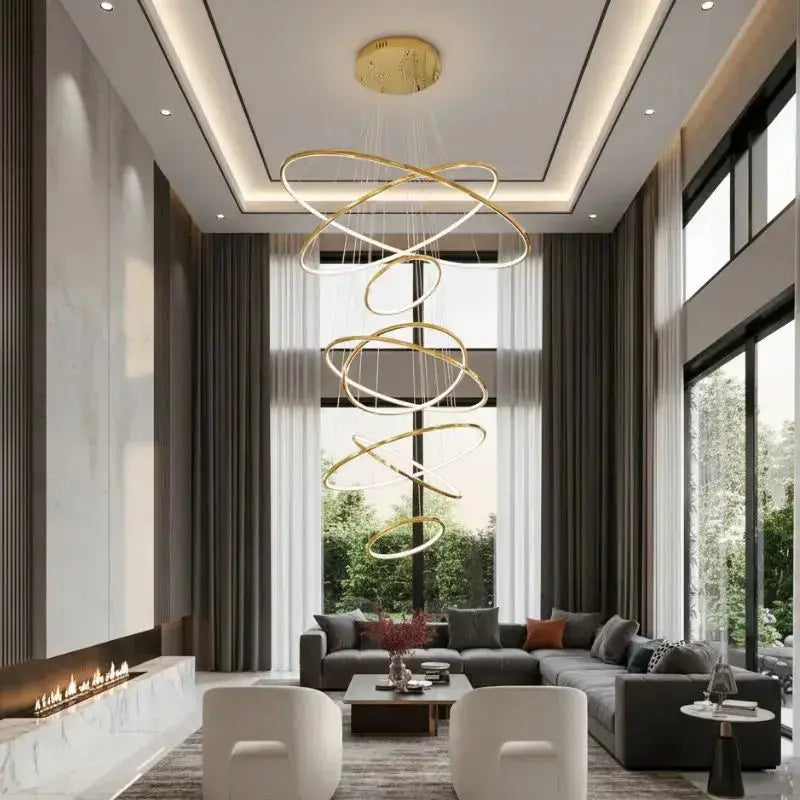
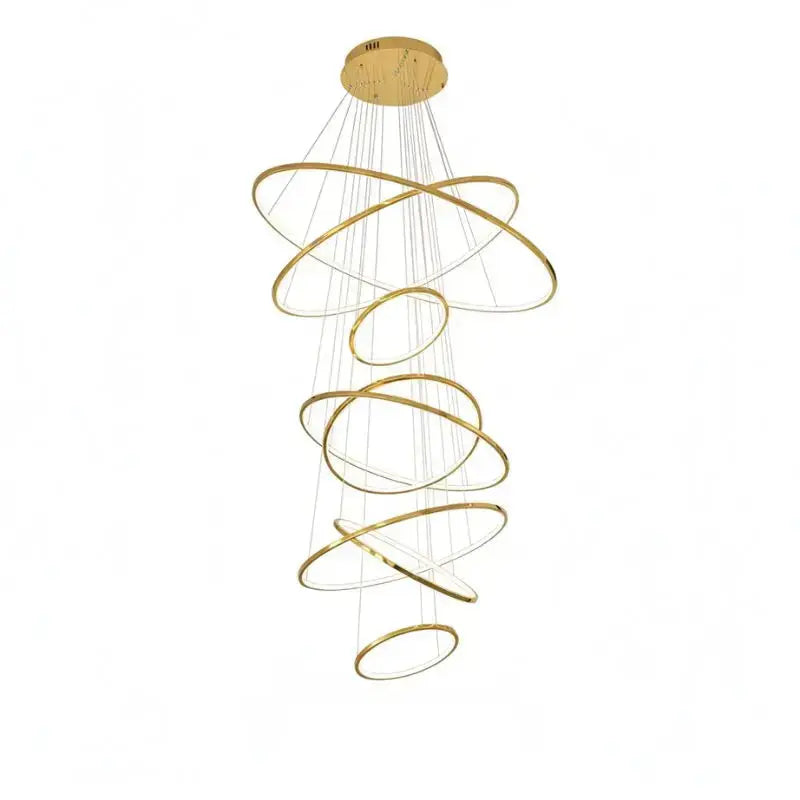
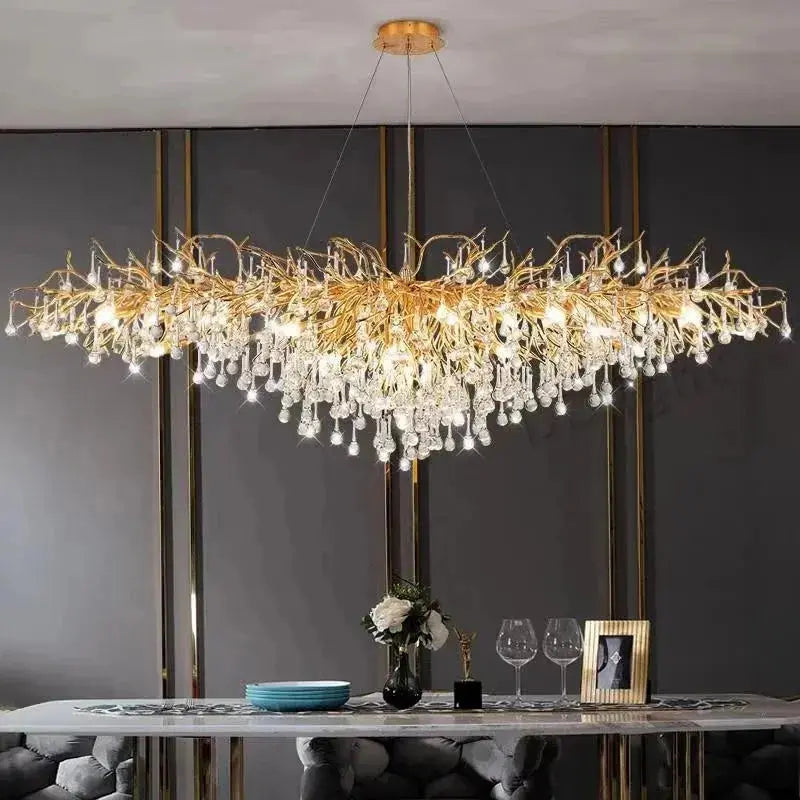
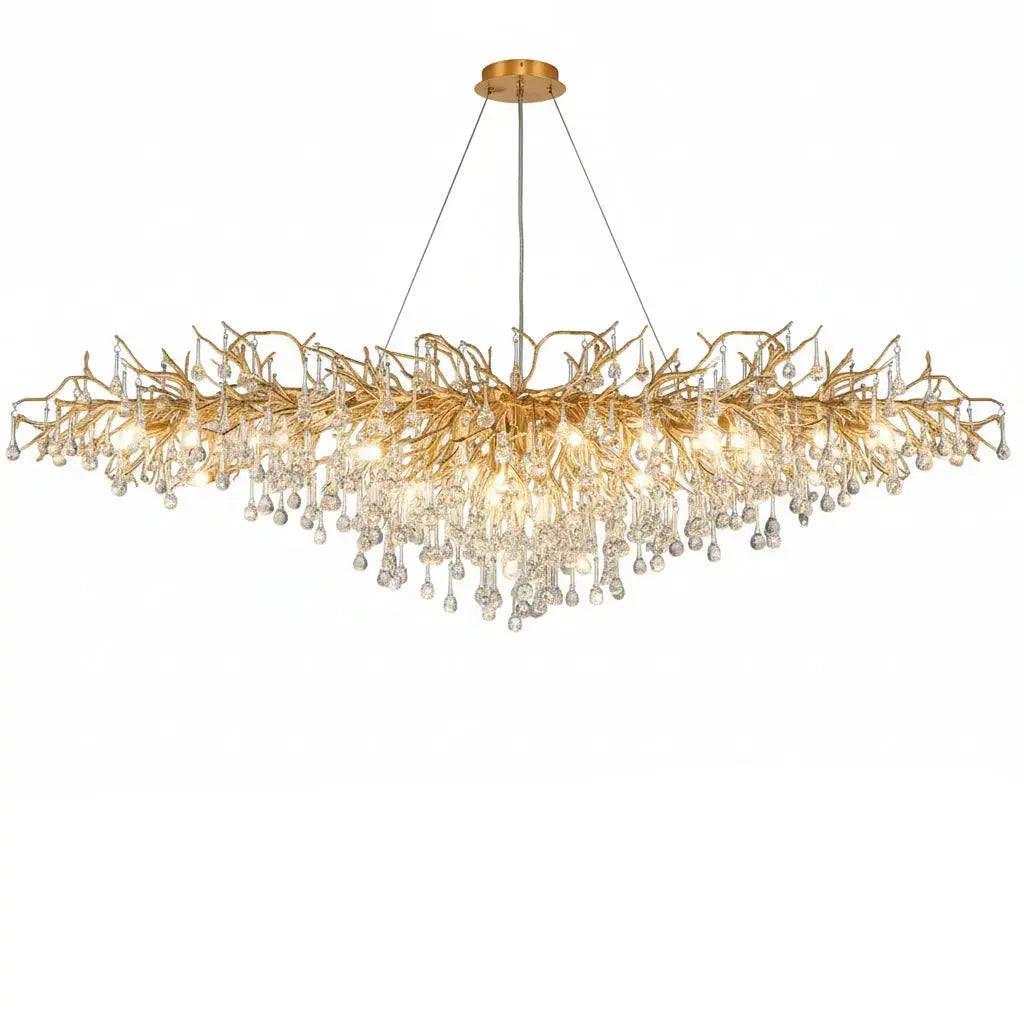
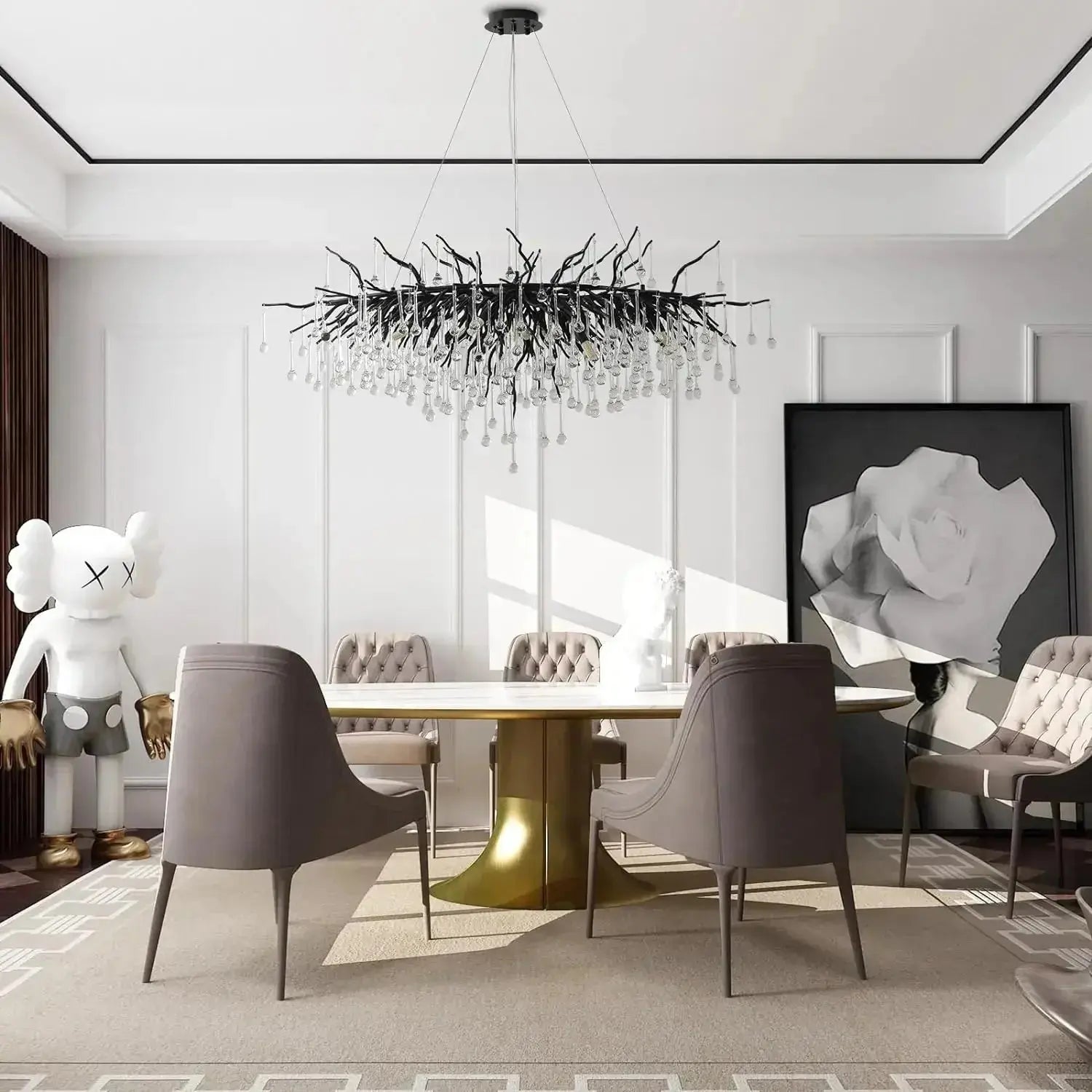
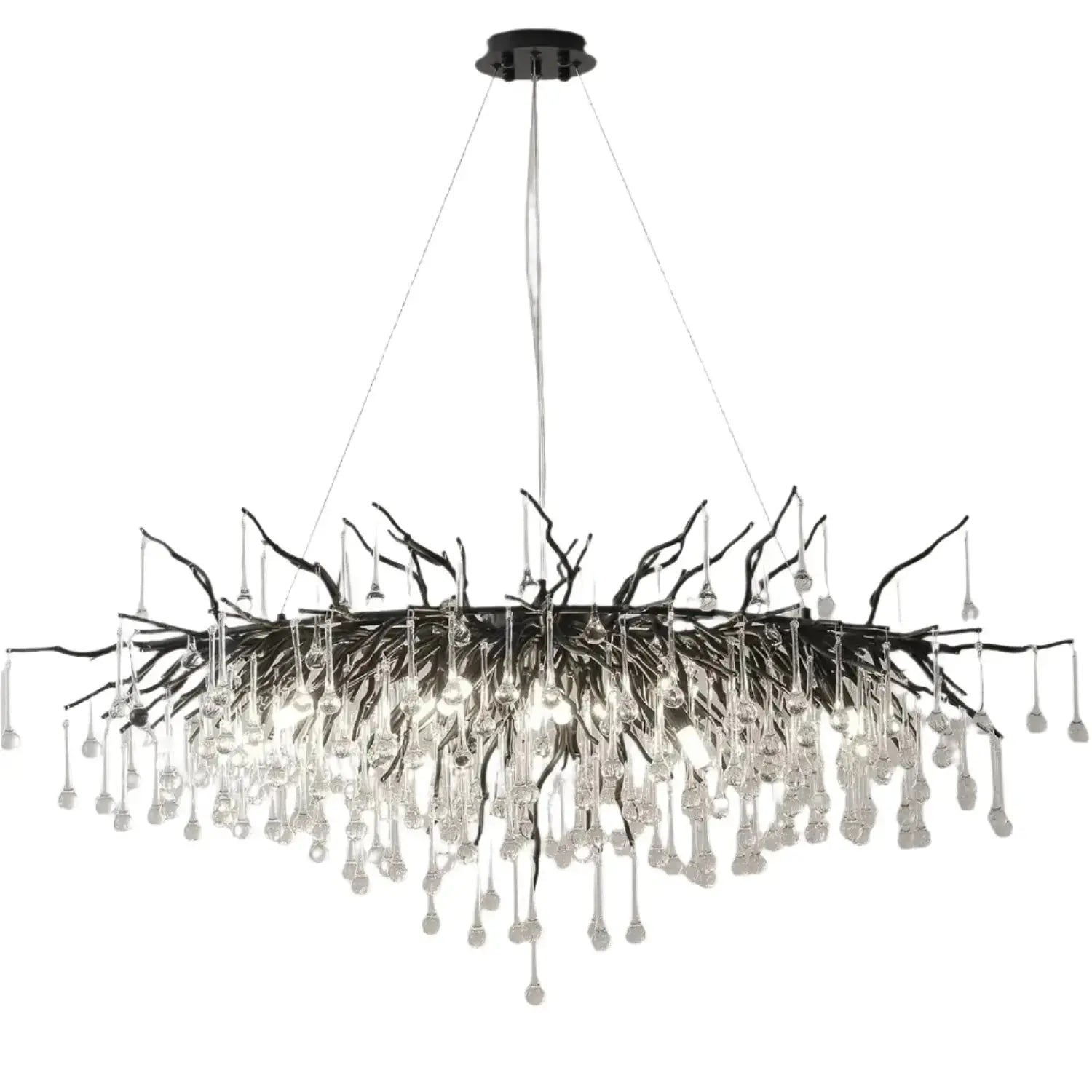
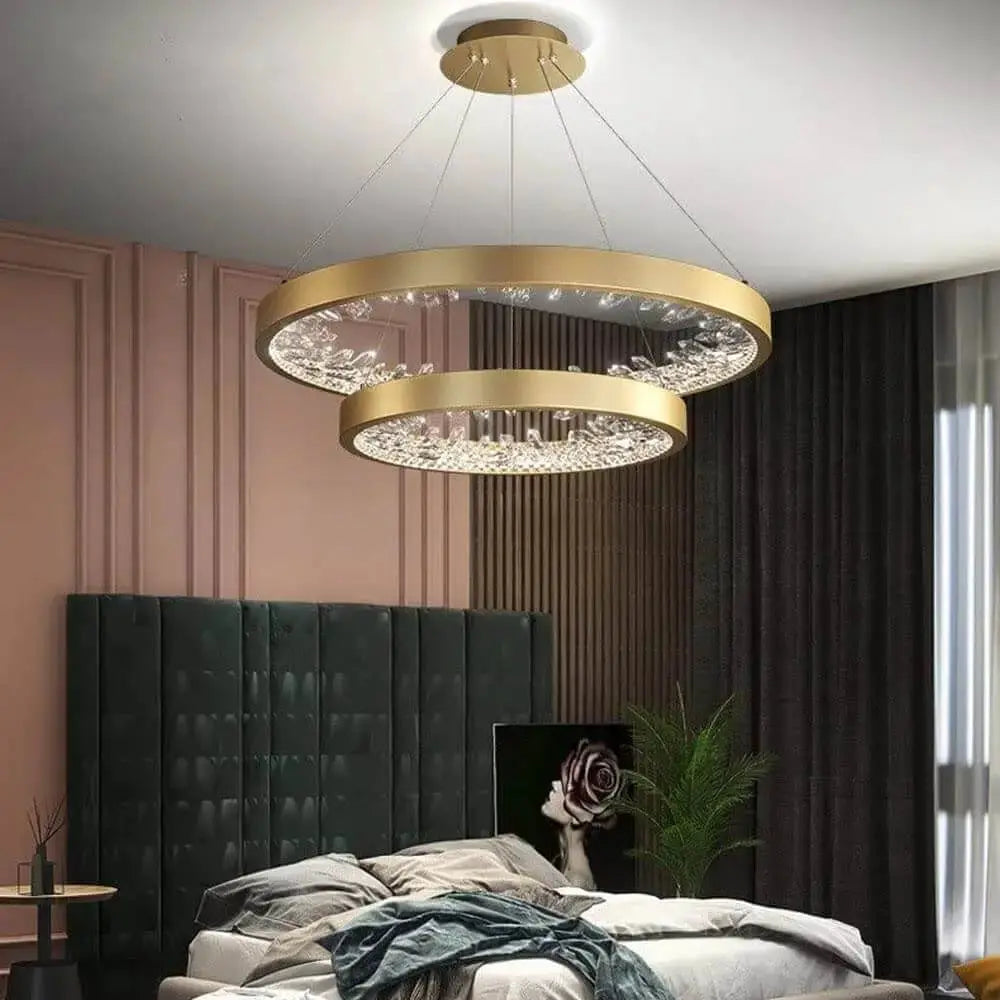
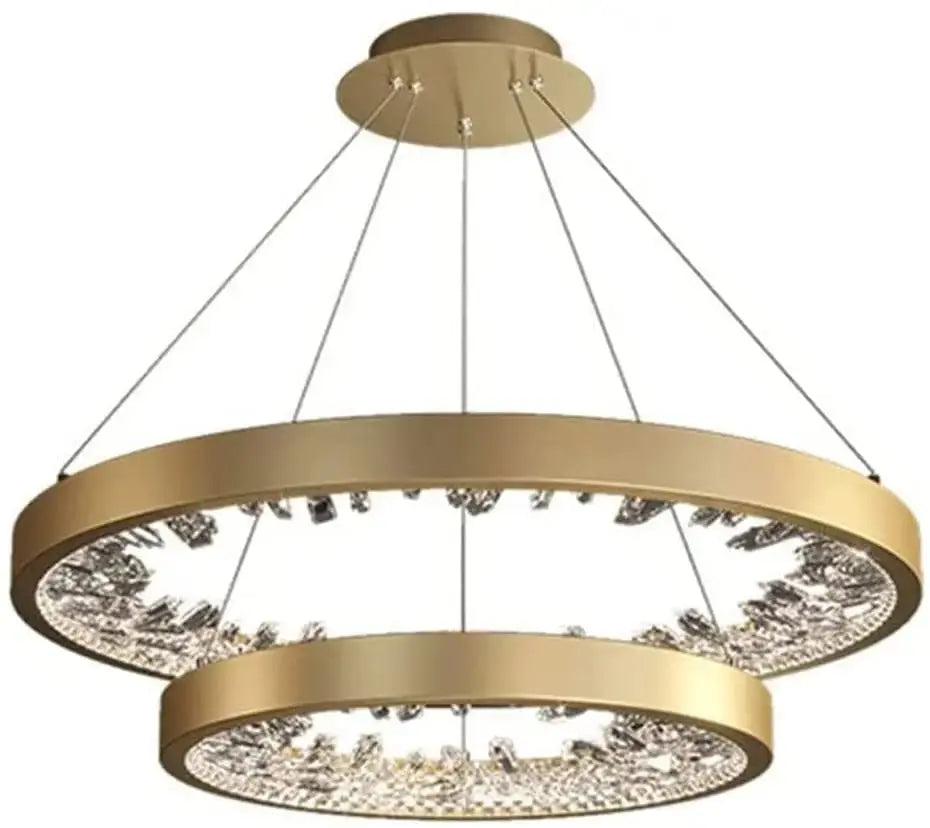
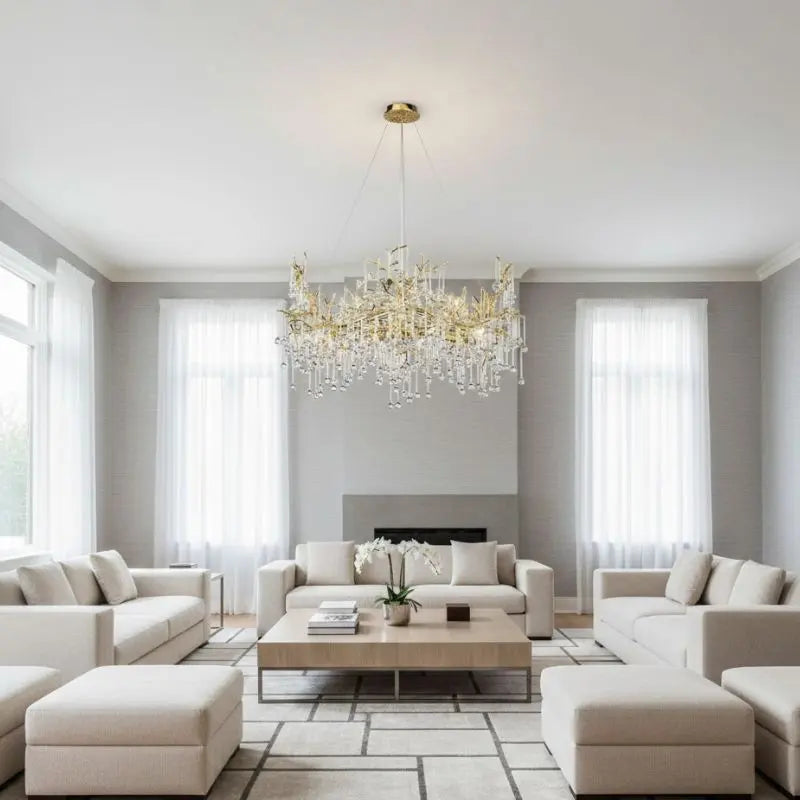
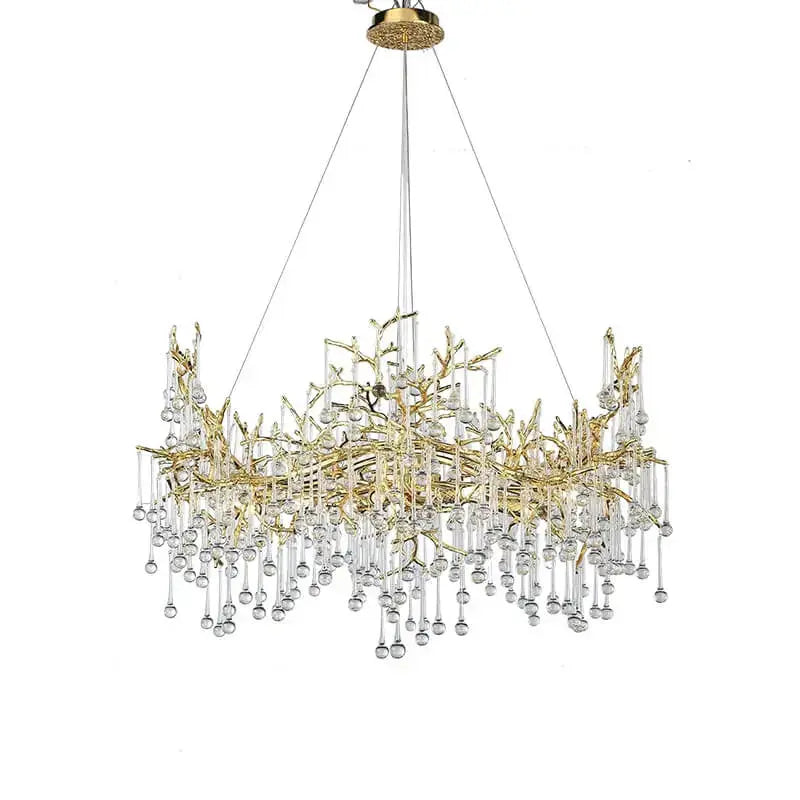
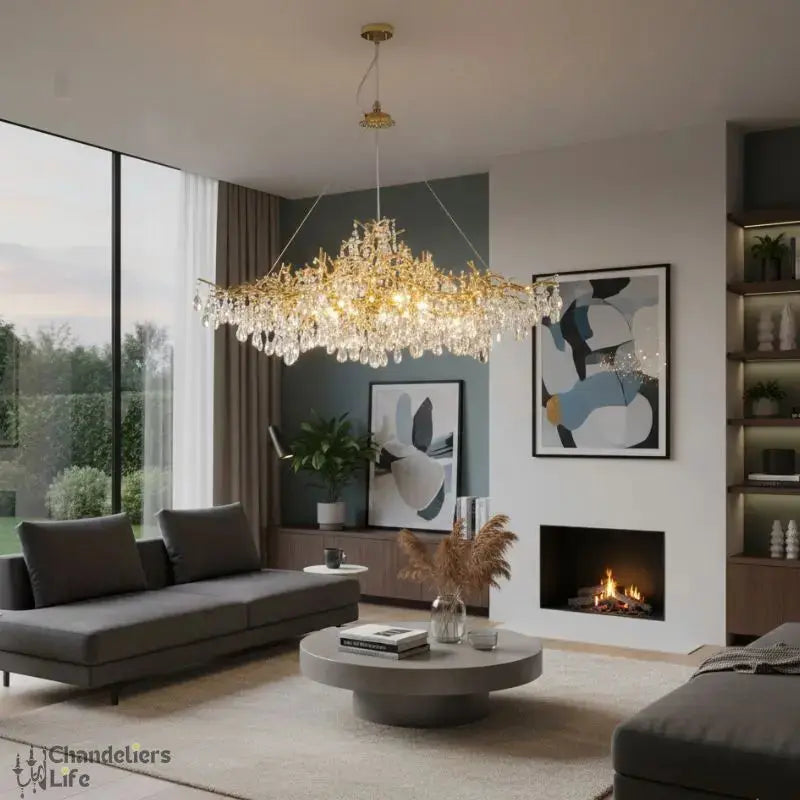
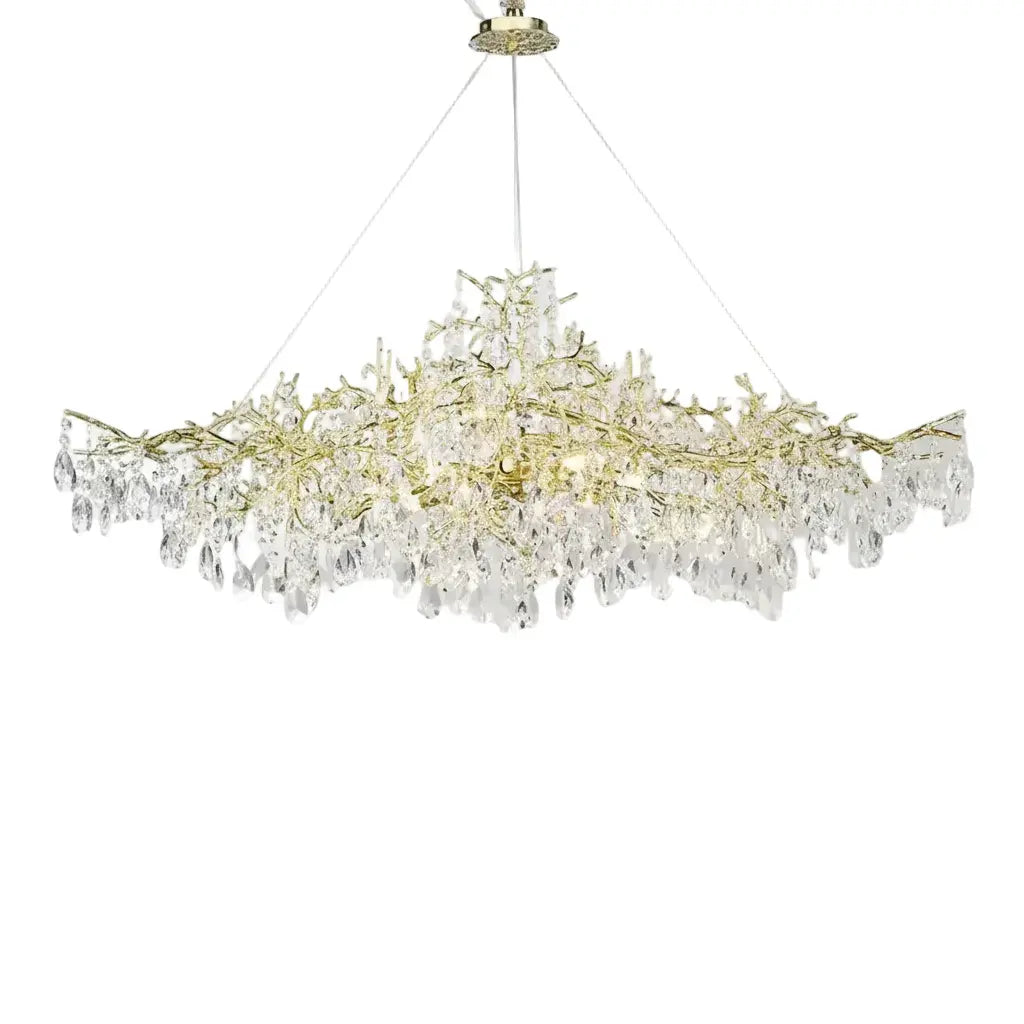
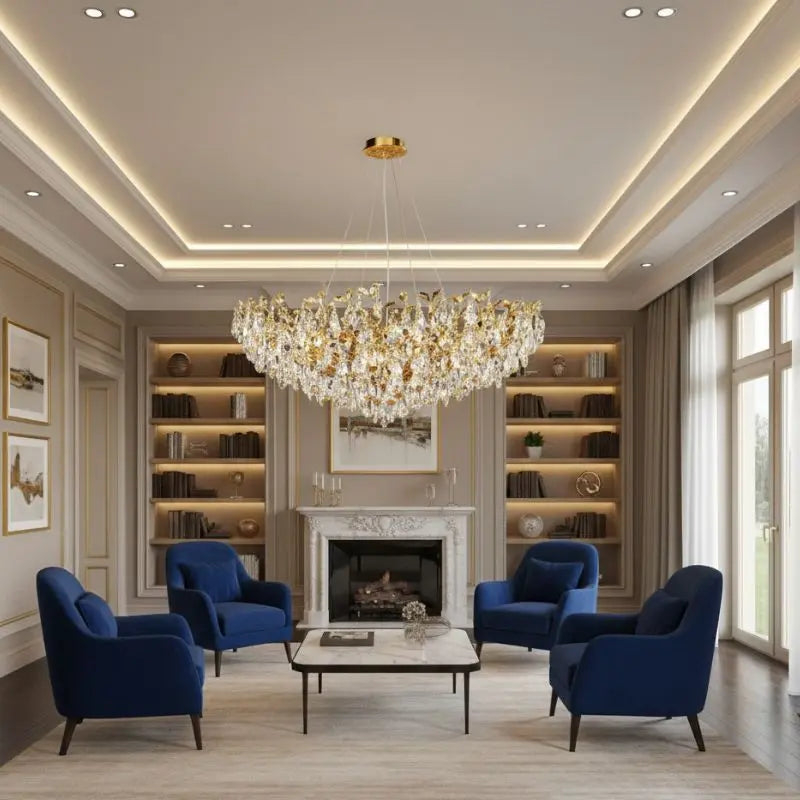
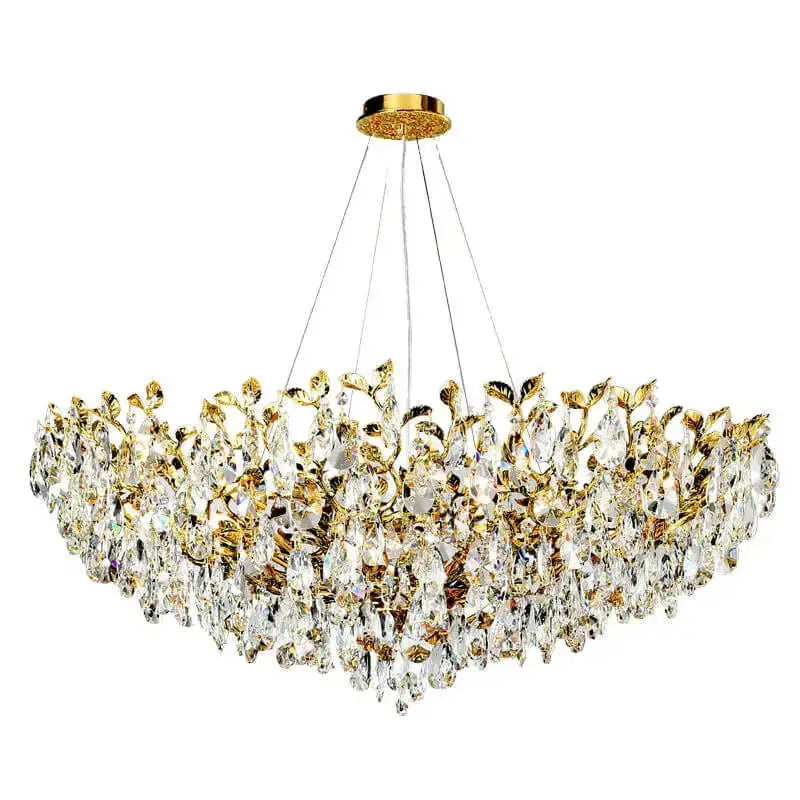
Ambient light is the foundation of the room. It gives you a comfortable level of illumination for moving around safely and seeing the room as a whole. In a bedroom with a generous ceiling height, a chandelier can create an exquisite focal point while casting light across the space. Crystal designs bring a sense of occasion and sparkle, while sculptural metal, glass or alabaster styles offer a more contemporary expression of luxury.
Scale matters more than drama alone. A compact room may be overwhelmed by a large multi-tier chandelier, particularly above a bed with a tall headboard. In that setting, a refined semi-flush ceiling fixture or a small pendant can still provide decorative impact without crowding the sightline. For a large principal bedroom, a more substantial fitting can visually anchor the bed and make the ceiling feel intentionally dressed.
Position is equally important. A central fitting is usually the most straightforward choice, but it does not have to sit directly over the bed. Where possible, centre it within the room or align it with the main circulation area. A fixture above the middle of the bed can look striking, but ensure there is adequate clearance and that its light does not feel intrusive when lying down.
For most bedrooms, warm white light is the most inviting choice. Look for bulbs around 2700K, which produce a soft, golden-toned glow that suits timber, textiles, muted paint colours and layered bedding. If your bedroom doubles as a dressing room, 3000K can offer a slightly crisper result. Very cool bulbs can make skin tones appear harsh and undermine the warmth of an otherwise elegant interior.
Give the bed its own considered light
Bedside lighting is where comfort and design meet. A table lamp on each bedside table creates symmetry, visual weight and a familiar hotel-like finish. Choose shades that diffuse the bulb rather than exposing it directly, especially if the lamp will be used while reclining. Fabric, linen-effect and frosted glass shades tend to soften glare beautifully.
The height of the lamp should work with the bed, not simply fill the table. As a useful visual rule, the lower edge of the shade should sit roughly at eye level when you are seated in bed. This places the light where it can illuminate a book without shining directly into your eyes. A lamp that is too tall throws light uncomfortably across the pillow, while one that is too short can leave your reading area dim.
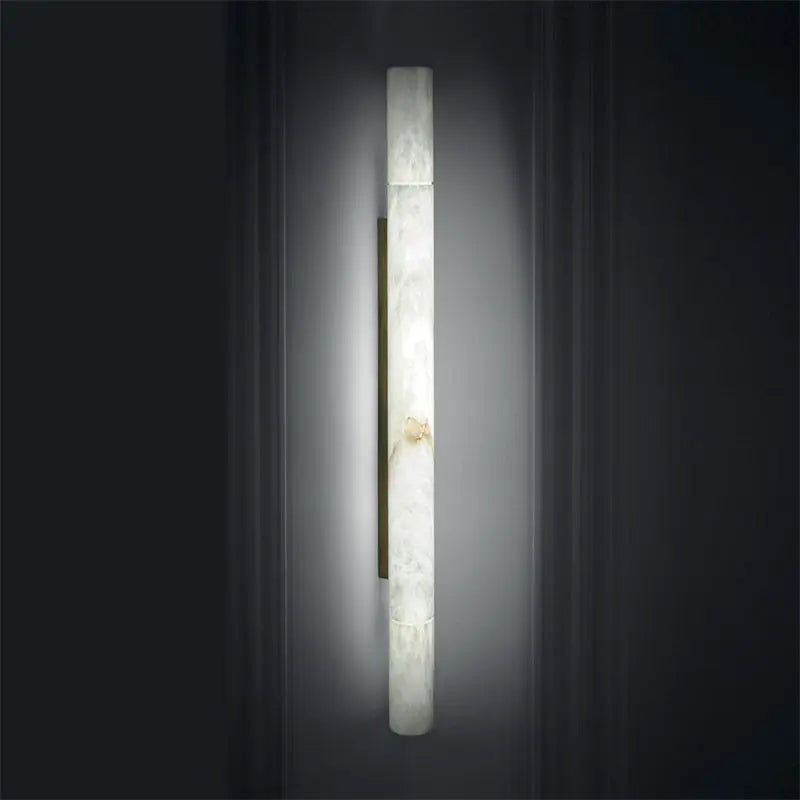
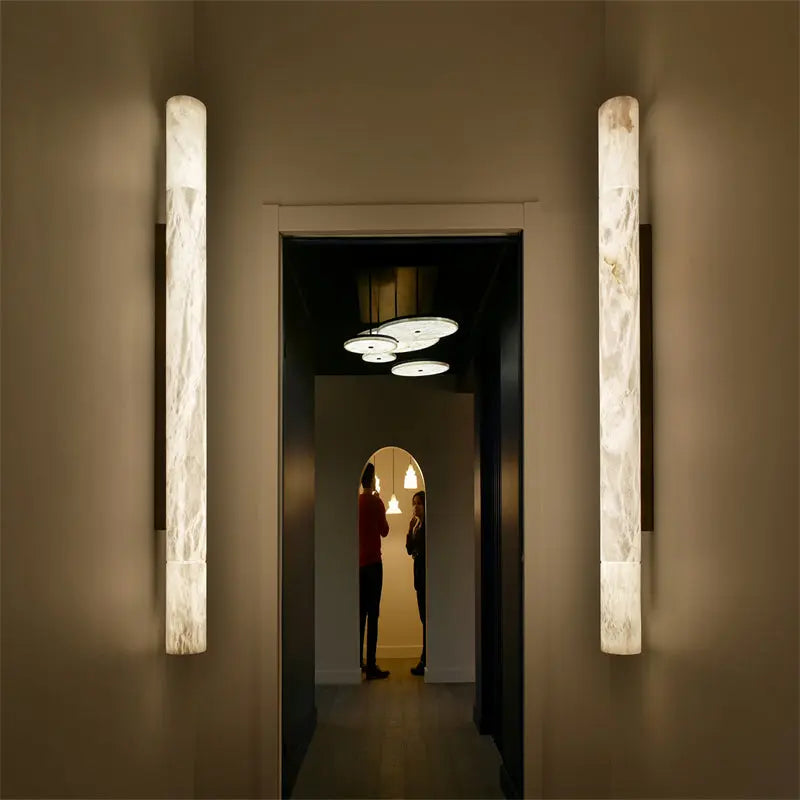
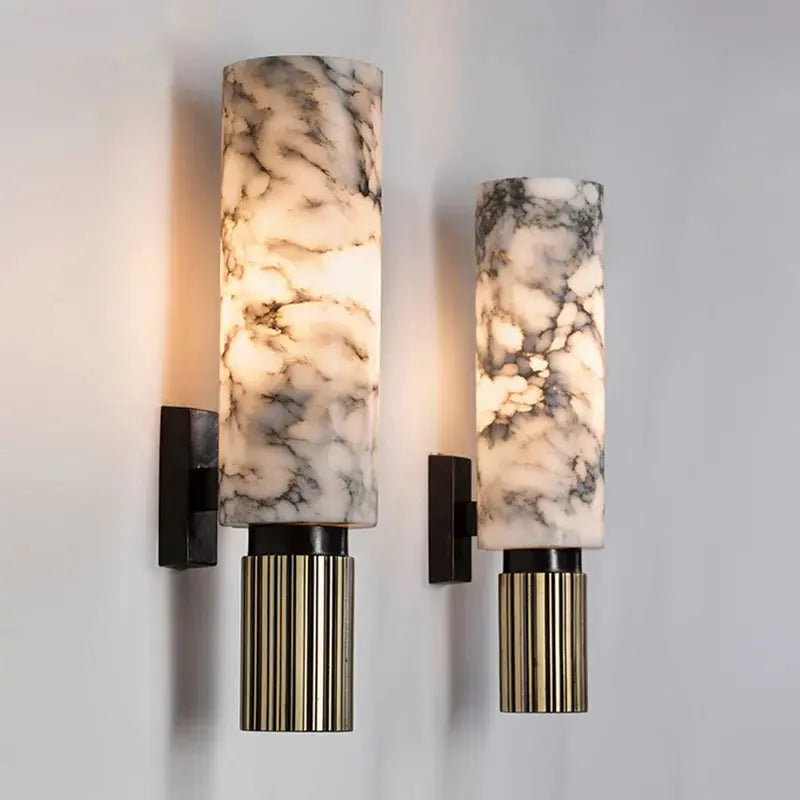
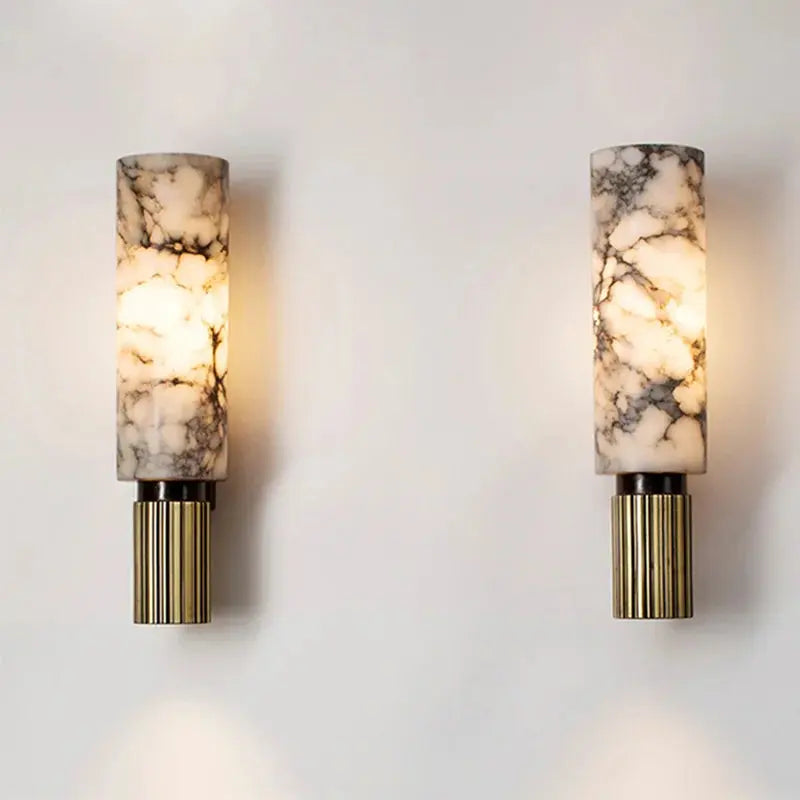
Wall lights are an elegant alternative where bedside tables are narrow or where you want to keep their surfaces clear. Adjustable reading lights offer focused illumination, while decorative sconces with opal glass shades create a gentle glow on the wall. They also introduce vertical interest around an upholstered headboard, making the entire bed wall feel more tailored.
If you prefer wall lights, think about switching before finalising the layout. Independent controls on each side of the bed are ideal. One person can read without lighting the whole room, and neither person has to get up to turn off the main fitting. Dimmable wall lights give even more flexibility, but check that the bulbs, dimmer and fitting are compatible.
Make wardrobes and dressing areas easier to use
A beautiful wardrobe is frustrating if the interior is shadowy. Integrated strip lighting, puck lights or sensor-operated fittings can make clothes, shoes and accessories easier to see while bringing a premium, bespoke feel to fitted cabinetry. Place light towards the front edge of shelves or beneath hanging rails so garments are illuminated from the front rather than hidden in their own shadow.
For a dressing table, focused light should be soft but clear. Side-mounted wall lights at face level are generally more flattering than a single light above a mirror, which can create under-eye shadows. If side lighting is not possible, choose a well-diffused mirror light and pair it with ambient illumination. The goal is even lighting across the face, not a bright spotlight.
Colour rendering is worth considering here. A bulb with a high CRI, ideally 90 or above, displays the true colours of clothing, cosmetics and finishes more accurately. This is a modest specification with a noticeable everyday benefit, especially in a wardrobe full of tonal fabrics or when preparing for an evening out.
Use accent lighting to create depth
Accent lighting is the layer that turns a well-lit bedroom into a memorable one. It is not intended to flood the room with brightness. Its job is to draw the eye towards texture, artwork, architectural details and the materials you have chosen with care.
A pair of small wall lights can frame an artwork above a console. A discreet lamp on a chest of drawers adds a warm pool of light in an unused corner. In a larger bedroom, a floor lamp beside a lounge chair creates a separate, inviting zone for reading or morning coffee. These details make the room feel composed even when the main ceiling light is off.
Be selective. Every illuminated object asks for attention, so too many accent fittings can make a bedroom feel busy rather than restful. If the room already has a dramatic crystal chandelier, quieter bedside lamps and a single illuminated artwork may be enough. If the ceiling fixture is deliberately understated, you have more freedom to introduce an expressive floor lamp or sculptural wall lighting.
Choose finishes that belong together
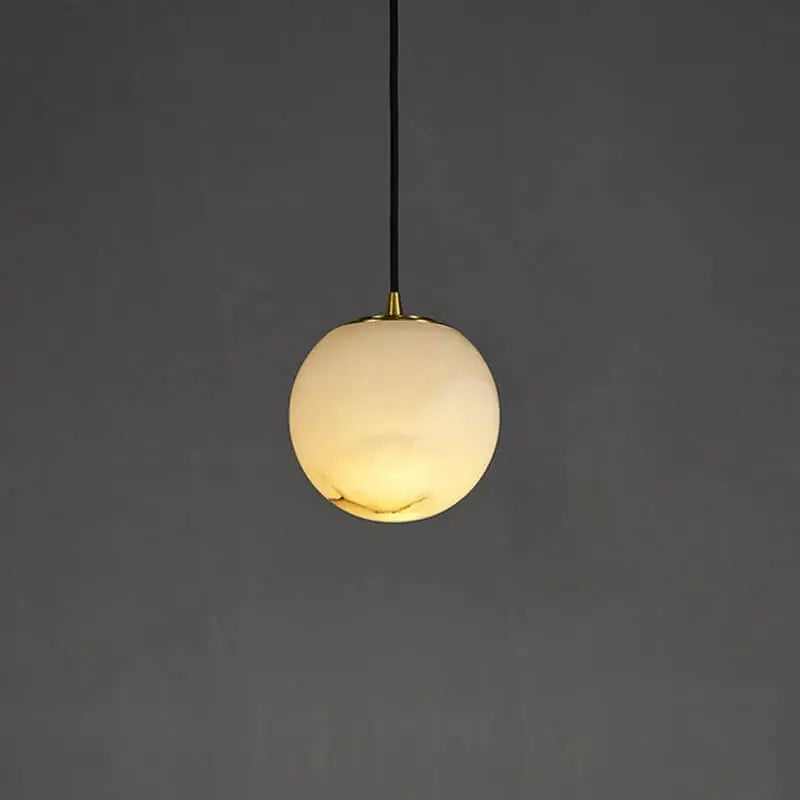
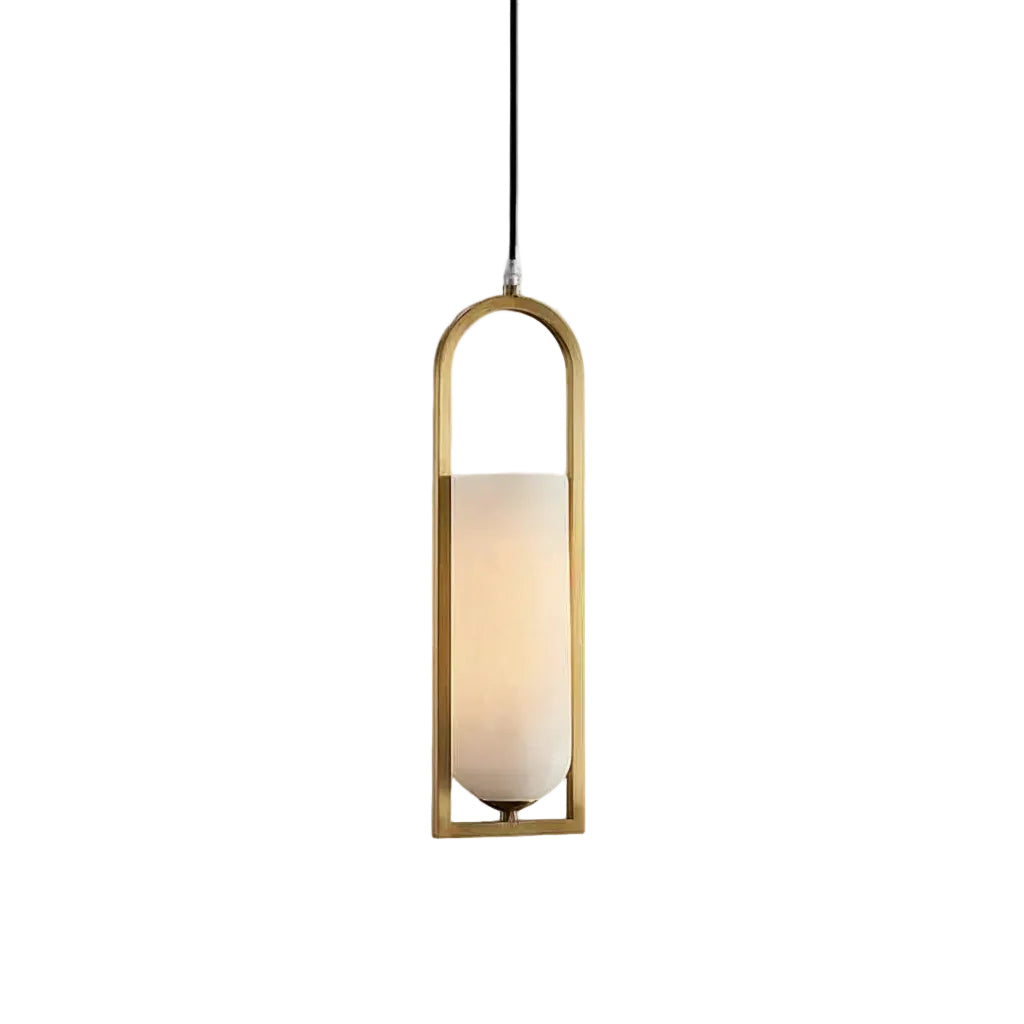
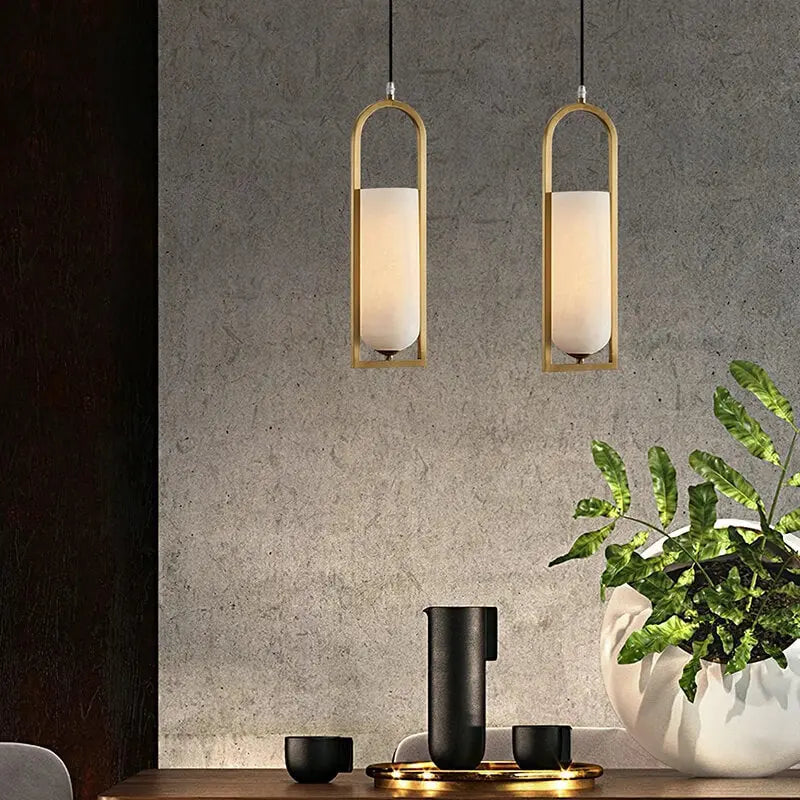
Lighting is part of the furniture story, not an afterthought. A brushed brass chandelier may sit beautifully with warm oak, cream linen and antique-style mirrors. Black metal fittings can sharpen a contemporary scheme with charcoal, stone or walnut. Alabaster and softly veined marble-inspired details suit bedrooms that lean towards understated luxury, particularly when paired with boucle, plaster finishes and muted textiles.
The fittings do not need to match exactly. Matching every metal finish can look overly staged, while a considered mix feels collected. Keep one element consistent, such as warm metal tones, globe-shaped shades or a shared material, so the composition still reads as intentional. The same principle applies to bulbs: matching their colour temperature prevents one corner of the room from appearing noticeably colder than another.
Put control at the heart of the scheme
The difference between attractive bedroom lighting and genuinely liveable bedroom lighting is often the controls. Put the main ambient light on a dimmer, then use separate switches for bedside and accent lights. If a full electrical update is not practical, plug-in lamps with accessible switches and smart bulbs can still offer useful flexibility.
Consider the journey through the room. You should be able to turn on a low level of light from the doorway, read comfortably from bed, and switch everything off without crossing a dark room. In larger bedrooms, two-way switching at the entrance and bedside is particularly worthwhile. It is a small detail that makes the space feel more considered every night.
A statement fixture can give a bedroom instant presence, but the room becomes truly special when every layer earns its place. Choose light that complements the way you rest, dress and live, then let its glow reveal the luxurious details that make the space yours.







1 comment
Gary Spillard
Hi I am renovating a house so in the near future I will need six large chandeliers one very long Chandelier for the staircase and two for the bedrooms. My ceilings are high with large corners. It’s an old house. Will you be able to do me a deal if I order all of them from you? Probably some lamps and wall lights also thank you. Kind regards Gary.