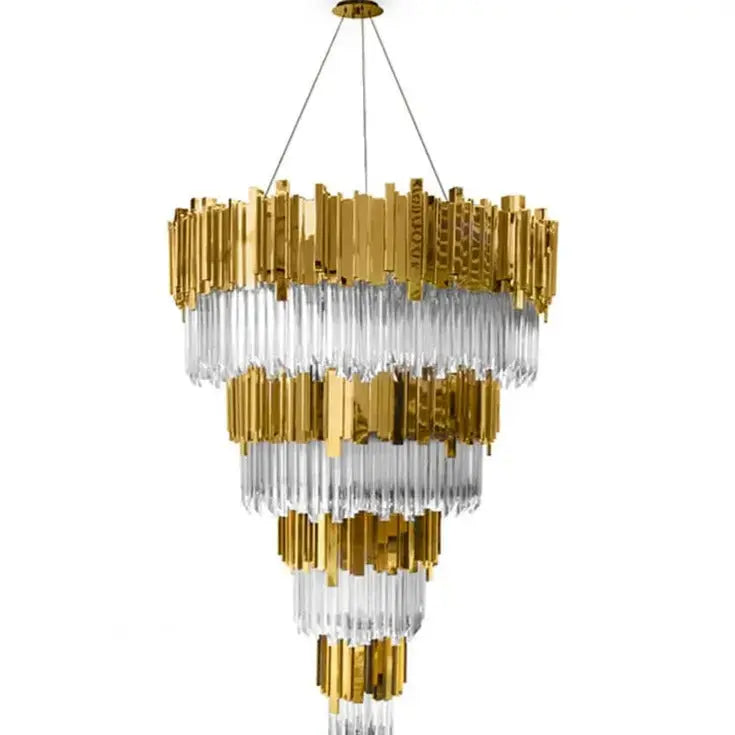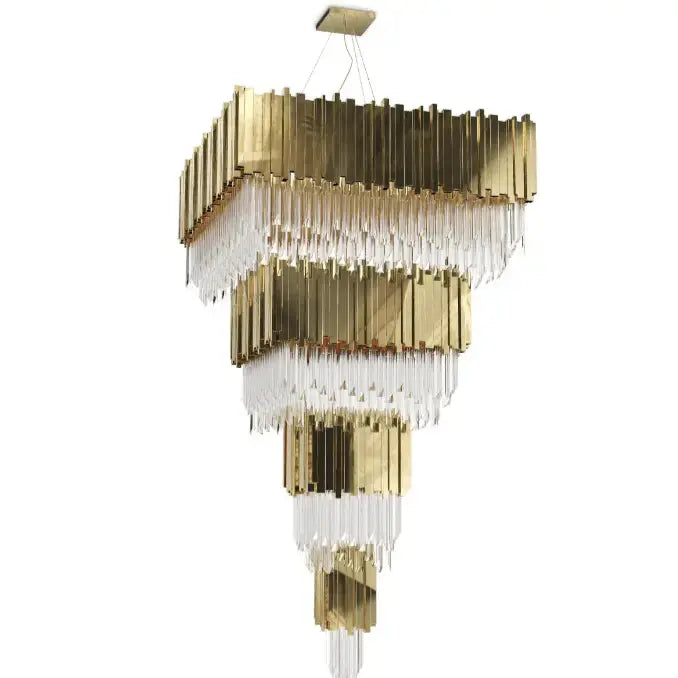
A crystal chandelier does something few furnishings can: it changes the mood of a room before anyone has taken a seat. The question, then, is not simply, “are crystal chandeliers still fashionable?” It is whether the particular silhouette, scale and finish suit the way we live now. Chosen well, crystal is far from a relic of formal drawing rooms. It is one of the most expressive ways to bring light, texture and luxury into a home.
Are crystal chandeliers still fashionable in modern homes?
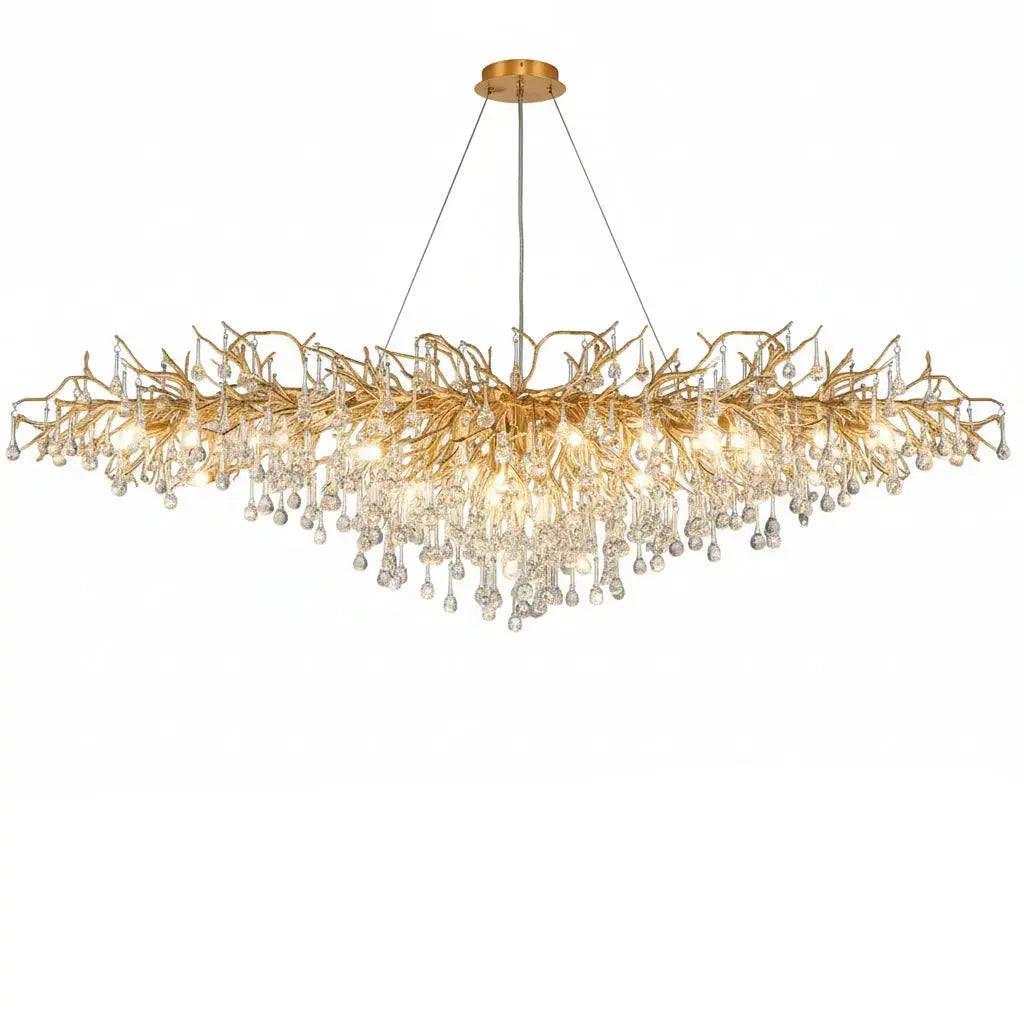
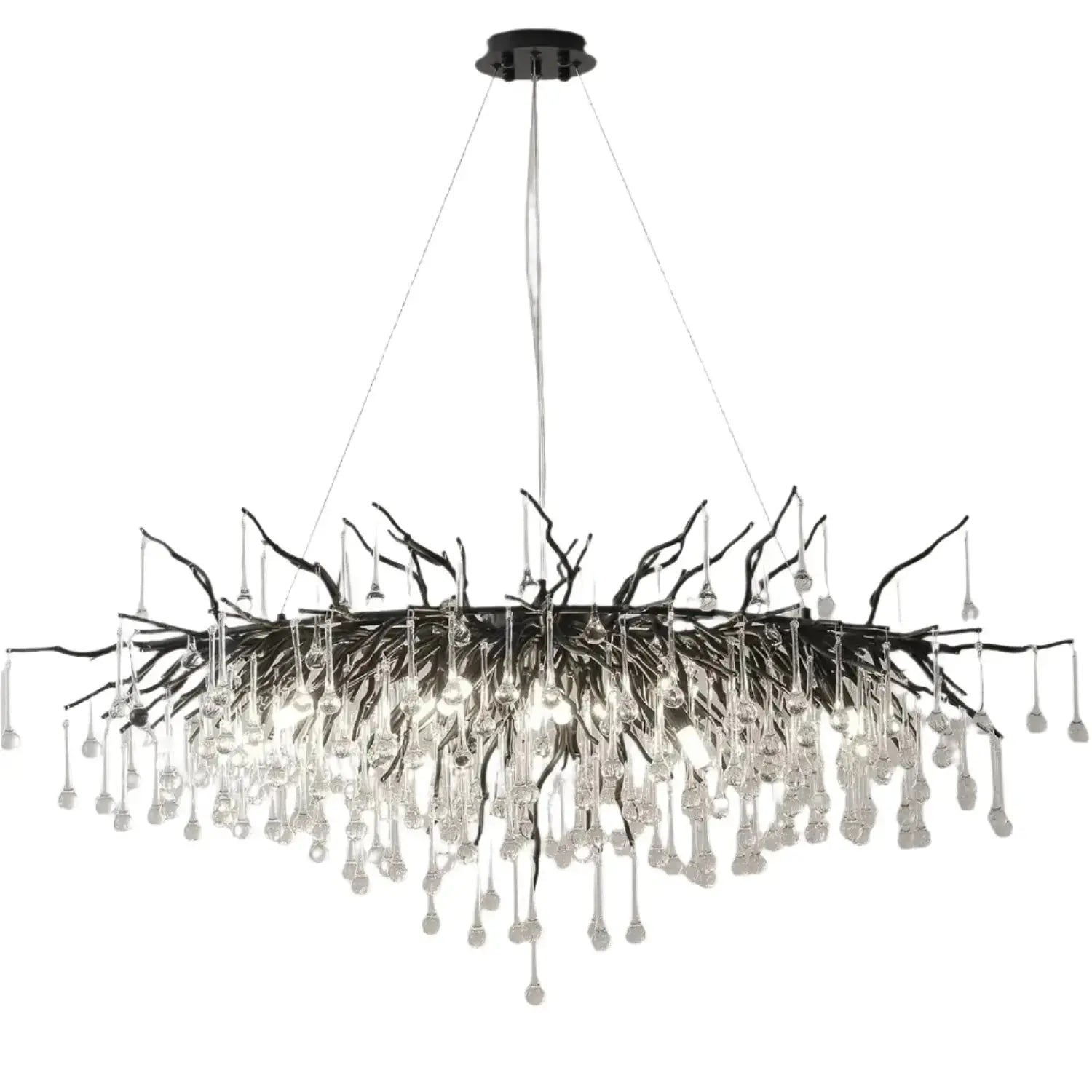
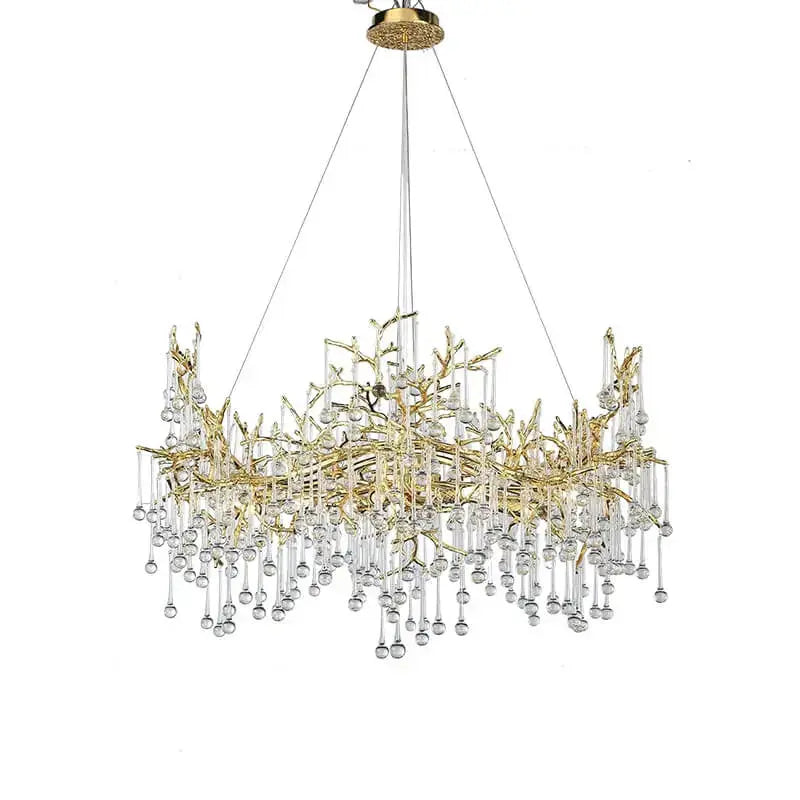
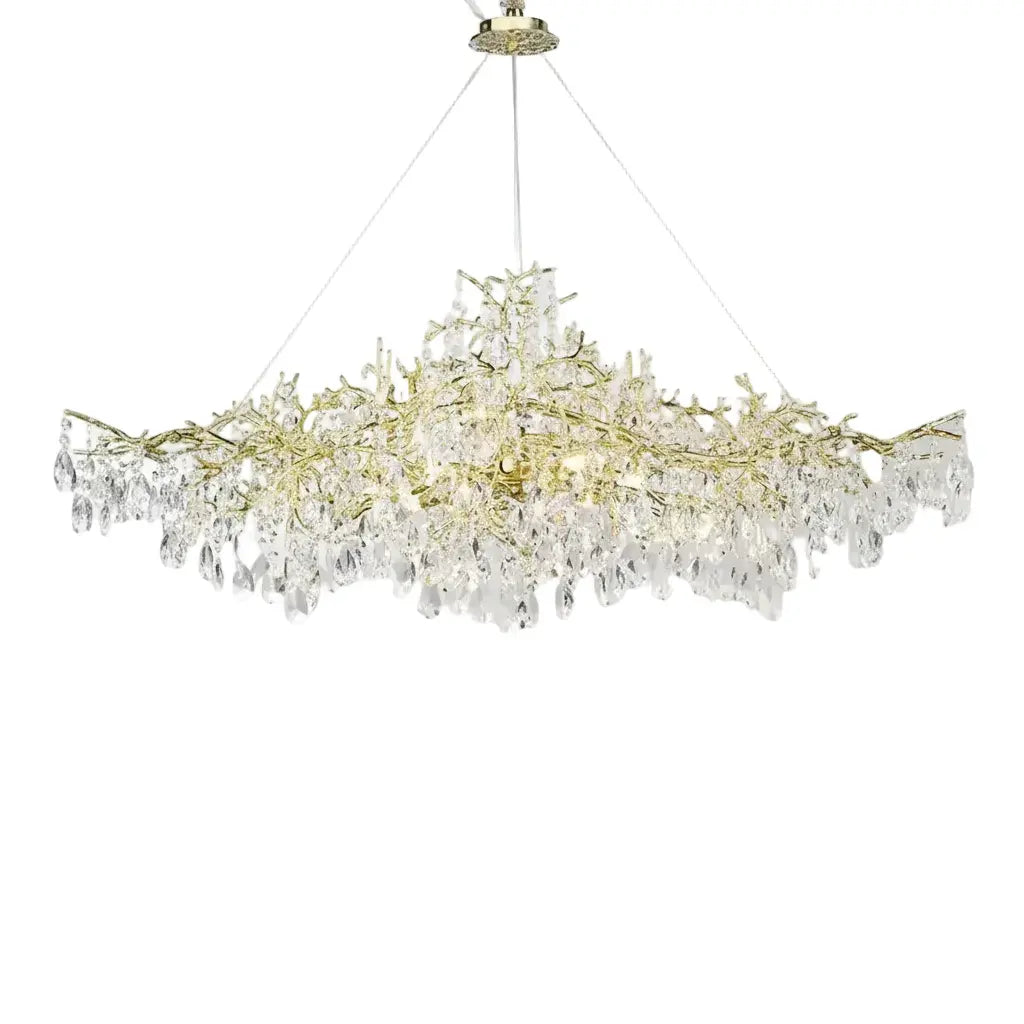
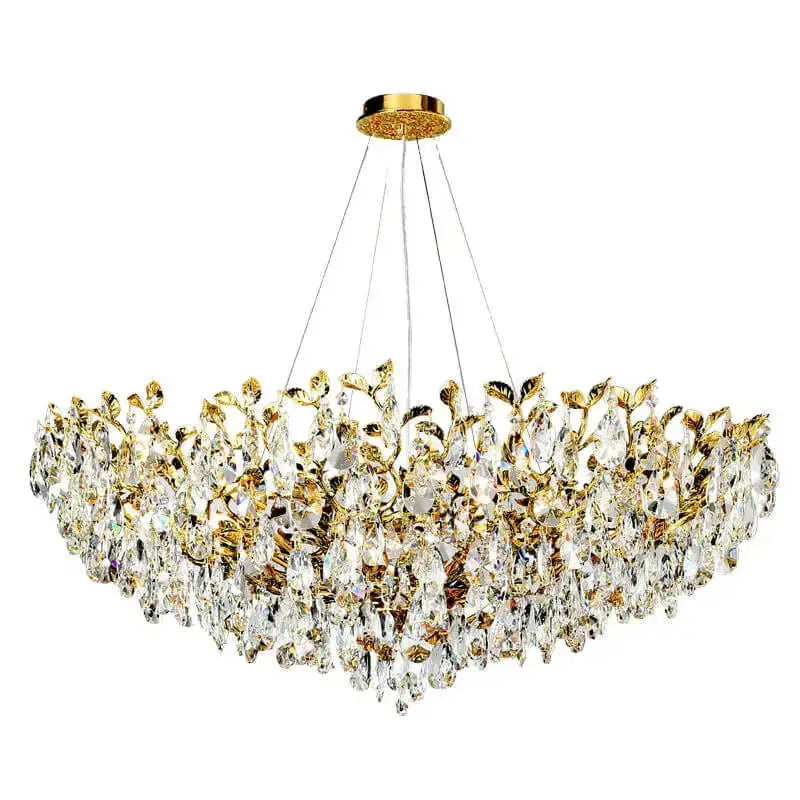
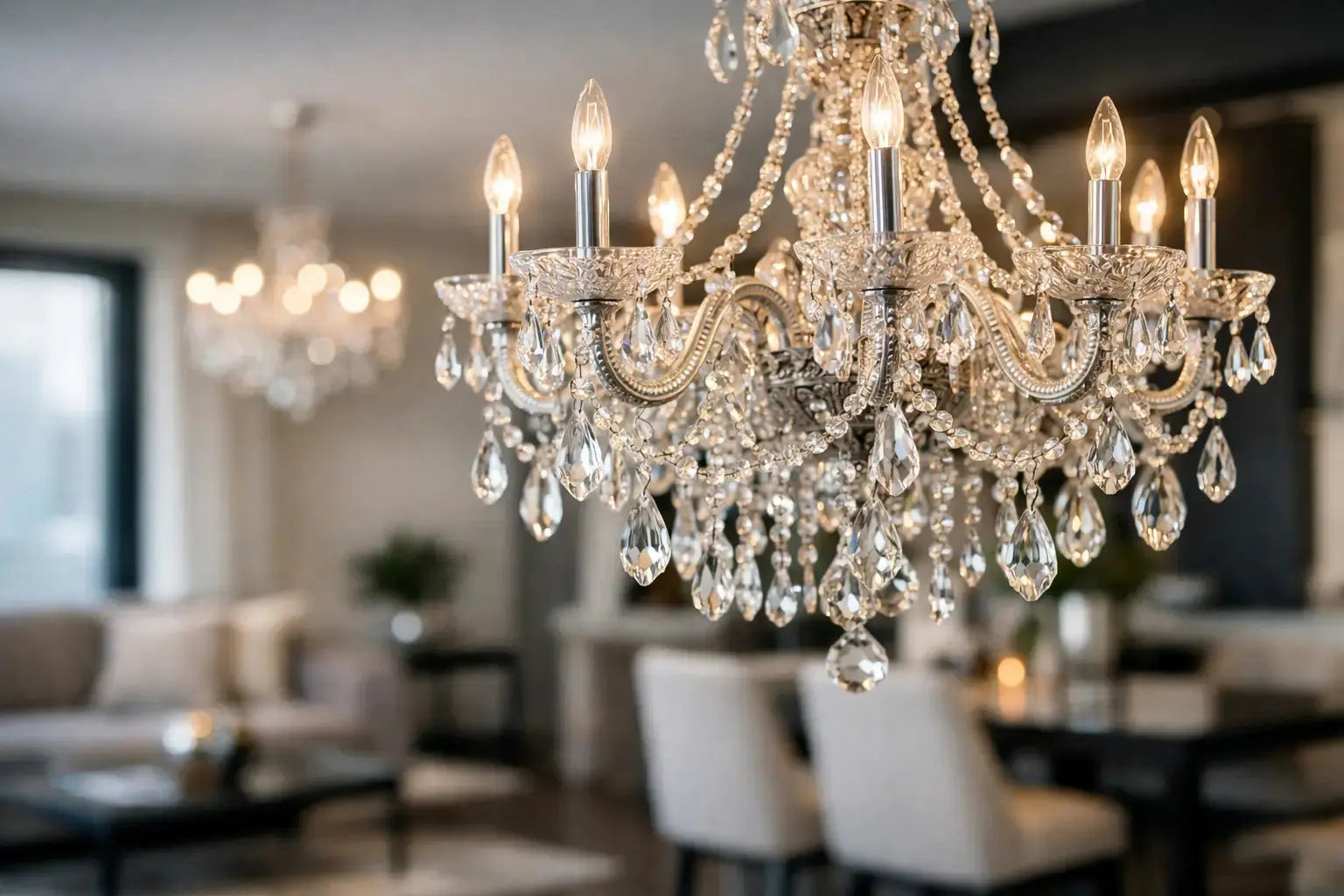
Yes, but the fashionable crystal chandelier has evolved. The ornate, heavily dressed fixtures associated with grand period interiors remain beautiful in the right setting, yet they are no longer the only interpretation. Contemporary homes are embracing cleaner frames, elongated drops, sculptural tiers, smoked crystal, clear geometric prisms and warm metal finishes that feel polished rather than overly traditional.
What has endured is crystal’s unique relationship with light. In daylight, a well-made fixture adds delicate sparkle and visual depth. At night, it catches illumination and scatters it across nearby walls, ceilings and reflective surfaces. That effect gives a room a considered, layered quality which a plain ceiling fitting rarely achieves.
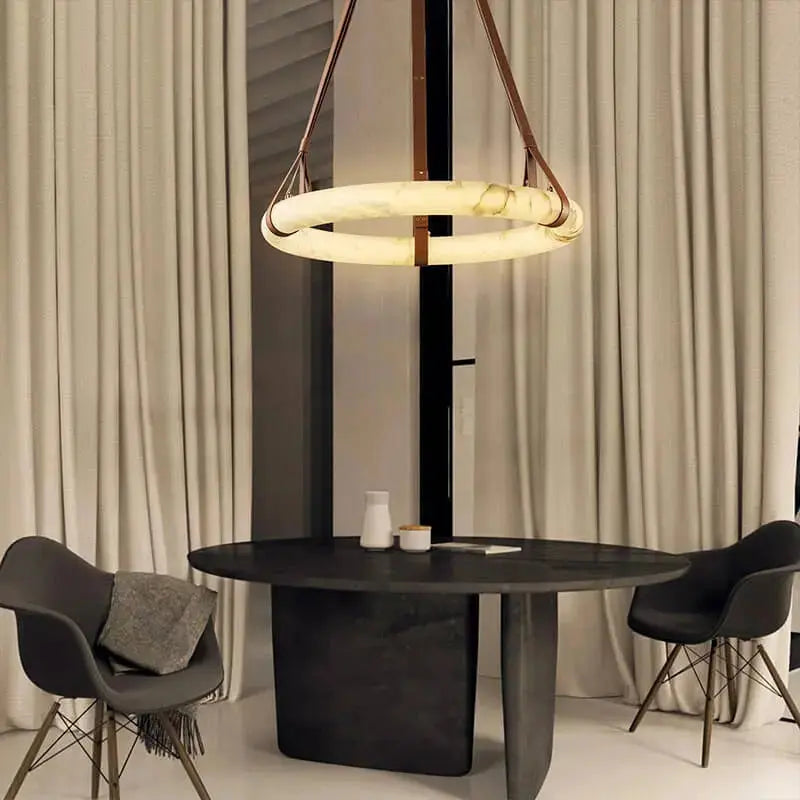
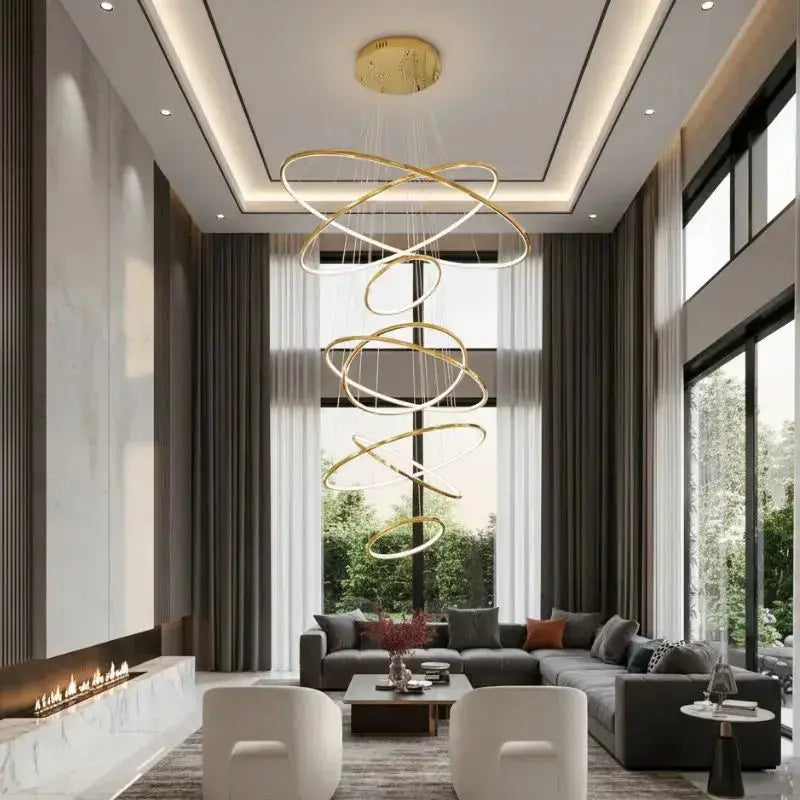
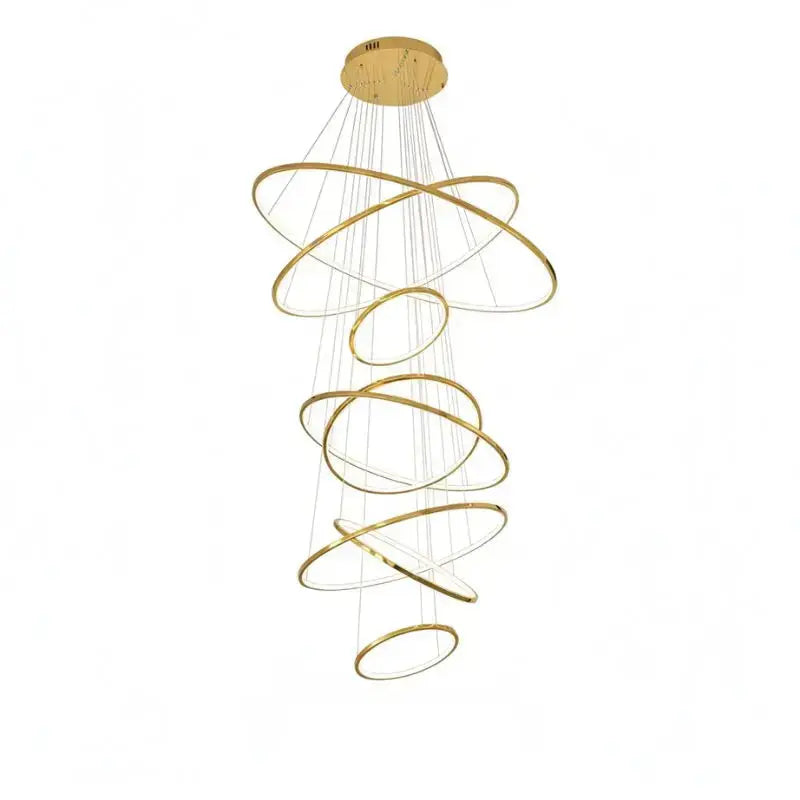
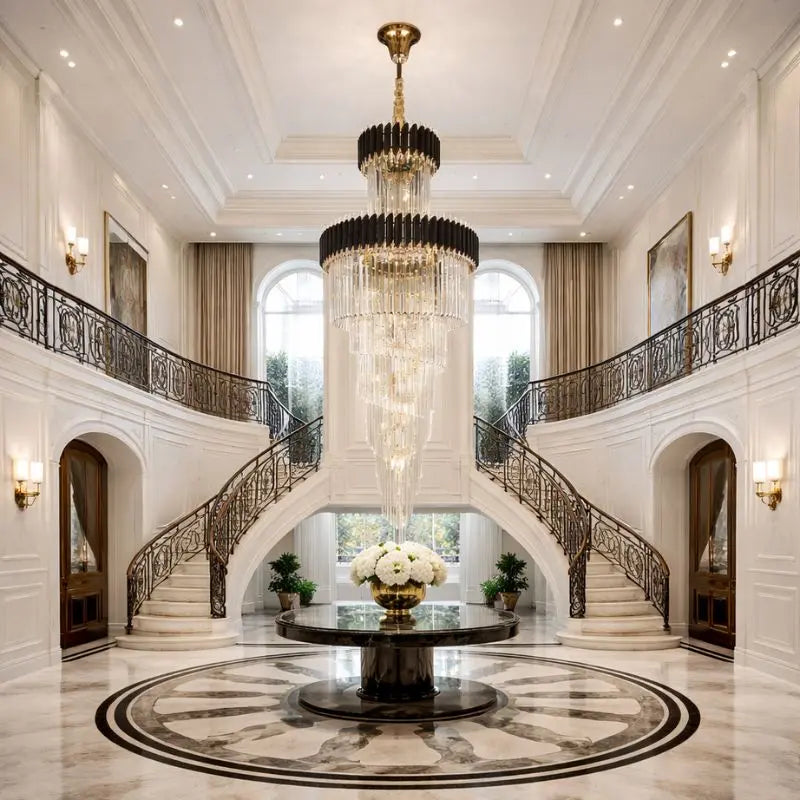
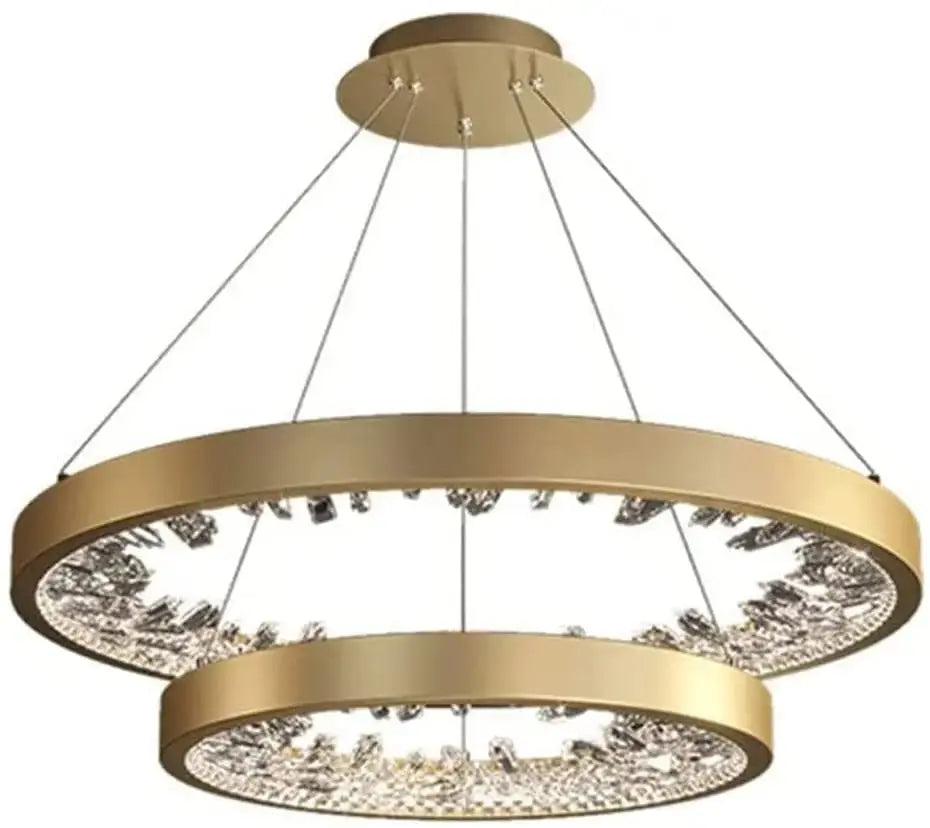
The key shift is intentionality. Rather than choosing crystal because it is conventionally luxurious, homeowners are choosing it as a focal point. A streamlined crystal ring above a dining table can sharpen a contemporary scheme. A cascading design in a stairwell can make vertical space feel theatrical. Even a compact flush chandelier can lend a bedroom an exquisite finishing touch without overwhelming it.
Why crystal is having lasting appeal
Interior fashion has moved towards rooms that feel personal, collected and tactile. After years of pared-back, all-neutral spaces, there is renewed enthusiasm for materials with presence: veined stone, aged brass, fluted glass, richly grained timber and, of course, crystal. Its clarity offers contrast against soft plaster, dark paint and natural fabrics, while its sparkle introduces a little ceremony to everyday living.
Crystal also works across more than one design language. In a classic home, it can echo traditional mouldings, antique mirrors and elegant upholstery. In a contemporary interior, a linear or asymmetrical design brings precision and glamour to clean architectural lines. In transitional spaces, it is particularly effective, bridging traditional warmth and modern restraint.
That versatility matters because statement lighting is an investment. A chandelier should not feel tied to one passing furniture trend. Crystal has a long visual history, but its current forms can feel distinctly modern when proportion and detailing are right.
The difference between timeless and dated
Not every crystal chandelier will suit every room. A design can feel dated when it is too small for a large space, too ornate for a minimal scheme, or paired with finishes that compete for attention. It can also lose impact when the installation height is wrong or the bulbs cast a harsh, cool light.
A timeless choice balances decoration with structure. Look for a clear silhouette, quality crystal elements and a frame that relates to the room’s other metals. Brushed brass and antique gold create warmth, while polished chrome and black frames bring a more tailored, contemporary edge. If you are hesitant about traditional styling, choose fewer, larger crystal forms rather than dense swags and elaborate arms.
Where a crystal chandelier looks best
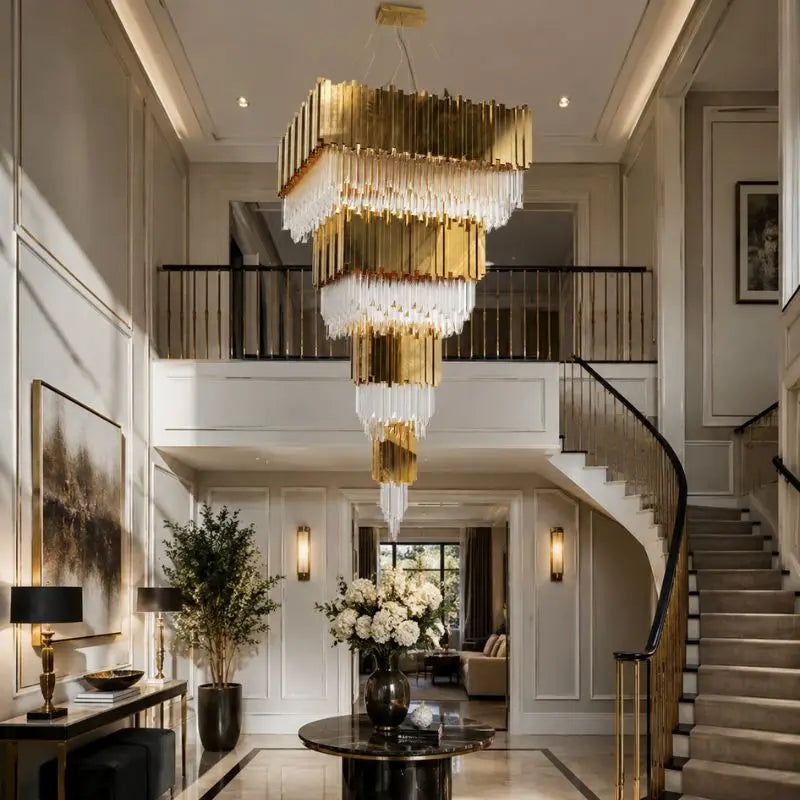
Foyers are the natural home for dramatic crystal lighting. A tall entryway gives a cascading or tiered fixture room to breathe, turning the first view into a memorable one. In a two-storey hall, select a chandelier that fills the vertical volume without dropping too low into the circulation area. Its presence should feel generous, not obstructive.
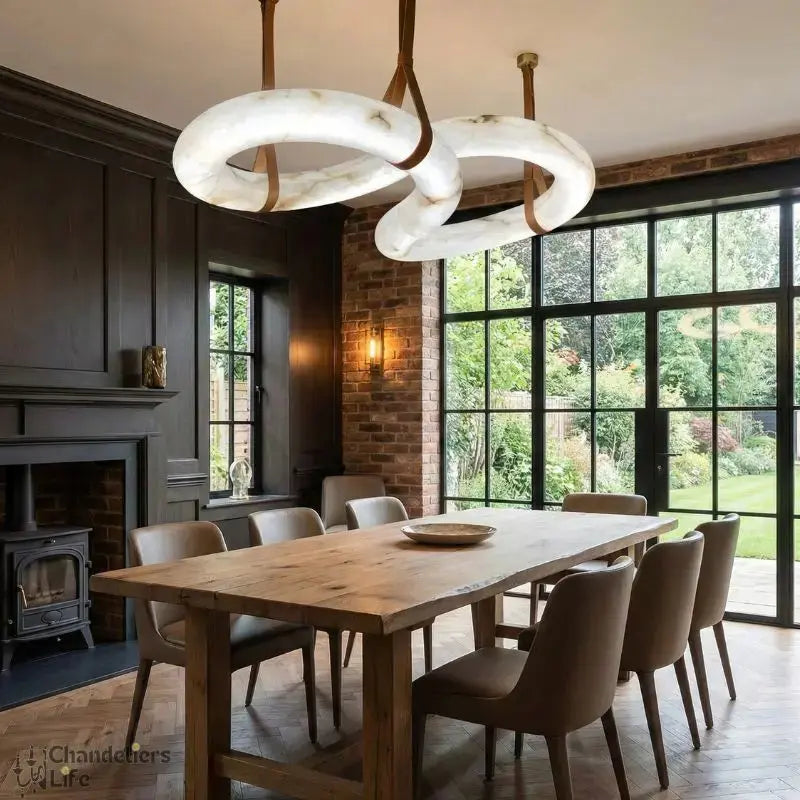
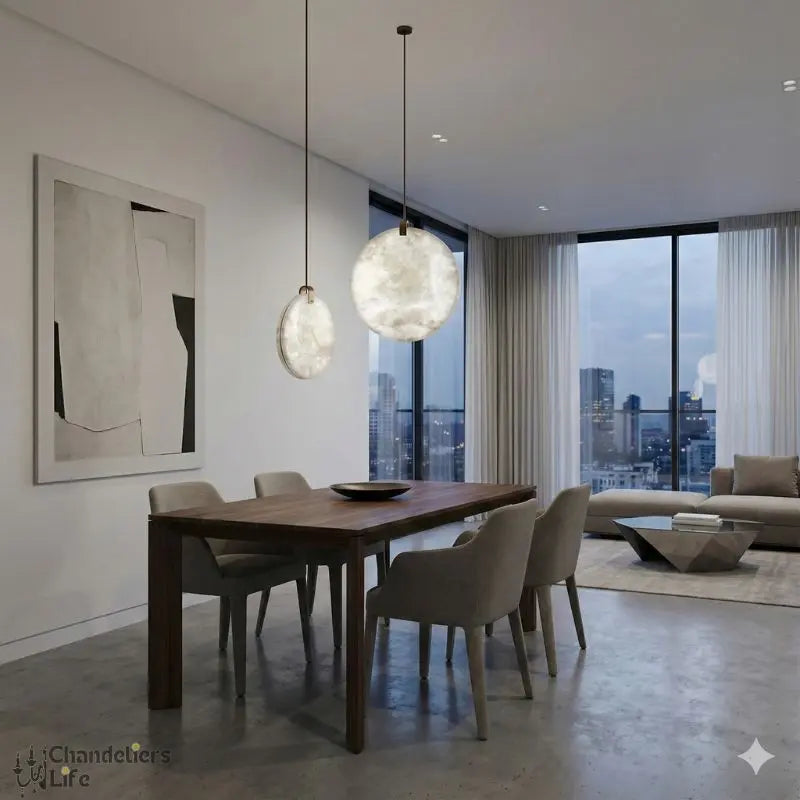
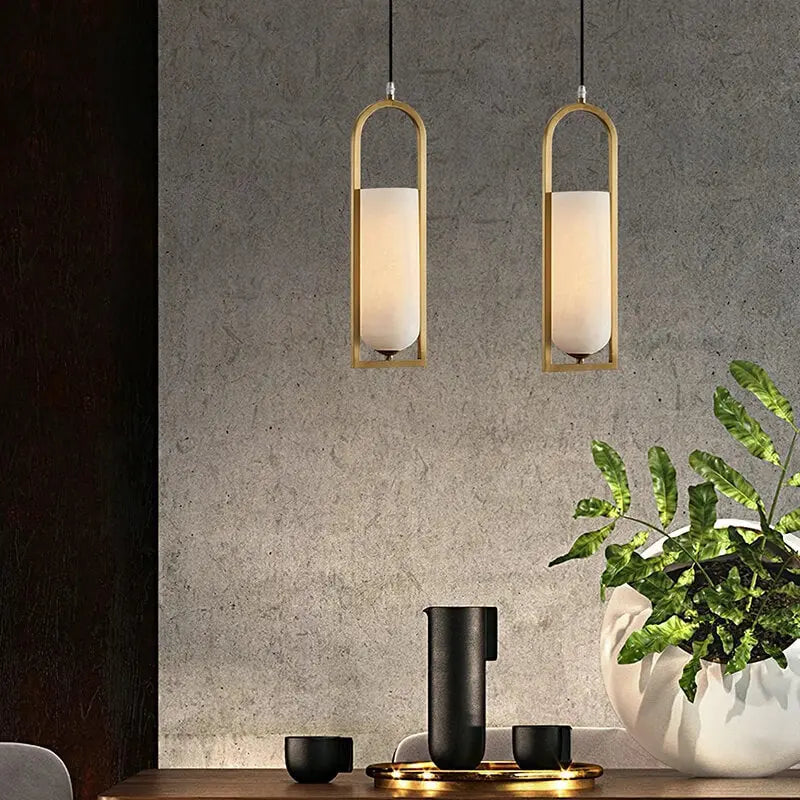
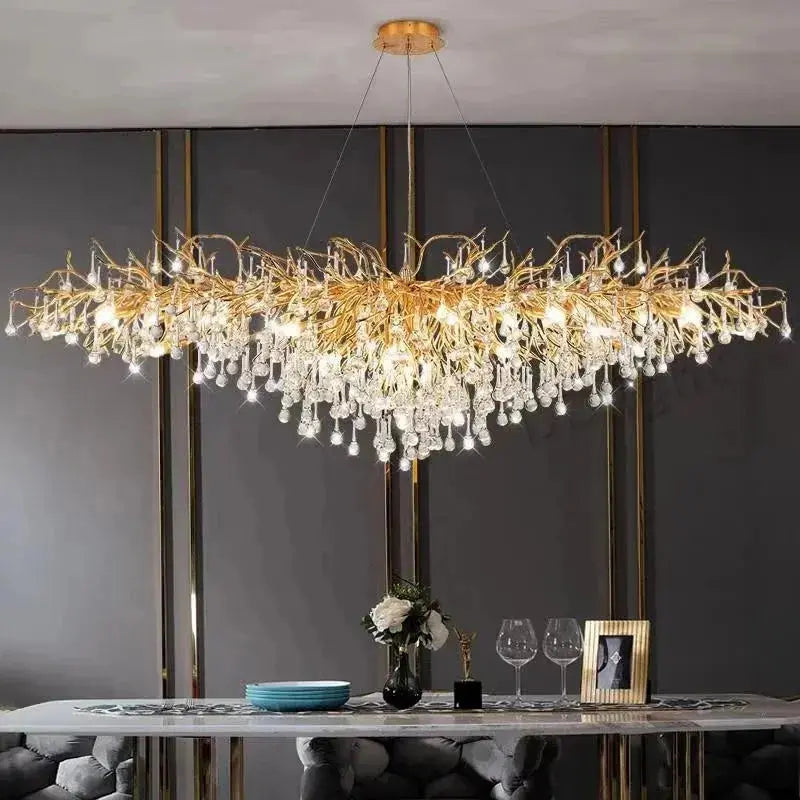
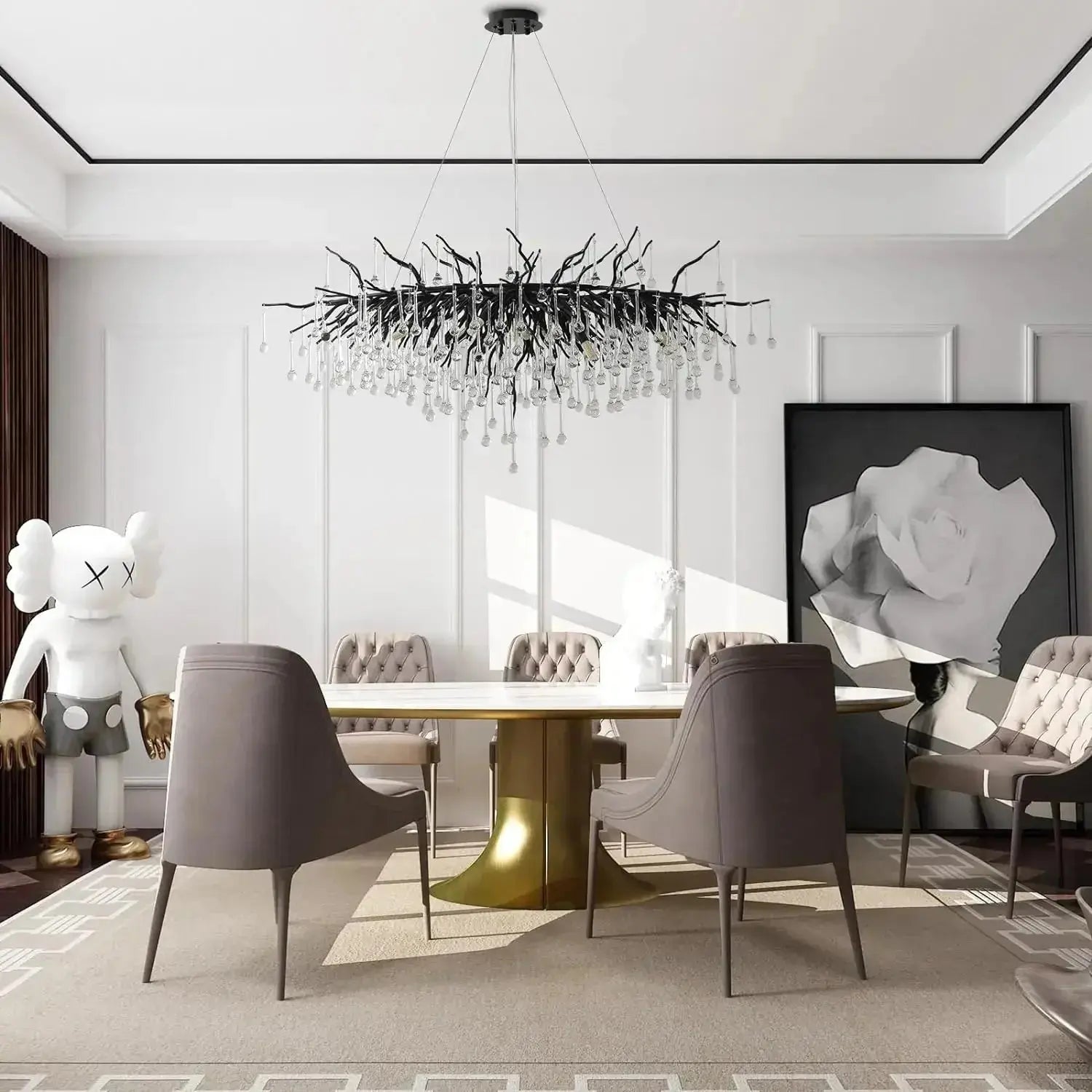
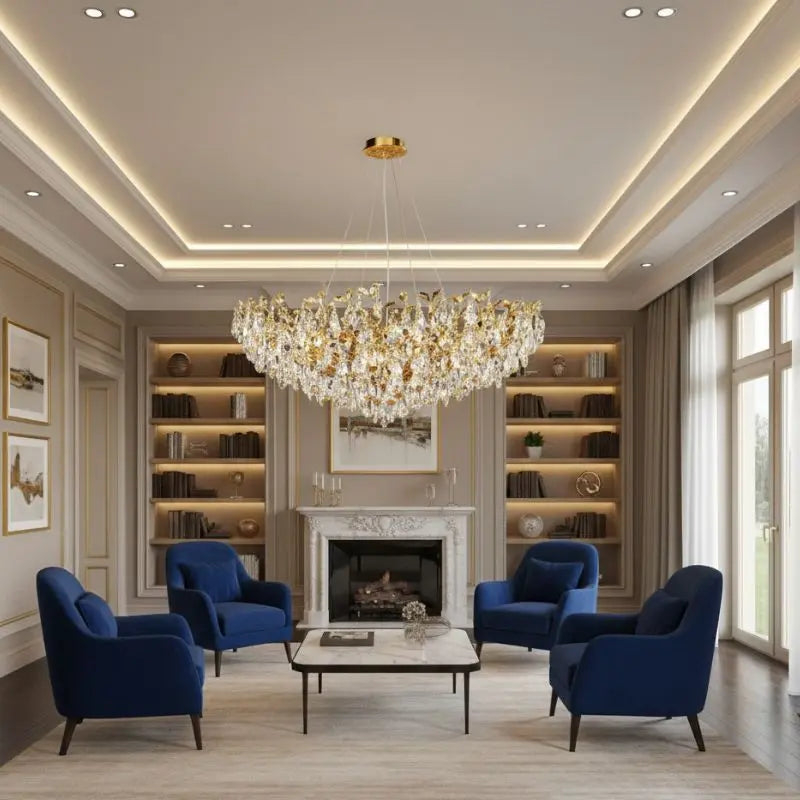
Dining rooms offer a more intimate opportunity. Here, the chandelier can define the table as the centre of the room, particularly in open-plan homes where furniture needs to establish zones. A rectangular crystal fixture complements a long dining table, while a round or clustered piece softens a circular table. Hanging it on a dimmer allows the same room to move easily from weekday supper to a more atmospheric evening gathering.
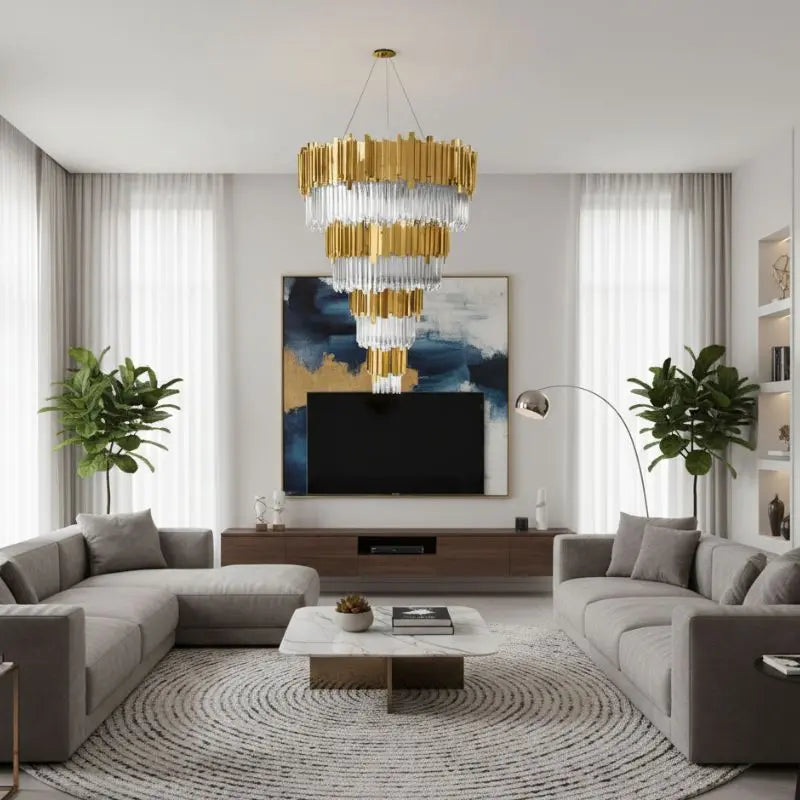
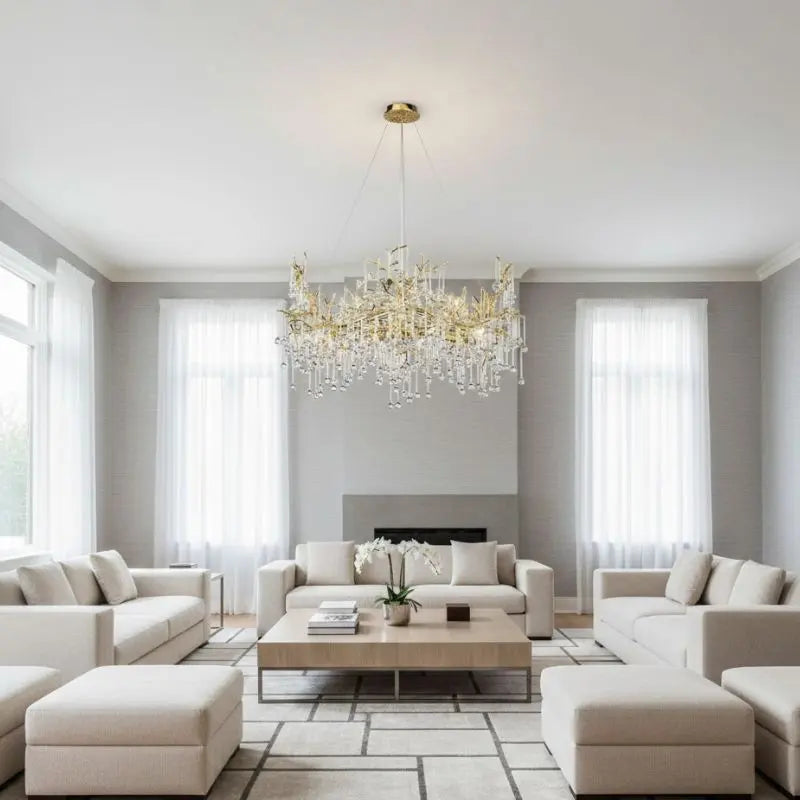
In living rooms, crystal works best when it is allowed to be a deliberate contrast. A sculptural chandelier above a tailored sofa arrangement can lift a room of linen, wool and timber. For lower ceilings, consider a semi-flush or compact tiered design. It gives the room light-catching detail without sacrificing headroom.
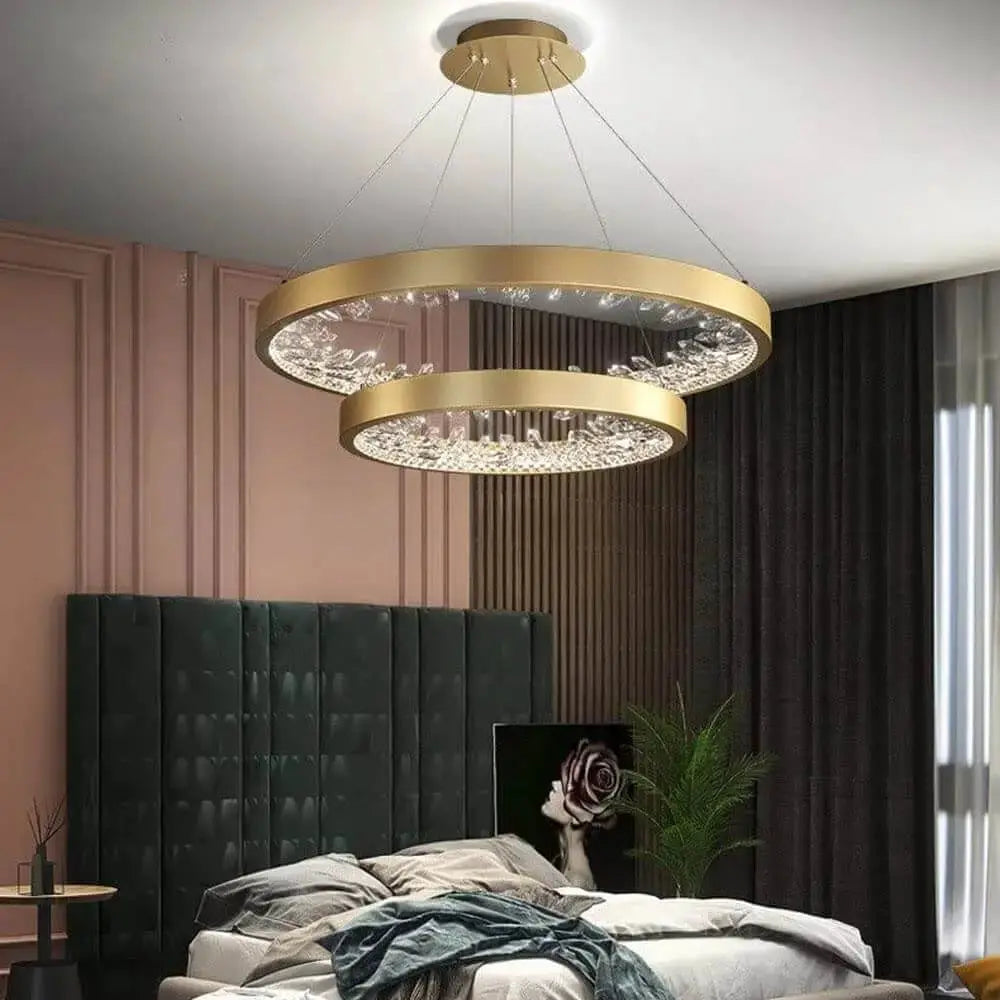
Bedrooms are often overlooked, but a small crystal chandelier can make a private space feel especially refined. The scale should be gentler than in a foyer or dining room, and warm dimmable light is essential. Above a bed, the fixture should be carefully positioned and installed at a safe, comfortable height.
Choosing a fashionable crystal chandelier for your space
Start with scale before style. Measure the room’s length and width in feet, add the two figures together, and use the result in inches as a useful starting point for chandelier diameter. A room measuring 12 by 14 feet, for example, often suits a fixture around 26 inches wide. This is a guide, not a rule: high ceilings, large furniture and an open-plan layout may call for a more substantial design.
Ceiling height is equally important. In rooms where people walk beneath the chandelier, leave adequate clearance below it. Above a dining table, the fitting can sit lower because the table creates a natural boundary. The result should feel connected to the table, rather than floating too high above it.
Then consider the fixture’s visual weight. Clear crystal can appear airy even at a generous size, whereas a dark metal frame, dense tiers or smoky glass will read as more substantial. If your room already has patterned wallpaper, bold artwork or an elaborate rug, a simpler crystal profile may be the more luxurious choice. In a restrained interior, a larger cascading piece can provide the drama the room needs.
Light quality deserves equal attention. Crystal is at its most flattering with warm white bulbs, usually around 2700K, which enrich brass, wood and skin tones while preserving the sparkle of the glass. Dimmable bulbs and compatible controls are especially valuable in dining and living areas. They allow a chandelier to provide practical illumination when required, then soften into ambience later in the evening.
Modern styling ideas that keep crystal fresh
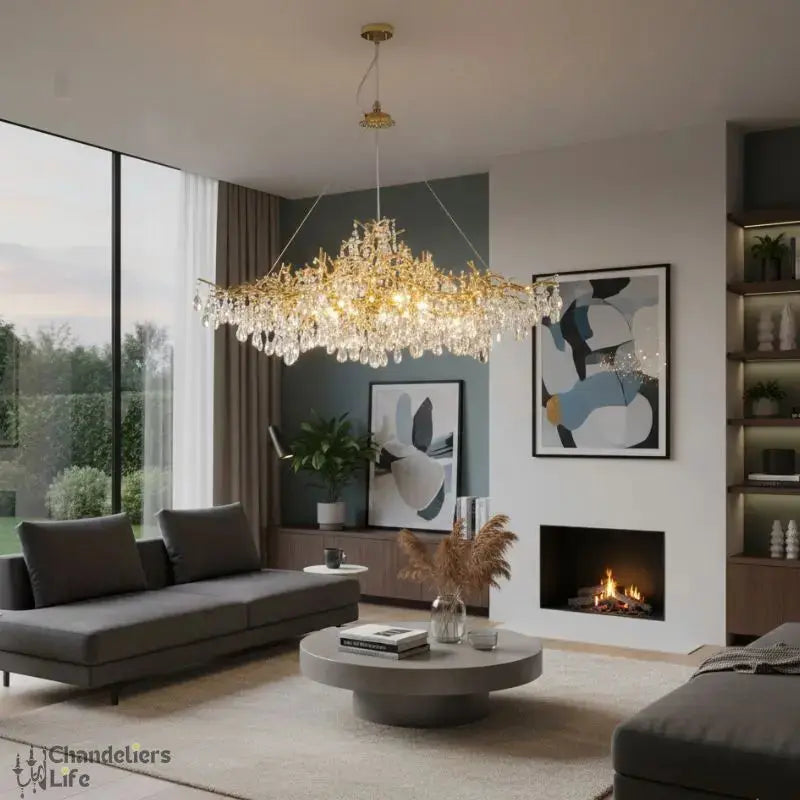
A crystal chandelier need not lead a room into full traditional formality. Pair one with plaster walls, boucle seating and black-framed artwork for a layered contemporary look. Set a linear crystal fixture above a natural oak dining table to combine crisp light with organic texture. In a darker scheme, clear crystal against deep charcoal, forest green or inky blue creates a striking play of light.
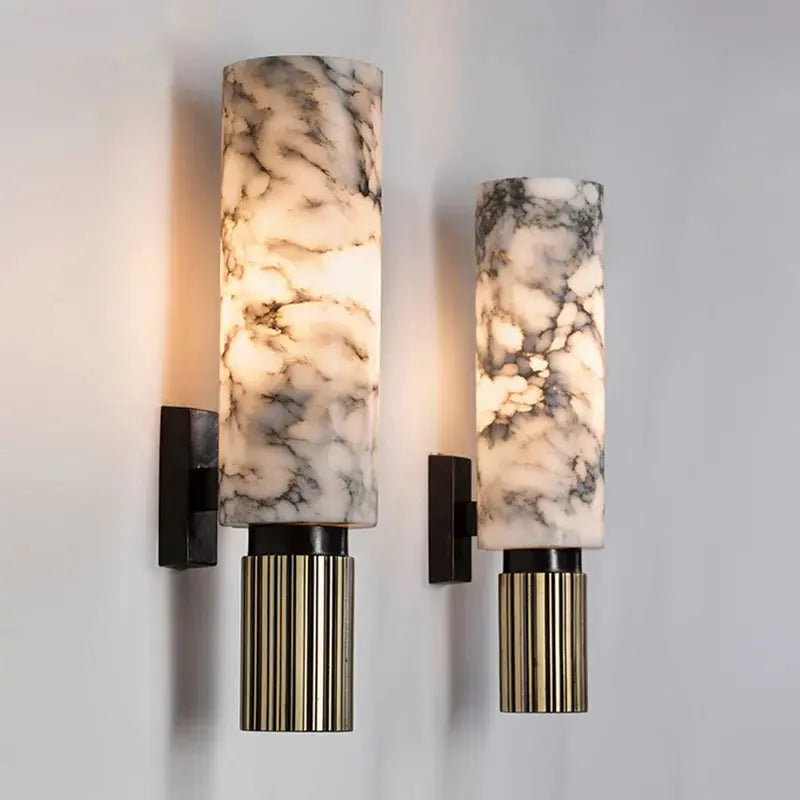
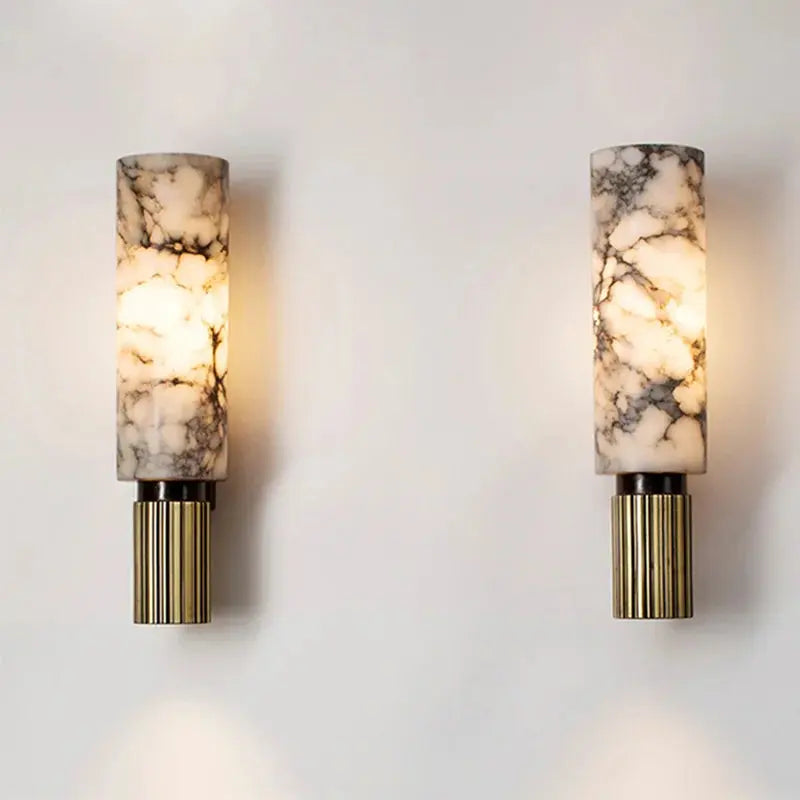
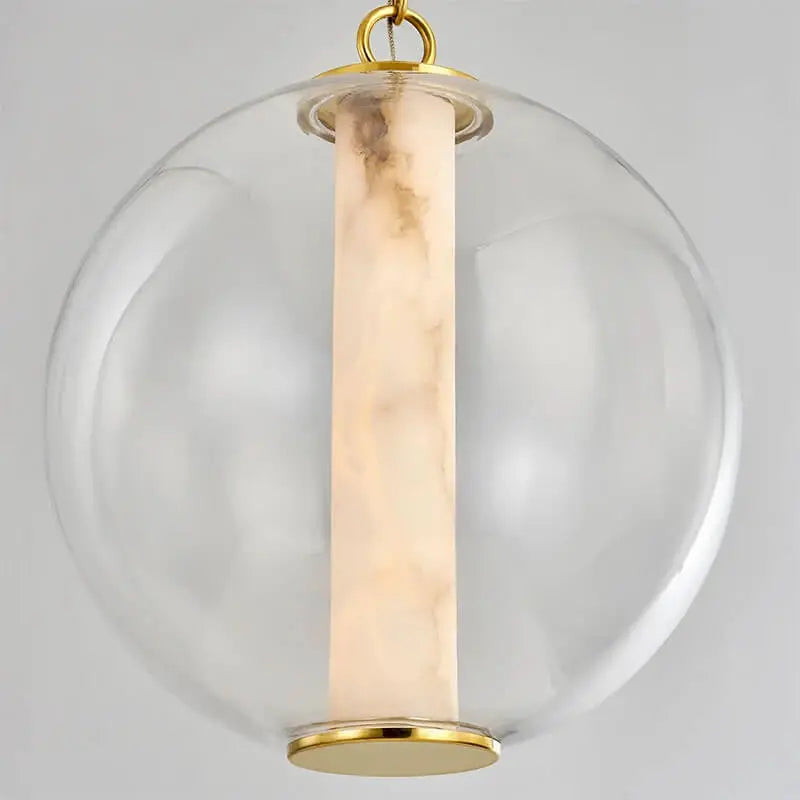
Mixed materials are another confident route. Crystal and alabaster, marble-effect surfaces, ribbed glass, aged brass and softly textured textiles all bring different depths to the same room. The aim is not to match every finish perfectly, but to repeat a small number of tones so the lighting feels integrated. A brass-framed chandelier, for instance, may relate to cabinet handles, a mirror frame or occasional table legs elsewhere in the space.
For a more restrained effect, choose crystal in an unexpected setting. A compact piece in a well-designed kitchen breakfast area, dressing room or guest bedroom can feel more memorable than a predictable fixture in the hallway. Statement lighting earns its place when it brings pleasure to the spaces used every day.
The practical side of owning crystal lighting
Crystal chandeliers require a little care, but not excessive effort. Turn off the power and allow bulbs to cool before dusting. A soft microfibre cloth or a clean brush is usually enough for routine maintenance. For a deeper clean, follow the manufacturer’s guidance carefully, particularly where plated finishes, delicate fittings or hand-assembled crystal elements are involved.
Consider installation early, especially for larger or heavier fixtures. The ceiling mounting point must be capable of supporting the weight, and an electrician can ensure the fitting is secure, correctly wired and positioned at the right height. This is a sensible part of protecting a luxury purchase and ensuring it performs beautifully for years.
There is also a practical trade-off in highly ornate designs: more individual crystal pieces mean more surface detail to clean. If you love the luminous effect but prefer simpler upkeep, a contemporary design with larger faceted panels or a streamlined crystal ring may be the ideal compromise.
Fashionable interiors are not built by avoiding anything with history. They are built by choosing pieces with enough character to make a home feel unmistakably yours. Whether suspended above a dining table or cascading through a stairwell, the right crystal chandelier can give an ordinary room a more luminous, beautifully finished life.